US military

VS
Iranian wedding attendees
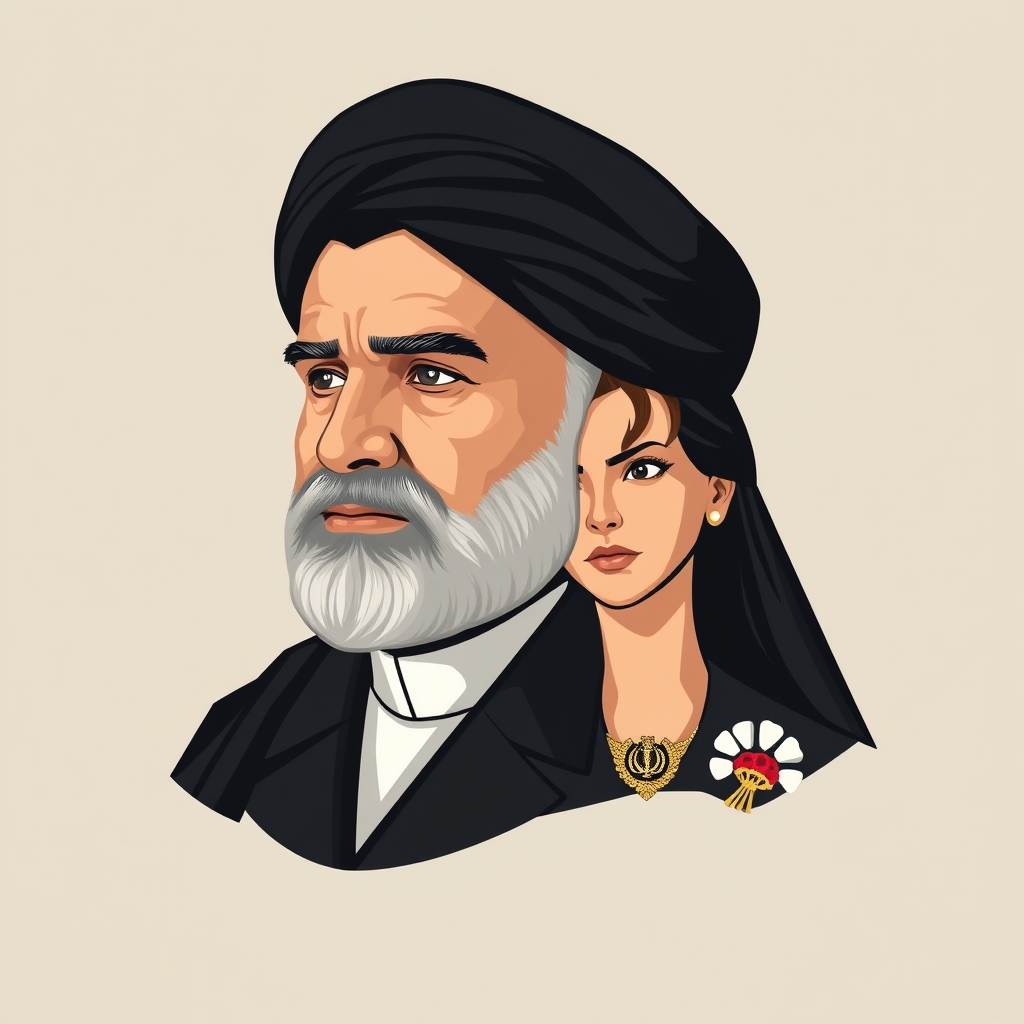

The United States military and Iranian wedding attendees are the parties in this incident.
The U.S. military is the armed forces of the United States, which has been conducting strikes against Iran.
Iranian wedding attendees are civilians gathered for a wedding celebration in the town of Kuhestak, located along the Strait of Hormuz in southern Iran.
The conflict arises from a U.S. airstrike that hit the wedding party, killing multiple attendees and wounding dozens more.
Iranian officials have accused the U.S. of war crimes, while the U.S. military has not provided a public explanation for the strike.
The incident has raised questions about the legitimacy and consequences of U.S. military action in the region.
The strike is part of a broader series of U.S. attacks on Iran, with this being the second time in three nights that heavy strikes were launched.
The casualties include women and children, with reports of a 6-year-old boy among the dead.
The event has drawn international attention and scrutiny.
*AI-generated summary of publicly available data. This is not an official statement of any party.
*AI-generated summary of publicly available statements and reporting. This is not an official statement of this party.
Supporters of the US military argue that strikes in volatile border zones target terrorist networks, not cultural ceremonies, and that wedding gatherings near militant strongholds are tragically exploited as cover.
Supporters of the US military argue that the Kuhestak strike reflects a cultural clash, where tribal wedding gatherings in militant-controlled zones are inseparable from combat operations, and they insist the child’s death is a tragic but unintended consequence of defending natio.
Supporters of the US military counter that the wedding gathering was not a cultural rite but a sanctioned militant assembly, where celebratory customs were exploited to mask operational movements, undermining the very social order it claims to protect.
Supporters of the US military argue that lawful strikes under international law target verified threats, and civilian casualties, while tragic, do not alone render an action illegitimate if rules of engagement were followed.
Supporters of the US military argue that the strike on the wedding in Kuhestak was a lawful act of self-defense under international law, targeting a legitimate military objective; they maintain that the child's death, while tragic, falls within the legal bounds of collateral dama.
Supporters of the US military counter that the strike was a lawful act of self-defense against a confirmed militant target, arguing that international law permits collateral damage when proportionate to a legitimate military objective and that the child’s death, while tragic, doe.
Supporters of the US military argue the Kuhestak strike was a calculated cost within a broader power play, where civilian casualties are tragic but secondary to disrupting Iranian-aligned networks along the Strait of Hormuz.
Supporters of the US military argue the strike was a calculated risk against militant targets, viewing the child’s death as tragic but collateral to force projection near the Strait of Hormuz.
Supporters of the US military counter that the strike’s timing targets verified hostile assets, not narratives, and that any civilian toll is a tactical byproduct of Iran’s deliberate embedding—while the Strait of Hormuz calculus favors deterrence over deflection, measured by for.
Supporters of the US military argue that strikes target verified militants, and any civilian death is a tragic, unintended cost of lawful defense. They maintain that moral responsibility rests with those who embed among innocents, not with forces acting on precise intelligence.
Supporters of the US military argue that, morally, the strike’s tragic civilian death must be weighed against the lawful necessity of targeting militants near a strategic chokepoint; they hold that the child’s loss, however grievous, does not by itself prove the action unjust, si.
Supporters of the US military counter that the strike targeted a confirmed militant gathering, not a wedding, and that moral duty requires weighing civilian harm against the imminent threat those combatants posed to American lives.
Supporters of the US military argue that even tragic losses must be weighed against the sacred duty to protect national security, viewing such strikes as necessary acts within a divine-ordained order.
Supporters of the US military maintain that the strike on the wedding in Kuhestak was a necessary act of self-defense against militant activity, viewing the tragic loss of a child as an unintended consequence of preserving regional order and protecting American lives.
Supporters of the US military counter that the strike upheld a higher sacred duty, for scripture also commands protecting the innocent from grave threats, and the wedding site had become a vessel of enemy concealment, not divine blessing.
*AI-generated summary of publicly available statements and reporting. This is not an official statement of this party.
Supporters of Iranian wedding attendees argue that the strike shattered a sacred cultural rite of communal celebration, a cornerstone of social order and familial continuity.
Supporters of Iranian wedding attendees argue the strike shattered a sacred communal rite, where marriage binds families and honors ancestral custom, and they mourn a child’s death as an assault on cultural continuity itself.
Supporters of Iranian wedding attendees counter that these ceremonies are sacred communal rites, not tactical camouflage, and that cultural traditions are being dismissed as mere cover by the US military, erasing the human dignity of mourning families who insist the strikes struc.
Supporters of Iranian wedding attendees argue the strike breached legal protections for civilians under international humanitarian law, citing the child’s death as evidence of a disproportionate attack lacking lawful targeting.
Supporters of Iranian wedding attendees argue the strike violated legal protections for civilians under international humanitarian law, as no evidence shows the gathering posed a legitimate military threat.
Supporters of Iranian wedding attendees counter that international law’s proportionality test requires weighing civilian harm against concrete military advantage, not merely following internal rules; a strike on a wedding lacks verifiable combatant status, making such harm presum.
Supporters of the Iranian wedding attendees argue that the US strike's timing and target serve a strategic narrative, framing civilian casualties to justify broader regional pressure while deflecting from the Strait of Hormuz's power calculus.
Supporters of Iranian wedding attendees argue the strike was a calculated signal, not a mistake, aimed at testing Tehran's resolve along the Strait of Hormuz, with the child's death framing the funeral as a political tool for both sides.
Supporters of the Iranian wedding attendees counter that the strike’s “calculated cost” was a strategic miscalculation, as it converted neutral locals into hardened adversaries, precisely the recruitment fuel Tehran’s proxies exploit to tighten their grip on the Strait.
Supporters of Iranian wedding attendees argue that no military target justifies killing a child at a celebration, and they hold that the US strike violated the moral duty to distinguish combatants from civilians, demanding accountability for the loss.
Supporters of Iranian wedding attendees argue that killing a child at a celebration violates the moral duty to protect innocent life, regardless of military objectives.
Supporters of Iranian wedding attendees counter that civilian casualties cannot be dismissed as collateral when the strike’s own intelligence proved faulty, and that moral responsibility lies with the force choosing to fire on a celebration without independent verification.
Supporters of Iranian wedding attendees argue that the strike profaned a sacred covenant, for scripture holds every life sacred and a wedding is a vessel of divine blessing, making the child’s death a violation of heavenly law.
Supporters of Iranian wedding attendees argue that the strike profaned a sacred covenant of life, as scripture holds every innocent soul’s blood sacred before God.
Supporters of Iranian wedding attendees counter that no divine order sanctifies the killing of innocents at a celebration, for scripture proclaims that taking a single innocent life is like destroying the entire world.
AI-generated summary of publicly available statements and reporting. This is not an official statement of this party.
Supporters of the US military argue that strikes in volatile border zones target terrorist networks, not cultural ceremonies, and that wedding gatherings near militant strongholds are tragically exploited as cover.
Supporters of the US military argue that the Kuhestak strike reflects a cultural clash, where tribal wedding gatherings in militant-controlled zones are inseparable from combat operations, and they insist the child’s death is a tragic but unintended consequence of defending natio.
Supporters of the US military counter that the wedding gathering was not a cultural rite but a sanctioned militant assembly, where celebratory customs were exploited to mask operational movements, undermining the very social order it claims to protect.
Supporters of the US military argue that lawful strikes under international law target verified threats, and civilian casualties, while tragic, do not alone render an action illegitimate if rules of engagement were followed.
Supporters of the US military argue that the strike on the wedding in Kuhestak was a lawful act of self-defense under international law, targeting a legitimate military objective; they maintain that the child's death, while tragic, falls within the legal bounds of collateral dama.
Supporters of the US military counter that the strike was a lawful act of self-defense against a confirmed militant target, arguing that international law permits collateral damage when proportionate to a legitimate military objective and that the child’s death, while tragic, doe.
Supporters of the US military argue the Kuhestak strike was a calculated cost within a broader power play, where civilian casualties are tragic but secondary to disrupting Iranian-aligned networks along the Strait of Hormuz.
Supporters of the US military argue the strike was a calculated risk against militant targets, viewing the child’s death as tragic but collateral to force projection near the Strait of Hormuz.
Supporters of the US military counter that the strike’s timing targets verified hostile assets, not narratives, and that any civilian toll is a tactical byproduct of Iran’s deliberate embedding—while the Strait of Hormuz calculus favors deterrence over deflection, measured by for.
Supporters of the US military argue that strikes target verified militants, and any civilian death is a tragic, unintended cost of lawful defense. They maintain that moral responsibility rests with those who embed among innocents, not with forces acting on precise intelligence.
Supporters of the US military argue that, morally, the strike’s tragic civilian death must be weighed against the lawful necessity of targeting militants near a strategic chokepoint; they hold that the child’s loss, however grievous, does not by itself prove the action unjust, si.
Supporters of the US military counter that the strike targeted a confirmed militant gathering, not a wedding, and that moral duty requires weighing civilian harm against the imminent threat those combatants posed to American lives.
Supporters of the US military argue that even tragic losses must be weighed against the sacred duty to protect national security, viewing such strikes as necessary acts within a divine-ordained order.
Supporters of the US military maintain that the strike on the wedding in Kuhestak was a necessary act of self-defense against militant activity, viewing the tragic loss of a child as an unintended consequence of preserving regional order and protecting American lives.
Supporters of the US military counter that the strike upheld a higher sacred duty, for scripture also commands protecting the innocent from grave threats, and the wedding site had become a vessel of enemy concealment, not divine blessing.
Supporters of Iranian wedding attendees argue that the strike shattered a sacred cultural rite of communal celebration, a cornerstone of social order and familial continuity.
Supporters of Iranian wedding attendees argue the strike shattered a sacred communal rite, where marriage binds families and honors ancestral custom, and they mourn a child’s death as an assault on cultural continuity itself.
Supporters of Iranian wedding attendees counter that these ceremonies are sacred communal rites, not tactical camouflage, and that cultural traditions are being dismissed as mere cover by the US military, erasing the human dignity of mourning families who insist the strikes struc.
Supporters of Iranian wedding attendees argue the strike breached legal protections for civilians under international humanitarian law, citing the child’s death as evidence of a disproportionate attack lacking lawful targeting.
Supporters of Iranian wedding attendees argue the strike violated legal protections for civilians under international humanitarian law, as no evidence shows the gathering posed a legitimate military threat.
Supporters of Iranian wedding attendees counter that international law’s proportionality test requires weighing civilian harm against concrete military advantage, not merely following internal rules; a strike on a wedding lacks verifiable combatant status, making such harm presum.
Supporters of the Iranian wedding attendees argue that the US strike's timing and target serve a strategic narrative, framing civilian casualties to justify broader regional pressure while deflecting from the Strait of Hormuz's power calculus.
Supporters of Iranian wedding attendees argue the strike was a calculated signal, not a mistake, aimed at testing Tehran's resolve along the Strait of Hormuz, with the child's death framing the funeral as a political tool for both sides.
Supporters of the Iranian wedding attendees counter that the strike’s “calculated cost” was a strategic miscalculation, as it converted neutral locals into hardened adversaries, precisely the recruitment fuel Tehran’s proxies exploit to tighten their grip on the Strait.
Supporters of Iranian wedding attendees argue that no military target justifies killing a child at a celebration, and they hold that the US strike violated the moral duty to distinguish combatants from civilians, demanding accountability for the loss.
Supporters of Iranian wedding attendees argue that killing a child at a celebration violates the moral duty to protect innocent life, regardless of military objectives.
Supporters of Iranian wedding attendees counter that civilian casualties cannot be dismissed as collateral when the strike’s own intelligence proved faulty, and that moral responsibility lies with the force choosing to fire on a celebration without independent verification.
Supporters of Iranian wedding attendees argue that the strike profaned a sacred covenant, for scripture holds every life sacred and a wedding is a vessel of divine blessing, making the child’s death a violation of heavenly law.
Supporters of Iranian wedding attendees argue that the strike profaned a sacred covenant of life, as scripture holds every innocent soul’s blood sacred before God.
Supporters of Iranian wedding attendees counter that no divine order sanctifies the killing of innocents at a celebration, for scripture proclaims that taking a single innocent life is like destroying the entire world.
The US military is investigating the “high likelihood” a recent blast at a wedding party in Iran was caused by a stray glide bomb Read Full Article at RT.com
A US strike hit a wedding in Kuhestak, killing a child.
Mourners carried the coffin of the child killed in the strike.
A U.S. strike hit a wedding party in Kuhestak, southern Iran, killing at least five guests, including a 6-year-old boy, and wounding at least 67 others, according to Iranian officials and the Red Crescent.
Iranian officials accused the U.S. of 'war crimes' after the strike on the wedding party, which was part of heavy U.S. strikes on Iran for the second time in three nights.
The New York Times verified videos showing the U.S. strike hitting a wedding in southern Iran, confirming at least five wedding guests were killed.