US prosecutors
?
No players in this team.
VS
Eric Nshimiye
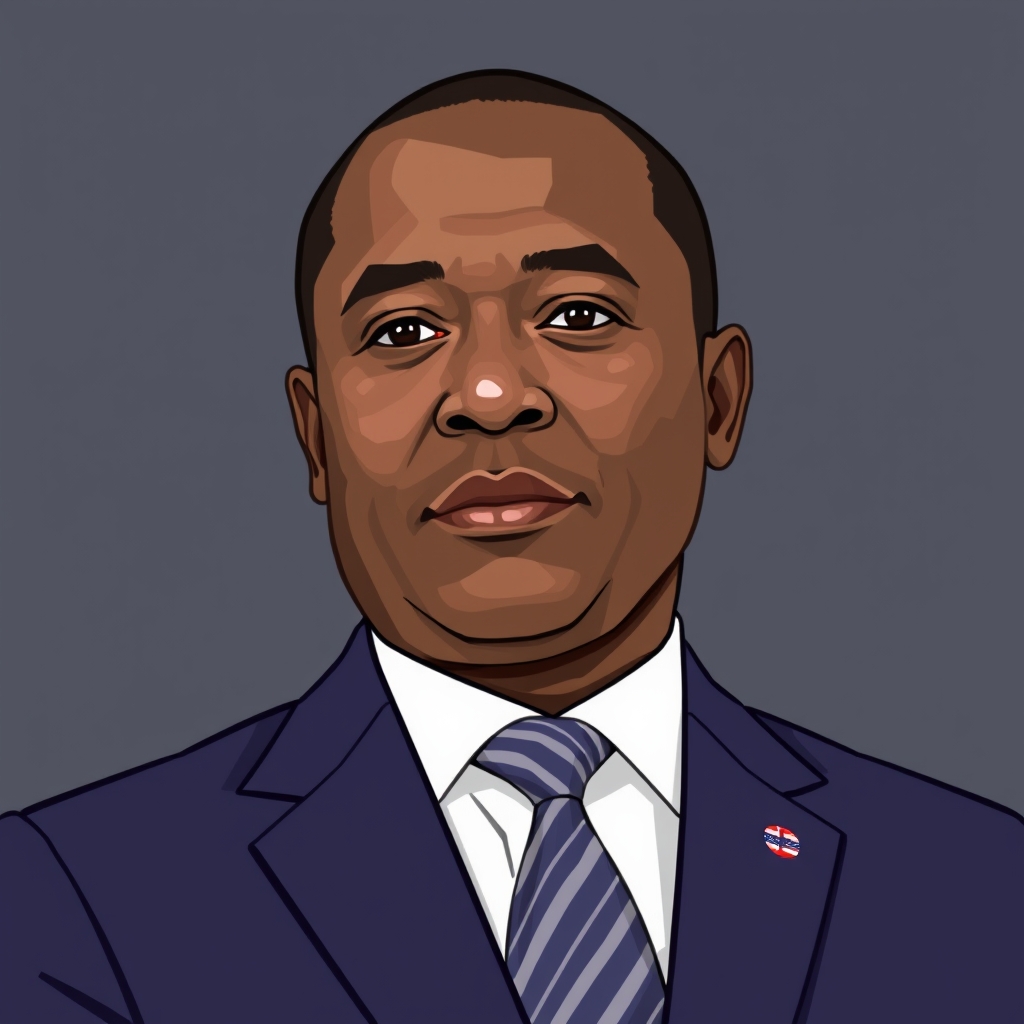
No players in this team.
Eric Nshimiye, a Rwandan-American, is on trial in the US for allegedly participating in the 1994 Rwandan genocide.
He denies the charges, claiming the evidence against him relies on unreliable eyewitness accounts.
*AI-generated summary of publicly available data. This is not an official statement of any party.
*AI-generated summary of publicly available statements and reporting. This is not an official statement of this party.
Supporters of US prosecutors argue that genocide accountability transcends borders, maintaining that US courts have a cultural duty to deny safe haven to alleged perpetrators.
Supporters of US prosecutors argue that cultural accountability for the 1994 genocide transcends borders, maintaining that US courts must hold Nshimiye responsible to honor victims' memory and prevent impunity.
Supporters of US prosecutors counter that cultural context cannot shield genocide suspects, since US law judges individual conduct, not Rwanda's history, and American courts have long weighed foreign atrocities without deferring to local institutions.
Supporters of US prosecutors argue that US law permits trying Nshimiye for genocide committed abroad, and that sovereignty requires holding him accountable in the country that granted him refuge.
Supporters of US prosecutors argue that US law grants jurisdiction over genocide committed abroad by a US resident, so Nshimiye's denials don't bar the case.
Supporters of US prosecutors counter that jurisdiction rests on Nshimiye's allegedly fraudulent US immigration conduct, not the 1994 acts, so the case concerns domestic fraud and immigration law, not Rwandan jurisdiction.
Supporters of US prosecutors argue that holding alleged génocidaires like Eric Nshimiye accountable serves deterrence and signals that US courts are a credible venue for atrocity crimes, regardless of eyewitness reliability disputes.
Supporters of US prosecutors argue that eyewitness testimony, however contested, remains the practical tool for accountability when no other evidence survives; they accept its flaws to secure convictions.
Supporters of US prosecutors counter that denying charges is leverage only if the court credits it; they note Rwandan tribunals already convicted Nshimiye in absentia, so contested witness accounts carry legal weight he cannot dismiss.
Supporters of US prosecutors argue that moral accountability for genocide transcends borders, so US courts must hold Nshimiye to answer for 1994 atrocities.
Supporters of US prosecutors argue that moral accountability demands Nshimiye face justice for genocide, regardless of decades or borders, so victims are not denied their day in court.
Supporters of US prosecutors counter that moral accountability for mass atrocity cannot hinge on perfect evidence, since survivors' testimony is often the only proof left when regimes destroy records.
Supporters of US prosecutors argue that justice for genocide is a sacred moral duty, citing scripture that the blood of the innocent cries out for accountability before God.
Supporters of US prosecutors argue that nations bear a God-given moral duty to pursue justice for genocide, invoking scripture that the innocent's blood cries out for accountability before divine law.
Supporters of US prosecutors counter that Scripture separates the righteous from the wicked at judgment, and that a single act of genocide, not a lifetime tally, seals one's moral standing before God.
*AI-generated summary of publicly available statements and reporting. This is not an official statement of this party.
Supporters of Eric Nshimiye argue that US courts should not relitigate Rwanda's 1994 tragedy decades later on eyewitness memory alone, contending that cultural and historical context belongs to Rwanda's own institutions, not foreign prosecutors.
Supporters of Eric Nshimiye argue that cultural continuity and communal memory in Rwanda are complex, and they question whether foreign courts can fairly judge events rooted in that society's inherited conflicts.
Supporters of Eric Nshimiye counter that American courts lack the cultural grounding to adjudicate Rwandan genocide cases, arguing that such matters belong to Rwanda's own reconciliation traditions rather than US judicial authority.
Supporters of Eric Nshimiye argue that US prosecutors lack jurisdiction over acts allegedly committed in Rwanda in 1994, and that due process demands reliable evidence, not untested eyewitness testimony.
Supporters of Eric Nshimiye argue that US courts lack jurisdiction over acts alleged in Rwanda in 1994, and that due process demands reliable evidence, not distant eyewitness testimony.
Supporters of Eric Nshimiye counter that domestic statutes cannot lawfully reach conduct occurring entirely abroad, and that universal jurisdiction claims stretch due process beyond what US law authorizes.
Supporters of Eric Nshimiye argue the US case rests on power and unreliable eyewitness testimony, not proof, so denying the charges is his only leverage against a prosecution built on contested accounts.
Supporters of Eric Nshimiye argue that US prosecutors built their case on unreliable eyewitness testimony, and that in a 1994 genocide's chaos, such evidence serves power and expedience more than truth.
Supporters of Eric Nshimiye counter that deterrence is a fiction when convictions rest on contested eyewitnesses; they argue prosecutors pursue the case for institutional credibility, not justice, and that a weakened verdict undermines the very deterrent signal claimed.
Supporters of Eric Nshimiye argue that eyewitness testimony alone cannot justify conviction, and that moral accountability demands evidence as rigorous as the gravity of the harm alleged.
Supporters of Eric Nshimiye argue that judging a man decades later on eyewitness memory alone risks a wrongful conviction, and that moral justice demands reliable evidence, not vengeance.
Supporters of Eric Nshimiye counter that moral accountability belongs to Rwanda's own courts and survivors, not US prosecutors, since the 1994 atrocities occurred on Rwandan soil.
Supporters of Eric Nshimiye argue that moral and religious accountability requires weighing his entire life, not just 1994 testimony; they maintain that witnesses' memories decades later, unexamined by a Rwandan court, cannot alone justify condemnation.
Supporters of Eric Nshimiye argue that religious traditions uphold due process and the presumption of innocence, so courts must not rest a genocide conviction on contested eyewitness testimony alone.
Supporters of Eric Nshimiye counter that Scripture also commands mercy and forbids vengeance, and that Nshimiye has long served as a pastor devoted to reconciliation, so they argue prosecution conflicts with the religious duty to forgive.
AI-generated summary of publicly available statements and reporting. This is not an official statement of this party.
Supporters of US prosecutors argue that genocide accountability transcends borders, maintaining that US courts have a cultural duty to deny safe haven to alleged perpetrators.
Supporters of US prosecutors argue that cultural accountability for the 1994 genocide transcends borders, maintaining that US courts must hold Nshimiye responsible to honor victims' memory and prevent impunity.
Supporters of US prosecutors counter that cultural context cannot shield genocide suspects, since US law judges individual conduct, not Rwanda's history, and American courts have long weighed foreign atrocities without deferring to local institutions.
Supporters of US prosecutors argue that US law permits trying Nshimiye for genocide committed abroad, and that sovereignty requires holding him accountable in the country that granted him refuge.
Supporters of US prosecutors argue that US law grants jurisdiction over genocide committed abroad by a US resident, so Nshimiye's denials don't bar the case.
Supporters of US prosecutors counter that jurisdiction rests on Nshimiye's allegedly fraudulent US immigration conduct, not the 1994 acts, so the case concerns domestic fraud and immigration law, not Rwandan jurisdiction.
Supporters of US prosecutors argue that holding alleged génocidaires like Eric Nshimiye accountable serves deterrence and signals that US courts are a credible venue for atrocity crimes, regardless of eyewitness reliability disputes.
Supporters of US prosecutors argue that eyewitness testimony, however contested, remains the practical tool for accountability when no other evidence survives; they accept its flaws to secure convictions.
Supporters of US prosecutors counter that denying charges is leverage only if the court credits it; they note Rwandan tribunals already convicted Nshimiye in absentia, so contested witness accounts carry legal weight he cannot dismiss.
Supporters of US prosecutors argue that moral accountability for genocide transcends borders, so US courts must hold Nshimiye to answer for 1994 atrocities.
Supporters of US prosecutors argue that moral accountability demands Nshimiye face justice for genocide, regardless of decades or borders, so victims are not denied their day in court.
Supporters of US prosecutors counter that moral accountability for mass atrocity cannot hinge on perfect evidence, since survivors' testimony is often the only proof left when regimes destroy records.
Supporters of US prosecutors argue that justice for genocide is a sacred moral duty, citing scripture that the blood of the innocent cries out for accountability before God.
Supporters of US prosecutors argue that nations bear a God-given moral duty to pursue justice for genocide, invoking scripture that the innocent's blood cries out for accountability before divine law.
Supporters of US prosecutors counter that Scripture separates the righteous from the wicked at judgment, and that a single act of genocide, not a lifetime tally, seals one's moral standing before God.
Supporters of Eric Nshimiye argue that US courts should not relitigate Rwanda's 1994 tragedy decades later on eyewitness memory alone, contending that cultural and historical context belongs to Rwanda's own institutions, not foreign prosecutors.
Supporters of Eric Nshimiye argue that cultural continuity and communal memory in Rwanda are complex, and they question whether foreign courts can fairly judge events rooted in that society's inherited conflicts.
Supporters of Eric Nshimiye counter that American courts lack the cultural grounding to adjudicate Rwandan genocide cases, arguing that such matters belong to Rwanda's own reconciliation traditions rather than US judicial authority.
Supporters of Eric Nshimiye argue that US prosecutors lack jurisdiction over acts allegedly committed in Rwanda in 1994, and that due process demands reliable evidence, not untested eyewitness testimony.
Supporters of Eric Nshimiye argue that US courts lack jurisdiction over acts alleged in Rwanda in 1994, and that due process demands reliable evidence, not distant eyewitness testimony.
Supporters of Eric Nshimiye counter that domestic statutes cannot lawfully reach conduct occurring entirely abroad, and that universal jurisdiction claims stretch due process beyond what US law authorizes.
Supporters of Eric Nshimiye argue the US case rests on power and unreliable eyewitness testimony, not proof, so denying the charges is his only leverage against a prosecution built on contested accounts.
Supporters of Eric Nshimiye argue that US prosecutors built their case on unreliable eyewitness testimony, and that in a 1994 genocide's chaos, such evidence serves power and expedience more than truth.
Supporters of Eric Nshimiye counter that deterrence is a fiction when convictions rest on contested eyewitnesses; they argue prosecutors pursue the case for institutional credibility, not justice, and that a weakened verdict undermines the very deterrent signal claimed.
Supporters of Eric Nshimiye argue that eyewitness testimony alone cannot justify conviction, and that moral accountability demands evidence as rigorous as the gravity of the harm alleged.
Supporters of Eric Nshimiye argue that judging a man decades later on eyewitness memory alone risks a wrongful conviction, and that moral justice demands reliable evidence, not vengeance.
Supporters of Eric Nshimiye counter that moral accountability belongs to Rwanda's own courts and survivors, not US prosecutors, since the 1994 atrocities occurred on Rwandan soil.
Supporters of Eric Nshimiye argue that moral and religious accountability requires weighing his entire life, not just 1994 testimony; they maintain that witnesses' memories decades later, unexamined by a Rwandan court, cannot alone justify condemnation.
Supporters of Eric Nshimiye argue that religious traditions uphold due process and the presumption of innocence, so courts must not rest a genocide conviction on contested eyewitness testimony alone.
Supporters of Eric Nshimiye counter that Scripture also commands mercy and forbids vengeance, and that Nshimiye has long served as a pastor devoted to reconciliation, so they argue prosecution conflicts with the religious duty to forgive.
The 1994 genocide in Rwanda in which Eric Nshimiye is accused of participating.