Nicolás Maduro

VS
US prosecutors
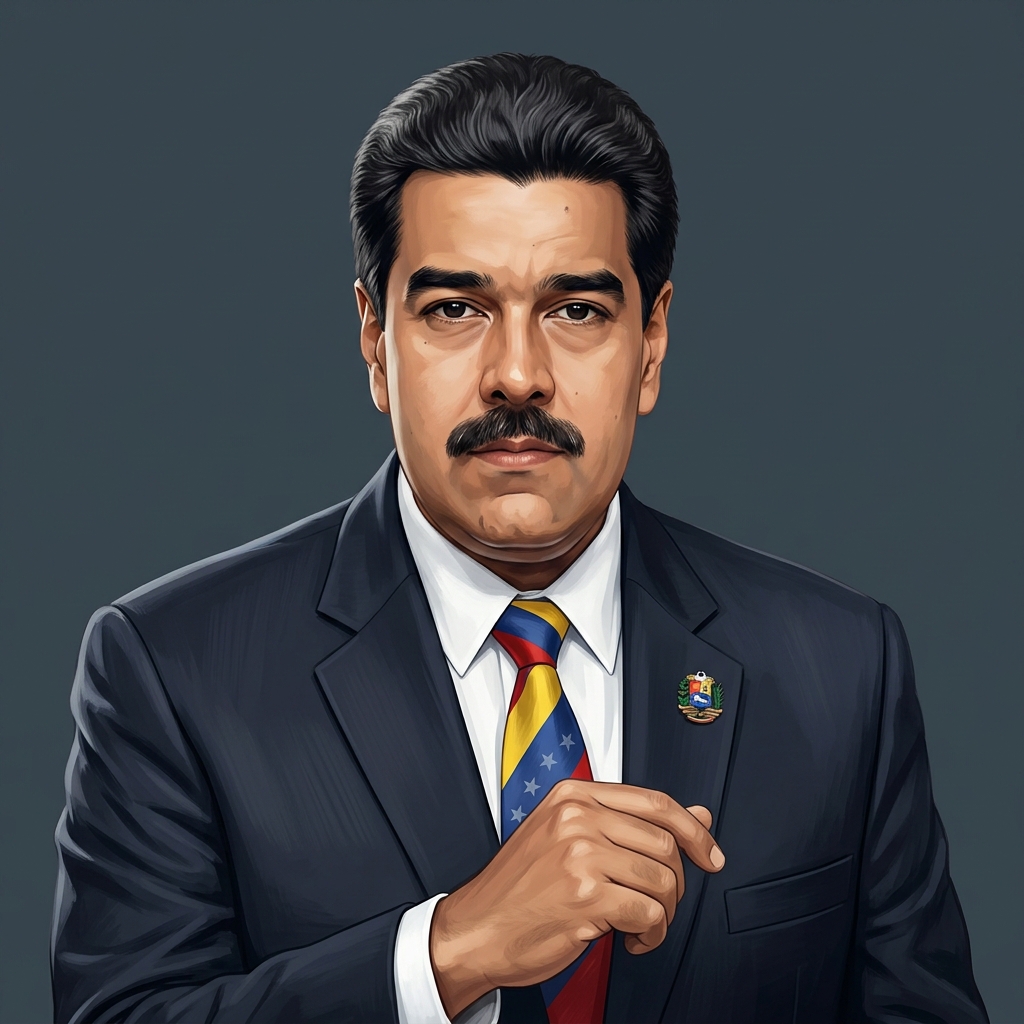
US media reports indicate that former Venezuelan President Nicolás Maduro and his wife are expected to face additional charges this week, accusing them of involvement in the torture of Americans in Venezuelan prisons.
The reported charges represent a further escalation of US legal action against Maduro.
*AI-generated summary of publicly available data. This is not an official statement of any party.
*AI-generated summary of publicly available statements and reporting. This is not an official statement of this party.
Supporters of Nicolás Maduro argue that US prosecutors have no jurisdiction over Venezuela's internal affairs, framing the charges as a cultural assault on national sovereignty and self-determination.
Supporters of Nicolás Maduro argue that US prosecutors' torture charges amount to cultural imperialism, claiming foreign courts have no legitimacy to judge Venezuela's sovereignty or its prisons.
Supporters of Nicolás Maduro counter that such tribunals reflect foreign cultural and legal norms, and that Venezuela's own sovereignty and legal traditions, not US prosecutors, define accountability for its leaders.
Supporters of Nicolás Maduro argue that US prosecutors lack jurisdiction to charge a foreign former head of state, calling the expected torture allegations a legally baseless escalation.
Supporters of Nicolás Maduro argue that US courts lack lawful jurisdiction over a foreign head of state, so any new torture charges are legally void.
Supporters of Nicolás Maduro counter that US courts lack jurisdiction, since treaty-based universal jurisdiction requires custodial consent or Security Council referral, neither of which exists here.
Supporters of Nicolás Maduro argue the torture charges are US legal theater: Washington escalates indictments to justify sanctions and pressure, not to seek justice.
Supporters of Nicolás Maduro argue the US charges are a political weapon, not justice: Washington escalates legal action to pressure a sovereign rival, since power, not evidence, drives the timing.
Supporters of Nicolás Maduro counter that US legal threats are hollow leverage: Washington's real aim is Venezuela's oil, and Maduro trades hostages for sanctions relief, not courtroom risk.
Supporters of Nicolás Maduro argue the torture charges are politically motivated, claiming the US uses its courts to punish leaders who defy its interests rather than pursue genuine justice.
Supporters of Nicolás Maduro argue that US prosecutors' charges are politically motivated, asserting that unilateral legal actions against a sovereign nation's former leader violate international norms of sovereignty and due process.
Supporters of Nicolás Maduro counter that moral accountability is selective: they argue US prosecutors ignore their own nation's torture record, so the charges reflect political vengeance, not justice.
Supporters of Nicolás Maduro argue that US prosecutors are wielding law as a weapon against a sovereign leader, and that only God, not a foreign court, holds rightful judgment over Venezuela's institutions.
Supporters of Nicolás Maduro argue the charges are a politically motivated attack on Venezuela's sovereignty, and they invoke the legacy of Bolívar to frame his defense as a sacred duty to the nation.
Supporters of Nicolás Maduro counter that Scripture reserves judgment to God alone, and that foreign courts invoking it to try a sovereign leader usurp divine authority for political ends.
*AI-generated summary of publicly available statements and reporting. This is not an official statement of this party.
Supporters of US prosecutors argue that long-standing cultural norms against official torture demand accountability, invoking postwar tribunals that tried leaders for abuses regardless of rank.
Supporters of US prosecutors frame the charges as a cultural reckoning, arguing that holding foreign leaders accountable for torture signals that sovereign power cannot shield cruelty.
Supporters of US prosecutors counter that drug trafficking charges target conduct, not culture, and that the 1988 Vienna Convention obligations Venezuela itself ratified long predate any sovereignty dispute.
Supporters of US prosecutors argue that universal jurisdiction and treaty obligations permit holding Maduro accountable for alleged torture of Americans, treating these charges as a lawful extension of international human-rights enforcement.
Supporters of US prosecutors argue the expected charges rest on universal jurisdiction and treaty obligations, maintaining that torture of detained Americans is a legal matter for US courts regardless of Maduro's office.
Supporters of US prosecutors counter that under the Convention Against Torture, jurisdiction attaches wherever an alleged torturer is found, and that head-of-state immunity does not shield conduct classified as torture under international law.
Supporters of US prosecutors argue the charges are leverage, not just law: they signal that US courts can reach Maduro and raise the cost of holding Americans, trading legal risk for political pressure.
Supporters of US prosecutors argue the charges are leverage, not just justice: pressure Maduro's inner circle, signal impunity has a price, and force defections.
Supporters of US prosecutors counter that the timing cuts the other way: indictments followed Maduro's consolidation of power, not preceded it, suggesting Washington reacted to leverage already lost rather than manufactured a pretext.
Supporters of US prosecutors argue that moral accountability demands pursuing charges against Maduro, maintaining that torturing Americans in Venezuelan prisons cannot go unpunished regardless of political fallout.
Supporters of US prosecutors argue that holding Maduro accountable for the alleged torture of Americans reflects a moral duty to defend human dignity and basic human rights, regardless of political power.
Supporters of US prosecutors counter that some crimes are so grave—torture among them—that no political motive of the accuser can erase the victims' moral claim to justice.
Supporters of US prosecutors argue that pursuing charges against Maduro reflects a moral duty to hold rulers accountable for cruelty, invoking scripture's call for justice against those who oppress the innocent.
Supporters of US prosecutors argue that holding Maduro accountable for torturing Americans reflects a moral duty rooted in justice, echoing the biblical call that the wicked not go unpunished.
Supporters of US prosecutors counter that scripture commands obedience to governing authorities and that Romans 13 affirms God ordains civil justice, so indicting Maduro for narco-terrorism enforces, rather than usurps, divine law.
AI-generated summary of publicly available statements and reporting. This is not an official statement of this party.
Supporters of Nicolás Maduro argue that US prosecutors have no jurisdiction over Venezuela's internal affairs, framing the charges as a cultural assault on national sovereignty and self-determination.
Supporters of Nicolás Maduro argue that US prosecutors' torture charges amount to cultural imperialism, claiming foreign courts have no legitimacy to judge Venezuela's sovereignty or its prisons.
Supporters of Nicolás Maduro counter that such tribunals reflect foreign cultural and legal norms, and that Venezuela's own sovereignty and legal traditions, not US prosecutors, define accountability for its leaders.
Supporters of Nicolás Maduro argue that US prosecutors lack jurisdiction to charge a foreign former head of state, calling the expected torture allegations a legally baseless escalation.
Supporters of Nicolás Maduro argue that US courts lack lawful jurisdiction over a foreign head of state, so any new torture charges are legally void.
Supporters of Nicolás Maduro counter that US courts lack jurisdiction, since treaty-based universal jurisdiction requires custodial consent or Security Council referral, neither of which exists here.
Supporters of Nicolás Maduro argue the torture charges are US legal theater: Washington escalates indictments to justify sanctions and pressure, not to seek justice.
Supporters of Nicolás Maduro argue the US charges are a political weapon, not justice: Washington escalates legal action to pressure a sovereign rival, since power, not evidence, drives the timing.
Supporters of Nicolás Maduro counter that US legal threats are hollow leverage: Washington's real aim is Venezuela's oil, and Maduro trades hostages for sanctions relief, not courtroom risk.
Supporters of Nicolás Maduro argue the torture charges are politically motivated, claiming the US uses its courts to punish leaders who defy its interests rather than pursue genuine justice.
Supporters of Nicolás Maduro argue that US prosecutors' charges are politically motivated, asserting that unilateral legal actions against a sovereign nation's former leader violate international norms of sovereignty and due process.
Supporters of Nicolás Maduro counter that moral accountability is selective: they argue US prosecutors ignore their own nation's torture record, so the charges reflect political vengeance, not justice.
Supporters of Nicolás Maduro argue that US prosecutors are wielding law as a weapon against a sovereign leader, and that only God, not a foreign court, holds rightful judgment over Venezuela's institutions.
Supporters of Nicolás Maduro argue the charges are a politically motivated attack on Venezuela's sovereignty, and they invoke the legacy of Bolívar to frame his defense as a sacred duty to the nation.
Supporters of Nicolás Maduro counter that Scripture reserves judgment to God alone, and that foreign courts invoking it to try a sovereign leader usurp divine authority for political ends.
Supporters of US prosecutors argue that long-standing cultural norms against official torture demand accountability, invoking postwar tribunals that tried leaders for abuses regardless of rank.
Supporters of US prosecutors frame the charges as a cultural reckoning, arguing that holding foreign leaders accountable for torture signals that sovereign power cannot shield cruelty.
Supporters of US prosecutors counter that drug trafficking charges target conduct, not culture, and that the 1988 Vienna Convention obligations Venezuela itself ratified long predate any sovereignty dispute.
Supporters of US prosecutors argue that universal jurisdiction and treaty obligations permit holding Maduro accountable for alleged torture of Americans, treating these charges as a lawful extension of international human-rights enforcement.
Supporters of US prosecutors argue the expected charges rest on universal jurisdiction and treaty obligations, maintaining that torture of detained Americans is a legal matter for US courts regardless of Maduro's office.
Supporters of US prosecutors counter that under the Convention Against Torture, jurisdiction attaches wherever an alleged torturer is found, and that head-of-state immunity does not shield conduct classified as torture under international law.
Supporters of US prosecutors argue the charges are leverage, not just law: they signal that US courts can reach Maduro and raise the cost of holding Americans, trading legal risk for political pressure.
Supporters of US prosecutors argue the charges are leverage, not just justice: pressure Maduro's inner circle, signal impunity has a price, and force defections.
Supporters of US prosecutors counter that the timing cuts the other way: indictments followed Maduro's consolidation of power, not preceded it, suggesting Washington reacted to leverage already lost rather than manufactured a pretext.
Supporters of US prosecutors argue that moral accountability demands pursuing charges against Maduro, maintaining that torturing Americans in Venezuelan prisons cannot go unpunished regardless of political fallout.
Supporters of US prosecutors argue that holding Maduro accountable for the alleged torture of Americans reflects a moral duty to defend human dignity and basic human rights, regardless of political power.
Supporters of US prosecutors counter that some crimes are so grave—torture among them—that no political motive of the accuser can erase the victims' moral claim to justice.
Supporters of US prosecutors argue that pursuing charges against Maduro reflects a moral duty to hold rulers accountable for cruelty, invoking scripture's call for justice against those who oppress the innocent.
Supporters of US prosecutors argue that holding Maduro accountable for torturing Americans reflects a moral duty rooted in justice, echoing the biblical call that the wicked not go unpunished.
Supporters of US prosecutors counter that scripture commands obedience to governing authorities and that Romans 13 affirms God ordains civil justice, so indicting Maduro for narco-terrorism enforces, rather than usurps, divine law.
New charges are expected this week accusing Maduro and his wife of playing a role in the torture of Americans in Venezuelan prisons.