US Republicans

VS
Protesters
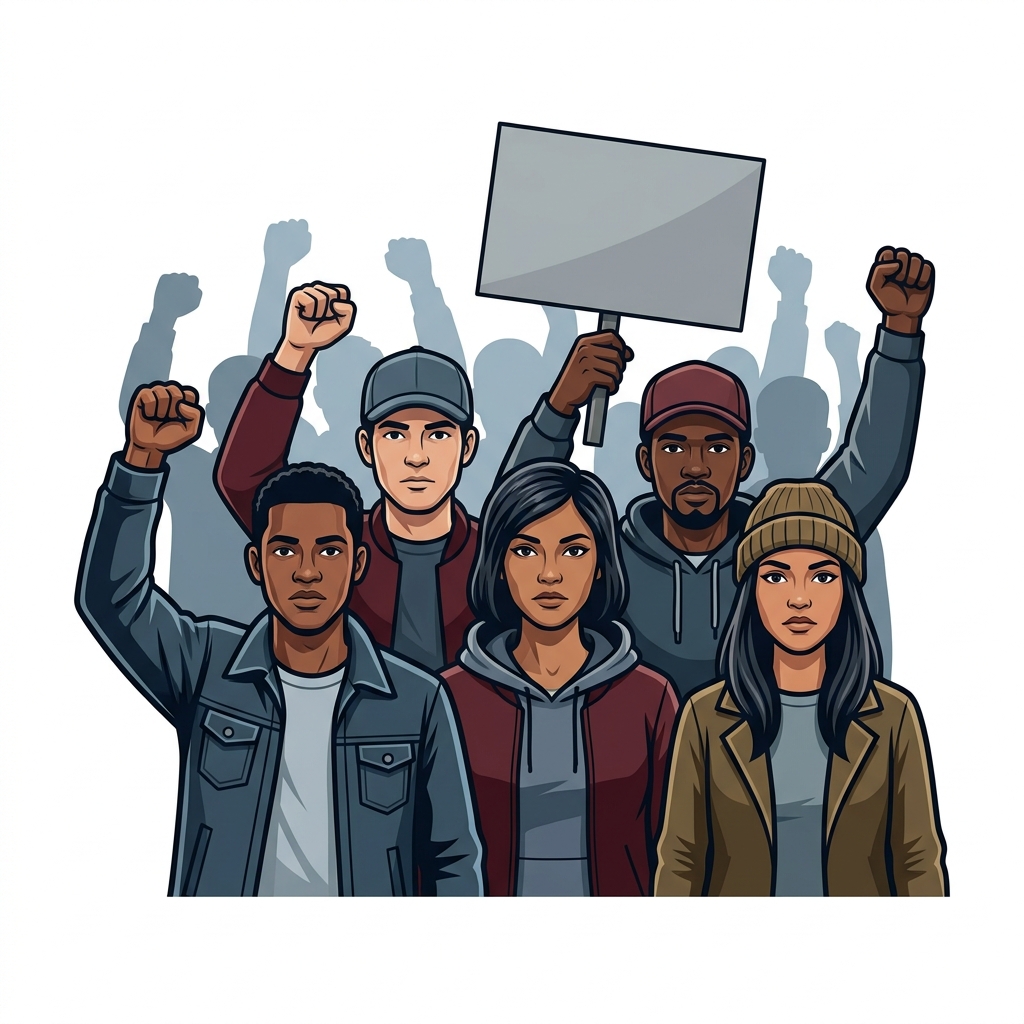
US Republicans are members and supporters of the Republican Party, one of the two major political parties in the United States.
In September 2026, the party held a midterm convention in Dallas, Texas, to rally its base ahead of the upcoming legislative elections.
Protesters are individuals and groups who gathered near the Republican midterm convention in Dallas to demonstrate against President Donald Trump and Republican policies.
Their presence outside the event reflected opposition to the party's agenda as Republicans sought to mobilize supporters for the elections.
The clash highlights broader tensions in American politics, where protests and counter-mobilizations have become a recurring feature of the electoral landscape.
Surveys indicate that Americans hold differing views on recent protests, with Democrats more likely than Republicans to describe them as peaceful and hopeful.
*AI-generated summary of publicly available data. This is not an official statement of any party.
*AI-generated summary of publicly available statements and reporting. This is not an official statement of this party.
Supporters of US Republicans argue the Dallas convention affirms a national identity rooted in shared civic tradition, treating the protesters outside as a reminder that sovereignty and cultural cohesion must be defended at the ballot box.
Supporters of US Republicans argue the Dallas convention affirmed a cultural identity rooted in national pride and law-and-order values, framing the protests as a rejection of that shared heritage.
Supporters of US Republicans counter that the Dallas convention embodies a distinct cultural tradition of patriotic assembly, where citizens honor national symbols and elected representatives, a civic ritual they see as equally deserving of respect.
Supporters of US Republicans argue that the party has a legal right to assemble and campaign at its Dallas convention, and that protesters must exercise their own rights without disrupting a permitted political event.
Supporters of US Republicans argue that peaceful protest is a protected legal right, but that demonstrators outside the Dallas convention must still obey local permits, curfews, and trespass laws, which they say apply equally to all groups.
Supporters of US Republicans counter that First Amendment assembly rights are not absolute and can be restricted by reasonable time, place, and manner rules, so the Dallas convention can lawfully require permits, set security perimeters, and limit proximity for safety.
Supporters of US Republicans argue the Dallas protesters handed them a useful foil, letting the convention frame midterms as order versus chaos and rally their base.
Supporters of US Republicans argue the Dallas protest is a gift: it lets the party cast itself as the defender of order against chaos, riling the base and dominating coverage at no cost.
Supporters of US Republicans counter that disruption hands them the optics they want: it lets them cast the convention as besieged by chaos, rallying their base and donors while costing protesters public sympathy.
Supporters of US Republicans argue that their Dallas convention was a lawful exercise of free assembly and speech, and that protesters outside hold the same right; they maintain both sides' expression deserves equal protection under the law.
Supporters of US Republicans argue that their Dallas convention was a lawful exercise of free assembly and speech, and that protesters outside hold the same right. They maintain that both sides expressing views peacefully reflects fair democratic debate.
Supporters of US Republicans counter that moral duty runs both ways: dissent voiced outside the convention cannot override the delegates' equal claim to be heard, and orderly participation, not disruption, is what gives excluded citizens a real voice.
Supporters of US Republicans argue that the party defends faith, family, and moral order against protesters whose agenda erodes religious tradition and social stability.
Supporters of US Republicans argue that faith and family are the bedrock of the nation, and that their convention affirms the moral order protesters outside seek to unsettle.
Supporters of US Republicans counter that Scripture also commands obedience to governing authorities as divinely instituted, so religious conviction can counsel patience and order rather than protest.
*AI-generated summary of publicly available statements and reporting. This is not an official statement of this party.
Supporters of the Protesters argue that taking to the streets outside the Dallas convention defends a living civic tradition of dissent, insisting that inherited norms of free assembly matter more than any single party's electoral rally.
Supporters of the protesters argue that gathering outside the Dallas convention defends local cultural traditions and community stability against outsiders' agenda.
Supporters of the Protesters counter that a civic tradition defined by exclusion is no shared tradition at all; they argue cultural cohesion built on silencing dissent erodes the very institutions it claims to defend.
Supporters of the protesters argue that assembling outside the Dallas convention falls under First Amendment protections, citing the right to peaceably assemble and petition the government as legal grounds for their demonstration.
Supporters of the Protesters argue that assembling outside the Dallas convention is protected political speech under the First Amendment, and that no permit or partisan agreement is required to voice dissent peaceably.
Supporters of Protesters counter that Dallas police and courts have repeatedly found permitting rules applied unevenly, citing lawsuits where protest zones were pushed blocks from the convention despite a permitted march route.
Supporters of the protesters argue that street-level disruption outside the Dallas convention is leverage: it forces media coverage and signals to Republicans that their base-rally spectacle carries a visible political cost.
Supporters of the protesters argue that a convention rallying Republican power is best answered by visible street pressure, since attention, not persuasion, is the currency that shifts incentives.
Supporters of Protesters counter that chaos is the foil both sides crave: disruption forces overreach, and each heavy-handed response recruits more bodies than any orderly message could.
Supporters of the Protesters argue that showing up outside the convention is a moral duty, since dissent is the voice of citizens excluded from power.
Supporters of the protesters argue that showing up outside the convention is a moral duty, insisting dissent must be visible when power gathers.
Supporters of Protesters counter that equal protection rings hollow when Dallas police met lawful assembly with tear gas and mass arrests, arguing the moral test is whether both sides face the same batons, not the same paper rights.
Supporters of the protesters argue that scriptural calls for justice and care for the marginalized compel them to speak against policies they see as harming the vulnerable.
Supporters of the protesters argue that faithful witness requires speaking truth to power, citing scripture's call to defend the oppressed and welcome the stranger as a moral duty outside the convention.
Supporters of Protesters counter that scripture itself commands justice and care for the stranger, so defending faith cannot mean rejecting those protesting for it.
AI-generated summary of publicly available statements and reporting. This is not an official statement of this party.
Supporters of US Republicans argue the Dallas convention affirms a national identity rooted in shared civic tradition, treating the protesters outside as a reminder that sovereignty and cultural cohesion must be defended at the ballot box.
Supporters of US Republicans argue the Dallas convention affirmed a cultural identity rooted in national pride and law-and-order values, framing the protests as a rejection of that shared heritage.
Supporters of US Republicans counter that the Dallas convention embodies a distinct cultural tradition of patriotic assembly, where citizens honor national symbols and elected representatives, a civic ritual they see as equally deserving of respect.
Supporters of US Republicans argue that the party has a legal right to assemble and campaign at its Dallas convention, and that protesters must exercise their own rights without disrupting a permitted political event.
Supporters of US Republicans argue that peaceful protest is a protected legal right, but that demonstrators outside the Dallas convention must still obey local permits, curfews, and trespass laws, which they say apply equally to all groups.
Supporters of US Republicans counter that First Amendment assembly rights are not absolute and can be restricted by reasonable time, place, and manner rules, so the Dallas convention can lawfully require permits, set security perimeters, and limit proximity for safety.
Supporters of US Republicans argue the Dallas protesters handed them a useful foil, letting the convention frame midterms as order versus chaos and rally their base.
Supporters of US Republicans argue the Dallas protest is a gift: it lets the party cast itself as the defender of order against chaos, riling the base and dominating coverage at no cost.
Supporters of US Republicans counter that disruption hands them the optics they want: it lets them cast the convention as besieged by chaos, rallying their base and donors while costing protesters public sympathy.
Supporters of US Republicans argue that their Dallas convention was a lawful exercise of free assembly and speech, and that protesters outside hold the same right; they maintain both sides' expression deserves equal protection under the law.
Supporters of US Republicans argue that their Dallas convention was a lawful exercise of free assembly and speech, and that protesters outside hold the same right. They maintain that both sides expressing views peacefully reflects fair democratic debate.
Supporters of US Republicans counter that moral duty runs both ways: dissent voiced outside the convention cannot override the delegates' equal claim to be heard, and orderly participation, not disruption, is what gives excluded citizens a real voice.
Supporters of US Republicans argue that the party defends faith, family, and moral order against protesters whose agenda erodes religious tradition and social stability.
Supporters of US Republicans argue that faith and family are the bedrock of the nation, and that their convention affirms the moral order protesters outside seek to unsettle.
Supporters of US Republicans counter that Scripture also commands obedience to governing authorities as divinely instituted, so religious conviction can counsel patience and order rather than protest.
Supporters of the Protesters argue that taking to the streets outside the Dallas convention defends a living civic tradition of dissent, insisting that inherited norms of free assembly matter more than any single party's electoral rally.
Supporters of the protesters argue that gathering outside the Dallas convention defends local cultural traditions and community stability against outsiders' agenda.
Supporters of the Protesters counter that a civic tradition defined by exclusion is no shared tradition at all; they argue cultural cohesion built on silencing dissent erodes the very institutions it claims to defend.
Supporters of the protesters argue that assembling outside the Dallas convention falls under First Amendment protections, citing the right to peaceably assemble and petition the government as legal grounds for their demonstration.
Supporters of the Protesters argue that assembling outside the Dallas convention is protected political speech under the First Amendment, and that no permit or partisan agreement is required to voice dissent peaceably.
Supporters of Protesters counter that Dallas police and courts have repeatedly found permitting rules applied unevenly, citing lawsuits where protest zones were pushed blocks from the convention despite a permitted march route.
Supporters of the protesters argue that street-level disruption outside the Dallas convention is leverage: it forces media coverage and signals to Republicans that their base-rally spectacle carries a visible political cost.
Supporters of the protesters argue that a convention rallying Republican power is best answered by visible street pressure, since attention, not persuasion, is the currency that shifts incentives.
Supporters of Protesters counter that chaos is the foil both sides crave: disruption forces overreach, and each heavy-handed response recruits more bodies than any orderly message could.
Supporters of the Protesters argue that showing up outside the convention is a moral duty, since dissent is the voice of citizens excluded from power.
Supporters of the protesters argue that showing up outside the convention is a moral duty, insisting dissent must be visible when power gathers.
Supporters of Protesters counter that equal protection rings hollow when Dallas police met lawful assembly with tear gas and mass arrests, arguing the moral test is whether both sides face the same batons, not the same paper rights.
Supporters of the protesters argue that scriptural calls for justice and care for the marginalized compel them to speak against policies they see as harming the vulnerable.
Supporters of the protesters argue that faithful witness requires speaking truth to power, citing scripture's call to defend the oppressed and welcome the stranger as a moral duty outside the convention.
Supporters of Protesters counter that scripture itself commands justice and care for the stranger, so defending faith cannot mean rejecting those protesting for it.
The Republican midterm convention took place in Dallas, Texas, wrapping up with protests on the final night.
PRRI's survey found that two-thirds of Americans (67%) believe political leaders' failure to condemn violent rhetoric contributes a lot to political violence.
A YouGov survey found that many Americans describe recent protests as peaceful, angry, or serious, with Democrats more likely than Republicans to characterize them as peaceful and hopeful.