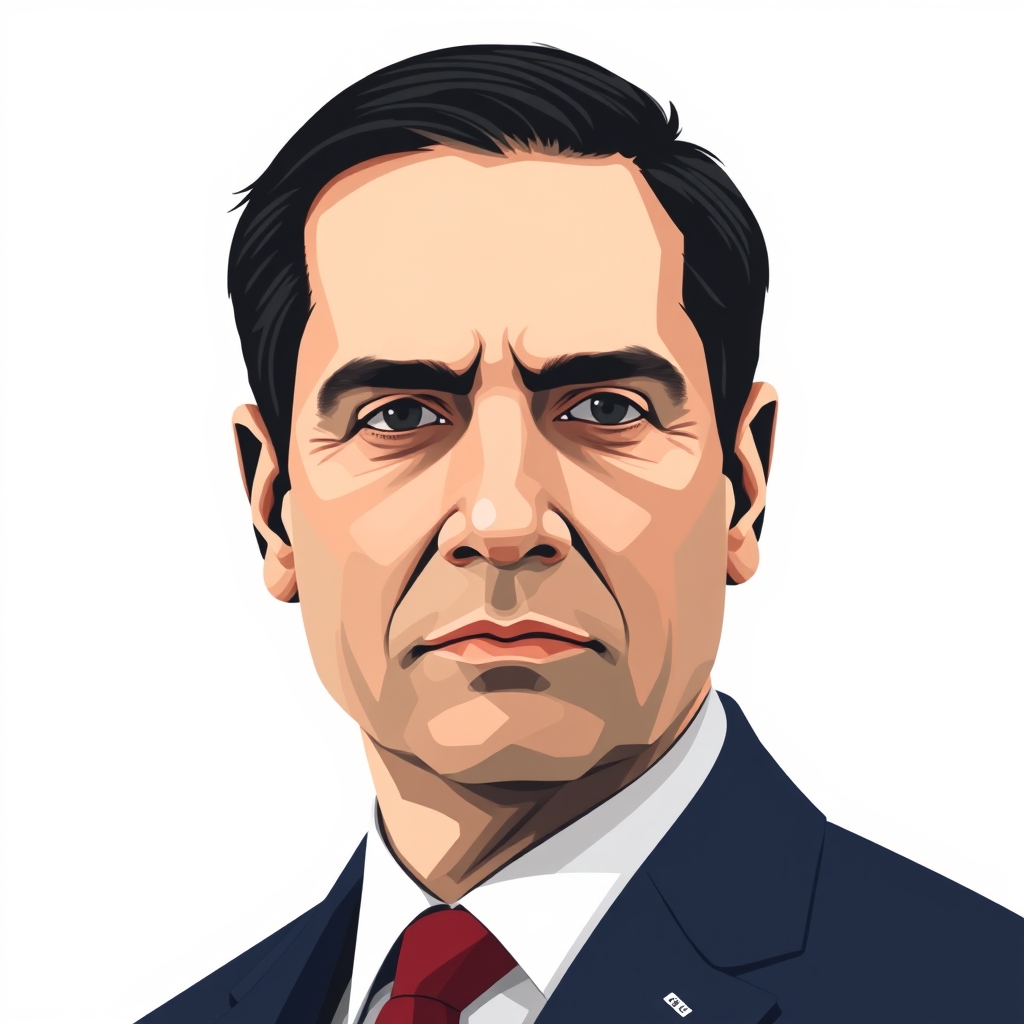
US Secretary of State Marco Rubio
VS
Russian authorities
An employee at an anti-plague institute in Irkutsk died from pneumonia, and Russian authorities say the death is still being investigated.
US Secretary of State Marco Rubio has called on Russia to be transparent about its findings.
*AI-generated summary of publicly available data. This is not an official statement of any party.
*AI-generated summary of publicly available statements and reporting. This is not an official statement of this party.
Supporters of US Secretary of State Marco Rubio argue that Russia's opacity around the Irkutsk death reflects a deeper cultural disregard for accountability, and that transparency is a universal expectation, not a Western imposition.
Supporters of Marco Rubio argue that sovereign nations owe the world candor when deadly pathogens are involved, and that Russia's refusal to disclose findings at Irkutsk reflects a culture of secrecy that endangers global health.
Supporters of Marco Rubio counter that cultural preference cannot justify concealment when outbreaks cross borders; they argue sovereignty includes a duty of transparency to the international community.
Supporters of Marco Rubio argue international health law requires Russia to disclose findings from the Irkutsk death, citing transparency duties under the Biological Weapons Convention and global health regulations.
Supporters of Marco Rubio argue that international health regulations obligate Russia to disclose findings from the Irkutsk death, and that transparency is a legal duty, not a diplomatic courtesy.
Supporters of Secretary Rubio counter that treaty-based mutual legal assistance obligations bind Russia regardless of sovereignty claims, so refusal to disclose is a breach of international legal commitments.
Supporters of Marco Rubio argue that demanding transparency on the Irkutsk death is leverage: it forces Russia to reveal biological research details, and refusal itself signals concealment—useful pressure regardless of the truth.
Supporters of Marco Rubio argue that demanding transparency is leverage: it forces Russia to reveal its biodefense capacity or expose its opacity, either way serving US interests.
Supporters of Rubio counter that opacity invites worse: adversaries already hold leverage, so Moscow's internal probe only hides failures while ceding the narrative to outsiders.
Supporters of Marco Rubio argue that transparency after a suspicious pneumonia death is a moral duty, since public health risks cross borders and Russia's opacity endangers global trust.
Supporters of US Secretary of State Marco Rubio argue that transparency about a death at an anti-plague institute is a moral duty owed to the global community, since public health risks do not stop at borders.
Supporters of US Secretary of State Marco Rubio counter that sovereignty cannot shield grave abuses; they argue that moral accountability to victims, not just citizens, transcends borders when lives and justice are at stake.
Supporters of Marco Rubio argue that transparency reflects a moral duty rooted in the sanctity of human life, and that Russia's silence after the Irkutsk death betrays the trust owed to families and the wider community.
Supporters of Marco Rubio argue that transparency reflects a moral duty owed to the dead and their neighbors, and that Russia's silence in Irkutsk betrays the trust that ordered communities place in authority.
Supporters of Secretary Rubio counter that moral duty answers to God, not the state, so no national law can license concealment of biodefense findings that threaten neighbor nations.
*AI-generated summary of publicly available statements and reporting. This is not an official statement of this party.
Supporters of Russian authorities argue that Soviet-era institutions historically handled sensitive outbreaks with internal discretion, so transparency demands from outsiders ignore Russia's cultural preference for controlled, state-led disclosure.
Supporters of Russian authorities argue that Russia's long tradition of sovereign scientific institutions means findings are released only once verified, and they point to past outbreaks where premature disclosure abroad caused unwarranted panic.
Supporters of Russian authorities counter that Russia's information culture historically favors state-managed disclosure over adversarial press scrutiny, so restricted reporting on Irkutsk reflects differing civic norms, not a universal disregard for accountability.
Supporters of Russian authorities argue that a sovereign state's internal investigation is a legal matter, and external demands for disclosure from the US lack jurisdictional basis.
Supporters of Russian authorities argue that, absent treaty obligations compelling disclosure, Russia holds sovereign legal authority over its internal investigations and owes no transparency to foreign officials.
Supporters of Russian authorities counter that the Biological Weapons Convention imposes no binding enforcement or disclosure mechanism, leaving verification to voluntary cooperation among sovereign states.
Supporters of Russian authorities argue transparency invites foreign leverage; they maintain that a probe kept internal preserves sovereign control over biosecurity data Rubio seeks.
Supporters of Russian authorities argue transparency is a concession: since Rubio's demand serves US leverage, they maintain that disclosing probe details before verification would only invite pressure, not truth.
Supporters of Russian authorities counter that transparency demands are leverage for Washington, not truth; Moscow sees disclosure as handing a rival strategic advantage, so silence protects state interests regardless of facts.
Supporters of Russian authorities argue that a pending investigation deserves privacy, not foreign pressure, insisting sovereign states owe transparency to their own citizens first, not to Washington's moral demands.
Supporters of Russian authorities argue that presuming misconduct before an investigation concludes is unjust, and that sovereign states may release findings on their own terms once facts are verified.
Supporters of Russian authorities counter that sovereignty imposes its own moral duty: a state answers first to its own citizens, not to foreign demands for disclosure, and external pressure for transparency can itself undermine public trust.
Supporters of Russian authorities argue that preserving sovereign control over sensitive biodefense findings is a moral duty, and that transparency claims must respect national law rather than outside pressure.
Supporters of Russian authorities maintain that investigating the Irkutsk death is a matter of sovereign governance, and that calls for transparency should respect Russia's lawful process rather than presume hidden wrongdoing.
Supporters of Russian authorities counter that sovereignty and order are themselves divinely ordained, and that a state's duty to preserve stability can outweigh demands for disclosure in matters still under investigation.
AI-generated summary of publicly available statements and reporting. This is not an official statement of this party.
Supporters of US Secretary of State Marco Rubio argue that Russia's opacity around the Irkutsk death reflects a deeper cultural disregard for accountability, and that transparency is a universal expectation, not a Western imposition.
Supporters of Marco Rubio argue that sovereign nations owe the world candor when deadly pathogens are involved, and that Russia's refusal to disclose findings at Irkutsk reflects a culture of secrecy that endangers global health.
Supporters of Marco Rubio counter that cultural preference cannot justify concealment when outbreaks cross borders; they argue sovereignty includes a duty of transparency to the international community.
Supporters of Marco Rubio argue international health law requires Russia to disclose findings from the Irkutsk death, citing transparency duties under the Biological Weapons Convention and global health regulations.
Supporters of Marco Rubio argue that international health regulations obligate Russia to disclose findings from the Irkutsk death, and that transparency is a legal duty, not a diplomatic courtesy.
Supporters of Secretary Rubio counter that treaty-based mutual legal assistance obligations bind Russia regardless of sovereignty claims, so refusal to disclose is a breach of international legal commitments.
Supporters of Marco Rubio argue that demanding transparency on the Irkutsk death is leverage: it forces Russia to reveal biological research details, and refusal itself signals concealment—useful pressure regardless of the truth.
Supporters of Marco Rubio argue that demanding transparency is leverage: it forces Russia to reveal its biodefense capacity or expose its opacity, either way serving US interests.
Supporters of Rubio counter that opacity invites worse: adversaries already hold leverage, so Moscow's internal probe only hides failures while ceding the narrative to outsiders.
Supporters of Marco Rubio argue that transparency after a suspicious pneumonia death is a moral duty, since public health risks cross borders and Russia's opacity endangers global trust.
Supporters of US Secretary of State Marco Rubio argue that transparency about a death at an anti-plague institute is a moral duty owed to the global community, since public health risks do not stop at borders.
Supporters of US Secretary of State Marco Rubio counter that sovereignty cannot shield grave abuses; they argue that moral accountability to victims, not just citizens, transcends borders when lives and justice are at stake.
Supporters of Marco Rubio argue that transparency reflects a moral duty rooted in the sanctity of human life, and that Russia's silence after the Irkutsk death betrays the trust owed to families and the wider community.
Supporters of Marco Rubio argue that transparency reflects a moral duty owed to the dead and their neighbors, and that Russia's silence in Irkutsk betrays the trust that ordered communities place in authority.
Supporters of Secretary Rubio counter that moral duty answers to God, not the state, so no national law can license concealment of biodefense findings that threaten neighbor nations.
Supporters of Russian authorities argue that Soviet-era institutions historically handled sensitive outbreaks with internal discretion, so transparency demands from outsiders ignore Russia's cultural preference for controlled, state-led disclosure.
Supporters of Russian authorities argue that Russia's long tradition of sovereign scientific institutions means findings are released only once verified, and they point to past outbreaks where premature disclosure abroad caused unwarranted panic.
Supporters of Russian authorities counter that Russia's information culture historically favors state-managed disclosure over adversarial press scrutiny, so restricted reporting on Irkutsk reflects differing civic norms, not a universal disregard for accountability.
Supporters of Russian authorities argue that a sovereign state's internal investigation is a legal matter, and external demands for disclosure from the US lack jurisdictional basis.
Supporters of Russian authorities argue that, absent treaty obligations compelling disclosure, Russia holds sovereign legal authority over its internal investigations and owes no transparency to foreign officials.
Supporters of Russian authorities counter that the Biological Weapons Convention imposes no binding enforcement or disclosure mechanism, leaving verification to voluntary cooperation among sovereign states.
Supporters of Russian authorities argue transparency invites foreign leverage; they maintain that a probe kept internal preserves sovereign control over biosecurity data Rubio seeks.
Supporters of Russian authorities argue transparency is a concession: since Rubio's demand serves US leverage, they maintain that disclosing probe details before verification would only invite pressure, not truth.
Supporters of Russian authorities counter that transparency demands are leverage for Washington, not truth; Moscow sees disclosure as handing a rival strategic advantage, so silence protects state interests regardless of facts.
Supporters of Russian authorities argue that a pending investigation deserves privacy, not foreign pressure, insisting sovereign states owe transparency to their own citizens first, not to Washington's moral demands.
Supporters of Russian authorities argue that presuming misconduct before an investigation concludes is unjust, and that sovereign states may release findings on their own terms once facts are verified.
Supporters of Russian authorities counter that sovereignty imposes its own moral duty: a state answers first to its own citizens, not to foreign demands for disclosure, and external pressure for transparency can itself undermine public trust.
Supporters of Russian authorities argue that preserving sovereign control over sensitive biodefense findings is a moral duty, and that transparency claims must respect national law rather than outside pressure.
Supporters of Russian authorities maintain that investigating the Irkutsk death is a matter of sovereign governance, and that calls for transparency should respect Russia's lawful process rather than presume hidden wrongdoing.
Supporters of Russian authorities counter that sovereignty and order are themselves divinely ordained, and that a state's duty to preserve stability can outweigh demands for disclosure in matters still under investigation.
The death of an employee at an anti-plague institute in Irkutsk is still being looked into, the authorities said. US Secretary of State Marco Rubio called for Russia to be transparent about its findings.