US Senate committee

VS
Anthony Fauci
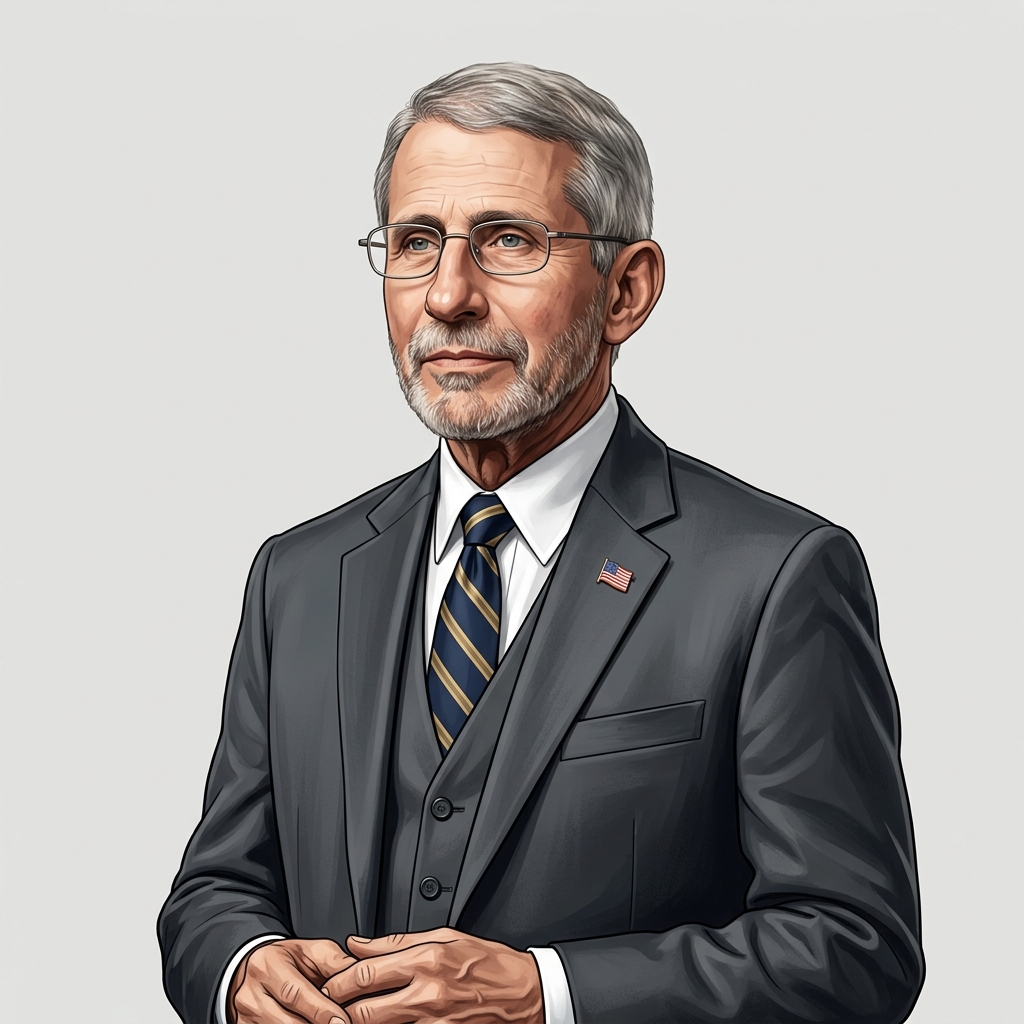
The US Senate Homeland Security and Governmental Affairs Committee is a congressional panel responsible for overseeing government operations and investigating matters of national security.
Dr.
Anthony Fauci is a former top health official who served as the director of the National Institute of Allergy and Infectious Diseases and was a key figure in the US response to the Covid-19 pandemic.
The committee, led by Republican members, has sought to hold Fauci accountable for his handling of the pandemic, particularly regarding transparency and the origins of the virus.
Fauci has refused to answer certain questions, invoking his Fifth Amendment right against self-incrimination.
Committee Chairman Senator Rand Paul argued that Fauci was not entitled to this protection because he had previously received a federal immunity, leading to a partisan clash over the scope of congressional oversight and Fauci's legal obligations.
The dispute has escalated to the committee voting to hold Fauci in contempt of Congress, a formal accusation that he has obstructed the committee's work.
This action refers the matter for possible prosecution, underscoring the high stakes of the conflict over pandemic accountability and the limits of executive privilege.
*AI-generated summary of publicly available data. This is not an official statement of any party.
*AI-generated summary of publicly available statements and reporting. This is not an official statement of this party.
Supporters of the US Senate committee argue that Fauci's refusal to testify mirrors a historical pattern of officials shielding pandemic decisions from public scrutiny, a break from past accountability norms.
Supporters of the US Senate committee argue that Fauci’s refusal to testify reflects a cultural shift away from public accountability, breaking with precedent where officials answer to Congress. They maintain that this contempt vote is a historical echo of oversight traditions,.
Supporters of the US Senate committee counter that institutional norms have historically favored accountability over expert deference, citing past hearings where officials faced scrutiny as a cultural safeguard of democratic oversight.
Supporters of the US Senate committee argue that contempt of Congress is a lawful tool to enforce subpoenas, and Fauci's refusal to testify obstructs oversight, setting a legal precedent that undermines congressional accountability.
Supporters of the US Senate committee argue that Congress's legal authority to compel testimony is undermined when a witness withholds answers, and contempt referral is the lawful remedy for Dr. Fauci's refusal to comply with a subpoena, regardless of his public standing.
Supporters of the US Senate committee counter that executive privilege is not absolute, and Fauci’s personal testimony on public health decisions falls outside its scope, as committees hold constitutional oversight authority to compel such evidence.
Supporters of the US Senate committee argue that contempt is the only lever forcing Fauci's testimony, since voluntary compliance failed twice; they maintain that public officials must answer to subpoenas or lose all oversight power.
Supporters of the US Senate committee argue the contempt vote is raw leverage, not legal purity: forcing Fauci into a corner signals that unaccountable expertise yields to institutional power. They maintain his refusal to testify reads as privilege, and the referral is a.
Supporters of the US Senate committee counter that the contempt votes are a calculated assertion of institutional leverage, not theater, exposing Fauci’s deference to political patrons over legal duty; legacy shields no one from subpoena power.
Supporters of the Senate committee argue that Fauci's refusal to answer questions violates a moral duty of public accountability, as no citizen is above the law's demand for transparency.
Supporters of the US Senate committee argue that public officials owe citizens full transparency, and Fauci's refusal to answer undermines the moral duty of accountability.
Supporters of the US Senate committee counter that fair process demands accountability, not evasion; a witness’s legal caution cannot override the public’s moral right to transparency from a public servant.
Supporters of the US Senate committee hold that Dr. Fauci’s refusal to answer subverts the God-given order of lawful accountability, for Scripture demands obedience to governing authorities.
Supporters of the US Senate committee argue that holding Anthony Fauci accountable upholds the sacred duty of truthfulness, as Scripture commands that leaders answer for their stewardship before governing authorities.
Supporters of the US Senate committee counter that truth-telling before Caesar is itself a sacred duty, citing Proverbs’ call to speak justice openly, and that public accountability, not silence, honors the divine mandate.
*AI-generated summary of publicly available statements and reporting. This is not an official statement of this party.
Supporters of Anthony Fauci argue that the contempt votes reflect a breakdown of institutional norms, where a career public servant’s testimony is weighed against partisan theater rather than the cultural value of expert continuity.
Supporters of Anthony Fauci maintain that his refusal reflects a defense of institutional protocol, prioritizing the stability of public health norms over political theater.
Supporters of Anthony Fauci counter that congressional testimony is a political ritual, not a cultural safeguard, and that his scientific counsel to three presidents embodies the enduring norm of expert-led public health stewardship, which the committee’s spectacle undermines.
Supporters of Anthony Fauci argue that his refusal stems from a valid legal objection, not defiance, as executive privilege and confidentiality rules shield his advisory communications with the White House from compelled disclosure.
Supporters of Anthony Fauci argue that his refusal to answer stems from legal protections for executive branch employees and that the contempt vote misuses legal process for partisan pressure.
Supporters of Anthony Fauci counter that contempt citations are procedural, not substantive, and that his offer to provide written testimony satisfies oversight without a legally mandated public hearing. They argue the committee’s demand exceeds statutory subpoena scope, and.
Supporters of Anthony Fauci argue the contempt votes are pure political theater, a power play by senators seeking scapegoats rather than truth. They maintain Fauci's refusals reflect institutional constraints, not evasion, and that his legacy shields him from partisan.
Supporters of Anthony Fauci argue the contempt votes are a political power play, not accountability, since the Senate committee already possesses the pandemic records and seeks a public spectacle.
Supporters of Anthony Fauci counter that the committee’s contempt threat is political theater, not oversight—Fauci already offered private testimony and written answers, which the Senate rejected to stage a public spectacle. They argue the real leverage lies in public opinion,.
Supporters of Anthony Fauci argue that holding him in contempt for refusing to answer questions undermines the moral duty of fair process, as his testimony would be shaped by legal constraints rather than political pressure.
Supporters of Anthony Fauci argue that holding him in contempt for declining to answer questions during a politically charged inquiry undermines the moral duty of fair process, as his record of public service should not be weaponized in a partisan clash.
Supporters of Anthony Fauci counter that a moral duty of public accountability must yield to the higher ethical obligation of protecting scientific integrity and public health, as forcing premature testimony risks distorting complex pandemic decisions for political theater, not.
Supporters of Anthony Fauci argue that his refusal stems from a moral duty to serve truth over political theater, citing scripture's call to render unto Caesar only what is justly Caesar's.
Supporters of Anthony Fauci argue that his refusal reflects a principled stand for truth over political spectacle, citing scripture on bearing false witness. They maintain that contempt proceedings, not Fauci, violate the biblical call for honest inquiry and mercy in judgment.
Supporters of Anthony Fauci counter that Scripture also commands truth-telling over institutional loyalty, and that conscience before God supersedes political summons when scientific integrity is at stake.
AI-generated summary of publicly available statements and reporting. This is not an official statement of this party.
Supporters of the US Senate committee argue that Fauci's refusal to testify mirrors a historical pattern of officials shielding pandemic decisions from public scrutiny, a break from past accountability norms.
Supporters of the US Senate committee argue that Fauci’s refusal to testify reflects a cultural shift away from public accountability, breaking with precedent where officials answer to Congress. They maintain that this contempt vote is a historical echo of oversight traditions,.
Supporters of the US Senate committee counter that institutional norms have historically favored accountability over expert deference, citing past hearings where officials faced scrutiny as a cultural safeguard of democratic oversight.
Supporters of the US Senate committee argue that contempt of Congress is a lawful tool to enforce subpoenas, and Fauci's refusal to testify obstructs oversight, setting a legal precedent that undermines congressional accountability.
Supporters of the US Senate committee argue that Congress's legal authority to compel testimony is undermined when a witness withholds answers, and contempt referral is the lawful remedy for Dr. Fauci's refusal to comply with a subpoena, regardless of his public standing.
Supporters of the US Senate committee counter that executive privilege is not absolute, and Fauci’s personal testimony on public health decisions falls outside its scope, as committees hold constitutional oversight authority to compel such evidence.
Supporters of the US Senate committee argue that contempt is the only lever forcing Fauci's testimony, since voluntary compliance failed twice; they maintain that public officials must answer to subpoenas or lose all oversight power.
Supporters of the US Senate committee argue the contempt vote is raw leverage, not legal purity: forcing Fauci into a corner signals that unaccountable expertise yields to institutional power. They maintain his refusal to testify reads as privilege, and the referral is a.
Supporters of the US Senate committee counter that the contempt votes are a calculated assertion of institutional leverage, not theater, exposing Fauci’s deference to political patrons over legal duty; legacy shields no one from subpoena power.
Supporters of the Senate committee argue that Fauci's refusal to answer questions violates a moral duty of public accountability, as no citizen is above the law's demand for transparency.
Supporters of the US Senate committee argue that public officials owe citizens full transparency, and Fauci's refusal to answer undermines the moral duty of accountability.
Supporters of the US Senate committee counter that fair process demands accountability, not evasion; a witness’s legal caution cannot override the public’s moral right to transparency from a public servant.
Supporters of the US Senate committee hold that Dr. Fauci’s refusal to answer subverts the God-given order of lawful accountability, for Scripture demands obedience to governing authorities.
Supporters of the US Senate committee argue that holding Anthony Fauci accountable upholds the sacred duty of truthfulness, as Scripture commands that leaders answer for their stewardship before governing authorities.
Supporters of the US Senate committee counter that truth-telling before Caesar is itself a sacred duty, citing Proverbs’ call to speak justice openly, and that public accountability, not silence, honors the divine mandate.
Supporters of Anthony Fauci argue that the contempt votes reflect a breakdown of institutional norms, where a career public servant’s testimony is weighed against partisan theater rather than the cultural value of expert continuity.
Supporters of Anthony Fauci maintain that his refusal reflects a defense of institutional protocol, prioritizing the stability of public health norms over political theater.
Supporters of Anthony Fauci counter that congressional testimony is a political ritual, not a cultural safeguard, and that his scientific counsel to three presidents embodies the enduring norm of expert-led public health stewardship, which the committee’s spectacle undermines.
Supporters of Anthony Fauci argue that his refusal stems from a valid legal objection, not defiance, as executive privilege and confidentiality rules shield his advisory communications with the White House from compelled disclosure.
Supporters of Anthony Fauci argue that his refusal to answer stems from legal protections for executive branch employees and that the contempt vote misuses legal process for partisan pressure.
Supporters of Anthony Fauci counter that contempt citations are procedural, not substantive, and that his offer to provide written testimony satisfies oversight without a legally mandated public hearing. They argue the committee’s demand exceeds statutory subpoena scope, and.
Supporters of Anthony Fauci argue the contempt votes are pure political theater, a power play by senators seeking scapegoats rather than truth. They maintain Fauci's refusals reflect institutional constraints, not evasion, and that his legacy shields him from partisan.
Supporters of Anthony Fauci argue the contempt votes are a political power play, not accountability, since the Senate committee already possesses the pandemic records and seeks a public spectacle.
Supporters of Anthony Fauci counter that the committee’s contempt threat is political theater, not oversight—Fauci already offered private testimony and written answers, which the Senate rejected to stage a public spectacle. They argue the real leverage lies in public opinion,.
Supporters of Anthony Fauci argue that holding him in contempt for refusing to answer questions undermines the moral duty of fair process, as his testimony would be shaped by legal constraints rather than political pressure.
Supporters of Anthony Fauci argue that holding him in contempt for declining to answer questions during a politically charged inquiry undermines the moral duty of fair process, as his record of public service should not be weaponized in a partisan clash.
Supporters of Anthony Fauci counter that a moral duty of public accountability must yield to the higher ethical obligation of protecting scientific integrity and public health, as forcing premature testimony risks distorting complex pandemic decisions for political theater, not.
Supporters of Anthony Fauci argue that his refusal stems from a moral duty to serve truth over political theater, citing scripture's call to render unto Caesar only what is justly Caesar's.
Supporters of Anthony Fauci argue that his refusal reflects a principled stand for truth over political spectacle, citing scripture on bearing false witness. They maintain that contempt proceedings, not Fauci, violate the biblical call for honest inquiry and mercy in judgment.
Supporters of Anthony Fauci counter that Scripture also commands truth-telling over institutional loyalty, and that conscience before God supersedes political summons when scientific integrity is at stake.
Republicans on the Senate Homeland Security Committee voted to hold Anthony Fauci in contempt of Congress after he refused to answer their questions, citing his Fifth Amendment rights.
The Senate committee held Dr. Anthony Fauci in contempt of Congress for refusing to testify on Covid-19 origins.
Anthony Fauci appeared before the Senate Homeland Security Committee, where he invoked the Fifth Amendment and refused to answer certain questions about his handling of the Covid-19 pandemic.
The Senate Health Committee voted to hold Fauci in contempt of Congress for refusing to answer questions.
The committee voted to refer Fauci for possible prosecution for refusing to answer questions about his Covid-19 handling.