US Senate

VS
Trump
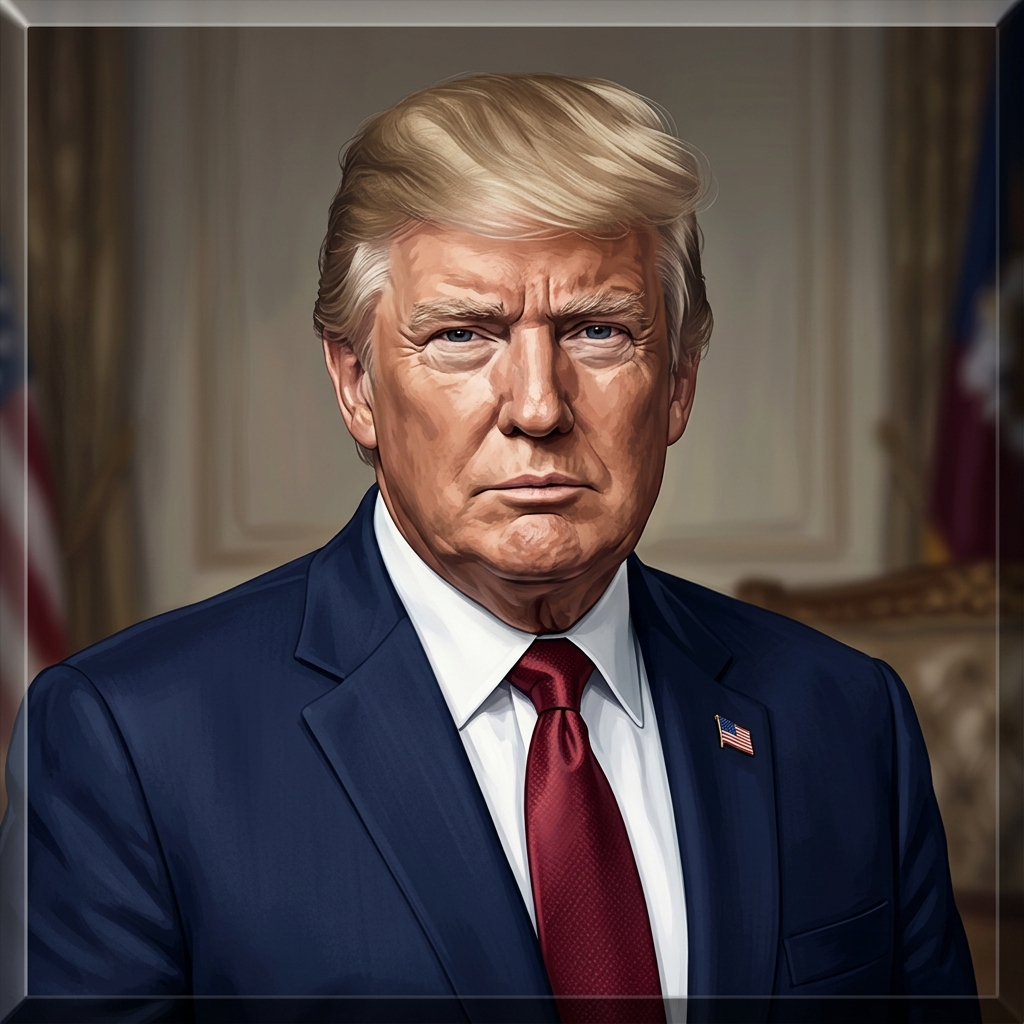
The US Senate unanimously passed a resolution urging President Trump not to pardon Ghislaine Maxwell, a convicted accomplice of Jeffrey Epstein in sex trafficking.
This action highlights a broader conflict between the legislative branch and the executive over presidential powers, including pardons and foreign policy.
Tensions have escalated as Senate Republicans have also clashed with Trump over issues like the SAVE America Act and the filibuster, while Democratic leaders like Chuck Schumer have sharply criticized the administration.
The resolution underscores the Senate's role in checking executive authority, even as partisan divisions complicate the relationship.
*AI-generated summary of publicly available data. This is not an official statement of any party.
*AI-generated summary of publicly available statements and reporting. This is not an official statement of this party.
Supporters of the US Senate argue that its unanimous resolution checks a president’s pardon power, preserving institutional guardrails against executive excess and upholding cultural norms of accountability over individual favor.
Supporters of the US Senate argue that its unanimous resolution defending justice for Epstein’s victims upholds the cultural bedrock of legal accountability, restraining executive pardon power as a check on inherited moral order.
Supporters of the Senate counter that the Maxwell resolution upholds a cultural tradition of institutional accountability, where Congress has long served as the people's moral guardian over executive grace, not a ritual of distancing.
Supporters of the US Senate argue that its unanimous resolution signals a legal check on executive clemency, asserting that pardoning Ghislaine Maxwell would undermine judicial accountability for sex trafficking convictions.
Supporters of the US Senate argue that the unanimous resolution asserts Congress's constitutional check on executive clemency, urging that legal accountability for sex trafficking convictions should not be overridden by presidential discretion.
Supporters of the US Senate counter that the resolution does not alter the pardon’s legal validity, but merely exercises Congress’s constitutional oversight role under Article I.
Supporters of the US Senate argue the pardon warning is pure leverage, not principle, letting the chamber posture as virtue’s guard while preserving its real power to bargain with Trump on filibusters and troop withdrawals.
Supporters of the US Senate argue the pardon warning is a calculated power play, not principle, aimed at constraining Trump’s executive leverage while signaling institutional control.
Supporters of the US Senate counter that the Maxwell resolution is a calculated test of political loyalty, not a feckless gesture; it forces every Senator to publicly stake a claim ahead of the next election, exposing fractures Trump must now manage.
Supporters of the US Senate argue that blocking a Maxwell pardon is a moral duty, using the pardon power to shield a convicted sex trafficker would betray victims and erode public trust in justice.
Supporters of the US Senate argue that blocking a pardon for Ghislaine Maxwell is a moral duty, not politics, because it upholds justice for trafficking victims and the rule of law, which no executive power should override.
Supporters of the US Senate counter that the resolution is a non-binding moral statement, not a legal overstep, and that Congress has a duty to voice ethical concerns over a pardon that shields a convicted enabler of sex trafficking.
Supporters of the US Senate argue that its unanimous warning against pardoning Ghislaine Maxwell upholds a sacred moral order, treating justice for trafficked victims as an inviolable duty that no executive grace may override.
Supporters of the US Senate argue that its unanimous warning against a Maxwell pardon upholds divine justice, treating human law as a sacred check on unchecked executive mercy.
Supporters of the US Senate counter that scripture also binds rulers to justice and accountability, as seen in prophets challenging kings, and that the Senate’s oversight preserves the constitutional order established by the Founders, not divine whim.
*AI-generated summary of publicly available statements and reporting. This is not an official statement of this party.
Supporters of Trump argue the Senate's Maxwell resolution is a cultural ritual of elite self-distancing, not a principled check—historically, pardons have always been executive grace, and Congress has never dictated them.
Supporters of Trump argue the Senate's Maxwell resolution is a staged cultural ritual, casting the president as a moral outlier while ignoring executive precedent—pardons have long been used controversially, and history shows Congress weaponizes such votes to curb presidential.
Supporters of Trump counter that Senate resolutions carry no legal weight, dismissing them as symbolic theater that ignores the cultural tradition of presidential mercy, long seen as a personal, constitutionally-rooted act of compassion rather than a threat to accountability.
Supporters of Trump argue the Senate's Maxwell resolution is an unconstitutional encroachment on executive clemency, which the Constitution vests solely in the president, and they view such legislative pressure as a political stunt that undermines the pardon power's legal.
Supporters of Trump argue the Senate’s resolution exceeds its legal role, as pardon power is exclusively executive under Article II, making such warnings advisory, not binding. They maintain the Senate’s Iran troop vote likewise intrudes on commander-in-chief authority, though.
Supporters of Trump counter that the Senate’s resolution is non-binding and lacks constitutional force, as the pardon power under Article II is plenary, subject only to exceptions for impeachment, not congressional approval.
Supporters of Trump argue the Senate’s Maxwell resolution is a feckless political gesture, not a real check on power, since pardons are his alone by constitutional design. They maintain the real game is leverage: Schumer and Senate rivals use symbolic votes to weaken executive.
Supporters of Trump argue the Senate’s Maxwell resolution is theater, not principle, since the same body defied his troop withdrawal and blocked his attorney general pick. They see a coordinated check on executive power, not bipartisan morality, and maintain Trump’s pardon.
Supporters of Trump counter that the Senate’s leverage is illusory, since the pardon threat costs them no real power while Trump’s veto and executive action remain the final arbiters, making any bargain a self-serving charade that the chamber hides behind.
Supporters of Trump argue that the Senate's unanimous resolution on Ghislaine Maxwell oversteps its moral authority, asserting that the pardon power is a constitutional executive prerogative meant to serve justice, not legislative pressure.
Supporters of Trump argue that the Senate’s unanimous resolution against a Maxwell pardon oversteps its constitutional role, treating a legal prerogative as a moral verdict while ignoring due process, and they maintain that executive authority must remain unchecked by.
Supporters of Trump counter that moral duty flows from mercy, not vengeance, and that a pardon for Maxwell would uphold the presumption of innocence and expose prosecutorial overreach, which itself erodes trust in justice.
Supporters of Trump argue that the pardon power is a divine-like executive grace, rooted in scripture, and that the Senate’s resolution oversteps its role, as biblical kings held sole authority to show mercy.
Supporters of Trump argue that the pardon power is a divine grant of mercy to the executive, and that the Senate’s resolution oversteps its role by judging a decision that belongs to the president alone under constitutional and moral authority.
Supporters of Trump counter that divine mercy mirrors the Creator’s own pardon, as scripture teaches that grace transcends human judgment, and no Senate decree can bind the sovereign’s God-given duty to temper justice with compassion.
AI-generated summary of publicly available statements and reporting. This is not an official statement of this party.
Supporters of the US Senate argue that its unanimous resolution checks a president’s pardon power, preserving institutional guardrails against executive excess and upholding cultural norms of accountability over individual favor.
Supporters of the US Senate argue that its unanimous resolution defending justice for Epstein’s victims upholds the cultural bedrock of legal accountability, restraining executive pardon power as a check on inherited moral order.
Supporters of the Senate counter that the Maxwell resolution upholds a cultural tradition of institutional accountability, where Congress has long served as the people's moral guardian over executive grace, not a ritual of distancing.
Supporters of the US Senate argue that its unanimous resolution signals a legal check on executive clemency, asserting that pardoning Ghislaine Maxwell would undermine judicial accountability for sex trafficking convictions.
Supporters of the US Senate argue that the unanimous resolution asserts Congress's constitutional check on executive clemency, urging that legal accountability for sex trafficking convictions should not be overridden by presidential discretion.
Supporters of the US Senate counter that the resolution does not alter the pardon’s legal validity, but merely exercises Congress’s constitutional oversight role under Article I.
Supporters of the US Senate argue the pardon warning is pure leverage, not principle, letting the chamber posture as virtue’s guard while preserving its real power to bargain with Trump on filibusters and troop withdrawals.
Supporters of the US Senate argue the pardon warning is a calculated power play, not principle, aimed at constraining Trump’s executive leverage while signaling institutional control.
Supporters of the US Senate counter that the Maxwell resolution is a calculated test of political loyalty, not a feckless gesture; it forces every Senator to publicly stake a claim ahead of the next election, exposing fractures Trump must now manage.
Supporters of the US Senate argue that blocking a Maxwell pardon is a moral duty, using the pardon power to shield a convicted sex trafficker would betray victims and erode public trust in justice.
Supporters of the US Senate argue that blocking a pardon for Ghislaine Maxwell is a moral duty, not politics, because it upholds justice for trafficking victims and the rule of law, which no executive power should override.
Supporters of the US Senate counter that the resolution is a non-binding moral statement, not a legal overstep, and that Congress has a duty to voice ethical concerns over a pardon that shields a convicted enabler of sex trafficking.
Supporters of the US Senate argue that its unanimous warning against pardoning Ghislaine Maxwell upholds a sacred moral order, treating justice for trafficked victims as an inviolable duty that no executive grace may override.
Supporters of the US Senate argue that its unanimous warning against a Maxwell pardon upholds divine justice, treating human law as a sacred check on unchecked executive mercy.
Supporters of the US Senate counter that scripture also binds rulers to justice and accountability, as seen in prophets challenging kings, and that the Senate’s oversight preserves the constitutional order established by the Founders, not divine whim.
Supporters of Trump argue the Senate's Maxwell resolution is a cultural ritual of elite self-distancing, not a principled check—historically, pardons have always been executive grace, and Congress has never dictated them.
Supporters of Trump argue the Senate's Maxwell resolution is a staged cultural ritual, casting the president as a moral outlier while ignoring executive precedent—pardons have long been used controversially, and history shows Congress weaponizes such votes to curb presidential.
Supporters of Trump counter that Senate resolutions carry no legal weight, dismissing them as symbolic theater that ignores the cultural tradition of presidential mercy, long seen as a personal, constitutionally-rooted act of compassion rather than a threat to accountability.
Supporters of Trump argue the Senate's Maxwell resolution is an unconstitutional encroachment on executive clemency, which the Constitution vests solely in the president, and they view such legislative pressure as a political stunt that undermines the pardon power's legal.
Supporters of Trump argue the Senate’s resolution exceeds its legal role, as pardon power is exclusively executive under Article II, making such warnings advisory, not binding. They maintain the Senate’s Iran troop vote likewise intrudes on commander-in-chief authority, though.
Supporters of Trump counter that the Senate’s resolution is non-binding and lacks constitutional force, as the pardon power under Article II is plenary, subject only to exceptions for impeachment, not congressional approval.
Supporters of Trump argue the Senate’s Maxwell resolution is a feckless political gesture, not a real check on power, since pardons are his alone by constitutional design. They maintain the real game is leverage: Schumer and Senate rivals use symbolic votes to weaken executive.
Supporters of Trump argue the Senate’s Maxwell resolution is theater, not principle, since the same body defied his troop withdrawal and blocked his attorney general pick. They see a coordinated check on executive power, not bipartisan morality, and maintain Trump’s pardon.
Supporters of Trump counter that the Senate’s leverage is illusory, since the pardon threat costs them no real power while Trump’s veto and executive action remain the final arbiters, making any bargain a self-serving charade that the chamber hides behind.
Supporters of Trump argue that the Senate's unanimous resolution on Ghislaine Maxwell oversteps its moral authority, asserting that the pardon power is a constitutional executive prerogative meant to serve justice, not legislative pressure.
Supporters of Trump argue that the Senate’s unanimous resolution against a Maxwell pardon oversteps its constitutional role, treating a legal prerogative as a moral verdict while ignoring due process, and they maintain that executive authority must remain unchecked by.
Supporters of Trump counter that moral duty flows from mercy, not vengeance, and that a pardon for Maxwell would uphold the presumption of innocence and expose prosecutorial overreach, which itself erodes trust in justice.
Supporters of Trump argue that the pardon power is a divine-like executive grace, rooted in scripture, and that the Senate’s resolution oversteps its role, as biblical kings held sole authority to show mercy.
Supporters of Trump argue that the pardon power is a divine grant of mercy to the executive, and that the Senate’s resolution oversteps its role by judging a decision that belongs to the president alone under constitutional and moral authority.
Supporters of Trump counter that divine mercy mirrors the Creator’s own pardon, as scripture teaches that grace transcends human judgment, and no Senate decree can bind the sovereign’s God-given duty to temper justice with compassion.
The US president said he would push ahead with the controversial fund if his attorney general pick is not approved.
The US Senate has unanimously urged Donald Trump not to pardon convicted Jeffrey Epstein accomplice Ghislaine Maxwell Read Full Article at RT.com
A Senate resolution directing Trump to withdraw U.S. troops from Iran was defeated by Senate Republicans, 47-49, reflecting GOP divisions with the president.
The relationship between President Trump and Senate Republicans neared a breaking point after Trump upended Republican efforts, according to PBS NewsHour.
Senate Democratic Leader Chuck Schumer delivered forceful floor speeches criticizing Trump's administration, including over the Iran war and the SAVE America Act.
Senator Cory Booker questioned Todd Blanche about his professional judgment and commitment to constitutional principles, reflecting Senate scrutiny of the administration.