US State Department

VS
Ibrahim Charara
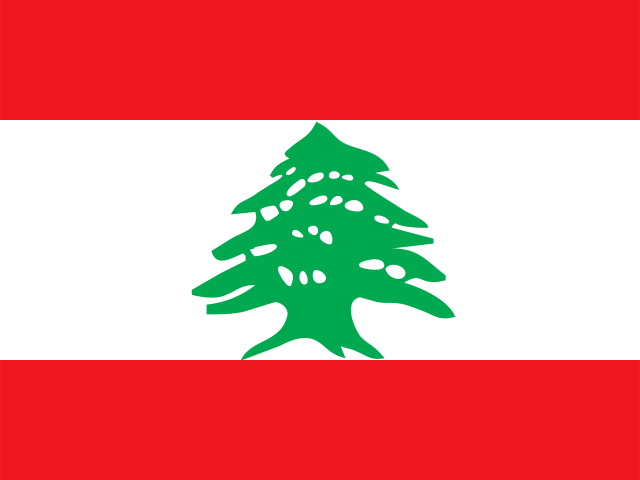
US Secretary of State Marco Rubio ordered Lebanon's consul general in Detroit, Ibrahim Charara, to leave the country over his praise of Hezbollah.
The article reports the US action against the Lebanese diplomat.
*AI-generated summary of publicly available data. This is not an official statement of any party.
*AI-generated summary of publicly available statements and reporting. This is not an official statement of this party.
Supporters of the US State Department argue that a diplomat's public praise of Hezbollah crosses a cultural line, since host nations have long expected envoys to respect local norms and designated groups.
Supporters of the US State Department argue that a diplomat's open praise of Hezbollah breaks the cultural norm of diplomatic restraint, and that host nations have historically expected envoys to respect local political sensitivities.
Supporters of the US State Department counter that diplomatic courtesy has never shielded speech endorsing an armed group, a norm traceable to the Cold War practice of expelling envoys whose cultural outreach doubled as propaganda.
Supporters of the US State Department argue that a host state may lawfully declare a foreign consul persona non grata under the Vienna Convention, so Charara's removal is a valid exercise of that sovereign right.
Supporters of the US State Department argue that a host state may lawfully withdraw its consent for a foreign consul, as consular privileges rest on reciprocity and consent rather than a right of tenure.
Supporters of the US State Department counter that consular removals fall within delegated statutory authority and long-standing practice, and they argue that the absence of a specific citation in a public statement does not establish that no legal basis existed.
Supporters of the US State Department argue that expelling Charara is a calculated signal: tolerating a diplomat's public praise of Hezbollah invites doubt about US red lines, so they maintain that a swift, visible cost deters others.
Supporters of the US State Department argue that expelling Charara enforces diplomatic reciprocity: a consul who praises Hezbollah forfeits host-nation trust, and the cost signals deterrence to other envoys.
Supporters of the US State Department counter that a diplomat’s public speech undercutting the host government is itself the security breach, and that expulsion is a calibrated signal of consequences—not dominance for its own sake.
Supporters of the US State Department argue that a diplomat who praises Hezbollah morally forfeits the privilege of representing Lebanon on US soil, since host-country consent is a voluntary grant, not an entitlement.
Supporters of the US State Department argue that expelling a diplomat who praised Hezbollah is a matter of principle: no state should extend hospitality to envoys who celebrate an armed group, and they frame the order as accountability for that allegiance.
Supporters of the US State Department counter that a diplomat's presence is a privilege granted by the host state, not a right, so withdrawal for objectionable speech is a proportionate moral response that upholds sovereign consent rather than punishing expression.
Supporters of the US State Department argue that a diplomat who praises Hezbollah—a designated terrorist group—cannot claim religious legitimacy, since the action upholds the moral duty to reject those who sanctify violence.
Supporters of the US State Department argue that a diplomat who praises Hezbollah, an armed group they view as a threat, cannot claim the moral authority of an official envoy, and they frame the expulsion as upholding accountability.
Supporters of the US State Department counter that a cleric's religious duty cannot override sovereign law, citing Romans 13's teaching that governing authorities are ordained to restrain wrongdoing, so the expulsion addresses conduct, not conscience.
*AI-generated summary of publicly available statements and reporting. This is not an official statement of this party.
Supporters of Ibrahim Charara argue that expelling a diplomat over speech tied to Hezbollah erodes the cultural norms of diplomatic courtesy and sovereign representation that long governed US–Lebanon relations.
Supporters of Ibrahim Charara argue that a diplomat’s cultural and religious ties to Hezbollah reflect inherited communal loyalties, and they maintain that uprooting him for expressing them disregards the traditions of the community he represents.
Supporters of Ibrahim Charara counter that treating a diplomat's cultural deference to a host nation's political landscape as a violation reflects a double standard, since envoys routinely engage groups their own governments designate.
Supporters of Ibrahim Charara argue that a consular officer's removal must rest on published legal grounds, not political statements, and they point to the absence of any cited statutory basis as evidence the order was arbitrary.
Supporters of Ibrahim Charara argue that expelling a consular officer over protected speech conflicts with the Vienna Convention's limits on declaring consuls persona non grata, which they maintain should require legal justification rather than political disagreement.
Supporters of Ibrahim Charara counter that a persona non grata declaration cannot be used to circumvent due process or the procedural safeguards the Vienna Convention itself requires.
Supporters of Ibrahim Charara argue that Rubio's expulsion order is a raw power play, punishing a diplomat's speech to signal dominance rather than address any concrete security breach.
Supporters of Ibrahim Charara argue that the expulsion is a raw power play, not principle: the US tolerated the diplomat until it needed a visible Hezbollah scalp, and Lebanon's weak leverage made him the cheap target.
Supporters of Ibrahim Charara counter that a swift, visible cost signals little when the underlying relationship remains intact—they argue the expulsion lets Washington appear resolute while changing nothing, rewarding symbolism over the leverage that actually shapes behavior.
Supporters of Ibrahim Charara argue that expelling a diplomat for speech is a disproportionate moral response, contending that consular duties and dialogue, not punishment for expressed views, should govern how states treat envoys.
Supporters of Ibrahim Charara cast the expulsion as a free-speech question, arguing that punishing a diplomat's stated political sympathies sets a moral precedent of penalizing conscience rather than conduct.
Supporters of Ibrahim Charara counter that moral fitness for a diplomatic post is not the host country's to revoke at will; they argue that punishing speech, however contentious, sets a troubling precedent for who may speak for a nation.
Supporters of Ibrahim Charara argue that a religiously grounded duty of solidarity with Hezbollah is a matter of conscience, and they maintain that the US expulsion penalizes a cleric's faith expression rather than any unlawful act.
Supporters of Ibrahim Charara argue that a religiously grounded duty of solidarity with fellow believers outweighs a foreign diplomat's obligation to avoid political statements.
Supporters of Ibrahim Charara counter that religious legitimacy is discerned through scholarly tradition and inherited jurisprudence, not State Department designations, and they argue that labeling a movement terrorist does not settle its standing in Islamic moral reasoning.
AI-generated summary of publicly available statements and reporting. This is not an official statement of this party.
Supporters of the US State Department argue that a diplomat's public praise of Hezbollah crosses a cultural line, since host nations have long expected envoys to respect local norms and designated groups.
Supporters of the US State Department argue that a diplomat's open praise of Hezbollah breaks the cultural norm of diplomatic restraint, and that host nations have historically expected envoys to respect local political sensitivities.
Supporters of the US State Department counter that diplomatic courtesy has never shielded speech endorsing an armed group, a norm traceable to the Cold War practice of expelling envoys whose cultural outreach doubled as propaganda.
Supporters of the US State Department argue that a host state may lawfully declare a foreign consul persona non grata under the Vienna Convention, so Charara's removal is a valid exercise of that sovereign right.
Supporters of the US State Department argue that a host state may lawfully withdraw its consent for a foreign consul, as consular privileges rest on reciprocity and consent rather than a right of tenure.
Supporters of the US State Department counter that consular removals fall within delegated statutory authority and long-standing practice, and they argue that the absence of a specific citation in a public statement does not establish that no legal basis existed.
Supporters of the US State Department argue that expelling Charara is a calculated signal: tolerating a diplomat's public praise of Hezbollah invites doubt about US red lines, so they maintain that a swift, visible cost deters others.
Supporters of the US State Department argue that expelling Charara enforces diplomatic reciprocity: a consul who praises Hezbollah forfeits host-nation trust, and the cost signals deterrence to other envoys.
Supporters of the US State Department counter that a diplomat’s public speech undercutting the host government is itself the security breach, and that expulsion is a calibrated signal of consequences—not dominance for its own sake.
Supporters of the US State Department argue that a diplomat who praises Hezbollah morally forfeits the privilege of representing Lebanon on US soil, since host-country consent is a voluntary grant, not an entitlement.
Supporters of the US State Department argue that expelling a diplomat who praised Hezbollah is a matter of principle: no state should extend hospitality to envoys who celebrate an armed group, and they frame the order as accountability for that allegiance.
Supporters of the US State Department counter that a diplomat's presence is a privilege granted by the host state, not a right, so withdrawal for objectionable speech is a proportionate moral response that upholds sovereign consent rather than punishing expression.
Supporters of the US State Department argue that a diplomat who praises Hezbollah—a designated terrorist group—cannot claim religious legitimacy, since the action upholds the moral duty to reject those who sanctify violence.
Supporters of the US State Department argue that a diplomat who praises Hezbollah, an armed group they view as a threat, cannot claim the moral authority of an official envoy, and they frame the expulsion as upholding accountability.
Supporters of the US State Department counter that a cleric's religious duty cannot override sovereign law, citing Romans 13's teaching that governing authorities are ordained to restrain wrongdoing, so the expulsion addresses conduct, not conscience.
Supporters of Ibrahim Charara argue that expelling a diplomat over speech tied to Hezbollah erodes the cultural norms of diplomatic courtesy and sovereign representation that long governed US–Lebanon relations.
Supporters of Ibrahim Charara argue that a diplomat’s cultural and religious ties to Hezbollah reflect inherited communal loyalties, and they maintain that uprooting him for expressing them disregards the traditions of the community he represents.
Supporters of Ibrahim Charara counter that treating a diplomat's cultural deference to a host nation's political landscape as a violation reflects a double standard, since envoys routinely engage groups their own governments designate.
Supporters of Ibrahim Charara argue that a consular officer's removal must rest on published legal grounds, not political statements, and they point to the absence of any cited statutory basis as evidence the order was arbitrary.
Supporters of Ibrahim Charara argue that expelling a consular officer over protected speech conflicts with the Vienna Convention's limits on declaring consuls persona non grata, which they maintain should require legal justification rather than political disagreement.
Supporters of Ibrahim Charara counter that a persona non grata declaration cannot be used to circumvent due process or the procedural safeguards the Vienna Convention itself requires.
Supporters of Ibrahim Charara argue that Rubio's expulsion order is a raw power play, punishing a diplomat's speech to signal dominance rather than address any concrete security breach.
Supporters of Ibrahim Charara argue that the expulsion is a raw power play, not principle: the US tolerated the diplomat until it needed a visible Hezbollah scalp, and Lebanon's weak leverage made him the cheap target.
Supporters of Ibrahim Charara counter that a swift, visible cost signals little when the underlying relationship remains intact—they argue the expulsion lets Washington appear resolute while changing nothing, rewarding symbolism over the leverage that actually shapes behavior.
Supporters of Ibrahim Charara argue that expelling a diplomat for speech is a disproportionate moral response, contending that consular duties and dialogue, not punishment for expressed views, should govern how states treat envoys.
Supporters of Ibrahim Charara cast the expulsion as a free-speech question, arguing that punishing a diplomat's stated political sympathies sets a moral precedent of penalizing conscience rather than conduct.
Supporters of Ibrahim Charara counter that moral fitness for a diplomatic post is not the host country's to revoke at will; they argue that punishing speech, however contentious, sets a troubling precedent for who may speak for a nation.
Supporters of Ibrahim Charara argue that a religiously grounded duty of solidarity with Hezbollah is a matter of conscience, and they maintain that the US expulsion penalizes a cleric's faith expression rather than any unlawful act.
Supporters of Ibrahim Charara argue that a religiously grounded duty of solidarity with fellow believers outweighs a foreign diplomat's obligation to avoid political statements.
Supporters of Ibrahim Charara counter that religious legitimacy is discerned through scholarly tradition and inherited jurisprudence, not State Department designations, and they argue that labeling a movement terrorist does not settle its standing in Islamic moral reasoning.
Secretary of State Marco Rubio ordered Ibrahim Charara, Lebanon's consul general in Detroit, to leave the country over Hezbollah praise.