Russia
VS
Rebeca Grynspan
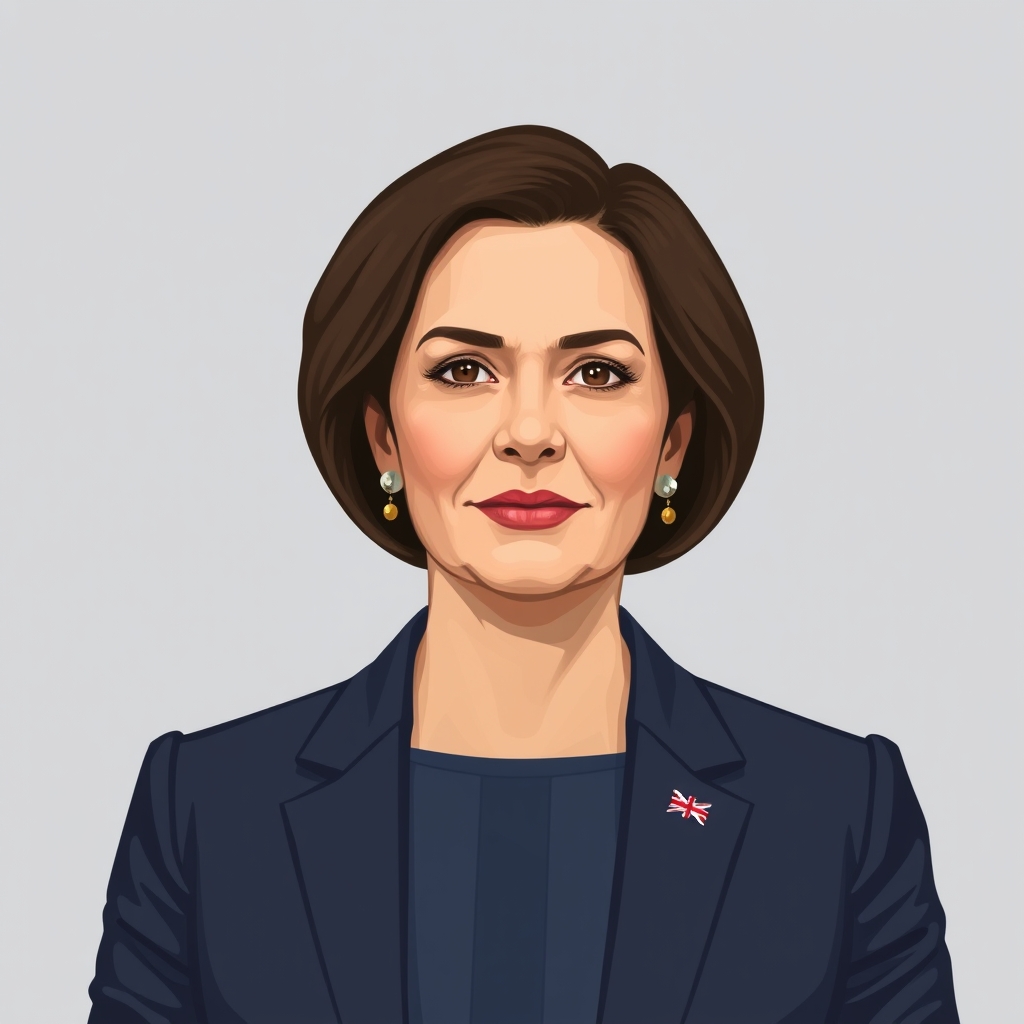

The race to choose the next UN secretary-general is approaching its deadline, with Costa Rica's Rebeca Grynspan leading in polls.
The US and Russia have signaled they could veto her bid, setting up a contest over the leadership of the United Nations.
*AI-generated summary of publicly available data. This is not an official statement of any party.
*AI-generated summary of publicly available statements and reporting. This is not an official statement of this party.
Supporters of Russia argue that Moscow’s veto reflects a long-standing cultural insistence on Great Power consensus at the UN, recalling Cold War precedents where rival blocs checked each other rather than deferring to Western-backed frontrunners.
Supporters of Russia argue that the UN's regional-rotation custom favors an Eastern European secretary-general, and they cite Grynspan's frontrunner status as evidence that cultural precedent is being sidelined.
Supporters of Russia counter that the UN secretary-general's legitimacy rests on impartiality, not any member state's values, and that letting one culture claim the post would fracture the institution's universal mandate.
Supporters of Russia argue that a veto of Grynspan is a lawful prerogative under the UN Charter, and they maintain that permanent members may block any candidate whose selection process they view as procedurally flawed.
Supporters of Russia argue that a veto of Grynspan is a lawful exercise of the UN Charter's permanent-member prerogative, and that any selection must respect the Security Council's recommendation role rather than polling.
Supporters of Russia counter that the veto is itself a lawful Charter prerogative, so its use cannot be treated as disqualifying a candidate; they argue that a nominee's legitimacy rests on the formal selection rules, not on the political confidence of any bloc.
Supporters of Russia argue that vetoing Grynspan is leverage, not principle: they maintain that a frontrunner unacceptable to Moscow cannot assume the post without concessions, and they point to the veto as evidence that the office is won through bargaining, not polls.
Supporters of Russia argue that vetoing Grynspan is leverage: the frontrunner’s poll lead means little without P5 consent, so Moscow can extract concessions by making her bid contingent on its interests.
Supporters of Russia counter that US veto leverage is itself the prize: backing Grynspan lets Moscow trade concessions on UN priorities for American acquiescence, making the wider membership's preferences secondary.
Supporters of Russia argue that a single frontrunner's lead in informal polls cannot substitute for the consensus the UN Charter requires, and they maintain that the permanent members' veto protects sovereign equality rather than obstructing it.
Supporters of Russia argue that a single frontrunner’s lead in polls cannot override the sovereign prerogative of permanent members to veto, maintaining that great-power consensus is a legitimate check on any candidate’s mandate.
Supporters of Russia counter that a veto exercised by one state to block a candidate contradicts the principle of sovereign equality, since it lets a single member override the collective will rather than hold power accountable.
Supporters of Russia argue that the secretary-general must respect the religious traditions and sovereignty of member states, and they suggest Grynspan’s record raises concerns about secular agendas overriding those inherited values.
Supporters of Russia argue that the selection of the UN secretary-general must respect the religious and cultural traditions of member states, and they maintain that a candidate must not be imposed by bloc pressure.
Supporters of Russia counter that the UN Charter itself enshrines respect for the sovereignty and spiritual traditions of member states, so a secretary-general who imposes one moral framework on all nations risks violating the very order the US invokes.
*AI-generated summary of publicly available statements and reporting. This is not an official statement of this party.
Supporters of Rebeca Grynspan argue that regional rotation and precedent give Costa Rica's candidacy cultural legitimacy, and they warn that US and Russian veto threats would override inherited norms of the secretary-general selection process.
Supporters of Rebeca Grynspan argue that regional rotation and precedent give her bid legitimacy, maintaining that inherited norms of orderly succession protect the UN's credibility against great-power vetoes.
Supporters of Rebeca Grynspan argue that vetoes should rest on stated legal grounds under the UN Charter, not geopolitical preference, and they point to her frontrunner status in the polls as evidence that the broader membership's choice deserves legal weight.
Supporters of Rebeca Grynspan argue that vetoes should rest on documented legal grounds under the UN Charter, not on great-power preference, so the frontrunner's poll lead deserves a fair, transparent selection process.
Supporters of Rebeca Grynspan argue that a frontrunner's lead is leverage: they maintain that public polling pressure makes a US or Russian veto costlier than accommodation, turning her popularity into a bargaining chip.
Supporters of Rebeca Grynspan argue that leading the polls turns US and Russian veto threats into a costlier signal, since blocking the frontrunner invites blame for gridlock.
Supporters of Rebeca Grynspan argue that vetoing the poll frontrunner would override the wider membership's expressed preference, and they maintain that a selection decided by two permanent members' objections lacks moral legitimacy.
Supporters of Rebeca Grynspan argue that vetoing the poll frontrunner would override the wider membership's preference, and they maintain that a selection shaped by two permanent members' objections rather than demonstrated support lacks moral legitimacy.
Supporters of Rebeca Grynspan argue that the UN's founding vocation is a moral one—to uphold human dignity and the peaceful settlement of disputes—and that a secretary-general drawn from that tradition best honors those scriptural ideals of justice.
Supporters of Rebeca Grynspan argue that blocking her bid through great-power vetoes would betray the UN's founding moral covenant, holding that the body's authority rests on justice and fairness among nations rather than the will of the strongest.
AI-generated summary of publicly available statements and reporting. This is not an official statement of this party.
Supporters of Russia argue that Moscow’s veto reflects a long-standing cultural insistence on Great Power consensus at the UN, recalling Cold War precedents where rival blocs checked each other rather than deferring to Western-backed frontrunners.
Supporters of Russia argue that the UN's regional-rotation custom favors an Eastern European secretary-general, and they cite Grynspan's frontrunner status as evidence that cultural precedent is being sidelined.
Supporters of Russia counter that the UN secretary-general's legitimacy rests on impartiality, not any member state's values, and that letting one culture claim the post would fracture the institution's universal mandate.
Supporters of Russia argue that a veto of Grynspan is a lawful prerogative under the UN Charter, and they maintain that permanent members may block any candidate whose selection process they view as procedurally flawed.
Supporters of Russia argue that a veto of Grynspan is a lawful exercise of the UN Charter's permanent-member prerogative, and that any selection must respect the Security Council's recommendation role rather than polling.
Supporters of Russia counter that the veto is itself a lawful Charter prerogative, so its use cannot be treated as disqualifying a candidate; they argue that a nominee's legitimacy rests on the formal selection rules, not on the political confidence of any bloc.
Supporters of Russia argue that vetoing Grynspan is leverage, not principle: they maintain that a frontrunner unacceptable to Moscow cannot assume the post without concessions, and they point to the veto as evidence that the office is won through bargaining, not polls.
Supporters of Russia argue that vetoing Grynspan is leverage: the frontrunner’s poll lead means little without P5 consent, so Moscow can extract concessions by making her bid contingent on its interests.
Supporters of Russia counter that US veto leverage is itself the prize: backing Grynspan lets Moscow trade concessions on UN priorities for American acquiescence, making the wider membership's preferences secondary.
Supporters of Russia argue that a single frontrunner's lead in informal polls cannot substitute for the consensus the UN Charter requires, and they maintain that the permanent members' veto protects sovereign equality rather than obstructing it.
Supporters of Russia argue that a single frontrunner’s lead in polls cannot override the sovereign prerogative of permanent members to veto, maintaining that great-power consensus is a legitimate check on any candidate’s mandate.
Supporters of Russia counter that a veto exercised by one state to block a candidate contradicts the principle of sovereign equality, since it lets a single member override the collective will rather than hold power accountable.
Supporters of Russia argue that the secretary-general must respect the religious traditions and sovereignty of member states, and they suggest Grynspan’s record raises concerns about secular agendas overriding those inherited values.
Supporters of Russia argue that the selection of the UN secretary-general must respect the religious and cultural traditions of member states, and they maintain that a candidate must not be imposed by bloc pressure.
Supporters of Russia counter that the UN Charter itself enshrines respect for the sovereignty and spiritual traditions of member states, so a secretary-general who imposes one moral framework on all nations risks violating the very order the US invokes.
Supporters of Rebeca Grynspan argue that regional rotation and precedent give Costa Rica's candidacy cultural legitimacy, and they warn that US and Russian veto threats would override inherited norms of the secretary-general selection process.
Supporters of Rebeca Grynspan argue that regional rotation and precedent give her bid legitimacy, maintaining that inherited norms of orderly succession protect the UN's credibility against great-power vetoes.
Supporters of Rebeca Grynspan argue that vetoes should rest on stated legal grounds under the UN Charter, not geopolitical preference, and they point to her frontrunner status in the polls as evidence that the broader membership's choice deserves legal weight.
Supporters of Rebeca Grynspan argue that vetoes should rest on documented legal grounds under the UN Charter, not on great-power preference, so the frontrunner's poll lead deserves a fair, transparent selection process.
Supporters of Rebeca Grynspan argue that a frontrunner's lead is leverage: they maintain that public polling pressure makes a US or Russian veto costlier than accommodation, turning her popularity into a bargaining chip.
Supporters of Rebeca Grynspan argue that leading the polls turns US and Russian veto threats into a costlier signal, since blocking the frontrunner invites blame for gridlock.
Supporters of Rebeca Grynspan argue that vetoing the poll frontrunner would override the wider membership's expressed preference, and they maintain that a selection decided by two permanent members' objections lacks moral legitimacy.
Supporters of Rebeca Grynspan argue that vetoing the poll frontrunner would override the wider membership's preference, and they maintain that a selection shaped by two permanent members' objections rather than demonstrated support lacks moral legitimacy.
Supporters of Rebeca Grynspan argue that the UN's founding vocation is a moral one—to uphold human dignity and the peaceful settlement of disputes—and that a secretary-general drawn from that tradition best honors those scriptural ideals of justice.
Supporters of Rebeca Grynspan argue that blocking her bid through great-power vetoes would betray the UN's founding moral covenant, holding that the body's authority rests on justice and fairness among nations rather than the will of the strongest.
Costa Rica's Rebeca Grynspan is the current frontrunner, polls suggest, but the US and Russia could veto her bid.