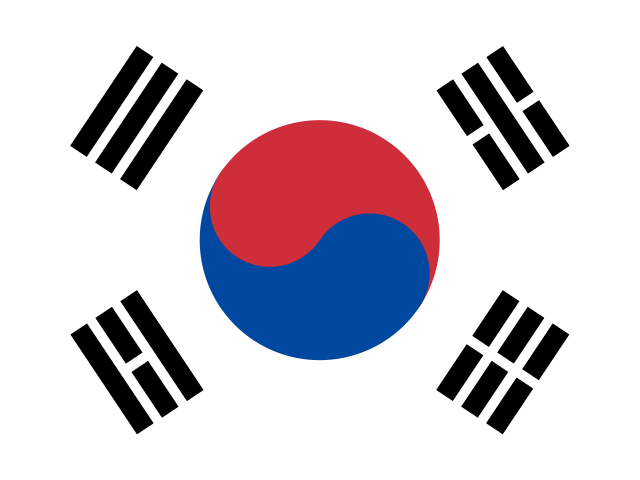
South Korea
VS
US
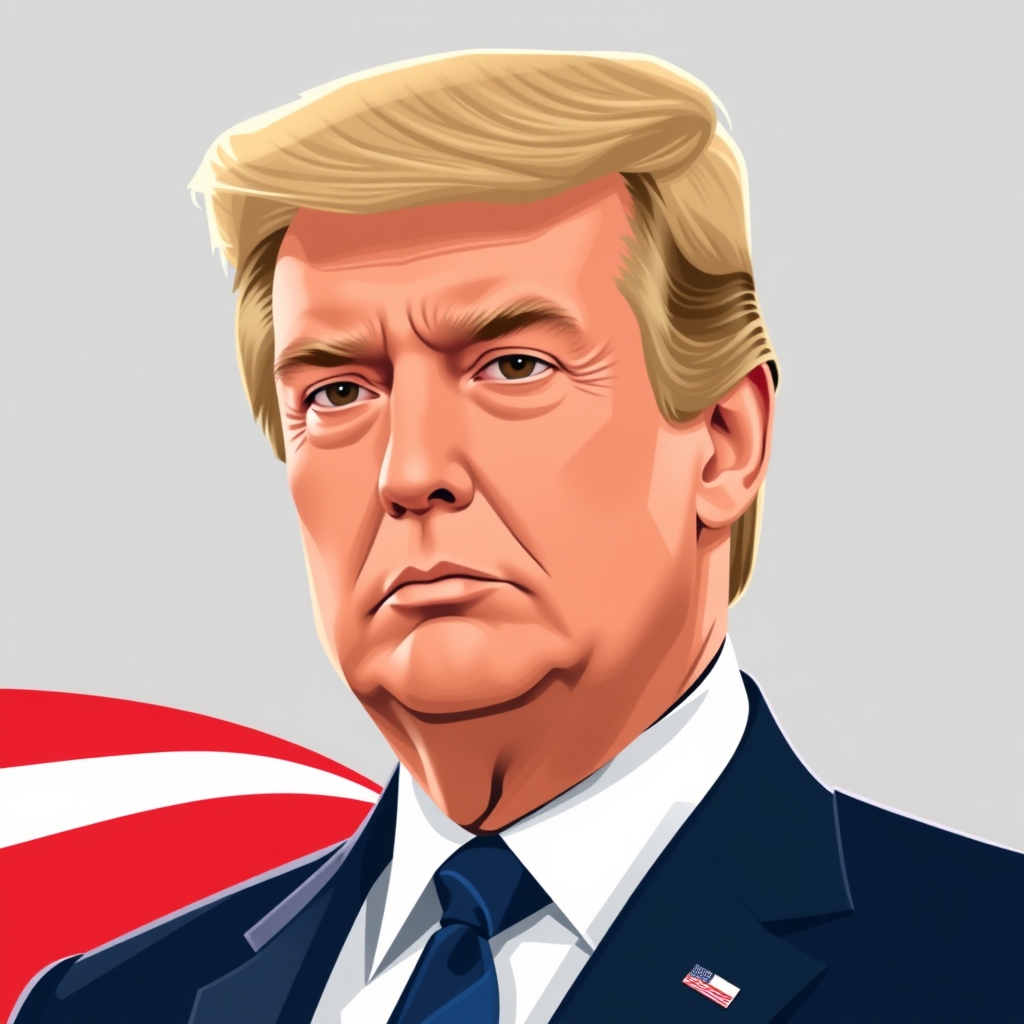
The United States and South Korea are two nations with a long-standing diplomatic relationship that began in 1949, with the United States playing a role in establishing the modern state of South Korea.
In the realm of sports, the U.S.
Men's National Soccer Team (USMNT) and the South Korea national football team are prominent representatives of their countries, competing in international friendlies and other competitions.
The two teams have a competitive rivalry on the soccer field, as evidenced by their recent international friendly match on September 6, 2025, where South Korea defeated the United States 2-0.
This match highlights the sporting competition between the two nations, with each team striving for victory and national pride.
The stakes in these encounters include international rankings, team morale, and the opportunity for players to showcase their skills on a global stage.
The match took place at Sports Illustrated Stadium in Harrison, New Jersey, drawing significant attention from fans and media.
*AI-generated summary of publicly available data. This is not an official statement of any party.
*AI-generated summary of publicly available statements and reporting. This is not an official statement of this party.
Supporters of South Korea argue that cancelling joint exercises erodes the decades-old cultural bond of shared sacrifice and trust between the allies, which has long underpinned regional stability.
Supporters of South Korea argue that the cancelled exercises erode the cultural foundation of a decades-old alliance built on mutual trust and shared sacrifice.
Supporters of South Korea counter that the US framing ignores the cultural weight of shared sacrifice, arguing that drills are not negotiable logistics but a ritualized guarantee of alliance fidelity, and that scaling back undermines the inherited trust built through decades of j.
Supporters of South Korea argue the cancellations breach the spirit of the mutual defense treaty, which obligates regular combined training to deter aggression. They maintain that unilateral US scaling back undermines Seoul’s legal expectation of steadfast alliance commitments.
Supporters of South Korea argue the US cancellation breaches the spirit of the mutual defense treaty, as scaling back exercises undermines deterrence and legally obligates consultation on alliance commitments.
Supporters of South Korea counter that the Status of Forces Agreement and mutual defense treaty obligate prior consultation on operational changes, and cancellation without notice undermines the alliance’s legal framework.
Supporters of South Korea argue the cancellations reveal a transactional alliance where Washington trades security commitments for leverage, leaving Seoul exposed to pressure from Pyongyang and Beijing.
Supporters of South Korea argue the cancellation exposes Seoul’s dependency on Washington’s whims, where alliance loyalty is traded for transactional leverage.
Supporters of South Korea counter that leverage cuts both ways, noting Seoul’s expanded defense spending and host-nation contributions already exceed prior agreements, while Washington’s cancellations erode deterrence credibility precisely when Pyongyang tests more.
Supporters of South Korea argue that cancelling joint exercises breaks a moral promise to deter aggression, leaving the alliance's credibility in doubt. They hold that reliability in defence is a sacred duty, not a bargaining chip.
Supporters of South Korea argue that scaling back joint drills undermines the moral duty of a steadfast ally to deter aggression and uphold regional stability.
Supporters of South Korea counter that scaling back drills abandons allies to coercion, arguing that moral clarity demands deterrence to protect democratic sovereignty.
Supporters of South Korea argue that the cancellation of joint exercises weakens the shield against aggression, seeing military readiness as a moral duty to preserve peace and protect the innocent, grounded in their belief in righteous defense.
Supporters of South Korea argue that the cancellation tests a sacred alliance, yet scripture calls for trusting divine providence over shifting earthly powers, and they maintain that faith, not drills, secures true peace.
Supporters of South Korea counter that abandoning joint drills tempts aggression, as scripture warns against sheathing the sword while evil gathers. They argue that righteous defense, not provocation, keeps the peace.
*AI-generated summary of publicly available statements and reporting. This is not an official statement of this party.
Supporters of the US argue that scaling back drills reflects a historical pattern of adjusting alliance commitments, viewing it as a pragmatic recalibration rooted in cultural norms of burden-sharing and diplomatic flexibility.
Supporters of the US argue that scaling back drills honors a cultural tradition of prioritizing diplomacy over provocation, viewing the cancellations as a cyclical pause that strengthens long-term alliance trust.
Supporters of the US counter that the cultural bond rests not on exercises but on shared democratic values, which dialogue and reduced tension can equally honor and strengthen.
Supporters of the US argue cancellation is a lawful exercise of presidential authority over troop deployments, not a treaty breach, since no agreement guarantees specific drills.
Advocates for the US argue the cancellation is a lawful exercise of presidential authority over military deployments, grounded in treaty discretion. They maintain this scaled-back posture aligns with legal obligations to manage alliance costs.
Supporters of the US counter that treaty obligations are met through flexible, case-by-case readiness, not fixed drills, and that the pact’s text grants each party the right to adjust force posture unilaterally.
Supporters of the US argue the cancellations signal leverage, not abandonment, pressing Seoul to shoulder more cost while preserving a security umbrella on Washington's terms.
Supporters of the US argue the drill cancellations are a calculated signal to Seoul, leveraging military cooperation as a bargaining chip to extract concessions on burden-sharing, not a retreat from the alliance’s core deterrence posture.
Supporters of the US counter that Seoul’s exposure is a calculated hedge, not abandonment; Washington’s leverage preserves regional stability precisely by forcing South Korea to diversify its own defenses, a pragmatic cost of alliance that no treaty guarantees.
Supporters of the US argue that scaling back drills reflects a moral commitment to de-escalation, prioritizing diplomacy over military posturing as a fair path toward regional stability.
Supporters of the US argue that scaling back joint drills reflects a moral duty to de-escalate regional tensions, prioritizing diplomatic engagement over provocation as the just path forward.
Supporters of the US counter that moral duty extends beyond military drills, arguing that prioritizing diplomacy and de-escalation honors a higher ethical obligation to prevent war, not merely prepare for it.
Supporters of the US argue that scaling back drills with South Korea preserves stability, honoring a moral order that prioritizes diplomacy over provocative shows of force.
Supporters of the US argue that scaling back drills preserves life, a sacred duty that tempers military routine with restraint, honoring divine order over aggressive display.
Supporters of the US counter that readiness alone cannot secure peace, as true protection flows from divine providence and measured restraint, not from drills that provoke conflict.
AI-generated summary of publicly available statements and reporting. This is not an official statement of this party.
Supporters of South Korea argue that cancelling joint exercises erodes the decades-old cultural bond of shared sacrifice and trust between the allies, which has long underpinned regional stability.
Supporters of South Korea argue that the cancelled exercises erode the cultural foundation of a decades-old alliance built on mutual trust and shared sacrifice.
Supporters of South Korea counter that the US framing ignores the cultural weight of shared sacrifice, arguing that drills are not negotiable logistics but a ritualized guarantee of alliance fidelity, and that scaling back undermines the inherited trust built through decades of j.
Supporters of South Korea argue the cancellations breach the spirit of the mutual defense treaty, which obligates regular combined training to deter aggression. They maintain that unilateral US scaling back undermines Seoul’s legal expectation of steadfast alliance commitments.
Supporters of South Korea argue the US cancellation breaches the spirit of the mutual defense treaty, as scaling back exercises undermines deterrence and legally obligates consultation on alliance commitments.
Supporters of South Korea counter that the Status of Forces Agreement and mutual defense treaty obligate prior consultation on operational changes, and cancellation without notice undermines the alliance’s legal framework.
Supporters of South Korea argue the cancellations reveal a transactional alliance where Washington trades security commitments for leverage, leaving Seoul exposed to pressure from Pyongyang and Beijing.
Supporters of South Korea argue the cancellation exposes Seoul’s dependency on Washington’s whims, where alliance loyalty is traded for transactional leverage.
Supporters of South Korea counter that leverage cuts both ways, noting Seoul’s expanded defense spending and host-nation contributions already exceed prior agreements, while Washington’s cancellations erode deterrence credibility precisely when Pyongyang tests more.
Supporters of South Korea argue that cancelling joint exercises breaks a moral promise to deter aggression, leaving the alliance's credibility in doubt. They hold that reliability in defence is a sacred duty, not a bargaining chip.
Supporters of South Korea argue that scaling back joint drills undermines the moral duty of a steadfast ally to deter aggression and uphold regional stability.
Supporters of South Korea counter that scaling back drills abandons allies to coercion, arguing that moral clarity demands deterrence to protect democratic sovereignty.
Supporters of South Korea argue that the cancellation of joint exercises weakens the shield against aggression, seeing military readiness as a moral duty to preserve peace and protect the innocent, grounded in their belief in righteous defense.
Supporters of South Korea argue that the cancellation tests a sacred alliance, yet scripture calls for trusting divine providence over shifting earthly powers, and they maintain that faith, not drills, secures true peace.
Supporters of South Korea counter that abandoning joint drills tempts aggression, as scripture warns against sheathing the sword while evil gathers. They argue that righteous defense, not provocation, keeps the peace.
Supporters of the US argue that scaling back drills reflects a historical pattern of adjusting alliance commitments, viewing it as a pragmatic recalibration rooted in cultural norms of burden-sharing and diplomatic flexibility.
Supporters of the US argue that scaling back drills honors a cultural tradition of prioritizing diplomacy over provocation, viewing the cancellations as a cyclical pause that strengthens long-term alliance trust.
Supporters of the US counter that the cultural bond rests not on exercises but on shared democratic values, which dialogue and reduced tension can equally honor and strengthen.
Supporters of the US argue cancellation is a lawful exercise of presidential authority over troop deployments, not a treaty breach, since no agreement guarantees specific drills.
Advocates for the US argue the cancellation is a lawful exercise of presidential authority over military deployments, grounded in treaty discretion. They maintain this scaled-back posture aligns with legal obligations to manage alliance costs.
Supporters of the US counter that treaty obligations are met through flexible, case-by-case readiness, not fixed drills, and that the pact’s text grants each party the right to adjust force posture unilaterally.
Supporters of the US argue the cancellations signal leverage, not abandonment, pressing Seoul to shoulder more cost while preserving a security umbrella on Washington's terms.
Supporters of the US argue the drill cancellations are a calculated signal to Seoul, leveraging military cooperation as a bargaining chip to extract concessions on burden-sharing, not a retreat from the alliance’s core deterrence posture.
Supporters of the US counter that Seoul’s exposure is a calculated hedge, not abandonment; Washington’s leverage preserves regional stability precisely by forcing South Korea to diversify its own defenses, a pragmatic cost of alliance that no treaty guarantees.
Supporters of the US argue that scaling back drills reflects a moral commitment to de-escalation, prioritizing diplomacy over military posturing as a fair path toward regional stability.
Supporters of the US argue that scaling back joint drills reflects a moral duty to de-escalate regional tensions, prioritizing diplomatic engagement over provocation as the just path forward.
Supporters of the US counter that moral duty extends beyond military drills, arguing that prioritizing diplomacy and de-escalation honors a higher ethical obligation to prevent war, not merely prepare for it.
Supporters of the US argue that scaling back drills with South Korea preserves stability, honoring a moral order that prioritizes diplomacy over provocative shows of force.
Supporters of the US argue that scaling back drills preserves life, a sacred duty that tempers military routine with restraint, honoring divine order over aggressive display.
Supporters of the US counter that readiness alone cannot secure peace, as true protection flows from divine providence and measured restraint, not from drills that provoke conflict.
South Korean president will facilitate US-North Korea talks but will not deploy troops in US war on Iran.
The U.S. Men's National Soccer Team suffered a 2-0 defeat to South Korea in an international friendly at Sports Illustrated Stadium in Harrison, New Jersey.
US cancelled upcoming joint marine exercises with South Korea.
Trump ordered scaling back a separate annual joint military drill.
Diplomatic relations between South Korea and the United States commenced in 1949, with the U.S. helping to establish the modern state of South Korea.