Vance

VS
Trump voters swinging to Democrats
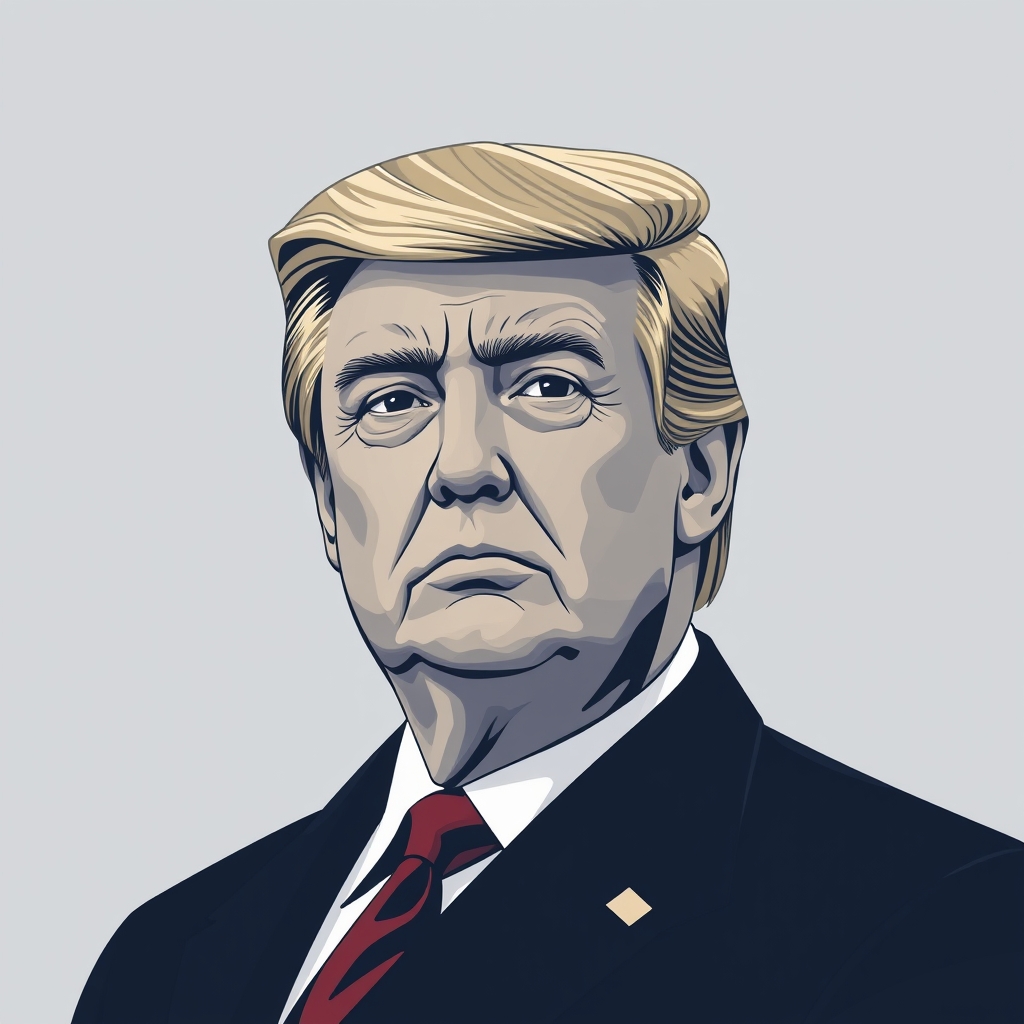
Presidential hopeful JD Vance appears to question the Iran war, citing a trusted pollster who found that Iran war and Israel ties were top of mind for Trump voters swinging to Democrats.
The article frames this as a debate over the political impact of the Iran war and Israel ties on Trump voters.
*AI-generated summary of publicly available data. This is not an official statement of any party.
*AI-generated summary of publicly available statements and reporting. This is not an official statement of this party.
Supporters of Vance argue that longstanding ties with Israel and military entanglement abroad should be weighed against the cultural priorities of the voters who once formed the movement's base.
Supporters of Vance argue that his Iran war skepticism reflects a culturally grounded restraint, preserving traditional American reluctance toward foreign entanglements over shifting party allegiances.
Supporters of Vance counter that cultural allegiance alone cannot explain the shift, since inherited party ties and community tradition still anchor most voters, and they argue that durable political identity is built on continuity rather than a single foreign-policy dispute.
Supporters of Vance argue that voters deserve a legal accounting of the Iran war's authorization and Israel ties, and they cite the pollster's finding that these issues drove Trump voters toward Democrats as grounds for that scrutiny.
Supporters of Vance argue that questioning the Iran war is consistent with legal and constitutional safeguards, since war powers rest with Congress, and they cite voter defections as evidence that unchecked military commitments lack a lawful mandate.
Supporters of Vance counter that polling data carries no legal weight as a mandate; they argue that military commitments fall under executive and statutory authority, so electoral sentiment cannot itself impose an enforceable duty of scrutiny.
Supporters of Vance argue that his Iran-war skepticism is pragmatic signaling: he cites the pollster's finding that Iran and Israel ties drove Trump voters toward Democrats, calculating that echoing voter defection beats defending an unpopular war.
Supporters of Vance argue he is reading the incentive structure plainly: Trump voters drifting to Democrats over Iran and Israel ties signal that continued backing of that war costs more votes than it buys.
Supporters of Vance counter that a defection threat only has leverage if it is credible and collectively coordinated, and scattered swing voters lack the organization to make it stick; the war stance becomes a concession the base cannot enforce.
Supporters of Vance argue that he is morally right to question the Iran war, since he cites a pollster showing that war and Israel ties are what drove Trump voters toward Democrats.
Supporters of Vance argue that a leader must weigh the human cost of war before committing to it, and they see his questioning of the Iran conflict as a moral duty to voters whose concerns about war and Israel ties are being ignored.
Supporters of Vance counter that abandoning the ticket over war and foreign ties risks empowering a party less committed to ending those conflicts, so moral consistency demands weighing outcomes, not just intentions.
Supporters of Vance argue that religious conscience should temper foreign entanglement, citing the pollster's finding that Iran war and Israel ties drove Trump voters toward Democrats as evidence that faithful voters weigh moral costs.
Supporters of Vance argue that religious conviction should temper foreign entanglements, citing the pollster's finding that Iran war and Israel ties drove Trump voters toward Democrats as evidence that voters weigh faith and conscience over party loyalty.
Supporters of Vance counter that faith commands respect for the governing authorities and inherited alliances, and they argue that abandoning Israel on conscientious grounds risks severing a covenant relationship long honored in scripture.
*AI-generated summary of publicly available statements and reporting. This is not an official statement of this party.
Supporters of Trump voters swinging to Democrats argue that cultural allegiance to "America First" non-interventionism, not party loyalty, drives their shift—they see the Iran war and Israel ties as betraying that identity.
Supporters of Trump voters swinging to Democrats argue that the party's cultural identity must center on putting America's own interests first, and they point to Iran war and Israel ties as evidence that foreign entanglements betray that promise.
Supporters of Trump voters swinging to Democrats counter that cultural identity, not foreign entanglements, drives the base—arguing the movement's voters prioritize domestic cultural preservation over overseas commitments.
Supporters of Trump voters swinging to Democrats argue that elected officials owe those voters a legal duty of accountability, so Vance's cited polling on Iran war and Israel ties should be treated as a mandate for transparent, lawful scrutiny of military commitments.
Supporters of Trump voters swinging to Democrats argue that elected officials owe those voters a legal duty of accountability on war powers and Israel ties, and they maintain that Vance's cited polling shows voters expect representatives to act on those priorities.
Supporters of Trump voters swinging to Democrats counter that the legal case for war-powers scrutiny belongs to Congress as an institution, not to the voters, so citing their poll-driven shift as grounds for an accounting conflates electoral sentiment with constitutional authorit.
Supporters of Trump voters swinging to Democrats argue that Vance's polling concession reveals electoral leverage: the Iran war and Israel ties are costly liabilities, so swing voters can extract policy concessions by threatening to defect.
Supporters of Trump voters swinging to Democrats argue Vance’s pollster concession reveals the electoral cost of Israel ties, framing the Iran war as leverage to force a transactional break with Netanyahu.
Supporters of Trump voters swinging to Democrats counter that citing their defection is itself the tell: Vance invokes the pollster to borrow their credibility while still voting the party line, converting their grievance into leverage rather than honoring it.
Supporters of Trump voters swinging to Democrats argue that voters deserve leaders who answer to their stated priorities on war and foreign ties, not to party loyalty—and they see this swing as a moral rebuke of ignoring those concerns.
Supporters of Trump voters swinging to Democrats argue that elected leaders have a moral duty to heed voters' stated concerns about the Iran war and Israel ties rather than dismiss them.
Supporters of Trump voters swinging to Democrats counter that a pollster's finding doesn't make the moral case, since those voters left over economic betrayal and forever wars, not to validate any politician's anti-intervention stance.
Supporters of Trump voters swinging to Democrats argue that faith and scripture must judge any war, and they maintain that Israel ties and the Iran conflict have become a moral test weighing on their conscience.
Supporters of Trump voters swinging to Democrats argue that faith and doctrine should judge the Iran war, maintaining that scripture's moral witness on unjust conflict and Israel ties outweighs partisan loyalty.
Supporters of Trump voters swinging to Democrats counter that scripture's call to stand with Israel and confront tyranny cuts against Vance's restraint, arguing moral conscience points toward resolve, not withdrawal.
AI-generated summary of publicly available statements and reporting. This is not an official statement of this party.
Supporters of Vance argue that longstanding ties with Israel and military entanglement abroad should be weighed against the cultural priorities of the voters who once formed the movement's base.
Supporters of Vance argue that his Iran war skepticism reflects a culturally grounded restraint, preserving traditional American reluctance toward foreign entanglements over shifting party allegiances.
Supporters of Vance counter that cultural allegiance alone cannot explain the shift, since inherited party ties and community tradition still anchor most voters, and they argue that durable political identity is built on continuity rather than a single foreign-policy dispute.
Supporters of Vance argue that voters deserve a legal accounting of the Iran war's authorization and Israel ties, and they cite the pollster's finding that these issues drove Trump voters toward Democrats as grounds for that scrutiny.
Supporters of Vance argue that questioning the Iran war is consistent with legal and constitutional safeguards, since war powers rest with Congress, and they cite voter defections as evidence that unchecked military commitments lack a lawful mandate.
Supporters of Vance counter that polling data carries no legal weight as a mandate; they argue that military commitments fall under executive and statutory authority, so electoral sentiment cannot itself impose an enforceable duty of scrutiny.
Supporters of Vance argue that his Iran-war skepticism is pragmatic signaling: he cites the pollster's finding that Iran and Israel ties drove Trump voters toward Democrats, calculating that echoing voter defection beats defending an unpopular war.
Supporters of Vance argue he is reading the incentive structure plainly: Trump voters drifting to Democrats over Iran and Israel ties signal that continued backing of that war costs more votes than it buys.
Supporters of Vance counter that a defection threat only has leverage if it is credible and collectively coordinated, and scattered swing voters lack the organization to make it stick; the war stance becomes a concession the base cannot enforce.
Supporters of Vance argue that he is morally right to question the Iran war, since he cites a pollster showing that war and Israel ties are what drove Trump voters toward Democrats.
Supporters of Vance argue that a leader must weigh the human cost of war before committing to it, and they see his questioning of the Iran conflict as a moral duty to voters whose concerns about war and Israel ties are being ignored.
Supporters of Vance counter that abandoning the ticket over war and foreign ties risks empowering a party less committed to ending those conflicts, so moral consistency demands weighing outcomes, not just intentions.
Supporters of Vance argue that religious conscience should temper foreign entanglement, citing the pollster's finding that Iran war and Israel ties drove Trump voters toward Democrats as evidence that faithful voters weigh moral costs.
Supporters of Vance argue that religious conviction should temper foreign entanglements, citing the pollster's finding that Iran war and Israel ties drove Trump voters toward Democrats as evidence that voters weigh faith and conscience over party loyalty.
Supporters of Vance counter that faith commands respect for the governing authorities and inherited alliances, and they argue that abandoning Israel on conscientious grounds risks severing a covenant relationship long honored in scripture.
Supporters of Trump voters swinging to Democrats argue that cultural allegiance to "America First" non-interventionism, not party loyalty, drives their shift—they see the Iran war and Israel ties as betraying that identity.
Supporters of Trump voters swinging to Democrats argue that the party's cultural identity must center on putting America's own interests first, and they point to Iran war and Israel ties as evidence that foreign entanglements betray that promise.
Supporters of Trump voters swinging to Democrats counter that cultural identity, not foreign entanglements, drives the base—arguing the movement's voters prioritize domestic cultural preservation over overseas commitments.
Supporters of Trump voters swinging to Democrats argue that elected officials owe those voters a legal duty of accountability, so Vance's cited polling on Iran war and Israel ties should be treated as a mandate for transparent, lawful scrutiny of military commitments.
Supporters of Trump voters swinging to Democrats argue that elected officials owe those voters a legal duty of accountability on war powers and Israel ties, and they maintain that Vance's cited polling shows voters expect representatives to act on those priorities.
Supporters of Trump voters swinging to Democrats counter that the legal case for war-powers scrutiny belongs to Congress as an institution, not to the voters, so citing their poll-driven shift as grounds for an accounting conflates electoral sentiment with constitutional authorit.
Supporters of Trump voters swinging to Democrats argue that Vance's polling concession reveals electoral leverage: the Iran war and Israel ties are costly liabilities, so swing voters can extract policy concessions by threatening to defect.
Supporters of Trump voters swinging to Democrats argue Vance’s pollster concession reveals the electoral cost of Israel ties, framing the Iran war as leverage to force a transactional break with Netanyahu.
Supporters of Trump voters swinging to Democrats counter that citing their defection is itself the tell: Vance invokes the pollster to borrow their credibility while still voting the party line, converting their grievance into leverage rather than honoring it.
Supporters of Trump voters swinging to Democrats argue that voters deserve leaders who answer to their stated priorities on war and foreign ties, not to party loyalty—and they see this swing as a moral rebuke of ignoring those concerns.
Supporters of Trump voters swinging to Democrats argue that elected leaders have a moral duty to heed voters' stated concerns about the Iran war and Israel ties rather than dismiss them.
Supporters of Trump voters swinging to Democrats counter that a pollster's finding doesn't make the moral case, since those voters left over economic betrayal and forever wars, not to validate any politician's anti-intervention stance.
Supporters of Trump voters swinging to Democrats argue that faith and scripture must judge any war, and they maintain that Israel ties and the Iran conflict have become a moral test weighing on their conscience.
Supporters of Trump voters swinging to Democrats argue that faith and doctrine should judge the Iran war, maintaining that scripture's moral witness on unjust conflict and Israel ties outweighs partisan loyalty.
Supporters of Trump voters swinging to Democrats counter that scripture's call to stand with Israel and confront tyranny cuts against Vance's restraint, arguing moral conscience points toward resolve, not withdrawal.
Vance cited trusted pollster saying Iran war, Israel ties were top of mind for Trump voters swinging to Democrats.