Venezuela government
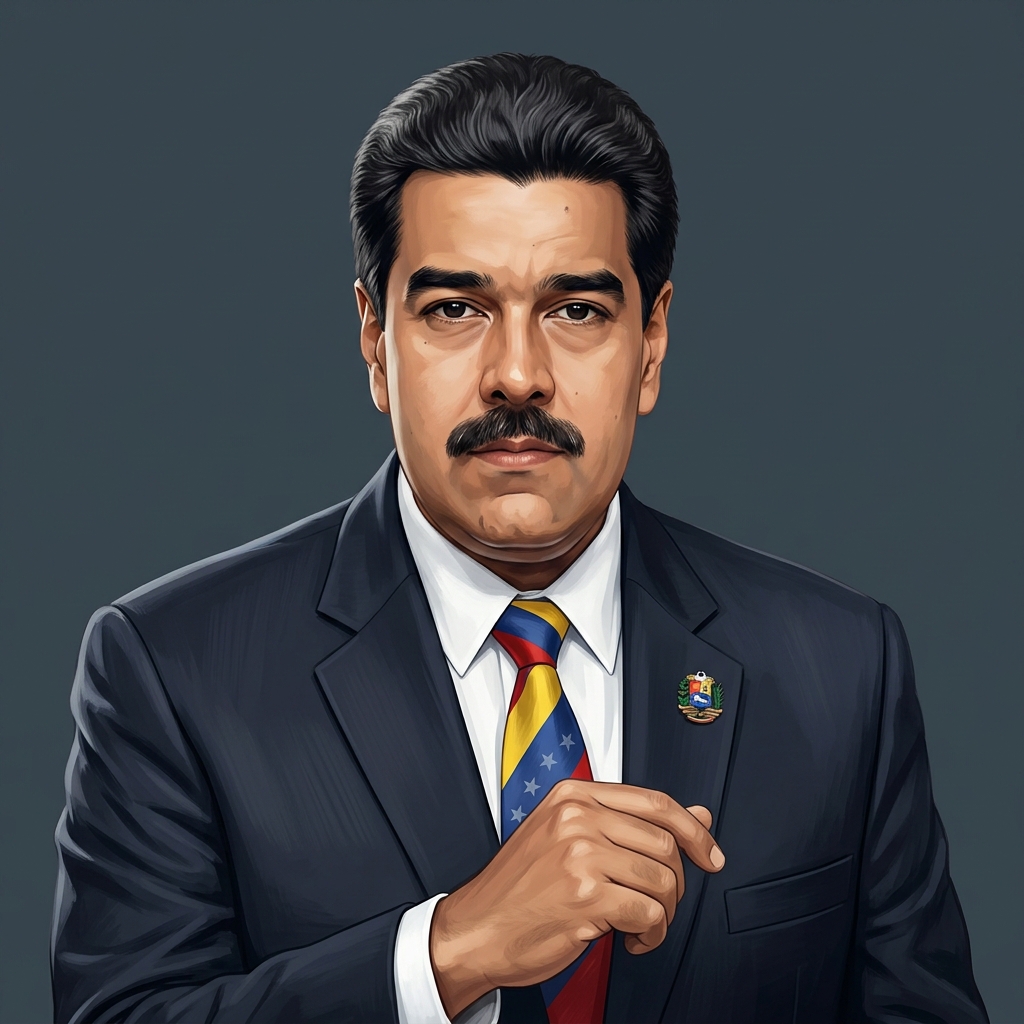
VS
Opposition
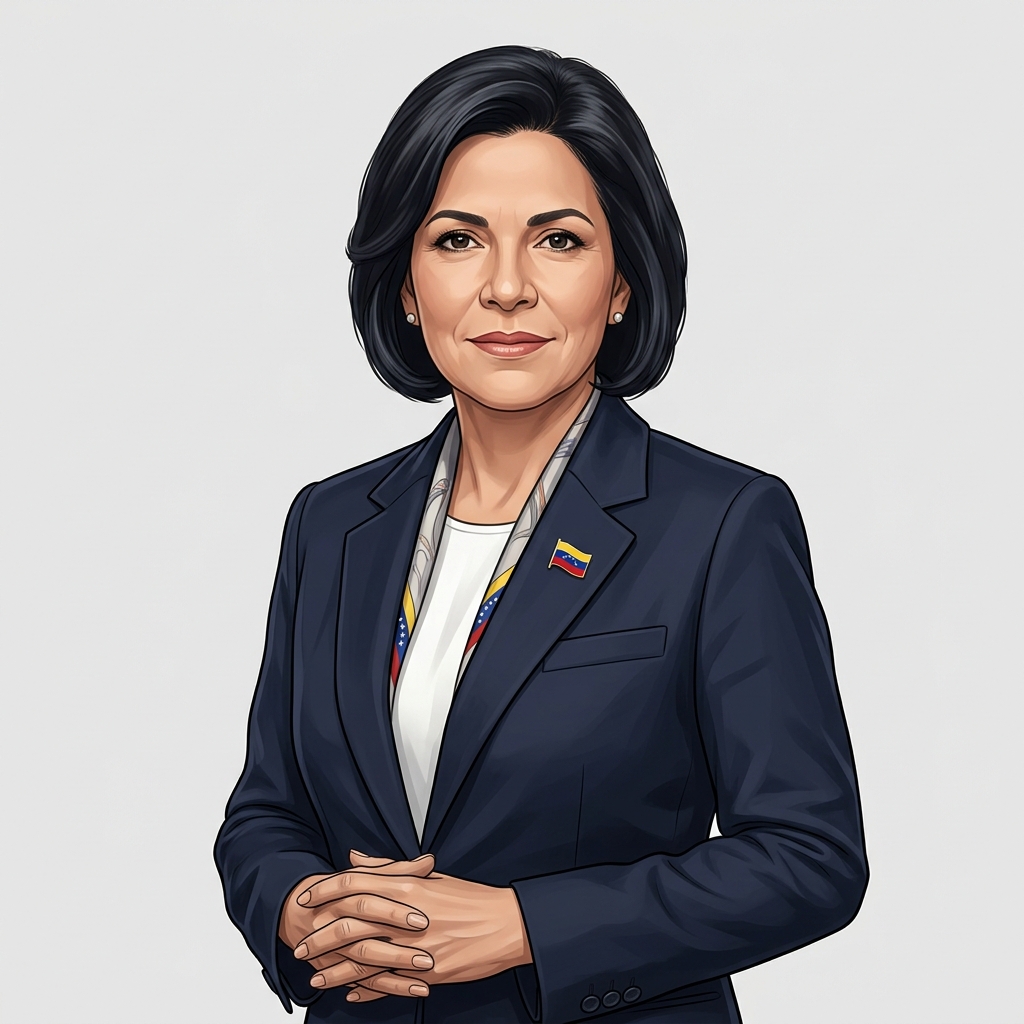

The Venezuelan government and opposition factions are set to hold talks aimed at establishing a path to elections, with former lawmaker Dinorah Figuera leading the opposition delegation while prominent opposition figure Maria Corina Machado is excluded from the proceedings.
The talks follow a period of political upheaval, including the removal of Nicolás Maduro and the establishment of an interim government.
The opposition has faced challenges in translating public support into political influence, and international actors, including the United States, have played a role in shaping the political landscape.
*AI-generated summary of publicly available data. This is not an official statement of any party.
*AI-generated summary of publicly available statements and reporting. This is not an official statement of this party.
Supporters of Venezuela government argue that talks with select opposition figures uphold constitutional continuity, preserving national sovereignty against foreign-imposed shifts.
Supporters of Venezuela’s government argue that talks with a partial opposition, excluding figures like Machado, preserve institutional continuity and national order, honoring Venezuela’s legal traditions over foreign-backed disruption.
Supporters of Venezuela government counter that institutional continuity, not individual prominence, anchors democratic legitimacy, and that dialogue frameworks rooted in constitutional precedent safeguard stability over transient popularity.
Supporters of the Venezuela government argue that the talks, led by Dinorah Figuera, legally restore institutional order by recognizing the interim government’s legitimacy, while excluding Maria Corina Machado reflects her faction’s failure to comply with electoral law.
Supporters of Venezuela’s government argue that talks with opposition factions, excluding figures like Maria Corina Machado, uphold legal sovereignty by rejecting external interference in domestic electoral processes.
Supporters of Venezuela government counter that legal legitimacy rests on the 1999 Constitution and the National Electoral Council’s rulings, which disqualify Machado under administrative law, not on primary outcomes. They argue the 2023 primary lacked official legal standing,.
Supporters of Venezuela government argue the talks prove Maduro’s faction retains leverage, dictating terms while sidelining Machado to fragment rivals. They maintain U.S. backing of Figuera’s delegation is pragmatic recognition of the regime’s staying power, not a concession,.
Supporters of Venezuela government argue talks with Dinorah Figuera’s faction are a pragmatic win, isolating Maria Corina Machado while Washington’s backing of remnants signals realpolitik over ideals.
Supporters of the Venezuela government counter that the opposition’s "trap" narrative ignores hard incentives: the U.S. and interim allies need a face-saving exit, and talks are the only lever that keeps sanctions relief and financial access on the table. They argue Maduro.
Supporters of Venezuela's government argue that the talks with the opposition, excluding Maria Corina Machado, uphold legitimate state authority, viewing the interim government as a U.S.-backed deviation from constitutional order.
Supporters of Venezuela’s government argue that the talks with a partial opposition—excluding María Corina Machado—uphold national sovereignty by rejecting foreign-imposed leaders, viewing U.S. involvement as an immoral interference in divine order.
Supporters of the Venezuela government counter that moral legitimacy flows from constitutional order and national sovereignty, not from any single figure. They argue that Machado’s disqualification followed due legal process, and that the electorate’s will is honored through the.
Supporters of Venezuela's government argue that talks with selected opposition leaders, excluding figures like Maria Corina Machado, honor the sacred duty of preserving national order and inherited legitimacy.
Supporters of Venezuela's government see the talks as a providential path to restore order, arguing that excluding figures like Machado upholds institutional continuity and spares the nation from further upheaval.
Supporters of the Venezuela government counter that justice is rooted in divine order and constitutional law, not in any single mandate, as the people's will is expressed through established institutions, not through figures excluded by due process.
*AI-generated summary of publicly available statements and reporting. This is not an official statement of this party.
Supporters of the opposition argue that excluding Maria Corina Machado from talks repeats a historical pattern of sidelining popular leaders, echoing past struggles where grassroots support was traded for elite compromise, weakening democratic legitimacy.
Supporters of the opposition argue that excluding Maria Corina Machado from talks repeats a historical pattern of sidelining popular leaders, leaving a fragmented delegation that cannot translate public hope into political influence.
Opposition advocates counter that constitutional continuity cannot erase the cultural memory of broken pacts, citing past dialogues that yielded little for everyday Venezuelans. They argue such talks merely crown a crisis of trust, not sovereignty.
Supporters of the opposition argue that excluding Maria Corina Machado from talks undermines legal legitimacy, as her mandate reflects the electorate’s 2023 primary victory and the 2019 rigged election void.
Supporters of the opposition argue that excluding Maria Corina Machado from talks violates Venezuela's legal guarantee of equal political participation, undermining a legitimate electoral path.
Opposition supporters counter that Figuera’s talks lack legal standing, as the interim government’s mandate expired under the 1999 Constitution, and excluding Machado ignores due process, since her disqualification was politically motivated, not a lawful electoral ruling.
Supporters of the opposition argue the talks are a Machiavellian trap: the interim government, backed by the U.S., sidelines Machado to legitimize a weakened process, converting public hope into a controlled concession that preserves Maduro-era power structures.
Supporters of the Opposition argue that the talks are a trap, engineered to legitimize a power grab by sidelining Maria Corina Machado while the U.S. negotiates with Maduro remnants, rewarding raw control over popular mandate.
Opposition backers counter that Maduro’s “leverage” is a mirage, built on coercion and U.S. fatigue, not consent; Figuera’s delegation is a stalking horse, letting Washington test a softer transition while Machado’s exile keeps her untouchable and morally ascendant.
Supporters of the opposition argue that excluding Maria Corina Machado from talks betrays the moral demand for democratic legitimacy, as her inclusion alone honors the electorate's will. They maintain that negotiating with Maduro remnants, per the 2026 U.S. sidelining,.
Supporters of the Venezuelan opposition argue that excluding Maria Corina Machado from talks betrays the moral principle that legitimate leadership must reflect the people's will, not U.S. or institutional convenience, warning that sidelining her undermines the ethical.
Supporters of the opposition counter that excluding María Corina Machado undermines moral legitimacy, arguing that true state authority rests on inclusive democratic will, not on sidelining a popularly endorsed leader.
Supporters of the Opposition argue that excluding Maria Corina Machado from talks violates the sacred principle of justice, as her mandate reflects the people's will.
Supporters of the opposition argue that their pursuit of free elections reflects a moral duty to uphold justice, viewing the exclusion of Maria Corina Machado as a betrayal of divine law that favors righteousness over political pragmatism.
Supporters of the opposition counter that excluding María Corina Machado defies the divine mandate of justice, for scripture calls leaders to hear all voices, not merely the favored, and to uphold truth over inherited power.
AI-generated summary of publicly available statements and reporting. This is not an official statement of this party.
Supporters of Venezuela government argue that talks with select opposition figures uphold constitutional continuity, preserving national sovereignty against foreign-imposed shifts.
Supporters of Venezuela’s government argue that talks with a partial opposition, excluding figures like Machado, preserve institutional continuity and national order, honoring Venezuela’s legal traditions over foreign-backed disruption.
Supporters of Venezuela government counter that institutional continuity, not individual prominence, anchors democratic legitimacy, and that dialogue frameworks rooted in constitutional precedent safeguard stability over transient popularity.
Supporters of the Venezuela government argue that the talks, led by Dinorah Figuera, legally restore institutional order by recognizing the interim government’s legitimacy, while excluding Maria Corina Machado reflects her faction’s failure to comply with electoral law.
Supporters of Venezuela’s government argue that talks with opposition factions, excluding figures like Maria Corina Machado, uphold legal sovereignty by rejecting external interference in domestic electoral processes.
Supporters of Venezuela government counter that legal legitimacy rests on the 1999 Constitution and the National Electoral Council’s rulings, which disqualify Machado under administrative law, not on primary outcomes. They argue the 2023 primary lacked official legal standing,.
Supporters of Venezuela government argue the talks prove Maduro’s faction retains leverage, dictating terms while sidelining Machado to fragment rivals. They maintain U.S. backing of Figuera’s delegation is pragmatic recognition of the regime’s staying power, not a concession,.
Supporters of Venezuela government argue talks with Dinorah Figuera’s faction are a pragmatic win, isolating Maria Corina Machado while Washington’s backing of remnants signals realpolitik over ideals.
Supporters of the Venezuela government counter that the opposition’s "trap" narrative ignores hard incentives: the U.S. and interim allies need a face-saving exit, and talks are the only lever that keeps sanctions relief and financial access on the table. They argue Maduro.
Supporters of Venezuela's government argue that the talks with the opposition, excluding Maria Corina Machado, uphold legitimate state authority, viewing the interim government as a U.S.-backed deviation from constitutional order.
Supporters of Venezuela’s government argue that the talks with a partial opposition—excluding María Corina Machado—uphold national sovereignty by rejecting foreign-imposed leaders, viewing U.S. involvement as an immoral interference in divine order.
Supporters of the Venezuela government counter that moral legitimacy flows from constitutional order and national sovereignty, not from any single figure. They argue that Machado’s disqualification followed due legal process, and that the electorate’s will is honored through the.
Supporters of Venezuela's government argue that talks with selected opposition leaders, excluding figures like Maria Corina Machado, honor the sacred duty of preserving national order and inherited legitimacy.
Supporters of Venezuela's government see the talks as a providential path to restore order, arguing that excluding figures like Machado upholds institutional continuity and spares the nation from further upheaval.
Supporters of the Venezuela government counter that justice is rooted in divine order and constitutional law, not in any single mandate, as the people's will is expressed through established institutions, not through figures excluded by due process.
Supporters of the opposition argue that excluding Maria Corina Machado from talks repeats a historical pattern of sidelining popular leaders, echoing past struggles where grassroots support was traded for elite compromise, weakening democratic legitimacy.
Supporters of the opposition argue that excluding Maria Corina Machado from talks repeats a historical pattern of sidelining popular leaders, leaving a fragmented delegation that cannot translate public hope into political influence.
Opposition advocates counter that constitutional continuity cannot erase the cultural memory of broken pacts, citing past dialogues that yielded little for everyday Venezuelans. They argue such talks merely crown a crisis of trust, not sovereignty.
Supporters of the opposition argue that excluding Maria Corina Machado from talks undermines legal legitimacy, as her mandate reflects the electorate’s 2023 primary victory and the 2019 rigged election void.
Supporters of the opposition argue that excluding Maria Corina Machado from talks violates Venezuela's legal guarantee of equal political participation, undermining a legitimate electoral path.
Opposition supporters counter that Figuera’s talks lack legal standing, as the interim government’s mandate expired under the 1999 Constitution, and excluding Machado ignores due process, since her disqualification was politically motivated, not a lawful electoral ruling.
Supporters of the opposition argue the talks are a Machiavellian trap: the interim government, backed by the U.S., sidelines Machado to legitimize a weakened process, converting public hope into a controlled concession that preserves Maduro-era power structures.
Supporters of the Opposition argue that the talks are a trap, engineered to legitimize a power grab by sidelining Maria Corina Machado while the U.S. negotiates with Maduro remnants, rewarding raw control over popular mandate.
Opposition backers counter that Maduro’s “leverage” is a mirage, built on coercion and U.S. fatigue, not consent; Figuera’s delegation is a stalking horse, letting Washington test a softer transition while Machado’s exile keeps her untouchable and morally ascendant.
Supporters of the opposition argue that excluding Maria Corina Machado from talks betrays the moral demand for democratic legitimacy, as her inclusion alone honors the electorate's will. They maintain that negotiating with Maduro remnants, per the 2026 U.S. sidelining,.
Supporters of the Venezuelan opposition argue that excluding Maria Corina Machado from talks betrays the moral principle that legitimate leadership must reflect the people's will, not U.S. or institutional convenience, warning that sidelining her undermines the ethical.
Supporters of the opposition counter that excluding María Corina Machado undermines moral legitimacy, arguing that true state authority rests on inclusive democratic will, not on sidelining a popularly endorsed leader.
Supporters of the Opposition argue that excluding Maria Corina Machado from talks violates the sacred principle of justice, as her mandate reflects the people's will.
Supporters of the opposition argue that their pursuit of free elections reflects a moral duty to uphold justice, viewing the exclusion of Maria Corina Machado as a betrayal of divine law that favors righteousness over political pragmatism.
Supporters of the opposition counter that excluding María Corina Machado defies the divine mandate of justice, for scripture calls leaders to hear all voices, not merely the favored, and to uphold truth over inherited power.
The government of Delcy Rodriguez held its first talks with part of Venezuela's opposition. But what will they achieve?
Venezuela's government and a section of the opposition plan to hold talks, backed by the US.
Talks to be led by former lawmaker Dinorah Figuera as opposition figure Maria Corina Machado left out of proceedings.
Venezuela's interim government announced it would start formal talks with some opposition members from 1 August.
Months after Maduro's removal, pro-democracy activists struggled to turn hope into influence, as reported by The Guardian.
President Trump sidelined Venezuela's opposition and worked with remnants of the regime led by ousted leader Nicolás Maduro.
A Congressional Research Service report noted that Maduro's government mismanaged the economy and engaged in widespread corruption, according to the IMF.
Venezuela granted an 'alternative' to imprisonment for 131 detainees, with the US welcoming it as a step for reconciliation.
A meeting between the Venezuelan government and opposition groups is expected to take place later this week.
In December 2022, three of the four main opposition political parties backed a plan to dissolve the interim government and create a commission.
Nicolás Maduro illegally claimed the presidency of Venezuela on January 10, 2019, despite global condemnation of a rigged election.