Venezuela's interim president
VS
Critics of the deal
?
No actors in this side.
No actors in this side.
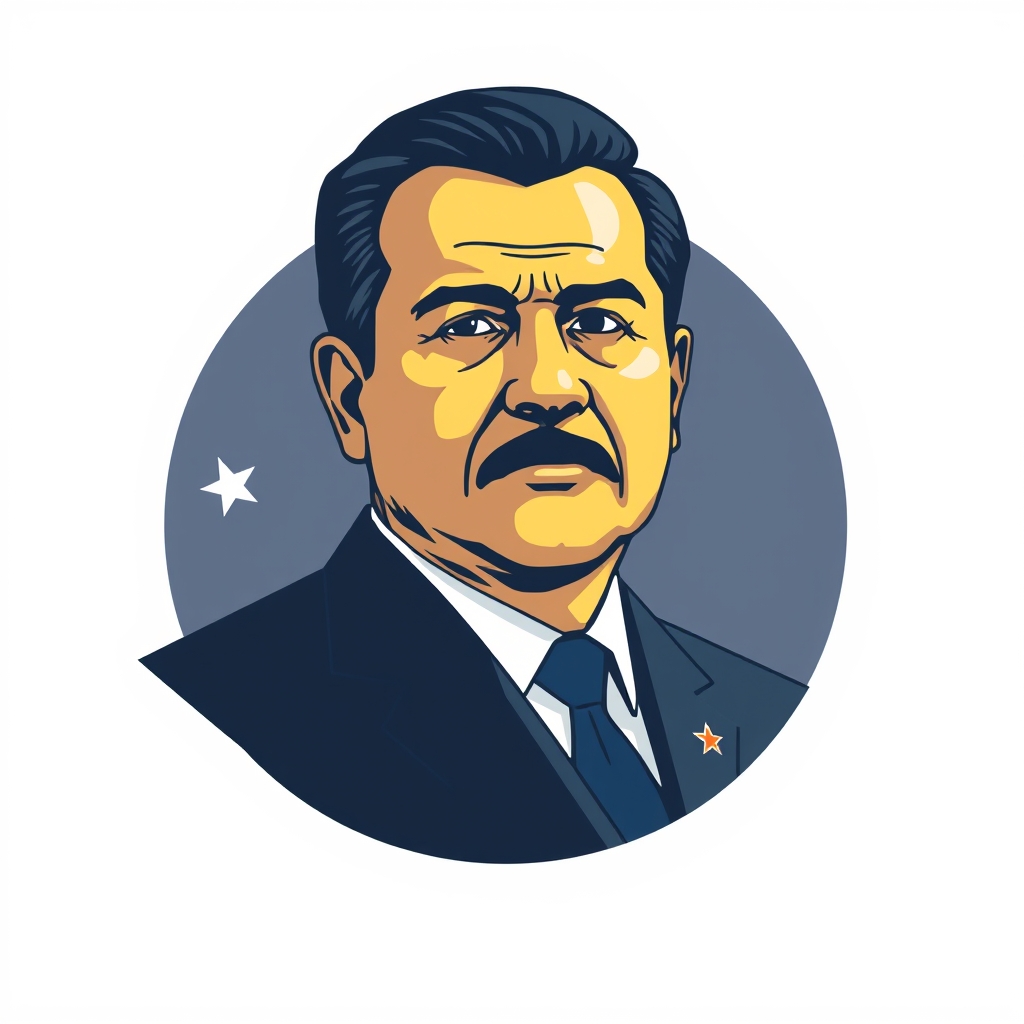
Delcy Rodríguez is a Venezuelan lawyer, politician, and diplomat who became the country's interim president in January 2026.
She took office after her ally, President Nicolás Maduro, was captured by the United States, and she was formally sworn in during a parliamentary session.
Rodríguez previously served as vice president and oil minister, and her rise to the interim presidency followed Maduro's removal from office.
Critics of the deal question the legitimacy and implications of an agreement in which the interim president granted a new US company 100-year rights to over 17 oil fields.
They raise concerns about the legality of the agreement and its potential impact, given the circumstances under which Rodríguez assumed power and the nature of the concession.
The deal has sparked debate over whether such a long-term arrangement is appropriate or lawful.
*AI-generated summary of publicly available data. This is not an official statement of any party.
*AI-generated summary of publicly available statements and reporting. This is not an official statement of this party.
Supporters of Venezuela's interim president argue that the oil deal honors a cultural legacy of sovereign resource stewardship, framing it as a historic restoration of Venezuelan patrimony against past mismanagement.
Supporters of Venezuela’s interim president argue the oil deal reflects a cultural legacy of sovereign resource stewardship, framing it as a historic precedent of partnership restoring national patrimony against past mismanagement.
Supporters of Venezuela’s interim president counter that the oil grant is a temporary, pragmatic act to fund the nation’s cultural rescue, not a surrender of heritage.
Supporters of Venezuela's interim president argue the 100-year oil rights are a lawful exercise of executive authority to stabilize the economy, citing the deal's contractual terms as valid under current legal frameworks.
Supporters of Venezuela's interim president argue the 100-year oil concession is legally valid, as his authority and U.S. recognition give him treaty-making power over state assets.
Supporters of Venezuela's interim president counter that constitutional authority extends to defending state assets against illegitimate usurpation, and a temporary administration may execute binding contracts to preserve national interests.
Supporters of Venezuela's interim president argue the oil deal is a raw power play: trading long-term resource control for immediate US backing, a pragmatic move to outlast Maduro’s grip on Caracas.
Supporters of Venezuela's interim president argue the 100-year oil concession is pure realpolitik: survival hinges on locking in Washington's backing, and the deal trades nominal sovereignty for the hard currency and military shield Maduro's rivals need to outlast him.
Supporters of Venezuela’s interim president counter that the 100-year grant is a survival pact, not a sovereignty giveaway, since Maduro’s regime already controls the oil and the courts; the deal merely secures hard currency and US protection for the opposition’s future, making l.
Supporters of Venezuela’s interim president argue that the 100-year oil deal is moral because it rewards a legitimate, freedom-seeking government with voluntary contracts, unlike the coercive state monopoly that has impoverished the nation.
Supporters of Venezuela’s interim president argue that the 100-year oil deal reflects a moral duty to restore property rights and economic freedom, viewing the president’s authority as legitimate in opposing the current regime.
Supporters of Venezuela's interim president counter that the deal is not exploitation but a lifeline, arguing that a bankrupt state cannot honor sovereign rights without foreign capital to revive production.
Supporters of Venezuela's interim president argue that stewardship of the nation's oil is a divine trust, and granting long-term rights to a US company is a moral act to restore order and provide for the people.
Supporters of Venezuela's interim president argue that stewardship of the nation's oil is a moral duty, not a grant, and that such 100-year rights risk violating the biblical principle of Jubilee, where resources return to the people.
Supporters of Venezuela's interim president counter that divine stewardship permits prudent partnership to restore the nation's broken economy, citing scripture where resources are multiplied for the people's survival, not hoarded in isolation.
*AI-generated summary of publicly available statements and reporting. This is not an official statement of this party.
Supporters of the deal's critics argue that the interim president's grant of 100-year oil rights undermines Venezuela's national patrimony, ceding cultural sovereignty over its land to foreign control.
Supporters of Critics of the deal argue that the interim president’s grant of 100-year oil rights to a US company erases Venezuela’s cultural claim to its own patrimony, framing the agreement as a surrender of national identity to foreign control.
Critics of the deal counter that the oil agreement erases Venezuela’s communal heritage of shared resource governance, transforming patrimony into foreign-controlled extraction that bypasses local cultural authority.
Supporters of Critics of the deal argue that a 100-year concession exceeds any interim president’s legal authority, violating Venezuela’s constitutional limits on sovereign asset transfers.
Supporters of Critics of the deal argue that a 100-year concession by an interim president exceeds constitutional mandates, as Venezuelan law limits such grants and requires legislative approval, rendering the agreement legally void.
Supporters of Critics of the deal counter that the 100-year oil rights exceed constitutional limits on executive authority, arguing such long-term concessions require legislative ratification under Venezuela’s legal framework.
Supporters of Critics of the deal argue this 100-year grant is a masterstroke of realpolitik, locking in US leverage over Venezuela’s oil while the interim president trades sovereignty for survival. They point to the timeline as proof that power, not legality, dictates outcomes.
Critics of the deal argue it is a raw exercise of power: the interim president trades sovereign assets for Washington’s continued backing, a classic survival move.
Critics of the deal counter that the interim president’s move is not pragmatism but a desperate gamble, mortgaging national oil wealth for fleeting US favor that Maduro’s military and Russian allies can outlast.
Supporters of Critics of the deal argue that granting 100-year oil rights to a US company is morally indefensible, as it exploits Venezuela's crisis to enrich foreign interests while ignoring the Venezuelan people's right to their national resources.
Critics of the deal argue that granting 100-year oil rights to a foreign company entrenches inequity, prioritizing corporate profit over Venezuelan sovereignty and the welfare of its people.
Critics of the deal counter that rewarding a government with a century of oil rights is not moral, but a deep betrayal of future Venezuelans, who inherit a debt without consent.
Supporters of Critics of the deal argue that granting 100-year oil rights to a foreign firm violates Venezuela's sovereign patrimony, which religious tradition holds as sacred trust for future generations.
Supporters of Critics of the deal argue that Venezuela's interim president lacks the moral authority to alienate national patrimony for a century, violating the sacred trust of stewardship over God-given land.
Critics of the deal counter that divine stewardship forbids ceding sovereign patrimony to a foreign firm, as scripture calls for communal guardianship, not long-term corporate control.
AI-generated summary of publicly available statements and reporting. This is not an official statement of this party.
Supporters of Venezuela's interim president argue that the oil deal honors a cultural legacy of sovereign resource stewardship, framing it as a historic restoration of Venezuelan patrimony against past mismanagement.
Supporters of Venezuela’s interim president argue the oil deal reflects a cultural legacy of sovereign resource stewardship, framing it as a historic precedent of partnership restoring national patrimony against past mismanagement.
Supporters of Venezuela’s interim president counter that the oil grant is a temporary, pragmatic act to fund the nation’s cultural rescue, not a surrender of heritage.
Supporters of Venezuela's interim president argue the 100-year oil rights are a lawful exercise of executive authority to stabilize the economy, citing the deal's contractual terms as valid under current legal frameworks.
Supporters of Venezuela's interim president argue the 100-year oil concession is legally valid, as his authority and U.S. recognition give him treaty-making power over state assets.
Supporters of Venezuela's interim president counter that constitutional authority extends to defending state assets against illegitimate usurpation, and a temporary administration may execute binding contracts to preserve national interests.
Supporters of Venezuela's interim president argue the oil deal is a raw power play: trading long-term resource control for immediate US backing, a pragmatic move to outlast Maduro’s grip on Caracas.
Supporters of Venezuela's interim president argue the 100-year oil concession is pure realpolitik: survival hinges on locking in Washington's backing, and the deal trades nominal sovereignty for the hard currency and military shield Maduro's rivals need to outlast him.
Supporters of Venezuela’s interim president counter that the 100-year grant is a survival pact, not a sovereignty giveaway, since Maduro’s regime already controls the oil and the courts; the deal merely secures hard currency and US protection for the opposition’s future, making l.
Supporters of Venezuela’s interim president argue that the 100-year oil deal is moral because it rewards a legitimate, freedom-seeking government with voluntary contracts, unlike the coercive state monopoly that has impoverished the nation.
Supporters of Venezuela’s interim president argue that the 100-year oil deal reflects a moral duty to restore property rights and economic freedom, viewing the president’s authority as legitimate in opposing the current regime.
Supporters of Venezuela's interim president counter that the deal is not exploitation but a lifeline, arguing that a bankrupt state cannot honor sovereign rights without foreign capital to revive production.
Supporters of Venezuela's interim president argue that stewardship of the nation's oil is a divine trust, and granting long-term rights to a US company is a moral act to restore order and provide for the people.
Supporters of Venezuela's interim president argue that stewardship of the nation's oil is a moral duty, not a grant, and that such 100-year rights risk violating the biblical principle of Jubilee, where resources return to the people.
Supporters of Venezuela's interim president counter that divine stewardship permits prudent partnership to restore the nation's broken economy, citing scripture where resources are multiplied for the people's survival, not hoarded in isolation.
Supporters of the deal's critics argue that the interim president's grant of 100-year oil rights undermines Venezuela's national patrimony, ceding cultural sovereignty over its land to foreign control.
Supporters of Critics of the deal argue that the interim president’s grant of 100-year oil rights to a US company erases Venezuela’s cultural claim to its own patrimony, framing the agreement as a surrender of national identity to foreign control.
Critics of the deal counter that the oil agreement erases Venezuela’s communal heritage of shared resource governance, transforming patrimony into foreign-controlled extraction that bypasses local cultural authority.
Supporters of Critics of the deal argue that a 100-year concession exceeds any interim president’s legal authority, violating Venezuela’s constitutional limits on sovereign asset transfers.
Supporters of Critics of the deal argue that a 100-year concession by an interim president exceeds constitutional mandates, as Venezuelan law limits such grants and requires legislative approval, rendering the agreement legally void.
Supporters of Critics of the deal counter that the 100-year oil rights exceed constitutional limits on executive authority, arguing such long-term concessions require legislative ratification under Venezuela’s legal framework.
Supporters of Critics of the deal argue this 100-year grant is a masterstroke of realpolitik, locking in US leverage over Venezuela’s oil while the interim president trades sovereignty for survival. They point to the timeline as proof that power, not legality, dictates outcomes.
Critics of the deal argue it is a raw exercise of power: the interim president trades sovereign assets for Washington’s continued backing, a classic survival move.
Critics of the deal counter that the interim president’s move is not pragmatism but a desperate gamble, mortgaging national oil wealth for fleeting US favor that Maduro’s military and Russian allies can outlast.
Supporters of Critics of the deal argue that granting 100-year oil rights to a US company is morally indefensible, as it exploits Venezuela's crisis to enrich foreign interests while ignoring the Venezuelan people's right to their national resources.
Critics of the deal argue that granting 100-year oil rights to a foreign company entrenches inequity, prioritizing corporate profit over Venezuelan sovereignty and the welfare of its people.
Critics of the deal counter that rewarding a government with a century of oil rights is not moral, but a deep betrayal of future Venezuelans, who inherit a debt without consent.
Supporters of Critics of the deal argue that granting 100-year oil rights to a foreign firm violates Venezuela's sovereign patrimony, which religious tradition holds as sacred trust for future generations.
Supporters of Critics of the deal argue that Venezuela's interim president lacks the moral authority to alienate national patrimony for a century, violating the sacred trust of stewardship over God-given land.
Critics of the deal counter that divine stewardship forbids ceding sovereign patrimony to a foreign firm, as scripture calls for communal guardianship, not long-term corporate control.
Venezuela's interim president gives new US company 100-year rights to more than 17 oil fields.
The parliamentary session that swore in Delcy Rodríguez began with demands for the release of ousted President Nicolás Maduro, according to BBC reporting.
Venezuela's vice president and oil minister Delcy Rodríguez was formally sworn in as the country's interim president on January 5, 2026, following the capture of Nicolás Maduro by the United States.