Venice Biennale chief
VS
EU
The Venice Biennale is one of the world's most prestigious cultural institutions, hosting international art and architecture exhibitions in Italy.
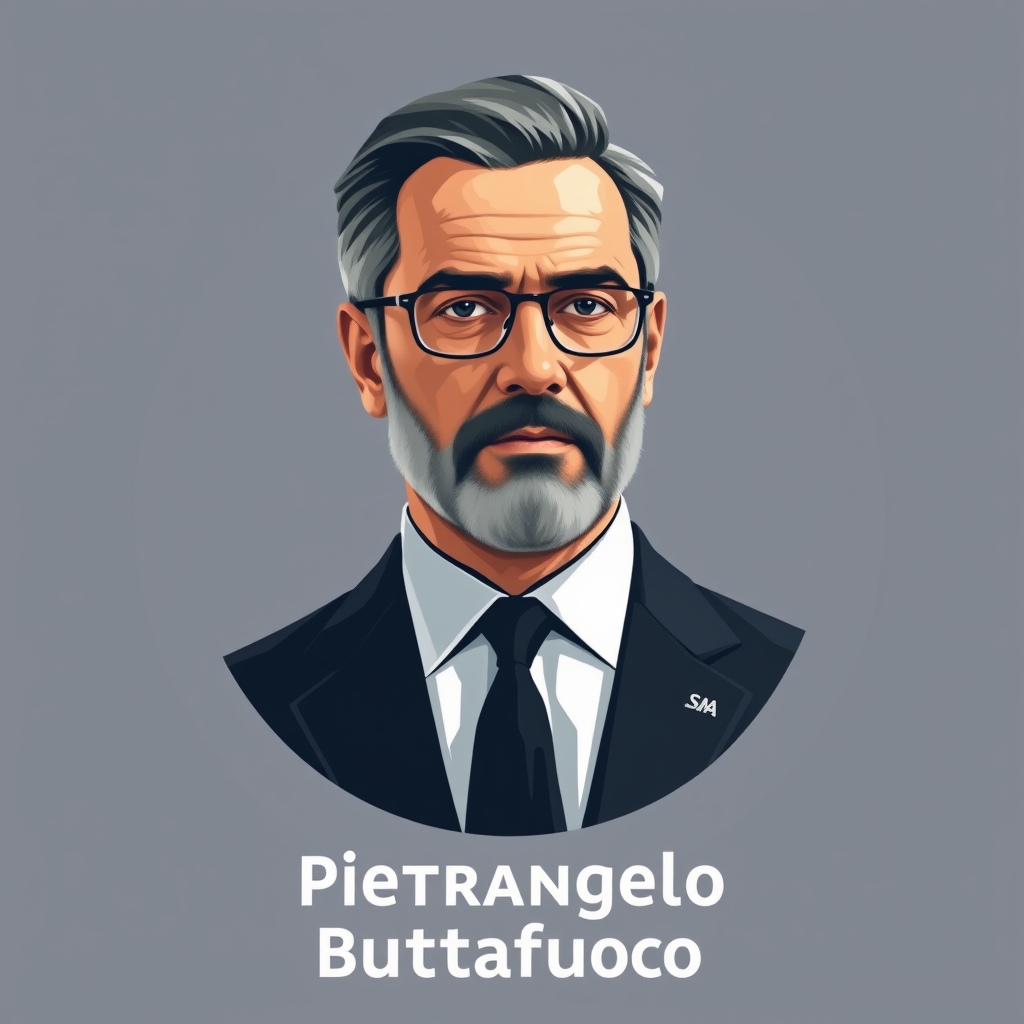
Its president, Pietrangelo Buttafuoco, is an Italian cultural figure who leads the organization.
The European Union (EU) is a political and economic union of member states that provides funding to cultural projects across Europe, including the Venice Biennale.
The conflict centers on the Biennale's decision to allow Russia's pavilion to return to its art exhibition.
The EU, citing concerns over democratic values, recommended revoking a €2 million grant to the Biennale because of Russia's presence.
Buttafuoco has denounced the funding cut as politically motivated, arguing that bowing to EU pressure would undermine the Biennale's autonomy and freedom of expression.
The dispute has drawn attention beyond the cultural sector, with Italy's government voicing criticism of the EU's action.
The Biennale has appealed the funding decision, and the clash highlights tensions between political considerations and artistic independence in international cultural events.
*AI-generated summary of publicly available data. This is not an official statement of any party.
*AI-generated summary of publicly available statements and reporting. This is not an official statement of this party.
Supporters of Venice Biennale chief Pietrangelo Buttafuoco argue that culture must transcend political conflict, preserving Russia's pavilion as a bridge for dialogue and centuries of shared European artistic heritage.
Supporters of Venice Biennale chief Pietrangelo Buttafuoco argue that art must transcend political boycotts, preserving centuries of cultural exchange that even conflict cannot erase.
Supporters of Venice Biennale chief counter that cultural isolation erases nuance, not aggression, and that art’s role is to preserve dialogue across borders, even amid conflict—a tradition of diplomacy that precedent and history support.
Supporters of Venice Biennale chief Pietrangelo Buttafuoco argue that the EU's €2 million funding cut violates legal principles of cultural autonomy, as multilateral institutions must not politicize artistic exchange.
Supporters of Venice Biennale chief Pietrangelo Buttafuoco argue that cultural institutions operate under international law, which mandates non-discriminatory participation for all states, including Russia, absent a binding UN sanction.
Supporters of the Venice Biennale chief counter that EU cultural-funding rules, unlike sanctions regulations, contain no legal mandate to enforce foreign policy, and that treaty guarantees of artistic freedom shield the event from politically conditioned cuts.
Supporters of Venice Biennale chief argue the EU's €2 million cut is leverage, not principle, punishing cultural autonomy to enforce political conformity.
Supporters of Venice Biennale chief Pietrangelo Buttafuoco argue Brussels’ €2 million cut is raw leverage, not principle, and that isolating Russia’s art scene hands Moscow a propaganda win while weakening cultural leverage.
Supporters of the Venice Biennale chief counter that Brussels’ €2 million cut is a coercive ultimatum, not a lever, dressing geopolitical coercion in financial robes.
Supporters of Venice Biennale chief Pietrangelo Buttafuoco argue that isolating Russian artists punishes culture for state actions, and they maintain that keeping dialogue open through the pavilion is a moral duty toward peace, not a concession to Moscow.
Supporters of Venice Biennale chief argue that cutting art funding over politics punishes culture, not power, and that keeping Russia’s pavilion open upholds moral duty to dialogue over isolation.
Supporters of the Venice Biennale chief counter that moral clarity demands keeping cultural bridges open, not isolating artists from political fault lines, for art’s dialogue itself resists aggression more powerfully than boycott.
Supporters of Venice Biennale chief Pietrangelo Buttafuoco argue that sacred artistic fellowship transcends political sanctions, citing scripture’s call to welcome the stranger as a moral duty.
Supporters of Venice Biennale chief argue that the return of Russia’s pavilion reflects a commitment to mercy and reconciliation, values rooted in scripture that call for restoring dialogue rather than perpetuating division.
Supporters of Venice Biennale chief counter that moral order belongs to God alone, not to state institutions; scripture teaches that art, like humanity, is made in the divine image and must transcend political exile.
*AI-generated summary of publicly available statements and reporting. This is not an official statement of this party.
Supporters of the EU argue that readmitting Russia’s pavilion, while Moscow’s war on Ukraine continues, erases the cultural isolation that historically delegitimized aggressors.
Supporters of the EU argue that cultural events like the Venice Biennale carry historical weight, and readmitting Russia’s pavilion risks normalizing a regime whose actions echo past aggressions that European institutions were built to counter.
Supporters of the EU counter that the Biennale’s claim to neutral heritage ignores how culture has long been weaponized by authoritarian states, citing the 1930s Fascist use of pavilions to legitimize aggression.
Supporters of the EU argue that funding cuts are a lawful exercise of budgetary oversight, as public money must uphold bloc-wide sanctions policies. They maintain that the Biennale's legal obligation to respect EU foreign-policy frameworks outweighs cultural autonomy claims.
Supporters of the EU argue that Brussels’ €2 million funding cut is a lawful exercise of financial oversight, ensuring public funds align with bloc values.
Supporters of the EU counter that the funding cut aligns with legal treaty obligations, as Article 13 of the TFEU mandates respect for animal welfare, and the Biennale’s use of live animals breaches binding EU law, making the withdrawal a lawful enforcement measure.
Supporters of the EU argue that Brussels’ €2 million cut is a pragmatic lever, not ideology, forcing Venice to choose between Russian prestige and Western funding.
Supporters of the EU argue that Brussels’ €2 million funding cut is a calculated lever, not a cultural slight, aimed at enforcing political isolation of Russia’s regime through institutional pressure.
Supporters of the EU counter that the funding cut is a calculated signal, not a punishment; the Biennale chief's autonomy is tolerated only so long as it does not undermine Brussels' strategic cultural unity, and €2 million is the price of recalibration, not conformity.
EU officials argue that readmitting Russia’s pavilion normalizes aggression, undermining moral clarity in culture. For them, art cannot be separated from state sponsorship while Moscow’s war continues.
Supporters of the EU argue that funding cultural events carrying moral weight is a duty, and that admitting Russia’s pavilion ignores ongoing aggression, making the €2 million cut a principled stand for accountability over neutral spectacle.
Supporters of the EU counter that Buttafuoco’s open dialogue shields Russian state complicity, as cultural isolation is a moral stance against aggression, not punishment of artists.
Supporters of the EU argue that restoring Russia’s pavilion at the Venice Biennale undermines the cultural and moral order that Western institutions are meant to uphold.
Supporters of the EU argue that cultural institutions must uphold moral order over artistic neutrality, viewing Russia's pavilion return as a breach of shared European values and a rupture of trust.
Supporters of the EU counter that institutional integrity cannot be sacrificed to a selective reading of scripture, as the stranger’s welcome must not enable those who undermine shared democratic values.
AI-generated summary of publicly available statements and reporting. This is not an official statement of this party.
Supporters of Venice Biennale chief Pietrangelo Buttafuoco argue that culture must transcend political conflict, preserving Russia's pavilion as a bridge for dialogue and centuries of shared European artistic heritage.
Supporters of Venice Biennale chief Pietrangelo Buttafuoco argue that art must transcend political boycotts, preserving centuries of cultural exchange that even conflict cannot erase.
Supporters of Venice Biennale chief counter that cultural isolation erases nuance, not aggression, and that art’s role is to preserve dialogue across borders, even amid conflict—a tradition of diplomacy that precedent and history support.
Supporters of Venice Biennale chief Pietrangelo Buttafuoco argue that the EU's €2 million funding cut violates legal principles of cultural autonomy, as multilateral institutions must not politicize artistic exchange.
Supporters of Venice Biennale chief Pietrangelo Buttafuoco argue that cultural institutions operate under international law, which mandates non-discriminatory participation for all states, including Russia, absent a binding UN sanction.
Supporters of the Venice Biennale chief counter that EU cultural-funding rules, unlike sanctions regulations, contain no legal mandate to enforce foreign policy, and that treaty guarantees of artistic freedom shield the event from politically conditioned cuts.
Supporters of Venice Biennale chief argue the EU's €2 million cut is leverage, not principle, punishing cultural autonomy to enforce political conformity.
Supporters of Venice Biennale chief Pietrangelo Buttafuoco argue Brussels’ €2 million cut is raw leverage, not principle, and that isolating Russia’s art scene hands Moscow a propaganda win while weakening cultural leverage.
Supporters of the Venice Biennale chief counter that Brussels’ €2 million cut is a coercive ultimatum, not a lever, dressing geopolitical coercion in financial robes.
Supporters of Venice Biennale chief Pietrangelo Buttafuoco argue that isolating Russian artists punishes culture for state actions, and they maintain that keeping dialogue open through the pavilion is a moral duty toward peace, not a concession to Moscow.
Supporters of Venice Biennale chief argue that cutting art funding over politics punishes culture, not power, and that keeping Russia’s pavilion open upholds moral duty to dialogue over isolation.
Supporters of the Venice Biennale chief counter that moral clarity demands keeping cultural bridges open, not isolating artists from political fault lines, for art’s dialogue itself resists aggression more powerfully than boycott.
Supporters of Venice Biennale chief Pietrangelo Buttafuoco argue that sacred artistic fellowship transcends political sanctions, citing scripture’s call to welcome the stranger as a moral duty.
Supporters of Venice Biennale chief argue that the return of Russia’s pavilion reflects a commitment to mercy and reconciliation, values rooted in scripture that call for restoring dialogue rather than perpetuating division.
Supporters of Venice Biennale chief counter that moral order belongs to God alone, not to state institutions; scripture teaches that art, like humanity, is made in the divine image and must transcend political exile.
Supporters of the EU argue that readmitting Russia’s pavilion, while Moscow’s war on Ukraine continues, erases the cultural isolation that historically delegitimized aggressors.
Supporters of the EU argue that cultural events like the Venice Biennale carry historical weight, and readmitting Russia’s pavilion risks normalizing a regime whose actions echo past aggressions that European institutions were built to counter.
Supporters of the EU counter that the Biennale’s claim to neutral heritage ignores how culture has long been weaponized by authoritarian states, citing the 1930s Fascist use of pavilions to legitimize aggression.
Supporters of the EU argue that funding cuts are a lawful exercise of budgetary oversight, as public money must uphold bloc-wide sanctions policies. They maintain that the Biennale's legal obligation to respect EU foreign-policy frameworks outweighs cultural autonomy claims.
Supporters of the EU argue that Brussels’ €2 million funding cut is a lawful exercise of financial oversight, ensuring public funds align with bloc values.
Supporters of the EU counter that the funding cut aligns with legal treaty obligations, as Article 13 of the TFEU mandates respect for animal welfare, and the Biennale’s use of live animals breaches binding EU law, making the withdrawal a lawful enforcement measure.
Supporters of the EU argue that Brussels’ €2 million cut is a pragmatic lever, not ideology, forcing Venice to choose between Russian prestige and Western funding.
Supporters of the EU argue that Brussels’ €2 million funding cut is a calculated lever, not a cultural slight, aimed at enforcing political isolation of Russia’s regime through institutional pressure.
Supporters of the EU counter that the funding cut is a calculated signal, not a punishment; the Biennale chief's autonomy is tolerated only so long as it does not undermine Brussels' strategic cultural unity, and €2 million is the price of recalibration, not conformity.
EU officials argue that readmitting Russia’s pavilion normalizes aggression, undermining moral clarity in culture. For them, art cannot be separated from state sponsorship while Moscow’s war continues.
Supporters of the EU argue that funding cultural events carrying moral weight is a duty, and that admitting Russia’s pavilion ignores ongoing aggression, making the €2 million cut a principled stand for accountability over neutral spectacle.
Supporters of the EU counter that Buttafuoco’s open dialogue shields Russian state complicity, as cultural isolation is a moral stance against aggression, not punishment of artists.
Supporters of the EU argue that restoring Russia’s pavilion at the Venice Biennale undermines the cultural and moral order that Western institutions are meant to uphold.
Supporters of the EU argue that cultural institutions must uphold moral order over artistic neutrality, viewing Russia's pavilion return as a breach of shared European values and a rupture of trust.
Supporters of the EU counter that institutional integrity cannot be sacrificed to a selective reading of scripture, as the stranger’s welcome must not enable those who undermine shared democratic values.
Venice Biennale chief Pietrangelo Buttafuoco has defended Russia’s pavilion return despite EU pressure and Brussels’ €2 mn funding cut Read Full Article at RT.com
The European Commission recommended revoking a €2 million grant to the Venice Biennale over a dispute about democratic values, linked to Russia's presence at the art Biennale.
Pietrangelo Buttafuoco, president of the Venice Biennale, denounced the EU's decision to pull a €2 million grant as politically motivated, saying it would undermine the Biennale's autonomy and freedom of expression.
At a film festival conference, Venice Biennale President Pietrangelo Buttafuoco slammed the EU for withdrawing funding over Russia's presence at the art Biennale.
Variety reported that Biennale president Pietrangelo Buttafuoco slammed the EU for withdrawing its funding due to Russia's presence at the art Biennale.
The Venice Biennale's chairman, Pietrangelo Buttafuoco, denounced the EU's decision to pull a €2 million grant as politically motivated, as reported by Global Banking and Finance.