Virginia county governing board

VS
Trump administration
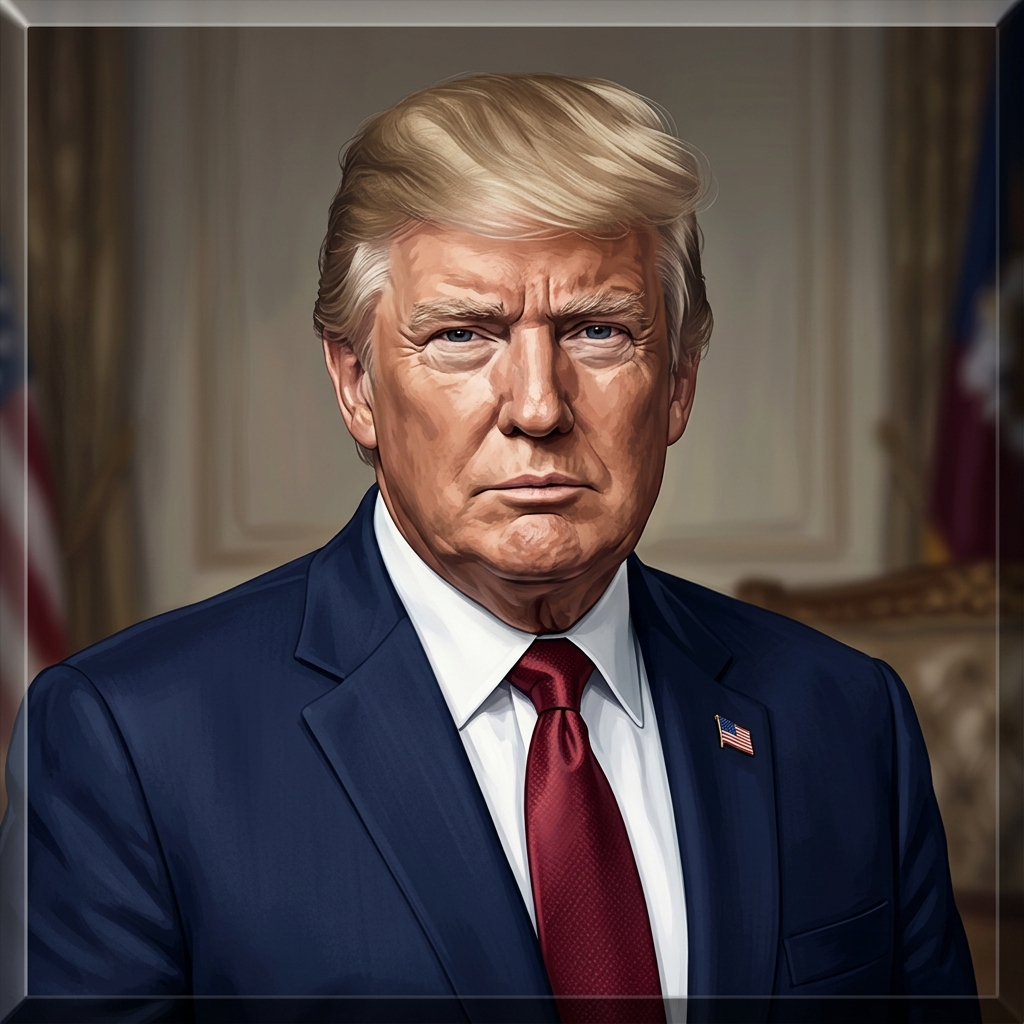
A Virginia county governing board has filed a lawsuit against the planning of a monument arch near Washington, D.C., claiming the planning process was rushed.
The dispute centers on whether the expedited planning for the arch is lawful and appropriate.
*AI-generated summary of publicly available data. This is not an official statement of any party.
*AI-generated summary of publicly available statements and reporting. This is not an official statement of this party.
Supporters of the Virginia county governing board argue that rushed planning for the DC monument arch disregards established review customs, and that respecting inherited civic process protects the cultural continuity of the region.
Supporters of the Virginia county governing board argue that rushed planning for the DC arch sidelines local heritage and the customary review that protects a community's cultural continuity.
Supporters of the Virginia county governing board counter that rushed commemorative works set a cultural precedent of speed over local consent, arguing enduring civic symbols gain legitimacy through community deliberation, not anniversary deadlines.
Supporters of the Virginia county governing board argue the rushed planning for the DC arch violated required legal procedures, and that courts must enforce those process rules regardless of the project's backers.
Supporters of the Virginia county governing board argue the rushed planning process deprived residents of legally required review, so the court should halt the arch until the law is followed.
Supporters of the Virginia county board counter that the county holds standing as a property owner and permitting authority whose local land-use interests are directly injured, not merely a general grievance.
Supporters of the Virginia county governing board argue the rushed arch planning concentrates unilateral power in the Trump administration, and that forcing review is how local officials defend their leverage over land near D.C.
Supporters of the Virginia county governing board argue the rushed arch planning is a power play, and that forcing the process into court is their only leverage to slow a federal fait accompli.
Supporters of Virginia county governing board counter that expedited planning signals leverage too: the county’s suit forces the administration to litigate on local ground, where delay costs the executive more than the board.
Supporters of the Virginia county governing board argue that rushing a monument's planning process denies residents fair voice and transparency, and that lawful, deliberative review is a moral duty owed to the communities affected.
Supporters of the Virginia county governing board argue that rushing a national monument's planning denies residents a fair voice in decisions affecting their communities.
Supporters of Virginia's county board counter that a moral commitment to local voice means residents, not distant courts, should decide what gets built over their homes.
Supporters of the Virginia county governing board argue the rushed arch planning disregards the reverence and deliberation owed to sacred civic ground near the nation's capital.
Supporters of the Virginia county governing board argue that sacred civic spaces deserve deliberate, reverent consideration, not rushed approval, and that honoring the nation's heritage requires patience and respect for established process.
Supporters of the Virginia county governing board counter that Romans 13 speaks to authorities God already established, not to bypassing local review; they argue the board's own ordained role is to weigh such plans first.
*AI-generated summary of publicly available statements and reporting. This is not an official statement of this party.
Supporters of the Trump administration argue the arch honors the nation's 250th anniversary, a rare unifying civic moment; in their view, swift approval follows precedent of past commemorative works rushed to meet milestone dates.
Supporters of the Trump administration argue that the arch honors the nation's 250th anniversary and that prior monuments faced similar lawsuits, so haste reflects civic pride, not disregard for process.
Supporters of the Trump administration counter that monuments have always been erected swiftly to embody a nation's living ideals, and that precedent itself shows civic identity is forged by bold action, not procedural delay.
Supporters of the Trump administration argue the Virginia county board lacks legal standing, since federal review of the arch followed statutory procedure and the county cites no concrete injury.
Supporters of the Trump administration argue the expedited planning for the DC arch was lawful, and that the Virginia county board's rushed-process claim lacks a binding legal basis to block a federal project.
Supporters of the Trump administration counter that the board's procedural objections fail because federal approvals for the DC arch rest on statutory authority the courts have already upheld.
Supporters of the Trump administration argue the county's suit is a bid for leverage, not lawfulness; they maintain expedited planning signals resolve, and that power, once asserted, rarely yields to procedural delay.
Supporters of Trump administration argue the county board’s suit is a bid to stall a project it cannot beat politically, and that expedited review is lawful leverage to secure a fait accompli before opponents can organize.
Supporters of the Trump administration counter that federal land near D.C. is a national asset, and that delaying review simply lets local officials extract concessions—leverage, not principle, drives their resistance.
Supporters of the Trump administration argue that expedited planning for the DC arch reflects legitimate executive priorities and that courts, not local boards, should weigh procedural objections.
Supporters of the Trump administration argue that expedited planning for the arch reflects legitimate federal authority, and that the county board's lawsuit prioritizes procedural delay over the project's civic value.
Supporters of the Trump administration counter that the moral duty runs to the wider public, not procedural delay: they argue protracted review lets narrow local interests block lawful decisions owed to all citizens.
Supporters of the Trump administration argue the arch honors divine Providence, invoking Romans 13 that governing authority is ordained by God, so expedited planning serves a righteous civic purpose.
Supporters of the Trump administration argue the arch honors divine providence and the nation's covenant heritage, citing scripture that calls for memorials to God's faithfulness.
Supporters of Trump administration counter that stewardship of the land is a biblical charge granted to humanity, so honoring sacred ground can include building memorials that serve the living.
AI-generated summary of publicly available statements and reporting. This is not an official statement of this party.
Supporters of the Virginia county governing board argue that rushed planning for the DC monument arch disregards established review customs, and that respecting inherited civic process protects the cultural continuity of the region.
Supporters of the Virginia county governing board argue that rushed planning for the DC arch sidelines local heritage and the customary review that protects a community's cultural continuity.
Supporters of the Virginia county governing board counter that rushed commemorative works set a cultural precedent of speed over local consent, arguing enduring civic symbols gain legitimacy through community deliberation, not anniversary deadlines.
Supporters of the Virginia county governing board argue the rushed planning for the DC arch violated required legal procedures, and that courts must enforce those process rules regardless of the project's backers.
Supporters of the Virginia county governing board argue the rushed planning process deprived residents of legally required review, so the court should halt the arch until the law is followed.
Supporters of the Virginia county board counter that the county holds standing as a property owner and permitting authority whose local land-use interests are directly injured, not merely a general grievance.
Supporters of the Virginia county governing board argue the rushed arch planning concentrates unilateral power in the Trump administration, and that forcing review is how local officials defend their leverage over land near D.C.
Supporters of the Virginia county governing board argue the rushed arch planning is a power play, and that forcing the process into court is their only leverage to slow a federal fait accompli.
Supporters of Virginia county governing board counter that expedited planning signals leverage too: the county’s suit forces the administration to litigate on local ground, where delay costs the executive more than the board.
Supporters of the Virginia county governing board argue that rushing a monument's planning process denies residents fair voice and transparency, and that lawful, deliberative review is a moral duty owed to the communities affected.
Supporters of the Virginia county governing board argue that rushing a national monument's planning denies residents a fair voice in decisions affecting their communities.
Supporters of Virginia's county board counter that a moral commitment to local voice means residents, not distant courts, should decide what gets built over their homes.
Supporters of the Virginia county governing board argue the rushed arch planning disregards the reverence and deliberation owed to sacred civic ground near the nation's capital.
Supporters of the Virginia county governing board argue that sacred civic spaces deserve deliberate, reverent consideration, not rushed approval, and that honoring the nation's heritage requires patience and respect for established process.
Supporters of the Virginia county governing board counter that Romans 13 speaks to authorities God already established, not to bypassing local review; they argue the board's own ordained role is to weigh such plans first.
Supporters of the Trump administration argue the arch honors the nation's 250th anniversary, a rare unifying civic moment; in their view, swift approval follows precedent of past commemorative works rushed to meet milestone dates.
Supporters of the Trump administration argue that the arch honors the nation's 250th anniversary and that prior monuments faced similar lawsuits, so haste reflects civic pride, not disregard for process.
Supporters of the Trump administration counter that monuments have always been erected swiftly to embody a nation's living ideals, and that precedent itself shows civic identity is forged by bold action, not procedural delay.
Supporters of the Trump administration argue the Virginia county board lacks legal standing, since federal review of the arch followed statutory procedure and the county cites no concrete injury.
Supporters of the Trump administration argue the expedited planning for the DC arch was lawful, and that the Virginia county board's rushed-process claim lacks a binding legal basis to block a federal project.
Supporters of the Trump administration counter that the board's procedural objections fail because federal approvals for the DC arch rest on statutory authority the courts have already upheld.
Supporters of the Trump administration argue the county's suit is a bid for leverage, not lawfulness; they maintain expedited planning signals resolve, and that power, once asserted, rarely yields to procedural delay.
Supporters of Trump administration argue the county board’s suit is a bid to stall a project it cannot beat politically, and that expedited review is lawful leverage to secure a fait accompli before opponents can organize.
Supporters of the Trump administration counter that federal land near D.C. is a national asset, and that delaying review simply lets local officials extract concessions—leverage, not principle, drives their resistance.
Supporters of the Trump administration argue that expedited planning for the DC arch reflects legitimate executive priorities and that courts, not local boards, should weigh procedural objections.
Supporters of the Trump administration argue that expedited planning for the arch reflects legitimate federal authority, and that the county board's lawsuit prioritizes procedural delay over the project's civic value.
Supporters of the Trump administration counter that the moral duty runs to the wider public, not procedural delay: they argue protracted review lets narrow local interests block lawful decisions owed to all citizens.
Supporters of the Trump administration argue the arch honors divine Providence, invoking Romans 13 that governing authority is ordained by God, so expedited planning serves a righteous civic purpose.
Supporters of the Trump administration argue the arch honors divine providence and the nation's covenant heritage, citing scripture that calls for memorials to God's faithfulness.
Supporters of Trump administration counter that stewardship of the land is a biblical charge granted to humanity, so honoring sacred ground can include building memorials that serve the living.
A Virginia county governing board filed the suit, claiming that planning for the monument near DC was rushed.