Voter-list revision protesters

VS
Modi government
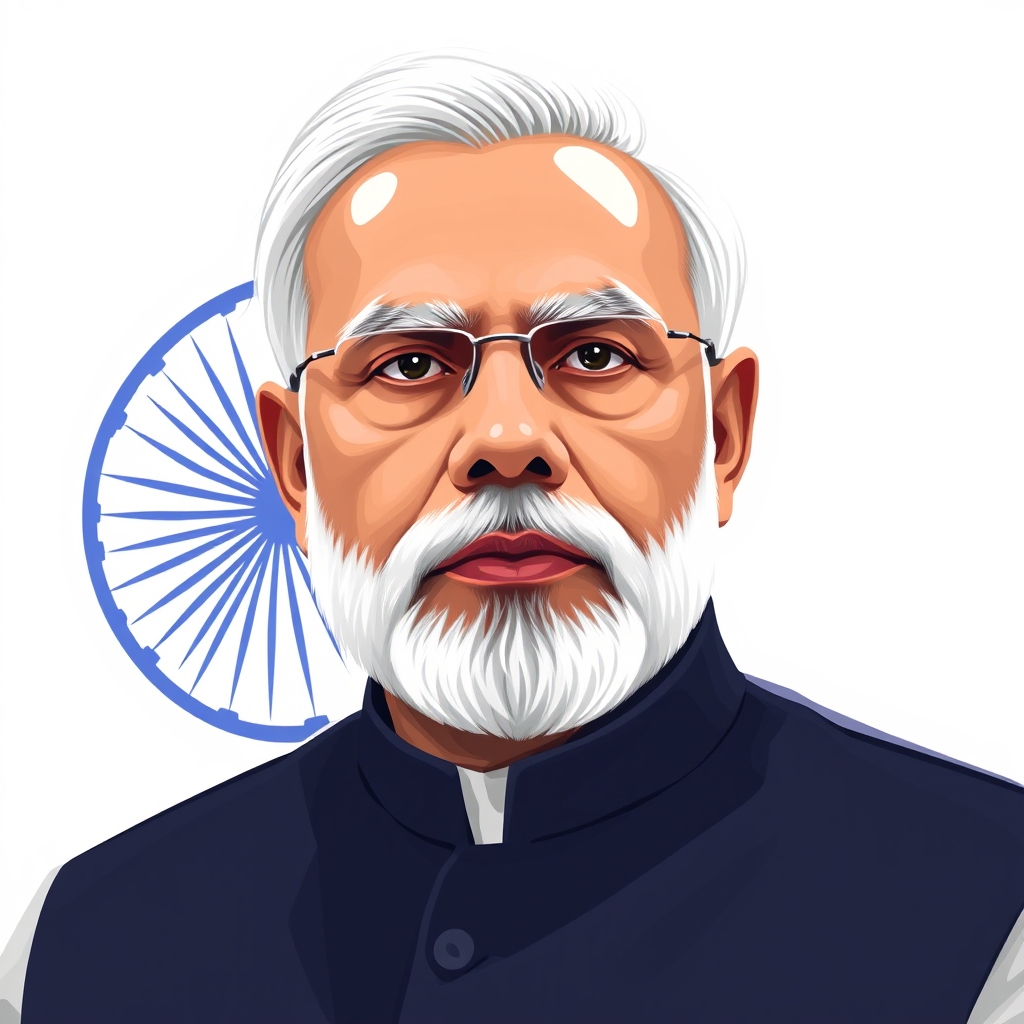

The husband of India's finance minister has joined mass protests against the revision of voter lists.
The article reports a dispute over election integrity and the voter-list revision process.
*AI-generated summary of publicly available data. This is not an official statement of any party.
*AI-generated summary of publicly available statements and reporting. This is not an official statement of this party.
Supporters of the Voter-list revision protesters argue that a finance minister's own husband joining the demonstrations shows the concern crosses party lines, framing voter-list integrity as a civic duty rather than partisan opposition.
Supporters of the Voter-list revision protesters argue that the participation of the finance minister's husband signals a widening cultural rift, with even establishment insiders questioning election integrity.
Supporters of Voter-list revision protesters counter that India's electoral tradition itself was built on movements that questioned inherited rolls, citing the long cultural memory of franchise struggles, and argue that transparency honors that legacy rather than eroding it.
Supporters of the Voter-list revision protesters argue that citizens hold a legal right to challenge voter-list revisions they deem unlawful, pointing to the finance minister's husband joining the protests as evidence that election-integrity concerns transcend party lines.
Supporters of Voter-list revision protesters argue that election integrity requires lawful, transparent revision of voter rolls, and point to the finance minister's husband joining the protests as evidence that even those close to power question the process's legality.
Supporters of the Voter-list revision protesters counter that statutory process alone doesn't guarantee a fair roll, arguing that legal remedies ring hollow when the burden falls on voters to prove eligibility before deletions take effect.
Supporters of the Voter-list revision protesters argue that an insider like the finance minister's husband joining the demonstrations signals real elite fracture, and they read that defection as leverage to force concessions from Modi.
Supporters of the Voter-list revision protesters argue that a ruling family member breaking ranks signals the revision threatens the government's own coalition, making elite defection their strongest leverage.
Supporters of Voter-list revision protesters counter that a minister's household dissent signals genuine alarm, not tactics—when insiders break ranks, it exposes risk the government would otherwise dismiss, making the messenger's proximity the strongest evidence.
Supporters of the voter-list revision protesters argue that questioning election integrity is a moral duty when voter rolls are revised, and point to the finance minister's husband joining the protests as evidence that even those close to power share this concern.
Supporters of the voter-list revision protesters argue that questioning election integrity is a moral duty when voter rolls are revised without scrutiny, and they cite the finance minister's husband joining the protests as evidence the concern crosses partisan lines.
Supporters of Voter-list revision protesters counter that protecting electoral integrity carries a moral duty to be transparent, and that dismissing concerns without public scrutiny risks eroding the very trust the process claims to defend.
Supporters of the Voter-list revision protesters argue that protecting each citizen's rightful place on the electoral roll is a moral duty rooted in justice and truth, and they maintain that safeguarding the vulnerable from exclusion honors the scriptural call to defend the widow.
Supporters of the Voter-list revision protesters argue that safeguarding the integrity of voter rolls is a moral and religious duty, maintaining that faithful stewardship of public institutions requires protecting every citizen's voice from exclusion.
Supporters of Voter-list revision protesters counter that the sacred duty of honest rolls falls on those who keep them, and that scripture warns against the powerful who "remove the landmarks" of the vulnerable.
*AI-generated summary of publicly available statements and reporting. This is not an official statement of this party.
Supporters of Modi government argue that questioning voter-list revision undermines public trust in inherited electoral institutions, and they frame calls for transparency as destabilizing rather than strengthening democratic continuity.
Supporters of Modi government argue that orderly voter rolls reflect the cultural value of institutional continuity, contending that established electoral procedures should be trusted and revised through lawful process rather than street protest.
Supporters of Modi government counter that India's electoral traditions and institutional continuity, not personal family ties, should anchor the debate, arguing that longstanding constitutional processes deserve deference over individual gestures.
Supporters of Modi government argue that voter-list revision is a lawful, statutory administrative process, and they point to existing legal remedies and institutional oversight as evidence the integrity of the electoral roll can be tested through proper channels rather than prot.
Supporters of Modi government argue that voter-list revision is a lawful, court-supervised administrative process, and they maintain that questioning election integrity without legal evidence undermines institutional trust.
Supporters of Modi government counter that voter-list revisions follow statutory procedures under the Representation of the People Act, and that legal challenges belong before election authorities and courts, not street protests.
Supporters of Modi government argue that questioning voter-list revision from within a minister's own household is a pressure tactic, and that electoral integrity must be defended regardless of who protests.
Supporters of Modi government argue that a spouse's protest is a private gesture carrying no institutional weight, and that questioning the voter-list revision mainly hands ammunition to opponents—so loyalty should be weighed against the coalition's electoral interests.
Supporters of Modi government counter that a single elite defection signals weakness, not leverage: they argue the finance minister's husband gains nothing by protesting while the government controls the machinery and can absorb or isolate such gestures.
Supporters of Modi government argue that revising voter lists is a legitimate, lawful duty to protect election integrity, and that questioning the process without evidence undermines public trust in fair elections.
Supporters of Modi government argue that revising voter lists is a routine, lawful duty to protect election integrity, and they maintain that questioning the process without evidence unfairly undermines public trust in fair elections.
Supporters of Modi government counter that election integrity is upheld through lawful institutional review, not street pressure, and that questioning the process on moral grounds imposes no obligation to bypass the Election Commission.
Supporters of Modi government argue that India's electoral rolls carry a moral, almost sacred trust, and that cleaning them upholds the honesty and order the nation's traditions demand.
Supporters of Modi government argue that protecting the integrity of voter rolls upholds a moral duty of honest stewardship, and they maintain that orderly, lawful revision of electoral lists preserves the trust on which public authority rests.
Supporters of Modi government counter that scriptural duty to the widow is fulfilled through due process, not by shielding the roll from scrutiny, arguing that truth and justice require removing ineligible entries so the vulnerable are not misrepresented.
AI-generated summary of publicly available statements and reporting. This is not an official statement of this party.
Supporters of the Voter-list revision protesters argue that a finance minister's own husband joining the demonstrations shows the concern crosses party lines, framing voter-list integrity as a civic duty rather than partisan opposition.
Supporters of the Voter-list revision protesters argue that the participation of the finance minister's husband signals a widening cultural rift, with even establishment insiders questioning election integrity.
Supporters of Voter-list revision protesters counter that India's electoral tradition itself was built on movements that questioned inherited rolls, citing the long cultural memory of franchise struggles, and argue that transparency honors that legacy rather than eroding it.
Supporters of the Voter-list revision protesters argue that citizens hold a legal right to challenge voter-list revisions they deem unlawful, pointing to the finance minister's husband joining the protests as evidence that election-integrity concerns transcend party lines.
Supporters of Voter-list revision protesters argue that election integrity requires lawful, transparent revision of voter rolls, and point to the finance minister's husband joining the protests as evidence that even those close to power question the process's legality.
Supporters of the Voter-list revision protesters counter that statutory process alone doesn't guarantee a fair roll, arguing that legal remedies ring hollow when the burden falls on voters to prove eligibility before deletions take effect.
Supporters of the Voter-list revision protesters argue that an insider like the finance minister's husband joining the demonstrations signals real elite fracture, and they read that defection as leverage to force concessions from Modi.
Supporters of the Voter-list revision protesters argue that a ruling family member breaking ranks signals the revision threatens the government's own coalition, making elite defection their strongest leverage.
Supporters of Voter-list revision protesters counter that a minister's household dissent signals genuine alarm, not tactics—when insiders break ranks, it exposes risk the government would otherwise dismiss, making the messenger's proximity the strongest evidence.
Supporters of the voter-list revision protesters argue that questioning election integrity is a moral duty when voter rolls are revised, and point to the finance minister's husband joining the protests as evidence that even those close to power share this concern.
Supporters of the voter-list revision protesters argue that questioning election integrity is a moral duty when voter rolls are revised without scrutiny, and they cite the finance minister's husband joining the protests as evidence the concern crosses partisan lines.
Supporters of Voter-list revision protesters counter that protecting electoral integrity carries a moral duty to be transparent, and that dismissing concerns without public scrutiny risks eroding the very trust the process claims to defend.
Supporters of the Voter-list revision protesters argue that protecting each citizen's rightful place on the electoral roll is a moral duty rooted in justice and truth, and they maintain that safeguarding the vulnerable from exclusion honors the scriptural call to defend the widow.
Supporters of the Voter-list revision protesters argue that safeguarding the integrity of voter rolls is a moral and religious duty, maintaining that faithful stewardship of public institutions requires protecting every citizen's voice from exclusion.
Supporters of Voter-list revision protesters counter that the sacred duty of honest rolls falls on those who keep them, and that scripture warns against the powerful who "remove the landmarks" of the vulnerable.
Supporters of Modi government argue that questioning voter-list revision undermines public trust in inherited electoral institutions, and they frame calls for transparency as destabilizing rather than strengthening democratic continuity.
Supporters of Modi government argue that orderly voter rolls reflect the cultural value of institutional continuity, contending that established electoral procedures should be trusted and revised through lawful process rather than street protest.
Supporters of Modi government counter that India's electoral traditions and institutional continuity, not personal family ties, should anchor the debate, arguing that longstanding constitutional processes deserve deference over individual gestures.
Supporters of Modi government argue that voter-list revision is a lawful, statutory administrative process, and they point to existing legal remedies and institutional oversight as evidence the integrity of the electoral roll can be tested through proper channels rather than prot.
Supporters of Modi government argue that voter-list revision is a lawful, court-supervised administrative process, and they maintain that questioning election integrity without legal evidence undermines institutional trust.
Supporters of Modi government counter that voter-list revisions follow statutory procedures under the Representation of the People Act, and that legal challenges belong before election authorities and courts, not street protests.
Supporters of Modi government argue that questioning voter-list revision from within a minister's own household is a pressure tactic, and that electoral integrity must be defended regardless of who protests.
Supporters of Modi government argue that a spouse's protest is a private gesture carrying no institutional weight, and that questioning the voter-list revision mainly hands ammunition to opponents—so loyalty should be weighed against the coalition's electoral interests.
Supporters of Modi government counter that a single elite defection signals weakness, not leverage: they argue the finance minister's husband gains nothing by protesting while the government controls the machinery and can absorb or isolate such gestures.
Supporters of Modi government argue that revising voter lists is a legitimate, lawful duty to protect election integrity, and that questioning the process without evidence undermines public trust in fair elections.
Supporters of Modi government argue that revising voter lists is a routine, lawful duty to protect election integrity, and they maintain that questioning the process without evidence unfairly undermines public trust in fair elections.
Supporters of Modi government counter that election integrity is upheld through lawful institutional review, not street pressure, and that questioning the process on moral grounds imposes no obligation to bypass the Election Commission.
Supporters of Modi government argue that India's electoral rolls carry a moral, almost sacred trust, and that cleaning them upholds the honesty and order the nation's traditions demand.
Supporters of Modi government argue that protecting the integrity of voter rolls upholds a moral duty of honest stewardship, and they maintain that orderly, lawful revision of electoral lists preserves the trust on which public authority rests.
Supporters of Modi government counter that scriptural duty to the widow is fulfilled through due process, not by shielding the roll from scrutiny, arguing that truth and justice require removing ineligible entries so the vulnerable are not misrepresented.
The husband of India’s finance minister in the Modi government has joined mass protests against voter-list revision.