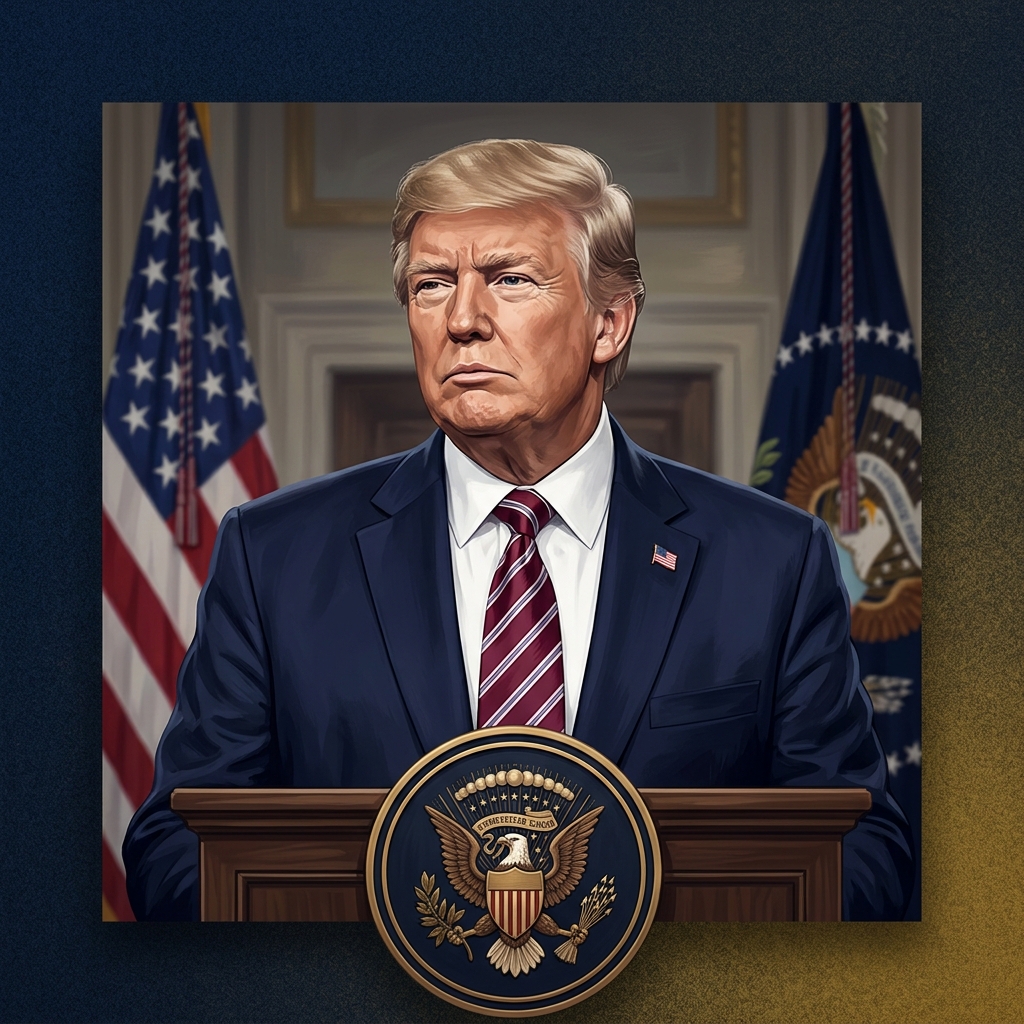
Washington

VS
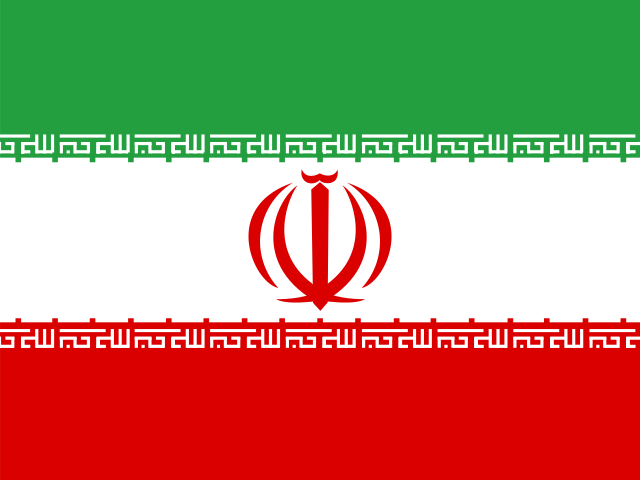
Tehran
Washington, Tehran, and the Gulf states are the three main parties to the Iran war.
Washington is the Trump administration, which launched the war and is now seeking an exit.
Tehran is the Iranian government, which is retaliating against US forces and US partners in the region.
The Gulf states are the Arab monarchies of the Persian Gulf, including Saudi Arabia, the United Arab Emirates, Qatar, Kuwait, Bahrain, and Oman, which host US bases and depend on Washington for security.
The three sides have conflicting interests.
Washington wants to end the war on terms that protect its forces and regional position, while Tehran seeks to impose costs on the United States and signal the vulnerability of its Gulf hosts.
The Gulf states, which opposed the war and had assured Tehran their territory would not be used against Iran, are now exposed to Iranian retaliation and fault Washington for failing to control the conflict or find an off-ramp.
The war has laid bare the weakness of US-Gulf ties.
The Gulf states have not been protected by the Abraham Accords or by economic interdependence, and they are being forced to rethink their security strategy as the Strait of Hormuz becomes a flashpoint.
Gulf leaders may increasingly question whether Washington is an reliable security partner.
*AI-generated summary of publicly available data. This is not an official statement of any party.
*AI-generated summary of publicly available statements and reporting. This is not an official statement of this party.
Supporters of Washington argue that cultural and religious freedom at home must not be compromised by negotiations with Tehran, insisting any exit from the war protect the American way of life.
Supporters of Washington frame the conflict as a defense of cultural sovereignty, arguing that Gulf states' distinct identities and borders must not be subsumed by Tehran's regional ambitions.
Supporters of Washington counter that cultural continuity is no shield for a theocracy that exports revolution abroad; they argue Gulf states' own traditions are threatened more by Tehran's ideology than by outside order.
Supporters of Washington counter that Gulf rulers invoke cultural fragility to outsource their defense while their citizens already host the bases and trade that sustain the fight.
Supporters of Washington argue that ending the war requires a legally binding nuclear framework, and they maintain that any regional settlement must rest on verified compliance rather than unilateral concessions.
Supporters of Washington argue that international law requires Iran to halt its nuclear program and regional attacks, and they maintain Gulf states have the legal right to self-defense.
Supporters of Washington counter that enforcement of nuclear nonproliferation obligations under the NPT and IAEA safeguards is a legal duty binding on all states, so parity cannot shield Tehran from verified compliance.
Supporters of Washington counter that binding Iran's regional conduct exceeds any nuclear deal's legal scope, since such mandates lack a sovereign enforcement mechanism the Gulf states themselves could invoke.
Supporters of Washington argue that ending the Iran war requires leveraging Gulf dependence on U.S. security guarantees to isolate Tehran, trading de-escalation for limits on its regional proxies.
Supporters of Washington argue that ending the Iran war requires leveraging Gulf dependence on US security to isolate Tehran, accepting a pragmatic exit over total victory.
Supporters of Washington counter that Gulf states hedge because US protection is real and costly to replace, so their leverage flows from basing rights and arms sales, not from Tehran's gestures.
Supporters of Washington counter that hedging fails once tested: they argue the Gulf states' survival depends on the security guarantee only Washington provides, and Tehran reads ambiguity as weakness, not neutrality.
Supporters of Washington argue that Iran's theocratic doctrine drives its regional aggression, so they frame the war's end as a moral duty to curb Tehran's influence and protect Gulf allies.
Supporters of Washington argue that Iran's regional aggression forced this war, so any exit must include guarantees against nuclear weapons and terror sponsorship, not just a ceasefire.
Supporters of Washington counter that sovereignty cannot shield a government from accountability for regional aggression, and that moral standing, not endurance of sanctions, must determine the terms of any settlement.
Supporters of Washington counter that moral duty to future generations also demands confronting Tehran's nuclear threat now, since unchecked proliferation risks far greater harm to those same people and ecosystems.
Supporters of Washington argue that a stable regional order, rooted in respect for sovereignty and religious freedom, offers the surest path to ending the Iran war and protecting the Gulf states.
Supporters of Washington argue that religious freedom and the region's longstanding faith traditions require protecting holy sites and civilian communities as the war spreads, and they maintain that stability for Gulf allies is a moral duty.
Supporters of Washington counter that the Quran also commands obedience to rightful authority and forbids fitna, so Tehran's export of revolution disrupts the ummah's unity and peace rather than defending it.
Supporters of Washington counter that religious legitimacy cannot be conferred by ruling institutions alone, since the Gulf monarchies' authority derives from dynastic inheritance rather than the clerical sanction that Shiite doctrine reserves to the ulema.
*AI-generated summary of publicly available statements and reporting. This is not an official statement of this party.
Supporters of Tehran argue that cultural continuity and sovereign independence are non-negotiable, maintaining that any settlement must respect Iran's inherited traditions and religious authority rather than impose outside order.
Supporters of Tehran argue that cultural continuity and sovereignty, not external pressure, anchor their position, insisting the region’s inherited order must not be reshaped by Washington’s search for an exit.
Supporters of Tehran counter that cultural continuity, not individual license, is the true foundation of a society, and that Washington's framing of "freedom" ignores how inherited religious tradition binds a nation together across generations.
Supporters of Tehran argue that any regional settlement must respect state sovereignty and international law, so they frame negotiations as legal parity between states, not terms set by Washington.
Supporters of Tehran argue that any exit deal must be legally binding and lift sanctions, since they view Washington's past withdrawals from agreements as proof that only enforceable terms can end the war.
Supporters of Tehran counter that the Nuclear Non-Proliferation Treaty already supplies binding legal obligations, so demands for a fresh framework exceed what international law requires of a signatory state.
Supporters of Tehran argue that Gulf states, dependent on US protection, will hedge toward whoever holds leverage; they maintain only demonstrated power, not goodwill, secures concessions from Washington.
Supporters of Tehran argue that Washington's search for an exit is leverage, not mercy: they maintain that Iran's best path is to widen the war's cost until the Gulf states, fearing for their own stability, press Washington for terms favorable to Tehran.
Supporters of Tehran counter that Gulf rulers, dependent on U.S. security guarantees, still hedge by trading with Tehran; they argue the leverage Washington claims is blunted because the Gulf states prioritize regime survival over isolating a neighbor.
Supporters of Tehran argue that after enduring years of sanctions and a war that has spread across the region, Iran deserves a settlement addressing its security and sovereignty, not terms imposed by Washington.
Supporters of Tehran argue that ending the war must include accountability for regional harms, insisting the moral burden for escalation does not fall on Iran alone.
Supporters of Tehran counter that Washington's moral framing ignores its own record of backing Gulf monarchies, and they argue the war's end should address the regional suffering caused by foreign intervention, not single out Iran's doctrine.
Supporters of Tehran invoke the Quranic principle that oppression is worse than killing, casting Iran's resistance as a religious duty to defend the ummah against foreign domination.
Supporters of Tehran argue that divine law and Quranic principles of justice demand resistance against foreign aggression, framing the conflict as a moral struggle between faith and oppression.
Supporters of Tehran counter that sovereignty and religious freedom mean little without divine law, since Qur'anic authority, not Washington's order, is the true source of stability for the region.
AI-generated summary of publicly available statements and reporting. This is not an official statement of this party.
Supporters of Washington argue that cultural and religious freedom at home must not be compromised by negotiations with Tehran, insisting any exit from the war protect the American way of life.
Supporters of Washington frame the conflict as a defense of cultural sovereignty, arguing that Gulf states' distinct identities and borders must not be subsumed by Tehran's regional ambitions.
Supporters of Washington counter that cultural continuity is no shield for a theocracy that exports revolution abroad; they argue Gulf states' own traditions are threatened more by Tehran's ideology than by outside order.
Supporters of Washington counter that Gulf rulers invoke cultural fragility to outsource their defense while their citizens already host the bases and trade that sustain the fight.
Supporters of Washington argue that ending the war requires a legally binding nuclear framework, and they maintain that any regional settlement must rest on verified compliance rather than unilateral concessions.
Supporters of Washington argue that international law requires Iran to halt its nuclear program and regional attacks, and they maintain Gulf states have the legal right to self-defense.
Supporters of Washington counter that enforcement of nuclear nonproliferation obligations under the NPT and IAEA safeguards is a legal duty binding on all states, so parity cannot shield Tehran from verified compliance.
Supporters of Washington counter that binding Iran's regional conduct exceeds any nuclear deal's legal scope, since such mandates lack a sovereign enforcement mechanism the Gulf states themselves could invoke.
Supporters of Washington argue that ending the Iran war requires leveraging Gulf dependence on U.S. security guarantees to isolate Tehran, trading de-escalation for limits on its regional proxies.
Supporters of Washington argue that ending the Iran war requires leveraging Gulf dependence on US security to isolate Tehran, accepting a pragmatic exit over total victory.
Supporters of Washington counter that Gulf states hedge because US protection is real and costly to replace, so their leverage flows from basing rights and arms sales, not from Tehran's gestures.
Supporters of Washington counter that hedging fails once tested: they argue the Gulf states' survival depends on the security guarantee only Washington provides, and Tehran reads ambiguity as weakness, not neutrality.
Supporters of Washington argue that Iran's theocratic doctrine drives its regional aggression, so they frame the war's end as a moral duty to curb Tehran's influence and protect Gulf allies.
Supporters of Washington argue that Iran's regional aggression forced this war, so any exit must include guarantees against nuclear weapons and terror sponsorship, not just a ceasefire.
Supporters of Washington counter that sovereignty cannot shield a government from accountability for regional aggression, and that moral standing, not endurance of sanctions, must determine the terms of any settlement.
Supporters of Washington counter that moral duty to future generations also demands confronting Tehran's nuclear threat now, since unchecked proliferation risks far greater harm to those same people and ecosystems.
Supporters of Washington argue that a stable regional order, rooted in respect for sovereignty and religious freedom, offers the surest path to ending the Iran war and protecting the Gulf states.
Supporters of Washington argue that religious freedom and the region's longstanding faith traditions require protecting holy sites and civilian communities as the war spreads, and they maintain that stability for Gulf allies is a moral duty.
Supporters of Washington counter that the Quran also commands obedience to rightful authority and forbids fitna, so Tehran's export of revolution disrupts the ummah's unity and peace rather than defending it.
Supporters of Washington counter that religious legitimacy cannot be conferred by ruling institutions alone, since the Gulf monarchies' authority derives from dynastic inheritance rather than the clerical sanction that Shiite doctrine reserves to the ulema.
Supporters of Tehran argue that cultural continuity and sovereign independence are non-negotiable, maintaining that any settlement must respect Iran's inherited traditions and religious authority rather than impose outside order.
Supporters of Tehran argue that cultural continuity and sovereignty, not external pressure, anchor their position, insisting the region’s inherited order must not be reshaped by Washington’s search for an exit.
Supporters of Tehran counter that cultural continuity, not individual license, is the true foundation of a society, and that Washington's framing of "freedom" ignores how inherited religious tradition binds a nation together across generations.
Supporters of Tehran argue that any regional settlement must respect state sovereignty and international law, so they frame negotiations as legal parity between states, not terms set by Washington.
Supporters of Tehran argue that any exit deal must be legally binding and lift sanctions, since they view Washington's past withdrawals from agreements as proof that only enforceable terms can end the war.
Supporters of Tehran counter that the Nuclear Non-Proliferation Treaty already supplies binding legal obligations, so demands for a fresh framework exceed what international law requires of a signatory state.
Supporters of Tehran argue that Gulf states, dependent on US protection, will hedge toward whoever holds leverage; they maintain only demonstrated power, not goodwill, secures concessions from Washington.
Supporters of Tehran argue that Washington's search for an exit is leverage, not mercy: they maintain that Iran's best path is to widen the war's cost until the Gulf states, fearing for their own stability, press Washington for terms favorable to Tehran.
Supporters of Tehran counter that Gulf rulers, dependent on U.S. security guarantees, still hedge by trading with Tehran; they argue the leverage Washington claims is blunted because the Gulf states prioritize regime survival over isolating a neighbor.
Supporters of Tehran argue that after enduring years of sanctions and a war that has spread across the region, Iran deserves a settlement addressing its security and sovereignty, not terms imposed by Washington.
Supporters of Tehran argue that ending the war must include accountability for regional harms, insisting the moral burden for escalation does not fall on Iran alone.
Supporters of Tehran counter that Washington's moral framing ignores its own record of backing Gulf monarchies, and they argue the war's end should address the regional suffering caused by foreign intervention, not single out Iran's doctrine.
Supporters of Tehran invoke the Quranic principle that oppression is worse than killing, casting Iran's resistance as a religious duty to defend the ummah against foreign domination.
Supporters of Tehran argue that divine law and Quranic principles of justice demand resistance against foreign aggression, framing the conflict as a moral struggle between faith and oppression.
Supporters of Tehran counter that sovereignty and religious freedom mean little without divine law, since Qur'anic authority, not Washington's order, is the true source of stability for the region.
Washington, Tehran and the Gulf states continue to pursue different objectives while searching for a way to end the Iran war.
The Carnegie Endowment published an analysis stating that the Iran war has made the weakness and exposure of the Gulf states very apparent, and that they have not been protected by the Abraham Accords or economic ties.
The Atlantic Council published an analysis suggesting Gulf leaders might fault Washington for an inability to control the conflict or for failing to find an off-ramp at an appropriate time.
Reuters reported that Gulf governments had assured Tehran they would not allow their territories or airspace to be used by Washington in the war, yet Iran has attacked Gulf states anyway.