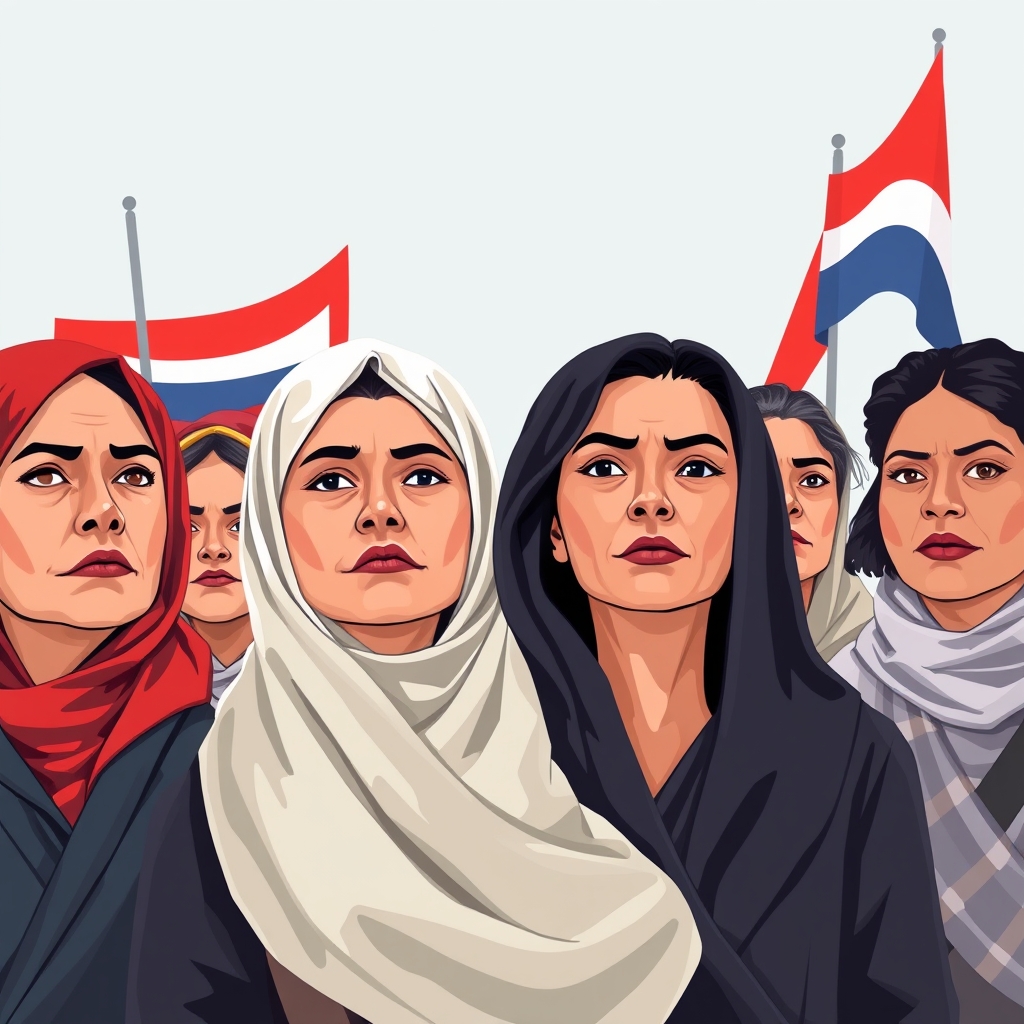
Women protesters
VS
New Delhi police

Women protesters in New Delhi are demonstrating against police brutality.
The article describes the protest and the grievances of the demonstrators toward law enforcement.
*AI-generated summary of publicly available data. This is not an official statement of any party.
*AI-generated summary of publicly available statements and reporting. This is not an official statement of this party.
Supporters of Women protesters argue the demonstrations carry a cultural memory of past movements against state violence, and they invoke that precedent to insist police brutality must be publicly named and answered for.
Supporters of the Women protesters argue that their demonstration carries forward India's long tradition of women-led civic resistance, and they point to that lineage as proof that public dissent is a legitimate cultural inheritance, not disorder.
Supporters of Women protesters counter that Indian civic culture has its own long tradition of peaceful protest, from Gandhian satyagraha onward, so questioning authority can be framed as civic duty rather than cultural betrayal.
Supporters of the Women protesters argue that peaceful assembly is a protected legal right and that the state's duty is to safeguard demonstrators, not subject them to brutality.
Supporters of the Women protesters argue that peaceful assembly is a protected legal right and that police brutality against demonstrators violates due process and the rule of law.
Supporters of Women protesters counter that officers' legal authority to maintain order is constrained by constitutional limits on speech restrictions, so enforcement judged only against statutory duties ignores whether the underlying law itself is valid.
Supporters of the Women protesters argue that publicly naming police brutality is itself leverage, forcing New Delhi's authorities to absorb reputational costs until concessions follow.
Supporters of Women protesters argue the Delhi police answer only to power, so public pressure and visibility—not appeals to authority—are the leverage that forces accountability.
Supporters of Women protesters counter that "public order" is defined by whoever holds power, so police authority already serves a political agenda; refusing to concede merely protects that arrangement, not neutral governance.
Supporters of the Women protesters argue that state force against peaceful demonstrators is a moral failure, maintaining that police brutality betrays the public trust law enforcement is meant to uphold.
Supporters of the Women protesters argue that nonviolent demonstration against state force is a moral right, and that police brutality against peaceful women erodes the legitimacy of law enforcement.
Supporters of Women protesters counter that invoking "public order" to police peaceful demonstrators inverts moral responsibility, since the state's duty to protect safety cannot justify silencing women demanding justice.
Supporters of the Women protesters invoke faith and moral duty, arguing that scripture commands justice and protection of the vulnerable, and that religious tradition obliges authorities to restrain violence against peaceful demonstrators.
Supporters of the Women protesters invoke the moral duty to defend the vulnerable from harm, arguing that faith traditions condemn brutality against peaceful demonstrators and that religious conscience obliges protection of human dignity.
Supporters of Women protesters counter that scripture consistently sides with the oppressed against unjust rulers, arguing that moral duty to God's justice outranks deference to earthly authority when that authority fails the vulnerable.
*AI-generated summary of publicly available statements and reporting. This is not an official statement of this party.
Supporters of New Delhi police argue that respect for law enforcement is a pillar of civic order and cultural continuity, and that public demonstrations questioning police authority risk eroding the trust and stability inherited institutions depend on.
Supporters of New Delhi police argue that respect for established authority and public order is a cultural cornerstone, and that orderly channels, not street confrontation, are how grievances should be raised.
Supporters of New Delhi police counter that policing rests on inherited institutional authority, arguing that established civic order and public trust in law enforcement carry cultural weight that protest precedent cannot override.
Supporters of New Delhi police argue that lawful assembly is protected but that officers retain legal authority to maintain public order, and they maintain that enforcement actions should be judged against statutory duties rather than protester grievances alone.
Supporters of New Delhi police argue that lawful assembly must operate within India's legal framework, and that enforcement actions taken under statutory authority preserve public order and national sovereignty.
Supporters of New Delhi police counter that the legal right to assembly is conditional, and that the police acted under lawful authority to impose order where protests exceeded permitted bounds.
Supporters of New Delhi police argue the force answers to public order, not protest demands, and that conceding to street pressure would erode the authority any city needs to govern.
Supporters of New Delhi police argue that visible order is the force's real mandate: allowing street protests to dictate terms invites disorder, so maintaining control, however contested, beats conceding authority to demonstrators.
Supporters of New Delhi police counter that visibility cuts both ways: once naming becomes leverage, authorities can reframe each disclosure as disorder, shifting reputational cost onto the protesters and justifying tighter controls.
Supporters of New Delhi police argue that lawful protest must remain peaceful and that enforcing public order protects the safety of all citizens, including the women demonstrating.
Supporters of New Delhi police argue that enforcing public order protects all citizens, and that lawful, peaceful channels—not street confrontation—are the moral route to redress grievances.
Supporters of New Delhi police counter that trust is a two-way moral contract, arguing that officers who face unlawful crowds uphold their duty to protect the public, so the moral failure lies with those who breach the peace.
Supporters of New Delhi police invoke the principle of lawful authority, arguing that respect for established order is a moral duty and that religious tradition commends deference to those who keep the peace.
Supporters of New Delhi police invoke the religious duty of upholding lawful authority, arguing that order and respect for institutions are sacred obligations that grievance, however sincere, cannot override.
Supporters of New Delhi police counter that scripture also commands respect for lawful authority and public order, and they argue that religious duty to restrain violence cannot be read as license for unauthorized protest.
AI-generated summary of publicly available statements and reporting. This is not an official statement of this party.
Supporters of Women protesters argue the demonstrations carry a cultural memory of past movements against state violence, and they invoke that precedent to insist police brutality must be publicly named and answered for.
Supporters of the Women protesters argue that their demonstration carries forward India's long tradition of women-led civic resistance, and they point to that lineage as proof that public dissent is a legitimate cultural inheritance, not disorder.
Supporters of Women protesters counter that Indian civic culture has its own long tradition of peaceful protest, from Gandhian satyagraha onward, so questioning authority can be framed as civic duty rather than cultural betrayal.
Supporters of the Women protesters argue that peaceful assembly is a protected legal right and that the state's duty is to safeguard demonstrators, not subject them to brutality.
Supporters of the Women protesters argue that peaceful assembly is a protected legal right and that police brutality against demonstrators violates due process and the rule of law.
Supporters of Women protesters counter that officers' legal authority to maintain order is constrained by constitutional limits on speech restrictions, so enforcement judged only against statutory duties ignores whether the underlying law itself is valid.
Supporters of the Women protesters argue that publicly naming police brutality is itself leverage, forcing New Delhi's authorities to absorb reputational costs until concessions follow.
Supporters of Women protesters argue the Delhi police answer only to power, so public pressure and visibility—not appeals to authority—are the leverage that forces accountability.
Supporters of Women protesters counter that "public order" is defined by whoever holds power, so police authority already serves a political agenda; refusing to concede merely protects that arrangement, not neutral governance.
Supporters of the Women protesters argue that state force against peaceful demonstrators is a moral failure, maintaining that police brutality betrays the public trust law enforcement is meant to uphold.
Supporters of the Women protesters argue that nonviolent demonstration against state force is a moral right, and that police brutality against peaceful women erodes the legitimacy of law enforcement.
Supporters of Women protesters counter that invoking "public order" to police peaceful demonstrators inverts moral responsibility, since the state's duty to protect safety cannot justify silencing women demanding justice.
Supporters of the Women protesters invoke faith and moral duty, arguing that scripture commands justice and protection of the vulnerable, and that religious tradition obliges authorities to restrain violence against peaceful demonstrators.
Supporters of the Women protesters invoke the moral duty to defend the vulnerable from harm, arguing that faith traditions condemn brutality against peaceful demonstrators and that religious conscience obliges protection of human dignity.
Supporters of Women protesters counter that scripture consistently sides with the oppressed against unjust rulers, arguing that moral duty to God's justice outranks deference to earthly authority when that authority fails the vulnerable.
Supporters of New Delhi police argue that respect for law enforcement is a pillar of civic order and cultural continuity, and that public demonstrations questioning police authority risk eroding the trust and stability inherited institutions depend on.
Supporters of New Delhi police argue that respect for established authority and public order is a cultural cornerstone, and that orderly channels, not street confrontation, are how grievances should be raised.
Supporters of New Delhi police counter that policing rests on inherited institutional authority, arguing that established civic order and public trust in law enforcement carry cultural weight that protest precedent cannot override.
Supporters of New Delhi police argue that lawful assembly is protected but that officers retain legal authority to maintain public order, and they maintain that enforcement actions should be judged against statutory duties rather than protester grievances alone.
Supporters of New Delhi police argue that lawful assembly must operate within India's legal framework, and that enforcement actions taken under statutory authority preserve public order and national sovereignty.
Supporters of New Delhi police counter that the legal right to assembly is conditional, and that the police acted under lawful authority to impose order where protests exceeded permitted bounds.
Supporters of New Delhi police argue the force answers to public order, not protest demands, and that conceding to street pressure would erode the authority any city needs to govern.
Supporters of New Delhi police argue that visible order is the force's real mandate: allowing street protests to dictate terms invites disorder, so maintaining control, however contested, beats conceding authority to demonstrators.
Supporters of New Delhi police counter that visibility cuts both ways: once naming becomes leverage, authorities can reframe each disclosure as disorder, shifting reputational cost onto the protesters and justifying tighter controls.
Supporters of New Delhi police argue that lawful protest must remain peaceful and that enforcing public order protects the safety of all citizens, including the women demonstrating.
Supporters of New Delhi police argue that enforcing public order protects all citizens, and that lawful, peaceful channels—not street confrontation—are the moral route to redress grievances.
Supporters of New Delhi police counter that trust is a two-way moral contract, arguing that officers who face unlawful crowds uphold their duty to protect the public, so the moral failure lies with those who breach the peace.
Supporters of New Delhi police invoke the principle of lawful authority, arguing that respect for established order is a moral duty and that religious tradition commends deference to those who keep the peace.
Supporters of New Delhi police invoke the religious duty of upholding lawful authority, arguing that order and respect for institutions are sacred obligations that grievance, however sincere, cannot override.
Supporters of New Delhi police counter that scripture also commands respect for lawful authority and public order, and they argue that religious duty to restrain violence cannot be read as license for unauthorized protest.
Women protest in New Delhi against police brutality