World leaders

VS
Iran
World leaders warn that geopolitical divisions are distracting from the climate crisis as negotiations focus on clean energy and financing.
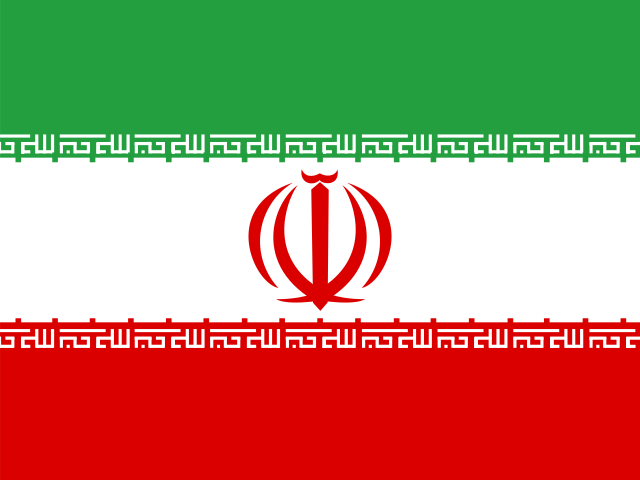
Iran calls for compensation for war-related environmental damage.
*AI-generated summary of publicly available data. This is not an official statement of any party.
*AI-generated summary of publicly available statements and reporting. This is not an official statement of this party.
Supporters of World leaders argue that shared cultural commitment to climate action must transcend geopolitical divisions, maintaining that nations should prioritize clean energy cooperation over conflict-driven claims.
Supporters of World leaders argue that shared cultural commitment to clean energy and climate financing must transcend geopolitical divisions, framing cooperation as a collective identity that outweighs wartime compensation claims.
Supporters of World leaders counter that cultural heritage claims cannot override a nation's right to self-determination, arguing that outside powers invoking moral debt often impose external values on sovereign communities.
Supporters of World leaders argue that international climate law obligates states to honor clean-energy and financing commitments regardless of geopolitical disputes, contending that treaty duties cannot be suspended by conflict.
Supporters of World leaders argue that legally binding clean-energy and financing commitments must take priority, maintaining that geopolitical disputes cannot justify delaying agreed climate obligations under international frameworks.
Supporters of World leaders counter that war-reparations liability and climate-finance obligations rest on separate legal instruments, so merging them at negotiations risks diluting binding commitments under the climate regime.
Supporters of World leaders argue that climate financing is leverage: keeping negotiations focused on clean energy lets major powers set terms and preserve coalition unity, while Iran's compensation demand is treated as a distraction from that bargaining position.
Supporters of World leaders argue that climate financing is leverage, not charity: keeping clean-energy money flowing preserves coalitions and influence, while compensation claims would set a costly precedent.
Supporters of World leaders counter that compensation framed as leverage invites reciprocal demands, so they treat financing as a bargaining chip tied to verifiable concessions rather than a moral debt owed to Iran.
Supporters of world leaders argue it is morally unjust to let geopolitical disputes stall climate action, holding that leaders bear a duty to deliver clean-energy financing rather than let division excuse delay.
Supporters of world leaders argue that morally, geopolitical disputes must not derail climate action, and that focusing negotiations on clean energy and financing is the responsible path for collective prosperity.
Supporters of World leaders counter that climate cooperation is a shared moral duty owed to future generations, not a bargaining chip—making it conditional on unrelated compensation claims risks punishing the innocent for disputes between states.
Supporters of World leaders frame the climate crisis as a moral and stewardship duty, arguing that geopolitical divisions distract from the shared obligation to care for creation, and that clean-energy financing should take priority over claims for war compensation.
Supporters of world leaders argue that stewardship of creation is a sacred duty, so geopolitical divisions must not eclipse the moral obligation to fund clean energy and honor climate commitments.
Supporters of World leaders counter that Islamic stewardship (khilafa) cuts both ways: they argue Iran's own religious duty to avoid harming creation undercuts its standing to demand compensation from others.
*AI-generated summary of publicly available statements and reporting. This is not an official statement of this party.
Supporters of Iran argue that war-related environmental damage is a cultural and moral debt owed by those who waged the conflicts, and that compensation honors the heritage and lands harmed.
Supporters of Iran argue that war-related environmental damage is a cultural and moral debt owed by those who waged the conflicts, maintaining that compensation honors the harmed communities and the traditions tied to their land.
Supporters of Iran counter that climate cooperation cannot be separated from cultural sovereignty, arguing that nations resisting external pressure must protect their own development traditions rather than adopt frameworks shaped by others.
Supporters of Iran argue that under international law, parties causing war-related environmental damage owe compensation, and they maintain climate negotiations must address reparations for conflict harm, not just clean energy financing.
Supporters of Iran argue that international law obligates belligerent states to compensate environmental damage caused by war, so climate financing commitments ring hollow while that legal liability remains unaddressed.
Supporters of Iran counter that climate treaties carry no enforcement mechanism overriding sovereignty, so financing duties remain voluntary pledges a state may lawfully suspend when sanctions block the resources needed to meet them.
Supporters of Iran argue that compensation for war-related environmental damage is leverage: a moral claim that extracts financing and legitimacy from powers whose climate pledges ring hollow.
Supporters of Iran argue that compensation for war-related environmental damage is leverage: framing reparations as climate justice forces adversaries to pay, converting grievance into bargaining power.
Supporters of Iran counter that compensation is itself leverage: framing the demand as a distraction lets major powers dodge liability while still extracting concessions, so they press the claim to force the terms of debate, not to derail it.
Supporters of Iran argue that it is morally inconsistent for world powers to demand climate cooperation while those harmed by war-driven environmental damage are denied compensation, framing accountability as a precondition for trust.
Supporters of Iran argue that those who wage war bear a moral duty to repair its environmental harm, framing compensation as justice owed rather than charity.
Supporters of Iran counter that a duty to finance clean energy cannot be morally binding when it is imposed through coercion, arguing that legitimate obligations arise only from voluntary consent, not from leaders' directives.
Supporters of Iran frame compensation for war-related environmental damage as a matter of religious justice, arguing that Islamic teaching obliges those who harm creation to restore it, and that moral accountability, not geopolitics, should guide climate financing.
Supporters of Iran argue that compensation for war-related environmental damage is a moral and religious duty owed to the harmed, invoking principles of justice and stewardship that predate modern negotiations.
Supporters of Iran counter that religious stewardship cannot be separated from justice, since the Qur'anic principle of mizan weighs compensation for the aggrieved as a sacred duty that precedes voluntary charity.
AI-generated summary of publicly available statements and reporting. This is not an official statement of this party.
Supporters of World leaders argue that shared cultural commitment to climate action must transcend geopolitical divisions, maintaining that nations should prioritize clean energy cooperation over conflict-driven claims.
Supporters of World leaders argue that shared cultural commitment to clean energy and climate financing must transcend geopolitical divisions, framing cooperation as a collective identity that outweighs wartime compensation claims.
Supporters of World leaders counter that cultural heritage claims cannot override a nation's right to self-determination, arguing that outside powers invoking moral debt often impose external values on sovereign communities.
Supporters of World leaders argue that international climate law obligates states to honor clean-energy and financing commitments regardless of geopolitical disputes, contending that treaty duties cannot be suspended by conflict.
Supporters of World leaders argue that legally binding clean-energy and financing commitments must take priority, maintaining that geopolitical disputes cannot justify delaying agreed climate obligations under international frameworks.
Supporters of World leaders counter that war-reparations liability and climate-finance obligations rest on separate legal instruments, so merging them at negotiations risks diluting binding commitments under the climate regime.
Supporters of World leaders argue that climate financing is leverage: keeping negotiations focused on clean energy lets major powers set terms and preserve coalition unity, while Iran's compensation demand is treated as a distraction from that bargaining position.
Supporters of World leaders argue that climate financing is leverage, not charity: keeping clean-energy money flowing preserves coalitions and influence, while compensation claims would set a costly precedent.
Supporters of World leaders counter that compensation framed as leverage invites reciprocal demands, so they treat financing as a bargaining chip tied to verifiable concessions rather than a moral debt owed to Iran.
Supporters of world leaders argue it is morally unjust to let geopolitical disputes stall climate action, holding that leaders bear a duty to deliver clean-energy financing rather than let division excuse delay.
Supporters of world leaders argue that morally, geopolitical disputes must not derail climate action, and that focusing negotiations on clean energy and financing is the responsible path for collective prosperity.
Supporters of World leaders counter that climate cooperation is a shared moral duty owed to future generations, not a bargaining chip—making it conditional on unrelated compensation claims risks punishing the innocent for disputes between states.
Supporters of World leaders frame the climate crisis as a moral and stewardship duty, arguing that geopolitical divisions distract from the shared obligation to care for creation, and that clean-energy financing should take priority over claims for war compensation.
Supporters of world leaders argue that stewardship of creation is a sacred duty, so geopolitical divisions must not eclipse the moral obligation to fund clean energy and honor climate commitments.
Supporters of World leaders counter that Islamic stewardship (khilafa) cuts both ways: they argue Iran's own religious duty to avoid harming creation undercuts its standing to demand compensation from others.
Supporters of Iran argue that war-related environmental damage is a cultural and moral debt owed by those who waged the conflicts, and that compensation honors the heritage and lands harmed.
Supporters of Iran argue that war-related environmental damage is a cultural and moral debt owed by those who waged the conflicts, maintaining that compensation honors the harmed communities and the traditions tied to their land.
Supporters of Iran counter that climate cooperation cannot be separated from cultural sovereignty, arguing that nations resisting external pressure must protect their own development traditions rather than adopt frameworks shaped by others.
Supporters of Iran argue that under international law, parties causing war-related environmental damage owe compensation, and they maintain climate negotiations must address reparations for conflict harm, not just clean energy financing.
Supporters of Iran argue that international law obligates belligerent states to compensate environmental damage caused by war, so climate financing commitments ring hollow while that legal liability remains unaddressed.
Supporters of Iran counter that climate treaties carry no enforcement mechanism overriding sovereignty, so financing duties remain voluntary pledges a state may lawfully suspend when sanctions block the resources needed to meet them.
Supporters of Iran argue that compensation for war-related environmental damage is leverage: a moral claim that extracts financing and legitimacy from powers whose climate pledges ring hollow.
Supporters of Iran argue that compensation for war-related environmental damage is leverage: framing reparations as climate justice forces adversaries to pay, converting grievance into bargaining power.
Supporters of Iran counter that compensation is itself leverage: framing the demand as a distraction lets major powers dodge liability while still extracting concessions, so they press the claim to force the terms of debate, not to derail it.
Supporters of Iran argue that it is morally inconsistent for world powers to demand climate cooperation while those harmed by war-driven environmental damage are denied compensation, framing accountability as a precondition for trust.
Supporters of Iran argue that those who wage war bear a moral duty to repair its environmental harm, framing compensation as justice owed rather than charity.
Supporters of Iran counter that a duty to finance clean energy cannot be morally binding when it is imposed through coercion, arguing that legitimate obligations arise only from voluntary consent, not from leaders' directives.
Supporters of Iran frame compensation for war-related environmental damage as a matter of religious justice, arguing that Islamic teaching obliges those who harm creation to restore it, and that moral accountability, not geopolitics, should guide climate financing.
Supporters of Iran argue that compensation for war-related environmental damage is a moral and religious duty owed to the harmed, invoking principles of justice and stewardship that predate modern negotiations.
Supporters of Iran counter that religious stewardship cannot be separated from justice, since the Qur'anic principle of mizan weighs compensation for the aggrieved as a sacred duty that precedes voluntary charity.
World leaders warn that geopolitical divisions are distracting from the climate crisis as negotiations focus on clean energy and financing, while Iran calls for compensation for war-related environmental damage.