Xi Jinping
VS
Observers

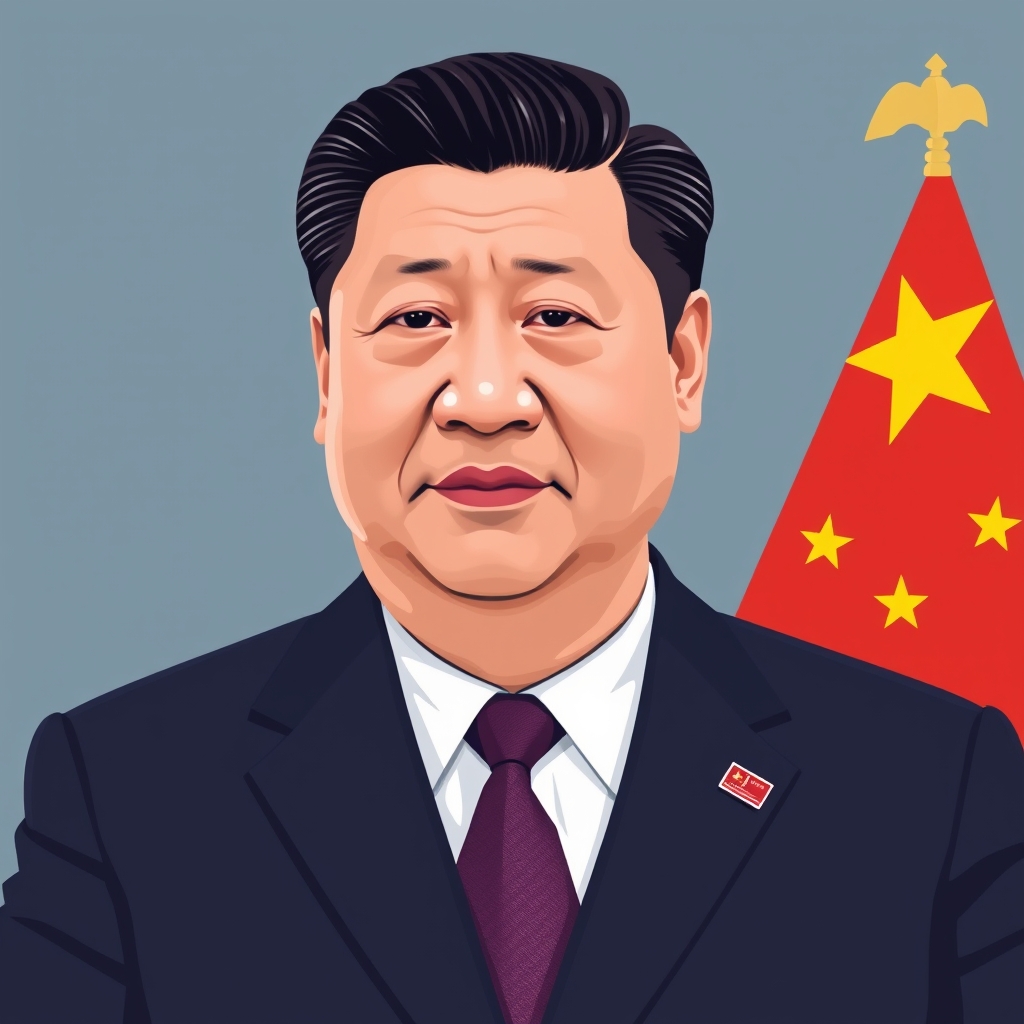
At a major political gathering, Xi Jinping emphasized 'party discipline' amid a record number of purges.
Observers describe the anti-corruption campaign as an effort to consolidate and maintain authority, raising debate over its purpose and impact.
*AI-generated summary of publicly available data. This is not an official statement of any party.
*AI-generated summary of publicly available statements and reporting. This is not an official statement of this party.
Supporters of Xi Jinping argue that party discipline reflects a traditional emphasis on moral order and collective duty, maintaining that upholding inherited institutional standards preserves stability and public trust.
Supporters of Xi Jinping argue that party discipline upholds the cultural continuity of collective responsibility and social order, framing the purges as restoration of inherited standards rather than consolidation of authority.
Supporters of Xi Jinping counter that anti-corruption drives reflect a cultural commitment to governing integrity and public trust, not mere consolidation, and they see the removals as restoring accountability.
Supporters of Xi Jinping argue that party discipline and anti-corruption purges are lawful exercises of internal governance, applying established rules uniformly to enforce accountability and protect institutional integrity.
Supporters of Xi Jinping argue that party discipline and anti-corruption purges are lawful measures enforcing internal rules and the constitution, not political consolidation.
Supporters of Xi Jinping counter that anti-corruption review operates through Party disciplinary rules and the National Supervision Law, which they describe as a lawful, statutory framework rather than an absence of legal process.
Supporters of Xi Jinping argue that party discipline is the mechanism binding a vast organization to one chain of command, and that purges remove rivals who could fracture that command—order being the precondition for any policy to survive.
Supporters of Xi Jinping argue that party discipline and purges are tools for keeping the leadership accountable and unified, and they point to the record enforcement as evidence that authority is being consolidated to prevent factional drift.
Supporters of Xi Jinping counter that purging corrupt officials is itself the mechanism of control: a disciplined, loyalty-tested apparatus is the precondition for any authority to govern, so the campaign's consolidation and its anti-graft aims are inseparable, not a cover story.
Supporters of Xi Jinping argue that party discipline reflects a moral commitment to rooting out corruption and holding officials accountable, pointing to the purges as evidence that no one is above the rules.
Supporters of Xi Jinping argue that party discipline and anti-corruption purges serve a moral purpose—holding officials accountable and keeping power tied to public trust rather than personal gain.
Supporters of Xi Jinping counter that discipline serves the moral duty of rooting out corruption that harms ordinary citizens, and they argue that internal Party self-purification, not external checks, has delivered tangible accountability.
Supporters of Xi Jinping argue that party discipline reflects a moral and doctrinal commitment to upright governance, framing the anti-corruption purges as a principled renewal of integrity rather than a mere contest for authority.
Supporters of Xi Jinping frame party discipline as a moral and doctrinal renewal, arguing that purging corruption mirrors scripture's call to cleanse the community of wrongdoing and restore righteous order.
Supporters of Xi Jinping counter that framing anti-corruption work as quasi-religious ritual misreads it: they argue the campaign enforces a rule-based legal and disciplinary order, not a sacred rite, and that rooting out graft is its stated aim.
*AI-generated summary of publicly available statements and reporting. This is not an official statement of this party.
Supporters of the Observers view the purges as a cultural pattern: they argue that discipline campaigns historically serve to centralize authority, and see the record removals as evidence of consolidation rather than reform.
Supporters of the Observers argue that China's anti-corruption purges echo a recurring dynastic pattern, where campaigns framed as moral housecleaning mainly serve to consolidate a leader's authority over the party.
Observers counter that appeals to tradition and collective duty often serve to suppress cultural pluralism, arguing that a single imposed moral order erodes the diverse local customs and minority identities that actually sustain social trust.
Supporters of the Observers argue that party discipline enforced through purges lacks independent legal due process, and they maintain that anti-corruption authority unchecked by transparent courts risks serving power consolidation rather than the rule of law.
Supporters of the Observers argue that the purges raise legal due-process concerns, maintaining that unchecked party discipline consolidates authority rather than serving impartial rule of law.
Supporters of Observers counter that internal party discipline lacks independent judicial review, so rules applied without external oversight cannot be called lawful accountability under established legal norms.
Supporters of the Observers argue that the anti-corruption campaign is less about rooting out graft than about consolidating authority, using party discipline to remove rivals and tighten control over the apparatus.
Supporters of Observers argue the purges are less about corruption than control: party discipline, in their view, is a mechanism to concentrate authority and remove rivals before consolidation.
Observers counter that purges void the very rivals whose loyalty discipline was meant to secure, leaving a chain of command staffed by those who advanced by denouncing others—an incentive that erodes the order Xi's supporters claim to protect.
Supporters of Observers argue that a campaign defined by record purges and framed around discipline risks treating accountability as a tool of control, and they contend that moral legitimacy in governance depends on independent checks rather than loyalty alone.
Supporters of Observers argue that a campaign purging record numbers of officials while demanding stricter party discipline raises a moral question: whether anti-corruption is a principle or a tool for consolidating authority.
Supporters of Observers counter that discipline applied selectively, without independent review, cannot claim moral authority—accountability that exempts the highest ranks risks serving power rather than justice.
Supporters of the Observers argue that the purges serve a quasi-religious function, reinforcing the party's moral authority and ritual discipline; in their view, the campaign consolidates obedience rather than rooting out corruption.
Supporters of the Observers argue that the anti-corruption campaign functions as a quasi-religious ritual of purification, using moral discipline to sanctify authority rather than to reform it.
Observers counter that a religious lens reveals the flaw: campaigns framed as moral renewal rest on the shifting judgment of one leader rather than transcendent standards, making coerced virtue indistinguishable from loyalty to power.
AI-generated summary of publicly available statements and reporting. This is not an official statement of this party.
Supporters of Xi Jinping argue that party discipline reflects a traditional emphasis on moral order and collective duty, maintaining that upholding inherited institutional standards preserves stability and public trust.
Supporters of Xi Jinping argue that party discipline upholds the cultural continuity of collective responsibility and social order, framing the purges as restoration of inherited standards rather than consolidation of authority.
Supporters of Xi Jinping counter that anti-corruption drives reflect a cultural commitment to governing integrity and public trust, not mere consolidation, and they see the removals as restoring accountability.
Supporters of Xi Jinping argue that party discipline and anti-corruption purges are lawful exercises of internal governance, applying established rules uniformly to enforce accountability and protect institutional integrity.
Supporters of Xi Jinping argue that party discipline and anti-corruption purges are lawful measures enforcing internal rules and the constitution, not political consolidation.
Supporters of Xi Jinping counter that anti-corruption review operates through Party disciplinary rules and the National Supervision Law, which they describe as a lawful, statutory framework rather than an absence of legal process.
Supporters of Xi Jinping argue that party discipline is the mechanism binding a vast organization to one chain of command, and that purges remove rivals who could fracture that command—order being the precondition for any policy to survive.
Supporters of Xi Jinping argue that party discipline and purges are tools for keeping the leadership accountable and unified, and they point to the record enforcement as evidence that authority is being consolidated to prevent factional drift.
Supporters of Xi Jinping counter that purging corrupt officials is itself the mechanism of control: a disciplined, loyalty-tested apparatus is the precondition for any authority to govern, so the campaign's consolidation and its anti-graft aims are inseparable, not a cover story.
Supporters of Xi Jinping argue that party discipline reflects a moral commitment to rooting out corruption and holding officials accountable, pointing to the purges as evidence that no one is above the rules.
Supporters of Xi Jinping argue that party discipline and anti-corruption purges serve a moral purpose—holding officials accountable and keeping power tied to public trust rather than personal gain.
Supporters of Xi Jinping counter that discipline serves the moral duty of rooting out corruption that harms ordinary citizens, and they argue that internal Party self-purification, not external checks, has delivered tangible accountability.
Supporters of Xi Jinping argue that party discipline reflects a moral and doctrinal commitment to upright governance, framing the anti-corruption purges as a principled renewal of integrity rather than a mere contest for authority.
Supporters of Xi Jinping frame party discipline as a moral and doctrinal renewal, arguing that purging corruption mirrors scripture's call to cleanse the community of wrongdoing and restore righteous order.
Supporters of Xi Jinping counter that framing anti-corruption work as quasi-religious ritual misreads it: they argue the campaign enforces a rule-based legal and disciplinary order, not a sacred rite, and that rooting out graft is its stated aim.
Supporters of the Observers view the purges as a cultural pattern: they argue that discipline campaigns historically serve to centralize authority, and see the record removals as evidence of consolidation rather than reform.
Supporters of the Observers argue that China's anti-corruption purges echo a recurring dynastic pattern, where campaigns framed as moral housecleaning mainly serve to consolidate a leader's authority over the party.
Observers counter that appeals to tradition and collective duty often serve to suppress cultural pluralism, arguing that a single imposed moral order erodes the diverse local customs and minority identities that actually sustain social trust.
Supporters of the Observers argue that party discipline enforced through purges lacks independent legal due process, and they maintain that anti-corruption authority unchecked by transparent courts risks serving power consolidation rather than the rule of law.
Supporters of the Observers argue that the purges raise legal due-process concerns, maintaining that unchecked party discipline consolidates authority rather than serving impartial rule of law.
Supporters of Observers counter that internal party discipline lacks independent judicial review, so rules applied without external oversight cannot be called lawful accountability under established legal norms.
Supporters of the Observers argue that the anti-corruption campaign is less about rooting out graft than about consolidating authority, using party discipline to remove rivals and tighten control over the apparatus.
Supporters of Observers argue the purges are less about corruption than control: party discipline, in their view, is a mechanism to concentrate authority and remove rivals before consolidation.
Observers counter that purges void the very rivals whose loyalty discipline was meant to secure, leaving a chain of command staffed by those who advanced by denouncing others—an incentive that erodes the order Xi's supporters claim to protect.
Supporters of Observers argue that a campaign defined by record purges and framed around discipline risks treating accountability as a tool of control, and they contend that moral legitimacy in governance depends on independent checks rather than loyalty alone.
Supporters of Observers argue that a campaign purging record numbers of officials while demanding stricter party discipline raises a moral question: whether anti-corruption is a principle or a tool for consolidating authority.
Supporters of Observers counter that discipline applied selectively, without independent review, cannot claim moral authority—accountability that exempts the highest ranks risks serving power rather than justice.
Supporters of the Observers argue that the purges serve a quasi-religious function, reinforcing the party's moral authority and ritual discipline; in their view, the campaign consolidates obedience rather than rooting out corruption.
Supporters of the Observers argue that the anti-corruption campaign functions as a quasi-religious ritual of purification, using moral discipline to sanctify authority rather than to reform it.
Observers counter that a religious lens reveals the flaw: campaigns framed as moral renewal rest on the shifting judgment of one leader rather than transcendent standards, making coerced virtue indistinguishable from loyalty to power.
Xi Jinping emphasizes 'party discipline' at a political gathering marked by a record number of purges.