Chinese and Gulf state airlines
VS
Zelensky
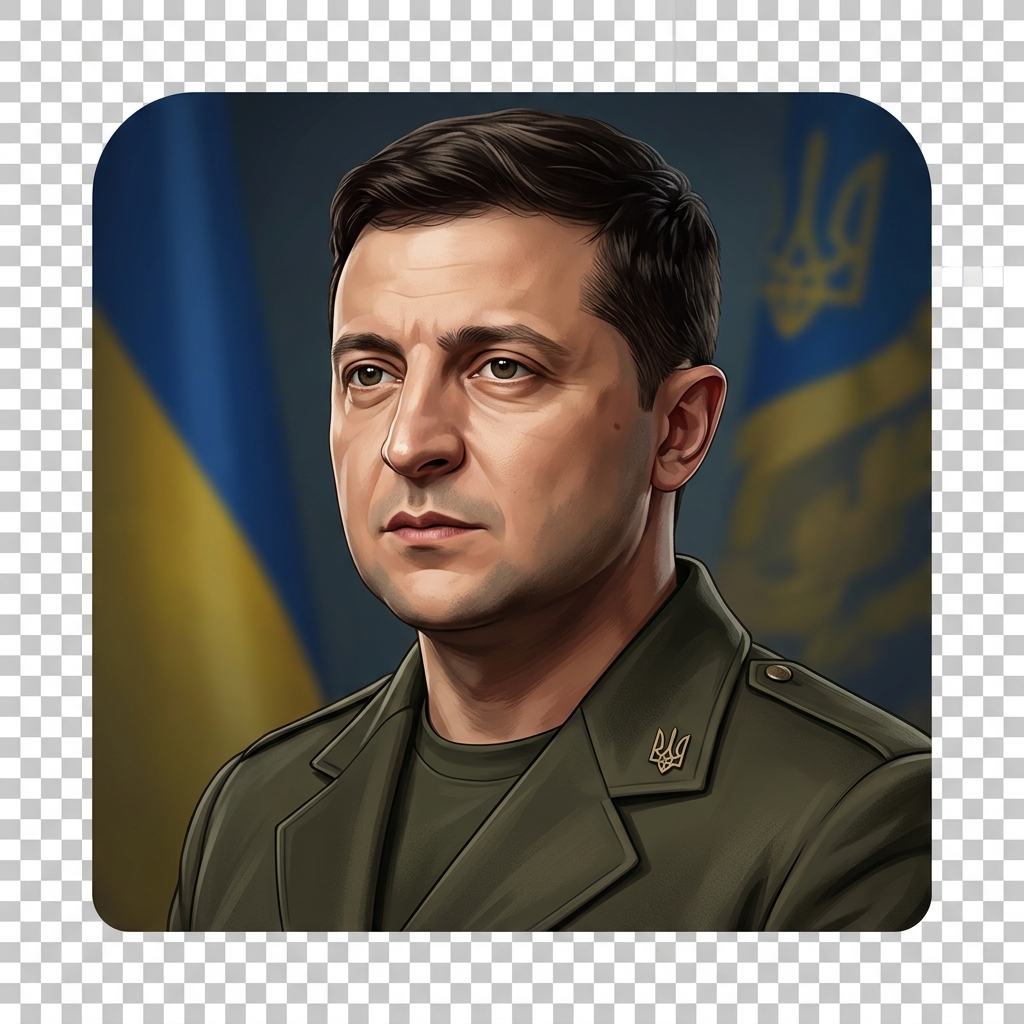
Volodymyr Zelensky is the President of Ukraine, a country that has been defending itself against a full-scale Russian invasion.
Chinese, Turkish, and Gulf state airlines are international carriers that continue to operate flights through Russian airspace, drawn by significant savings in time and fuel on routes between Asia and Europe.
Zelensky has publicly urged these airlines to avoid Russian airspace, warning that the sky over Russia is becoming unsafe as Ukraine escalates its drone operations.
Russia, in turn, has threatened to intensify attacks on Ukraine, raising safety and geopolitical concerns for international aviation.
The dispute centers on whether commercial airlines should prioritize economic efficiency or heed the security warnings from a country at war.
*AI-generated summary of publicly available data. This is not an official statement of any party.
*AI-generated summary of publicly available statements and reporting. This is not an official statement of this party.
Supporters of Chinese and Gulf state airlines see their continued overflight of Russia as a practical choice rooted in commercial sovereignty, not political alignment with Moscow.
Supporters of Chinese and Gulf state airlines argue that their continued flights over Russia reflect a sovereign choice to prioritize commercial ties and regional stability over external political pressures, viewing airspace access as a matter of national interest and cultural au.
Advocates for Chinese and Gulf state airlines counter that cultural solidarity must respect national narratives, as their routes reflect sovereign trade ties and non-alignment, not endorsement of any conflict.
Supporters of Chinese and Gulf state airlines argue that no binding legal obligation requires them to alter routes absent an official aviation ban, and they cite sovereign overflight rights as lawful grounds for their continued operations.
Supporters of Chinese and Gulf state airlines argue that international law grants sovereign states the right to set their own airspace policies, and these carriers are legally complying with Russian regulations.
Supporters of Chinese and Gulf state airlines counter that the Chicago Convention assigns safety oversight to the flag state, not foreign leaders, and no treaty bars overflight absent a binding ICAO prohibition.
Supporters of Chinese and Gulf state airlines argue that their carriers prioritize commercial realism over symbolic alignment, noting that Russia’s airspace remains open and profitable while Ukraine’s warnings carry no enforceable leverage.
Supporters of Chinese and Gulf state airlines argue their carriers are gaming realpolitik, not ignoring risk, by balancing Russian overflight fees against Ukraine’s rhetoric, which they see as a pressure tactic that Moscow alone controls.
Supporters of Chinese and Gulf state airlines counter that Zelensky’s warning is less about morality and more about leveraging their networks—forcing carriers to choose sides while his own skies stay closed, a move that protects Western hubs at their expense.
Supporters of Chinese and Gulf state airlines argue that prioritizing their citizens' connectivity and commercial duties reflects a moral obligation to serve global publics, not a disregard for conflict; they maintain that neutral, consistent flight operations can uphold humanita.
Supporters of Chinese and Gulf state airlines argue that their continued flights over Russia serve the moral imperative of global connectivity, ensuring millions retain access to travel and trade amidst conflict.
Supporters of Chinese and Gulf state airlines counter that moral duty flows through diplomatic channels, not commercial ones, and that isolating Russian airspace would punish global travelers while leaving war funding untouched—the real ethical weight rests on nations, not carrie.
Supporters of Chinese and Gulf state airlines see their continued flights over Russia as a prudent stewardship of commerce, honoring the biblical call to render unto Caesar what is Caesar's, while avoiding entanglement in another's war.
Supporters of Chinese and Gulf state airlines argue that their continued use of Russian airspace reflects a pragmatic stewardship of safe, uninterrupted travel, viewing flight paths as neutral corridors unbound by political conflict.
Supporters of Chinese and Gulf state airlines counter that mercy requires engagement, not isolation; scripture calls for peacemaking through dialogue, and their flights sustain humanitarian lifelines across conflicted regions, honoring a higher duty to serve all peoples.
*AI-generated summary of publicly available statements and reporting. This is not an official statement of this party.
Supporters of Zelensky argue that cultural solidarity with Ukraine’s sovereignty should outweigh commercial convenience, as Chinese and Gulf airlines’ flights over Russia legitimize an aggressor’s airspace.
Supporters of Zelensky argue that Western carriers' compliance with airspace warnings reflects a shared cultural commitment to lawful order, while Chinese and Gulf airlines prioritize commercial gain over the international norms Ukraine defends.
Supporters of Zelensky counter that commercial sovereignty cannot justify routing profits through a nation accused of war crimes, arguing that such overflights culturally legitimize Moscow's aggression and erode the moral authority Ukraine defends.
Supporters of Zelensky argue that states have a legal duty to protect civil aviation from foreseeable risk, so carriers using Russian airspace breach international safety obligations under the Chicago Convention.
Supporters of Zelensky argue that international aviation law obliges states to prioritize passenger safety, and China and Gulf carriers' continued use of Russian airspace undermines global risk standards.
Supporters of Zelensky counter that lawful overflight rights do not immunize airlines from complicity in aggression, citing UN Charter principles and the ICJ’s provisional measures as binding legal context.
Supporters of Zelensky argue his warning is a calculated move to weaponize airspace, forcing Chinese and Gulf carriers into a geopolitical corner where neutrality reads as complicity with Russia's aggression.
Supporters of Zelensky argue that his airspace warning is a power play: by framing airline routes as a moral test, Ukraine pressures neutral carriers to choose sides while Russia’s retaliatory threats expose their real leverage—commercial fear, not safety.
Supporters of Zelensky counter that commercial realism is a mirage when Russia’s airspace sustains a war economy, and Gulf and Chinese carriers’ profits now fund a rival’s logistics.
Supporters of Zelensky argue that airlines profiting from Russian airspace are morally complicit in funding a war machine, as their fees bolster Moscow’s capacity to strike Ukrainian civilians.
Supporters of Zelensky argue that airlines profiting from Russian overflights bear a moral duty to prioritize civilian safety over commercial gain, as their continued flights finance a regime that threatens Ukrainian lives.
Supporters of Zelensky counter that neutrality in flight operations is a moral failure when it enables Russia’s war economy; they argue that prioritizing connectivity over Ukrainian lives ignores the humanitarian cost of every landing that sustains aggression.
Supporters of Zelensky argue that airlines choosing profit over principle in Russian airspace disregard a sacred duty to protect human life, treating Ukrainian skies as collateral in a moral struggle.
Supporters of Zelensky argue that flying over Russian airspace treats tyranny as normal, betraying the moral duty to shun complicity in aggression.
Supporters of Zelensky counter that commerce without conscience betrays the sacred duty to protect the innocent, recalling that no Caesar’s coin justifies flying over a land where war crimes unfold daily.
AI-generated summary of publicly available statements and reporting. This is not an official statement of this party.
Supporters of Chinese and Gulf state airlines see their continued overflight of Russia as a practical choice rooted in commercial sovereignty, not political alignment with Moscow.
Supporters of Chinese and Gulf state airlines argue that their continued flights over Russia reflect a sovereign choice to prioritize commercial ties and regional stability over external political pressures, viewing airspace access as a matter of national interest and cultural au.
Advocates for Chinese and Gulf state airlines counter that cultural solidarity must respect national narratives, as their routes reflect sovereign trade ties and non-alignment, not endorsement of any conflict.
Supporters of Chinese and Gulf state airlines argue that no binding legal obligation requires them to alter routes absent an official aviation ban, and they cite sovereign overflight rights as lawful grounds for their continued operations.
Supporters of Chinese and Gulf state airlines argue that international law grants sovereign states the right to set their own airspace policies, and these carriers are legally complying with Russian regulations.
Supporters of Chinese and Gulf state airlines counter that the Chicago Convention assigns safety oversight to the flag state, not foreign leaders, and no treaty bars overflight absent a binding ICAO prohibition.
Supporters of Chinese and Gulf state airlines argue that their carriers prioritize commercial realism over symbolic alignment, noting that Russia’s airspace remains open and profitable while Ukraine’s warnings carry no enforceable leverage.
Supporters of Chinese and Gulf state airlines argue their carriers are gaming realpolitik, not ignoring risk, by balancing Russian overflight fees against Ukraine’s rhetoric, which they see as a pressure tactic that Moscow alone controls.
Supporters of Chinese and Gulf state airlines counter that Zelensky’s warning is less about morality and more about leveraging their networks—forcing carriers to choose sides while his own skies stay closed, a move that protects Western hubs at their expense.
Supporters of Chinese and Gulf state airlines argue that prioritizing their citizens' connectivity and commercial duties reflects a moral obligation to serve global publics, not a disregard for conflict; they maintain that neutral, consistent flight operations can uphold humanita.
Supporters of Chinese and Gulf state airlines argue that their continued flights over Russia serve the moral imperative of global connectivity, ensuring millions retain access to travel and trade amidst conflict.
Supporters of Chinese and Gulf state airlines counter that moral duty flows through diplomatic channels, not commercial ones, and that isolating Russian airspace would punish global travelers while leaving war funding untouched—the real ethical weight rests on nations, not carrie.
Supporters of Chinese and Gulf state airlines see their continued flights over Russia as a prudent stewardship of commerce, honoring the biblical call to render unto Caesar what is Caesar's, while avoiding entanglement in another's war.
Supporters of Chinese and Gulf state airlines argue that their continued use of Russian airspace reflects a pragmatic stewardship of safe, uninterrupted travel, viewing flight paths as neutral corridors unbound by political conflict.
Supporters of Chinese and Gulf state airlines counter that mercy requires engagement, not isolation; scripture calls for peacemaking through dialogue, and their flights sustain humanitarian lifelines across conflicted regions, honoring a higher duty to serve all peoples.
Supporters of Zelensky argue that cultural solidarity with Ukraine’s sovereignty should outweigh commercial convenience, as Chinese and Gulf airlines’ flights over Russia legitimize an aggressor’s airspace.
Supporters of Zelensky argue that Western carriers' compliance with airspace warnings reflects a shared cultural commitment to lawful order, while Chinese and Gulf airlines prioritize commercial gain over the international norms Ukraine defends.
Supporters of Zelensky counter that commercial sovereignty cannot justify routing profits through a nation accused of war crimes, arguing that such overflights culturally legitimize Moscow's aggression and erode the moral authority Ukraine defends.
Supporters of Zelensky argue that states have a legal duty to protect civil aviation from foreseeable risk, so carriers using Russian airspace breach international safety obligations under the Chicago Convention.
Supporters of Zelensky argue that international aviation law obliges states to prioritize passenger safety, and China and Gulf carriers' continued use of Russian airspace undermines global risk standards.
Supporters of Zelensky counter that lawful overflight rights do not immunize airlines from complicity in aggression, citing UN Charter principles and the ICJ’s provisional measures as binding legal context.
Supporters of Zelensky argue his warning is a calculated move to weaponize airspace, forcing Chinese and Gulf carriers into a geopolitical corner where neutrality reads as complicity with Russia's aggression.
Supporters of Zelensky argue that his airspace warning is a power play: by framing airline routes as a moral test, Ukraine pressures neutral carriers to choose sides while Russia’s retaliatory threats expose their real leverage—commercial fear, not safety.
Supporters of Zelensky counter that commercial realism is a mirage when Russia’s airspace sustains a war economy, and Gulf and Chinese carriers’ profits now fund a rival’s logistics.
Supporters of Zelensky argue that airlines profiting from Russian airspace are morally complicit in funding a war machine, as their fees bolster Moscow’s capacity to strike Ukrainian civilians.
Supporters of Zelensky argue that airlines profiting from Russian overflights bear a moral duty to prioritize civilian safety over commercial gain, as their continued flights finance a regime that threatens Ukrainian lives.
Supporters of Zelensky counter that neutrality in flight operations is a moral failure when it enables Russia’s war economy; they argue that prioritizing connectivity over Ukrainian lives ignores the humanitarian cost of every landing that sustains aggression.
Supporters of Zelensky argue that airlines choosing profit over principle in Russian airspace disregard a sacred duty to protect human life, treating Ukrainian skies as collateral in a moral struggle.
Supporters of Zelensky argue that flying over Russian airspace treats tyranny as normal, betraying the moral duty to shun complicity in aggression.
Supporters of Zelensky counter that commerce without conscience betrays the sacred duty to protect the innocent, recalling that no Caesar’s coin justifies flying over a land where war crimes unfold daily.
Chinese and Gulf state airlines are among those still using Russian airspace. Meanwhile, Russia says it will intensify its own attacks on Ukraine.
An analysis noted that the Gulf states are looking to Ukraine as global conflicts converge, referencing the defense agreements signed in March.
During a Gulf region tour, Ukraine signed 10-year defense agreements with Saudi Arabia, the UAE, and Qatar, marking a deepening of ties amid the conflict.