Zelensky
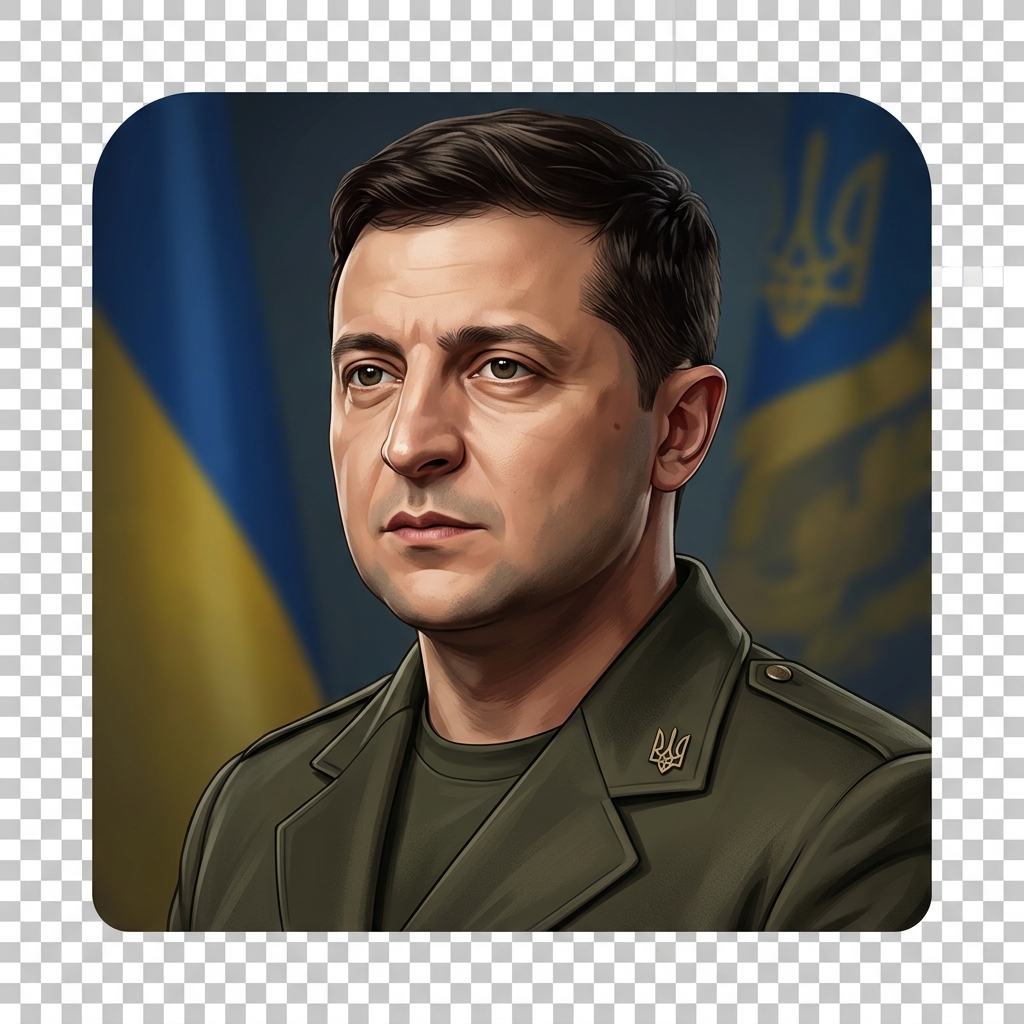
VS
Experts

Ukrainian President Volodymyr Zelensky claimed that strikes on Russian data centres have taken down Russian bot networks.
Experts say there is no evidence that Russian trolls have been affected by Ukraine's Yandex attacks.
*AI-generated summary of publicly available data. This is not an official statement of any party.
*AI-generated summary of publicly available statements and reporting. This is not an official statement of this party.
Supporters of Zelensky argue that striking Russian data centres defends Ukraine’s cultural sovereignty against Moscow’s information war, treating the claim as a justified assertion of national self-defence.
Supporters of Zelensky argue that targeting Russian data centres is a cultural defence of Ukraine's information sovereignty, asserting that degrading the infrastructure behind hostile bot networks protects Ukraine's national identity from foreign manipulation.
Supporters of Zelensky counter that Ukrainian cultural memory is built on oral testimony of occupation, so demanding Western-style documentation dismisses lived experience as folklore.
Supporters of Zelensky argue that Ukraine has a lawful right under international law to strike military-linked targets, and that Russia's bot networks enable its aggression, so those strikes are a justified act of self-defense.
Supporters of Zelensky argue that targeting data centres hosting bot networks is a lawful act of self-defence under international law, striking military-adjacent infrastructure in an armed conflict.
Supporters of Zelensky counter that international humanitarian law permits targeting military-linked infrastructure, and that Russia's own concealment of Yandex's defense role, not Ukraine, bears the burden of disclosure.
Supporters of Zelensky argue the claim is a strategic signal, not a data report: it reassures backers and unnerves Moscow, so its political value survives the experts' missing evidence.
Supporters of Zelensky argue the claim is a morale and leverage play, not a data report: signaling success to allies and donors matters more than expert verification.
Supporters of Zelensky counter that leverage itself is the point: unverified claims still shift allied incentives, and Kyiv gains more from shaping Western resolve than from waiting on experts' data.
Supporters of Zelensky argue that a nation defending its sovereignty has the moral right to strike the infrastructure enabling attacks against it, regardless of whether experts can yet verify the bot networks' disruption.
Supporters of Zelensky argue that Ukraine, defending against invasion, has the moral right to strike targets enabling attacks on it, and that skepticism from experts does not negate Ukraine's sovereign authority to act.
Supporters of Zelensky counter that a leader defending a nation under invasion has a moral duty to sustain public resolve, and that demanding evidentiary proof of every operational claim ignores the stakes of wartime survival.
Supporters of Zelensky frame the strikes as a just defense of a sovereign nation against an aggressor, invoking the moral duty to protect one's people, though experts note no evidence the bot networks were actually affected.
Supporters of Zelensky argue that defending a nation from a bot-driven assault on its sovereignty is a sacred duty, and they see his claim as a rallying truth for a people under siege.
Supporters of Zelensky counter that scripture also commands defending the innocent, so resisting an aggressor's propaganda is a righteous duty, not false witness.
*AI-generated summary of publicly available statements and reporting. This is not an official statement of this party.
Supporters of the Experts argue that wartime claims about silencing Russian troll networks echo a long cultural pattern of crediting visible strikes with invisible effects, and they maintain that without documented evidence, such narratives risk becoming morale-boosting folklore.
Supporters of the Experts argue that Zelensky's claim about disabling Russian bot networks lacks evidence, warning that wartime leaders often invoke unverified victories to sustain public morale, a recurring cultural pattern in conflict narratives.
Supporters of Experts counter that Kyiv's own history shows cultural sovereignty is won through language, archives and memory, not server strikes, which risk hardening Moscow's narrative of a belligerent Ukraine.
Supporters of the Experts argue that no verifiable evidence links Ukraine's Yandex strikes to reduced Russian bot activity, and that wartime claims of this kind demand transparent proof before being accepted as fact.
Supporters of Experts argue that no verifiable evidence links Ukraine's Yandex strikes to reduced Russian troll activity, so the claim remains legally unproven and should not be treated as established fact.
Supporters of Experts counter that international law governs state conduct, not private bot networks, so strikes on non-state actors lack a lawful self-defense basis.
Supporters of Experts argue Zelensky's bot-network claim serves wartime messaging, not evidence; they maintain that without verified disruption data, the assertion functions as leverage for Western support rather than an established fact.
Supporters of the Experts argue that Zelensky's claim serves a strategic need—rallying morale and signaling success to backers—but they maintain that no evidence links the Yandex strikes to reduced Russian troll activity.
Supporters of the experts counter that signals without evidence invite blowback: once Moscow or backers test the claim, its deterrent value collapses, and Zelensky loses credibility he cannot easily rebuild.
Supporters of the Experts argue that Zelensky's claim about taking down Russian bot networks lacks evidence; they maintain that truth-telling matters morally, especially when a leader's word shapes public trust in wartime.
Supporters of the Experts argue that Zelensky's claim lacks evidence, and that moral leadership demands truthfulness, not wartime narratives that risk misleading the public.
Supporters of Experts counter that moral right hinges on verifiable truth; unverified claims of bot disruption risk harming innocents, so restraint is owed until evidence confirms the threat.
Supporters of Experts argue that bearing false witness is condemned in scripture, and that claims about strikes halting Russian bot networks lack the evidence required for moral truthfulness.
Supporters of the Experts invoke the commandment against bearing false witness, arguing that claims of divine favor for Ukraine's strikes lack evidence and that truth-telling is a moral duty even in war.
Supporters of Experts counter that just-war tradition still demands proportionality and truthfulness; they challenge the claim of moral duty when no evidence shows the bot networks were affected.
AI-generated summary of publicly available statements and reporting. This is not an official statement of this party.
Supporters of Zelensky argue that striking Russian data centres defends Ukraine’s cultural sovereignty against Moscow’s information war, treating the claim as a justified assertion of national self-defence.
Supporters of Zelensky argue that targeting Russian data centres is a cultural defence of Ukraine's information sovereignty, asserting that degrading the infrastructure behind hostile bot networks protects Ukraine's national identity from foreign manipulation.
Supporters of Zelensky counter that Ukrainian cultural memory is built on oral testimony of occupation, so demanding Western-style documentation dismisses lived experience as folklore.
Supporters of Zelensky argue that Ukraine has a lawful right under international law to strike military-linked targets, and that Russia's bot networks enable its aggression, so those strikes are a justified act of self-defense.
Supporters of Zelensky argue that targeting data centres hosting bot networks is a lawful act of self-defence under international law, striking military-adjacent infrastructure in an armed conflict.
Supporters of Zelensky counter that international humanitarian law permits targeting military-linked infrastructure, and that Russia's own concealment of Yandex's defense role, not Ukraine, bears the burden of disclosure.
Supporters of Zelensky argue the claim is a strategic signal, not a data report: it reassures backers and unnerves Moscow, so its political value survives the experts' missing evidence.
Supporters of Zelensky argue the claim is a morale and leverage play, not a data report: signaling success to allies and donors matters more than expert verification.
Supporters of Zelensky counter that leverage itself is the point: unverified claims still shift allied incentives, and Kyiv gains more from shaping Western resolve than from waiting on experts' data.
Supporters of Zelensky argue that a nation defending its sovereignty has the moral right to strike the infrastructure enabling attacks against it, regardless of whether experts can yet verify the bot networks' disruption.
Supporters of Zelensky argue that Ukraine, defending against invasion, has the moral right to strike targets enabling attacks on it, and that skepticism from experts does not negate Ukraine's sovereign authority to act.
Supporters of Zelensky counter that a leader defending a nation under invasion has a moral duty to sustain public resolve, and that demanding evidentiary proof of every operational claim ignores the stakes of wartime survival.
Supporters of Zelensky frame the strikes as a just defense of a sovereign nation against an aggressor, invoking the moral duty to protect one's people, though experts note no evidence the bot networks were actually affected.
Supporters of Zelensky argue that defending a nation from a bot-driven assault on its sovereignty is a sacred duty, and they see his claim as a rallying truth for a people under siege.
Supporters of Zelensky counter that scripture also commands defending the innocent, so resisting an aggressor's propaganda is a righteous duty, not false witness.
Supporters of the Experts argue that wartime claims about silencing Russian troll networks echo a long cultural pattern of crediting visible strikes with invisible effects, and they maintain that without documented evidence, such narratives risk becoming morale-boosting folklore.
Supporters of the Experts argue that Zelensky's claim about disabling Russian bot networks lacks evidence, warning that wartime leaders often invoke unverified victories to sustain public morale, a recurring cultural pattern in conflict narratives.
Supporters of Experts counter that Kyiv's own history shows cultural sovereignty is won through language, archives and memory, not server strikes, which risk hardening Moscow's narrative of a belligerent Ukraine.
Supporters of the Experts argue that no verifiable evidence links Ukraine's Yandex strikes to reduced Russian bot activity, and that wartime claims of this kind demand transparent proof before being accepted as fact.
Supporters of Experts argue that no verifiable evidence links Ukraine's Yandex strikes to reduced Russian troll activity, so the claim remains legally unproven and should not be treated as established fact.
Supporters of Experts counter that international law governs state conduct, not private bot networks, so strikes on non-state actors lack a lawful self-defense basis.
Supporters of Experts argue Zelensky's bot-network claim serves wartime messaging, not evidence; they maintain that without verified disruption data, the assertion functions as leverage for Western support rather than an established fact.
Supporters of the Experts argue that Zelensky's claim serves a strategic need—rallying morale and signaling success to backers—but they maintain that no evidence links the Yandex strikes to reduced Russian troll activity.
Supporters of the experts counter that signals without evidence invite blowback: once Moscow or backers test the claim, its deterrent value collapses, and Zelensky loses credibility he cannot easily rebuild.
Supporters of the Experts argue that Zelensky's claim about taking down Russian bot networks lacks evidence; they maintain that truth-telling matters morally, especially when a leader's word shapes public trust in wartime.
Supporters of the Experts argue that Zelensky's claim lacks evidence, and that moral leadership demands truthfulness, not wartime narratives that risk misleading the public.
Supporters of Experts counter that moral right hinges on verifiable truth; unverified claims of bot disruption risk harming innocents, so restraint is owed until evidence confirms the threat.
Supporters of Experts argue that bearing false witness is condemned in scripture, and that claims about strikes halting Russian bot networks lack the evidence required for moral truthfulness.
Supporters of the Experts invoke the commandment against bearing false witness, arguing that claims of divine favor for Ukraine's strikes lack evidence and that truth-telling is a moral duty even in war.
Supporters of Experts counter that just-war tradition still demands proportionality and truthfulness; they challenge the claim of moral duty when no evidence shows the bot networks were affected.
Experts say there is no evidence that Russian trolls have been affected by Ukraine’s Yandex attacks.