Andriy Zagorodnyuk
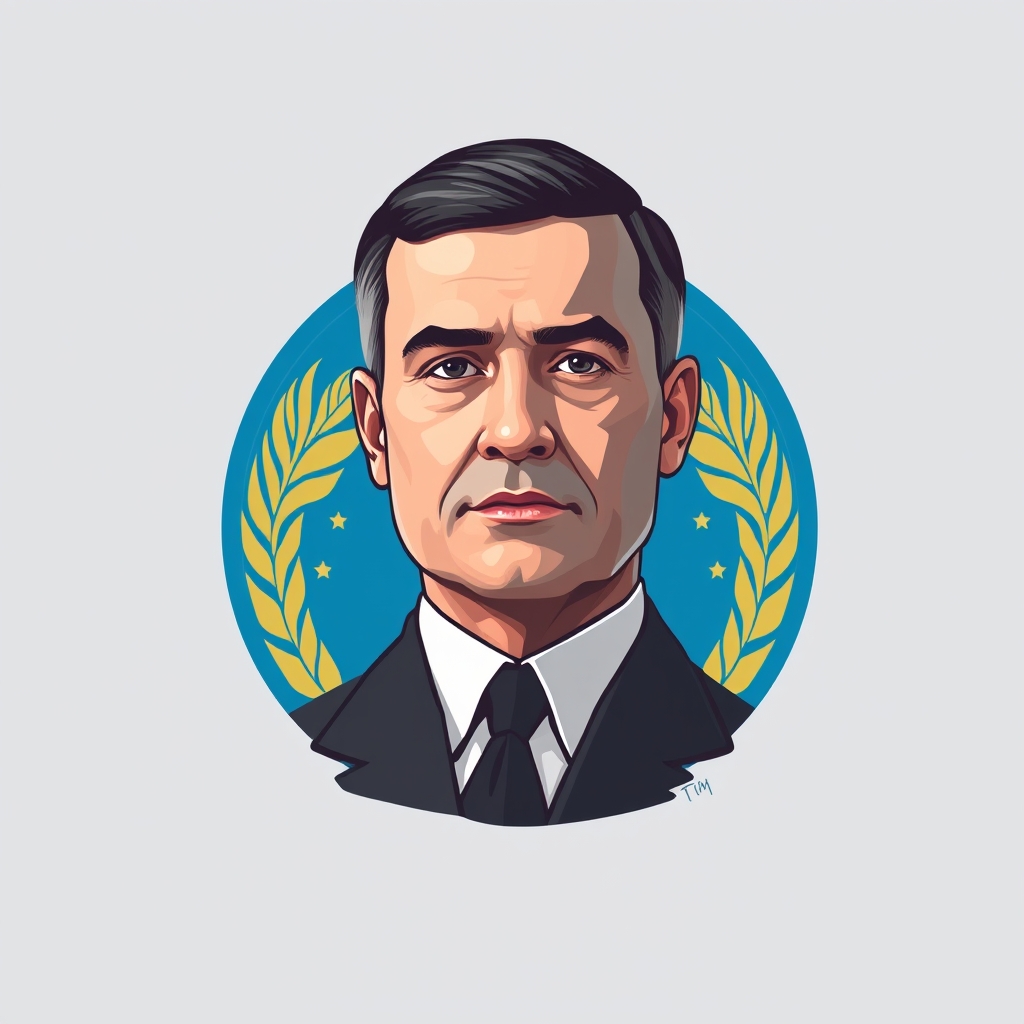
VS
Zelenskyy
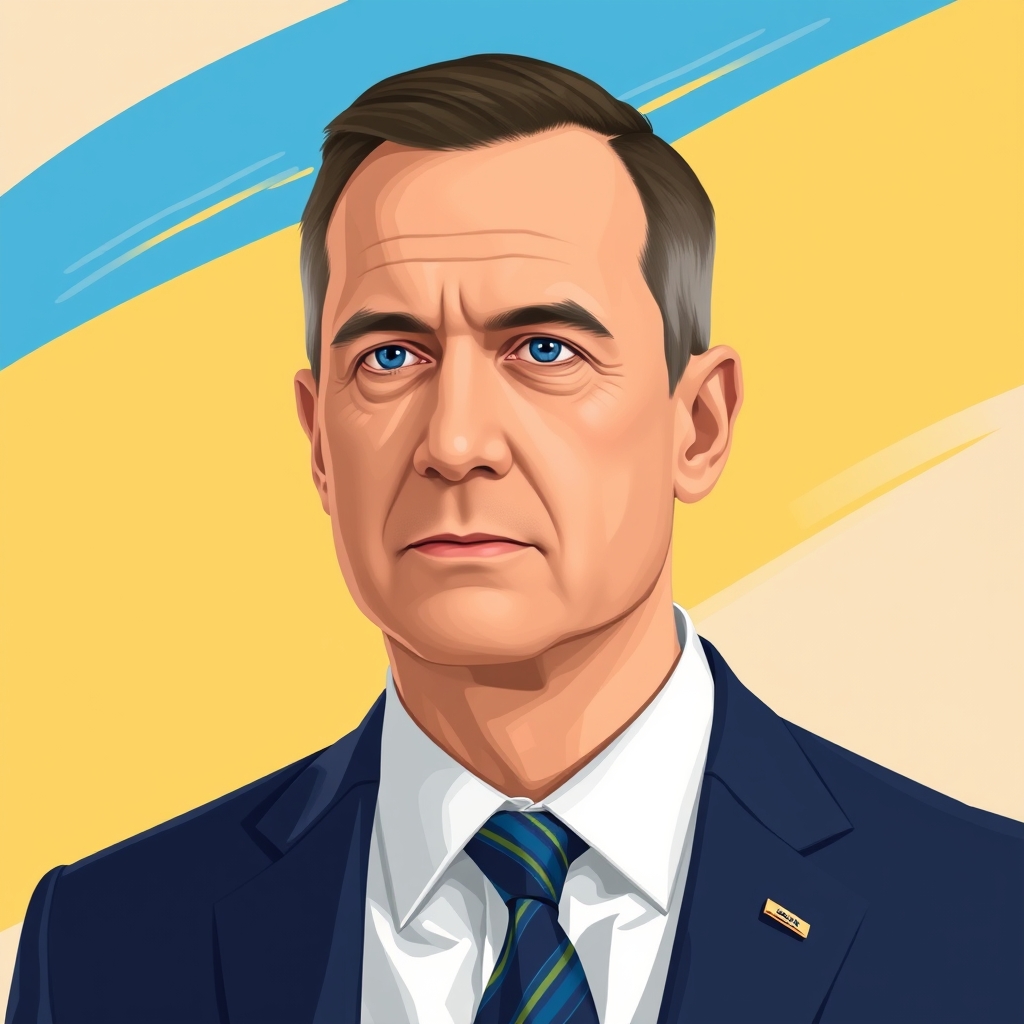
Volodymyr Zelenskyy is the President of Ukraine, who has led the country through the ongoing conflict with Russia.
Andriy Zagorodnyuk is a former Minister of Defense of Ukraine and a security expert who has been vocal about Ukraine's defense and political strategies.
Zagorodnyuk has also been involved in discussions about Zelenskyy's foreign policy and has expressed views on the challenges facing Ukraine's civilian defense control.
The conflict between them centers on the question of whether Ukraine should hold presidential elections during wartime.
Zelenskyy has argued that holding elections now could 'destroy' Ukraine, as it would risk splitting the country during an active conflict.
Zagorodnyuk, on the other hand, has advocated for holding elections, emphasizing the importance of democratic processes even in times of war.
This disagreement highlights a broader debate about balancing national unity and democratic continuity during a crisis.
The stakes are high, as the decision could affect Ukraine's political stability and its ability to present a united front against Russian aggression.
The debate also touches on the practical challenges of conducting elections in a country under martial law, with millions of citizens displaced and fighting on the front lines.
*AI-generated summary of publicly available data. This is not an official statement of any party.
*AI-generated summary of publicly available statements and reporting. This is not an official statement of this party.
Supporters of Andriy Zagorodnyuk argue that skipping wartime elections erodes Ukraine’s civic tradition, weakening the cultural bond between soldiers and society.
Supporters of Andriy Zagorodnyuk argue that wartime elections uphold Ukraine’s democratic tradition, preventing cultural erosion of national identity under prolonged martial rule.
Supporters of Andriy Zagorodnyuk counter that cultural unity is forged through shared civic duty, not frozen mandates, and that wartime elections affirm Ukraine’s democratic heritage as a living tradition.
Supporters of Andriy Zagorodnyuk argue that Ukraine’s constitution mandates regular elections, and postponing them without legal amendment undermines the rule of law, which a democratic state must uphold even in war.
Supporters of Andriy Zagorodnyuk argue that Ukraine's constitution legally mandates regular elections, and suspending them indefinitely undermines the rule of law, even during wartime.
Supporters of Andriy Zagorodnyuk counter that martial law postponement is a legal exception, not a blank check, and that Ukraine’s constitution still demands electoral continuity once basic security allows, citing the 2020 local elections held amid conflict as precedent.
Supporters of Andriy Zagorodnyuk argue that holding elections is a power move, not a moral one; Zelenskyy’s refusal signals fear of losing control, while Russia’s staged votes show strength to its base, leaving Ukraine’s leadership looking insecure.
Supporters of Andriy Zagorodnyuk argue elections are a power play, not a principle: Zelenskyy’s refusal consolidates control, while a vote forces accountability and exposes cracks in Russia’s planned mobilization.
Supporters of Andriy Zagorodnyuk counter that postponement is precisely Moscow’s playbook—a frozen mandate that lets elites entrench power and erodes the very legitimacy Ukraine fights for, making a post-war election a tool for Russian narratives rather than a shield.
Supporters of Andriy Zagorodnyuk argue that postponing elections undermines Ukraine’s moral claim to defend democracy, as a wartime pause erodes the very legitimacy its defenders fight to preserve.
Supporters of Andriy Zagorodnyuk argue that holding elections during conflict upholds the moral duty of democratic legitimacy, as a government chosen in wartime cannot claim enduring consent from its people.
Supporters of Andriy Zagorodnyuk counter that moral duty lies in defending democratic legitimacy, not in suspending it; unity without electoral consent risks becoming authoritarian silence, which Moscow exploits more than any ballot.
Supporters of Andriy Zagorodnyuk argue that elections honor the sacred duty of civic participation, a tradition that must endure even in crisis. They maintain that postponing democracy, as Zelenskyy proposes, weakens the moral foundation that sustains a nation at war.
Supporters of Andriy Zagorodnyuk argue that elections uphold a sacred civic duty, rooted in the moral order of tradition, which enduring democracies must honor even in wartime.
Supporters of Andriy Zagorodnyuk counter that scripture also commands rulers to seek counsel and honor the voice of the people, arguing that a mandate from God is not a license to suspend the very covenant of governance that binds a nation together in times of trial.
*AI-generated summary of publicly available statements and reporting. This is not an official statement of this party.
Supporters of Zelenskyy argue that wartime elections would fracture Ukraine’s cultural unity, a historical lesson from past conflicts where internal division aided invaders.
Supporters of Zelenskyy argue that wartime elections would fracture Ukrainian unity, recalling how past crises demanded singular focus; they maintain that democratic rituals must yield to national survival, with Russia's looming mobilization as proof that division serves only Mos.
Supporters of Zelenskyy counter that wartime elections would fracture the civic bond, not heal it, as conscripting soldiers into political campaigns would strain the cultural trust between defenders and civilians.
Supporters of Zelenskyy argue that wartime elections would violate Ukraine’s legal mandate for stability, as constitutional safeguards permit postponement during martial law to prevent a fractured government.
Supporters of Zelenskyy argue that holding wartime elections violates Ukraine's legal framework, as martial law constitutionally suspends such processes to ensure national unity and security.
Supporters of Zelenskyy counter that martial law, as codified in Ukrainian law, legally suspends elections, and the Constitution itself permits this exception during armed conflict, preserving democratic legitimacy through wartime governance.
Supporters of Zelenskyy argue that wartime elections serve Moscow’s playbook, splitting Ukraine’s focus while Russia consolidates power post-election; they see postponement as a pragmatic survival move, not democratic retreat.
Supporters of Zelenskyy argue elections are a power play Russia exploits, not democracy—holding a vote mid-war hands Moscow a timing advantage to mobilize troops and fracture Ukraine's unity, so postponing is pragmatic survival, not cowardice.
Supporters of Zelenskyy counter that elections under martial law hand Russia a propaganda win, not a moral one; they argue that staged votes in occupied territories expose Moscow’s theater, while Ukraine’s delay is a calculated survival move—control of the battlefield, not the ba.
Supporters of Zelenskyy argue that holding elections mid-war would morally betray national unity, as Russia’s September 2024 vote precedes mass mobilization, making division a gift to Moscow.
Supporters of Zelenskyy argue that postponing elections is a moral duty to national unity, citing Russia’s September 2024 parliamentary vote as a precursor to mass mobilization—evidence that wartime polls serve aggression, not democracy.
Supporters of Zelenskyy counter that Ukraine’s moral duty is survival first, as history shows democracies suspend elections during existential wars, from Lincoln’s 1864 pause to Britain’s wartime coalition, preserving legitimacy through unity, not ballots.
Supporters of Zelenskyy argue that his rejection of wartime elections mirrors a sacred duty to preserve unity, citing scripture that a house divided cannot stand, and they view his leadership as a God-given mandate to protect the nation from fragmentation during this existential.
Supporters of Zelenskyy argue that scripture calls for unity in times of trial, and that holding wartime elections would divide Ukraine when faith demands collective strength against aggression.
Supporters of Zelenskyy counter that scripture itself sanctifies the preservation of life over ritual, citing Exodus: when the people faced mortal danger, Moses delayed their assembly until safety was secured.
AI-generated summary of publicly available statements and reporting. This is not an official statement of this party.
Supporters of Andriy Zagorodnyuk argue that skipping wartime elections erodes Ukraine’s civic tradition, weakening the cultural bond between soldiers and society.
Supporters of Andriy Zagorodnyuk argue that wartime elections uphold Ukraine’s democratic tradition, preventing cultural erosion of national identity under prolonged martial rule.
Supporters of Andriy Zagorodnyuk counter that cultural unity is forged through shared civic duty, not frozen mandates, and that wartime elections affirm Ukraine’s democratic heritage as a living tradition.
Supporters of Andriy Zagorodnyuk argue that Ukraine’s constitution mandates regular elections, and postponing them without legal amendment undermines the rule of law, which a democratic state must uphold even in war.
Supporters of Andriy Zagorodnyuk argue that Ukraine's constitution legally mandates regular elections, and suspending them indefinitely undermines the rule of law, even during wartime.
Supporters of Andriy Zagorodnyuk counter that martial law postponement is a legal exception, not a blank check, and that Ukraine’s constitution still demands electoral continuity once basic security allows, citing the 2020 local elections held amid conflict as precedent.
Supporters of Andriy Zagorodnyuk argue that holding elections is a power move, not a moral one; Zelenskyy’s refusal signals fear of losing control, while Russia’s staged votes show strength to its base, leaving Ukraine’s leadership looking insecure.
Supporters of Andriy Zagorodnyuk argue elections are a power play, not a principle: Zelenskyy’s refusal consolidates control, while a vote forces accountability and exposes cracks in Russia’s planned mobilization.
Supporters of Andriy Zagorodnyuk counter that postponement is precisely Moscow’s playbook—a frozen mandate that lets elites entrench power and erodes the very legitimacy Ukraine fights for, making a post-war election a tool for Russian narratives rather than a shield.
Supporters of Andriy Zagorodnyuk argue that postponing elections undermines Ukraine’s moral claim to defend democracy, as a wartime pause erodes the very legitimacy its defenders fight to preserve.
Supporters of Andriy Zagorodnyuk argue that holding elections during conflict upholds the moral duty of democratic legitimacy, as a government chosen in wartime cannot claim enduring consent from its people.
Supporters of Andriy Zagorodnyuk counter that moral duty lies in defending democratic legitimacy, not in suspending it; unity without electoral consent risks becoming authoritarian silence, which Moscow exploits more than any ballot.
Supporters of Andriy Zagorodnyuk argue that elections honor the sacred duty of civic participation, a tradition that must endure even in crisis. They maintain that postponing democracy, as Zelenskyy proposes, weakens the moral foundation that sustains a nation at war.
Supporters of Andriy Zagorodnyuk argue that elections uphold a sacred civic duty, rooted in the moral order of tradition, which enduring democracies must honor even in wartime.
Supporters of Andriy Zagorodnyuk counter that scripture also commands rulers to seek counsel and honor the voice of the people, arguing that a mandate from God is not a license to suspend the very covenant of governance that binds a nation together in times of trial.
Supporters of Zelenskyy argue that wartime elections would fracture Ukraine’s cultural unity, a historical lesson from past conflicts where internal division aided invaders.
Supporters of Zelenskyy argue that wartime elections would fracture Ukrainian unity, recalling how past crises demanded singular focus; they maintain that democratic rituals must yield to national survival, with Russia's looming mobilization as proof that division serves only Mos.
Supporters of Zelenskyy counter that wartime elections would fracture the civic bond, not heal it, as conscripting soldiers into political campaigns would strain the cultural trust between defenders and civilians.
Supporters of Zelenskyy argue that wartime elections would violate Ukraine’s legal mandate for stability, as constitutional safeguards permit postponement during martial law to prevent a fractured government.
Supporters of Zelenskyy argue that holding wartime elections violates Ukraine's legal framework, as martial law constitutionally suspends such processes to ensure national unity and security.
Supporters of Zelenskyy counter that martial law, as codified in Ukrainian law, legally suspends elections, and the Constitution itself permits this exception during armed conflict, preserving democratic legitimacy through wartime governance.
Supporters of Zelenskyy argue that wartime elections serve Moscow’s playbook, splitting Ukraine’s focus while Russia consolidates power post-election; they see postponement as a pragmatic survival move, not democratic retreat.
Supporters of Zelenskyy argue elections are a power play Russia exploits, not democracy—holding a vote mid-war hands Moscow a timing advantage to mobilize troops and fracture Ukraine's unity, so postponing is pragmatic survival, not cowardice.
Supporters of Zelenskyy counter that elections under martial law hand Russia a propaganda win, not a moral one; they argue that staged votes in occupied territories expose Moscow’s theater, while Ukraine’s delay is a calculated survival move—control of the battlefield, not the ba.
Supporters of Zelenskyy argue that holding elections mid-war would morally betray national unity, as Russia’s September 2024 vote precedes mass mobilization, making division a gift to Moscow.
Supporters of Zelenskyy argue that postponing elections is a moral duty to national unity, citing Russia’s September 2024 parliamentary vote as a precursor to mass mobilization—evidence that wartime polls serve aggression, not democracy.
Supporters of Zelenskyy counter that Ukraine’s moral duty is survival first, as history shows democracies suspend elections during existential wars, from Lincoln’s 1864 pause to Britain’s wartime coalition, preserving legitimacy through unity, not ballots.
Supporters of Zelenskyy argue that his rejection of wartime elections mirrors a sacred duty to preserve unity, citing scripture that a house divided cannot stand, and they view his leadership as a God-given mandate to protect the nation from fragmentation during this existential.
Supporters of Zelenskyy argue that scripture calls for unity in times of trial, and that holding wartime elections would divide Ukraine when faith demands collective strength against aggression.
Supporters of Zelenskyy counter that scripture itself sanctifies the preservation of life over ritual, citing Exodus: when the people faced mortal danger, Moses delayed their assembly until safety was secured.
Zelenskyy rejects call from sacked minister for wartime elections.
President Zelenskyy stated that Ukraine is gradually planning work with partners for the coming months, indicating ongoing diplomatic and strategic efforts.
Ukraine's ex-defense minister outlined a victory strategy requiring long-range weapons, air power, and new technology, challenging Russia's supposed advantages.
Russia plans to hold parliamentary elections, after which Zelenskyy claims Russia will mobilize hundreds of thousands of troops.
Andriy Yermak, Zelenskyy's chief of staff, had an acute conflict with the defense minister due to Zagorodnyuk's strong opposition to certain policies, highlighting tensions within the Ukrainian government.