Election advocates
VS
Zelenskyy
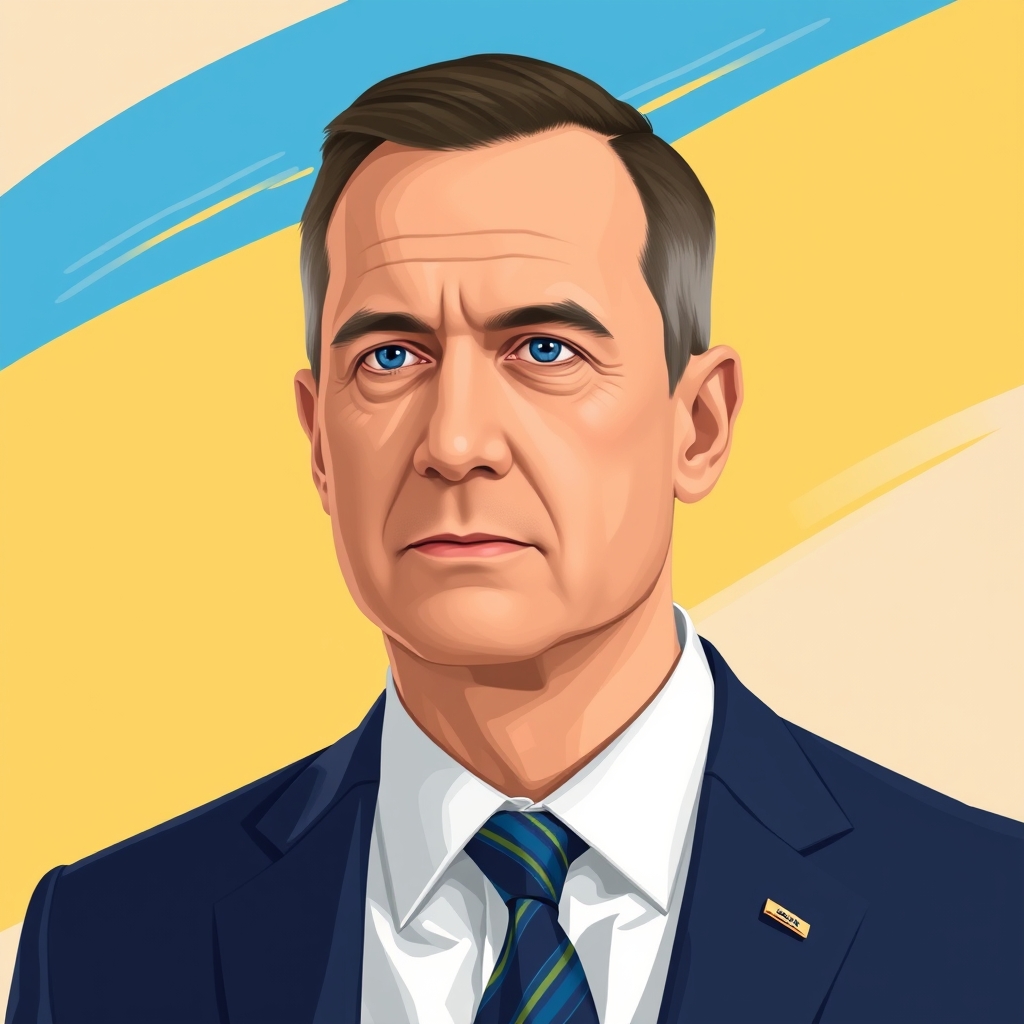
Ukrainian President Volodymyr Zelenskyy, who came to power in 2019 as an anti-establishment and anti-corruption candidate, has rejected calls to hold elections before the war with Russia ends.
His term officially expired last year, and Ukrainian law prohibits elections during martial law.
Election advocates, including former ally Fedorov, are pressing for a vote despite the ongoing conflict, with Fedorov seen as a popular figure and a potential challenger.
Zelenskyy argues that holding elections during wartime would "split Ukraine apart" and "destroy" the country, while advocates contend that elections should be held despite the war or postponed until peace is restored.
The disagreement centers on whether democratic processes can be maintained during a national crisis, with Zelenskyy prioritizing national unity and stability over electoral timelines.
*AI-generated summary of publicly available data. This is not an official statement of any party.
*AI-generated summary of publicly available statements and reporting. This is not an official statement of this party.
Supporters of Election advocates argue that postponing the vote sets a historical precedent for wartime rule, citing past conflicts where democracies still held elections to preserve civic legitimacy.
Supporters of Election advocates argue that elections are the cultural bedrock of Ukrainian identity, a civic ritual that must persist even amid war.
Supporters of Election advocates counter that Ukrainian cultural identity thrives on democratic resilience, not suspended rituals; wartime ballots have historically fortified national unity, as seen in other nations' crises, proving sovereignty is strengthened, not fractured, by.
Supporters of Election advocates argue that Ukraine's constitution mandates regular elections, and wartime exceptions must be legally defined, not indefinitely extended by presidential decree.
Supporters of Election advocates argue that Ukraine's constitution mandates elections regardless of wartime, and only a formal legal amendment can postpone them, not a presidential decree.
Supporters of Election advocates counter that martial law does not automatically suspend all constitutional rights, and that Ukraine’s own laws permit parliamentary extensions only with clear provisions for post-war elections, not indefinite bans.
Supporters of Election advocates argue Zelenskyy’s ban is a power grab, not a wartime necessity. They maintain that postponing elections indefinitely lets him rule without accountability, while Ukraine’s allies fund the war—so the real incentive is survival, not democracy.
Supporters of Election advocates argue that Zelenskyy’s ban is a power grab, since wartime urgency conveniently silences rivals and freezes his mandate indefinitely.
Supporters of Election advocates counter that a wartime vote is a power grab dressed as necessity, noting Zelenskyy’s own martial-law extension indefinitely suspends the constitutional mandate, and that Moscow exploits any vacuum of legitimacy regardless of logistics.
Supporters of Election advocates argue that postponing democracy during wartime sets a dangerous precedent, as citizens' moral right to choose leaders cannot be suspended indefinitely without eroding trust in governance.
Supporters of Election advocates argue that postponing the vote indefinitely undermines the moral foundation of democracy, as consent of the governed remains essential even in crisis.
Election advocates counter that legitimacy born of exclusion is a hollow moral victory, arguing that denying a voice to soldiers and refugees erodes democratic trust far deeper than wartime logistics.
Supporters of Election advocates argue that divine order requires governance to reflect the people's will, citing scripture that leaders are chosen by God through communal consent; they maintain that postponing elections, even in war, risks abandoning a sacred duty to uphold righ.
Supporters of Election advocates argue that divine law upholds civic duty even in crisis, citing scripture on justice and lawful governance as a moral imperative.
Supporters of Election advocates counter that divine law demands a free and uncoerced voice for the people, and wartime fear profanes that sacred trust; postponing elections silences God’s mandate for justice, not stability’s sake.
*AI-generated summary of publicly available statements and reporting. This is not an official statement of this party.
Supporters of Zelenskyy argue that Ukrainian cultural identity and national survival depend on prioritizing defense over electoral rituals, as wartime elections would fracture unity and undermine the sovereignty the nation fights to preserve.
Supporters of Zelenskyy argue that wartime elections would fracture Ukraine's cultural unity, as millions of displaced citizens and soldiers on the front lines cannot authentically participate in a shared national civic ritual.
Supporters of Zelenskyy counter that Ukraine’s wartime conditions are unique, not a precedent, as mass displacement, shelling, and martial law make a fair vote impossible.
Supporters of Zelenskyy argue that Ukraine’s legal framework bars elections under martial law, citing constitutional provisions that prioritize national security and territorial integrity over electoral timelines.
Supporters of Zelenskyy argue that Ukrainian law and wartime constitutional provisions legally bar elections under martial law, citing the Aug 23, 2026 statement as evidence that postponement complies with legal requirements.
Supporters of Zelenskyy counter that constitutional provisions for elections are suspended under martial law, a legally defined wartime exception, making the decree a lawful application of existing law.
Supporters of Zelenskyy argue that elections under fire serve Moscow's interests, not democracy, as logistics and security favor disruption over legitimacy.
Supporters of Zelenskyy argue that wartime elections are a power play favoring Moscow, as a distracted or fractured Ukrainian government would only hand Russia the battlefield and political advantage they cannot secure militarily.
Supporters of Zelenskyy counter that the ban is a calculated wartime lever, not a power grab, since elections during active conflict would hand Russia a propaganda win and fracture a fragile unity.
Supporters of Zelenskyy argue it is morally indefensible to hold elections while citizens are fighting and dying, as wartime voting would exclude soldiers and displaced civilians, undermining the very legitimacy elections are meant to confer.
Supporters of Zelenskyy argue that forcing elections amid war would morally betray soldiers and civilians whose lives hang in the balance, prioritizing procedural form over the survival of the democratic state itself.
Supporters of Zelenskyy counter that the moral imperative to defend lives transcends electoral timing, as a free vote is meaningless under occupation or missile strikes.
Supporters of Zelenskyy argue that sacred elections require stability, and wartime chaos profanes the civic covenant; postponing them preserves the moral order of democracy.
Supporters of Zelenskyy argue that wartime elections defy sacred order, as stability under trial is a divine test, not a political ritual.
Supporters of Zelenskyy counter that scripture also commands protecting the flock above all, and that a wartime leader’s sacred duty is survival, not procedural ritual; they argue that divine order permits extraordinary guardianship when the nation's existence hangs in the balanc.
AI-generated summary of publicly available statements and reporting. This is not an official statement of this party.
Supporters of Election advocates argue that postponing the vote sets a historical precedent for wartime rule, citing past conflicts where democracies still held elections to preserve civic legitimacy.
Supporters of Election advocates argue that elections are the cultural bedrock of Ukrainian identity, a civic ritual that must persist even amid war.
Supporters of Election advocates counter that Ukrainian cultural identity thrives on democratic resilience, not suspended rituals; wartime ballots have historically fortified national unity, as seen in other nations' crises, proving sovereignty is strengthened, not fractured, by.
Supporters of Election advocates argue that Ukraine's constitution mandates regular elections, and wartime exceptions must be legally defined, not indefinitely extended by presidential decree.
Supporters of Election advocates argue that Ukraine's constitution mandates elections regardless of wartime, and only a formal legal amendment can postpone them, not a presidential decree.
Supporters of Election advocates counter that martial law does not automatically suspend all constitutional rights, and that Ukraine’s own laws permit parliamentary extensions only with clear provisions for post-war elections, not indefinite bans.
Supporters of Election advocates argue Zelenskyy’s ban is a power grab, not a wartime necessity. They maintain that postponing elections indefinitely lets him rule without accountability, while Ukraine’s allies fund the war—so the real incentive is survival, not democracy.
Supporters of Election advocates argue that Zelenskyy’s ban is a power grab, since wartime urgency conveniently silences rivals and freezes his mandate indefinitely.
Supporters of Election advocates counter that a wartime vote is a power grab dressed as necessity, noting Zelenskyy’s own martial-law extension indefinitely suspends the constitutional mandate, and that Moscow exploits any vacuum of legitimacy regardless of logistics.
Supporters of Election advocates argue that postponing democracy during wartime sets a dangerous precedent, as citizens' moral right to choose leaders cannot be suspended indefinitely without eroding trust in governance.
Supporters of Election advocates argue that postponing the vote indefinitely undermines the moral foundation of democracy, as consent of the governed remains essential even in crisis.
Election advocates counter that legitimacy born of exclusion is a hollow moral victory, arguing that denying a voice to soldiers and refugees erodes democratic trust far deeper than wartime logistics.
Supporters of Election advocates argue that divine order requires governance to reflect the people's will, citing scripture that leaders are chosen by God through communal consent; they maintain that postponing elections, even in war, risks abandoning a sacred duty to uphold righ.
Supporters of Election advocates argue that divine law upholds civic duty even in crisis, citing scripture on justice and lawful governance as a moral imperative.
Supporters of Election advocates counter that divine law demands a free and uncoerced voice for the people, and wartime fear profanes that sacred trust; postponing elections silences God’s mandate for justice, not stability’s sake.
Supporters of Zelenskyy argue that Ukrainian cultural identity and national survival depend on prioritizing defense over electoral rituals, as wartime elections would fracture unity and undermine the sovereignty the nation fights to preserve.
Supporters of Zelenskyy argue that wartime elections would fracture Ukraine's cultural unity, as millions of displaced citizens and soldiers on the front lines cannot authentically participate in a shared national civic ritual.
Supporters of Zelenskyy counter that Ukraine’s wartime conditions are unique, not a precedent, as mass displacement, shelling, and martial law make a fair vote impossible.
Supporters of Zelenskyy argue that Ukraine’s legal framework bars elections under martial law, citing constitutional provisions that prioritize national security and territorial integrity over electoral timelines.
Supporters of Zelenskyy argue that Ukrainian law and wartime constitutional provisions legally bar elections under martial law, citing the Aug 23, 2026 statement as evidence that postponement complies with legal requirements.
Supporters of Zelenskyy counter that constitutional provisions for elections are suspended under martial law, a legally defined wartime exception, making the decree a lawful application of existing law.
Supporters of Zelenskyy argue that elections under fire serve Moscow's interests, not democracy, as logistics and security favor disruption over legitimacy.
Supporters of Zelenskyy argue that wartime elections are a power play favoring Moscow, as a distracted or fractured Ukrainian government would only hand Russia the battlefield and political advantage they cannot secure militarily.
Supporters of Zelenskyy counter that the ban is a calculated wartime lever, not a power grab, since elections during active conflict would hand Russia a propaganda win and fracture a fragile unity.
Supporters of Zelenskyy argue it is morally indefensible to hold elections while citizens are fighting and dying, as wartime voting would exclude soldiers and displaced civilians, undermining the very legitimacy elections are meant to confer.
Supporters of Zelenskyy argue that forcing elections amid war would morally betray soldiers and civilians whose lives hang in the balance, prioritizing procedural form over the survival of the democratic state itself.
Supporters of Zelenskyy counter that the moral imperative to defend lives transcends electoral timing, as a free vote is meaningless under occupation or missile strikes.
Supporters of Zelenskyy argue that sacred elections require stability, and wartime chaos profanes the civic covenant; postponing them preserves the moral order of democracy.
Supporters of Zelenskyy argue that wartime elections defy sacred order, as stability under trial is a divine test, not a political ritual.
Supporters of Zelenskyy counter that scripture also commands protecting the flock above all, and that a wartime leader’s sacred duty is survival, not procedural ritual; they argue that divine order permits extraordinary guardianship when the nation's existence hangs in the balanc.
Ukrainian President Volodymyr Zelenskyy on Sunday said holding elections is impossible under the country's current conditions, the Ukrinform news agency reported.
Zelenskyy rejects calls to hold elections before the war ends, stating a wartime vote would 'split Ukraine apart'.
In remarks reported by NBC News, Zelenskyy says elections would destroy Ukraine, while his approval rating remains stable at about 60%.
Zelenskyy faces renewed pressure over when Ukraine should hold national elections while the war with Russia continues.
A former ally of Zelenskyy, Fedorov, emerges as a popular figure and potential challenger, intensifying pressure on Zelenskyy over election timing.
