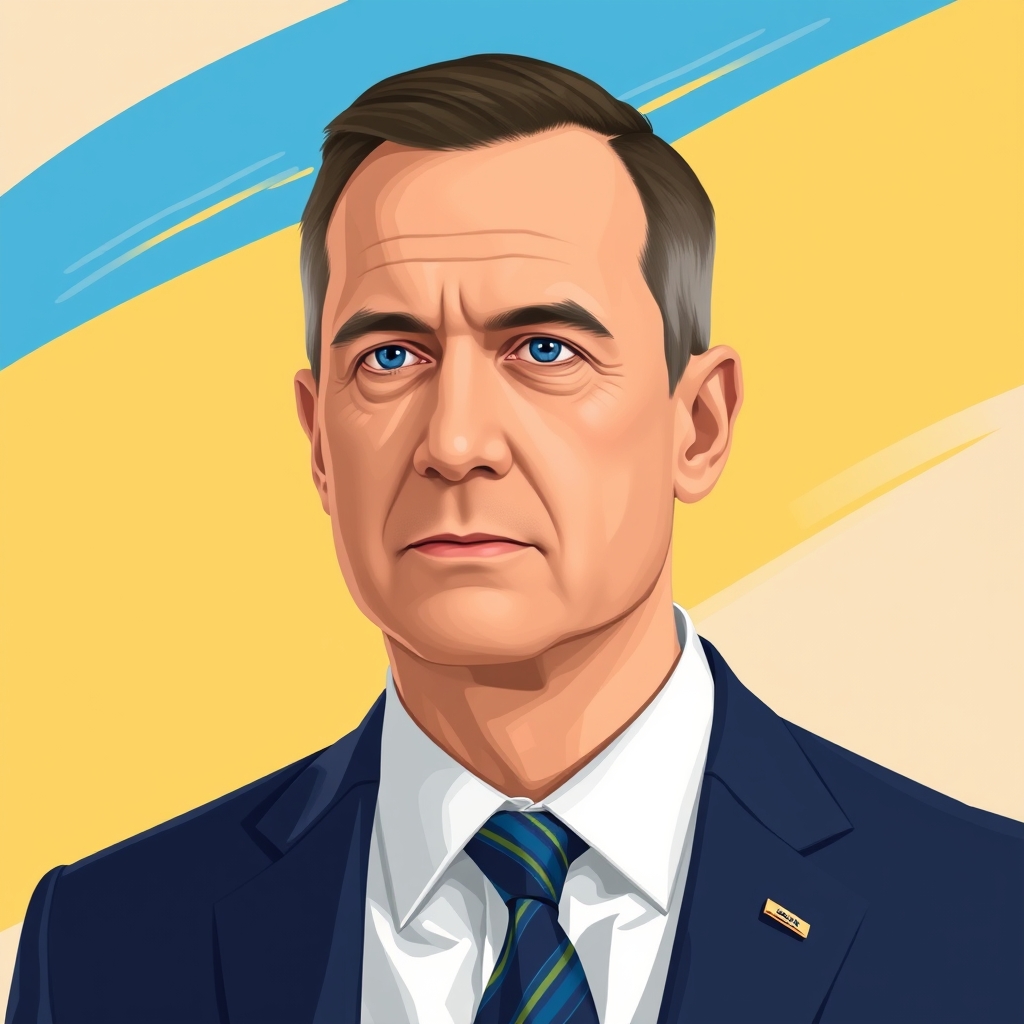
Zelenskyy
VS
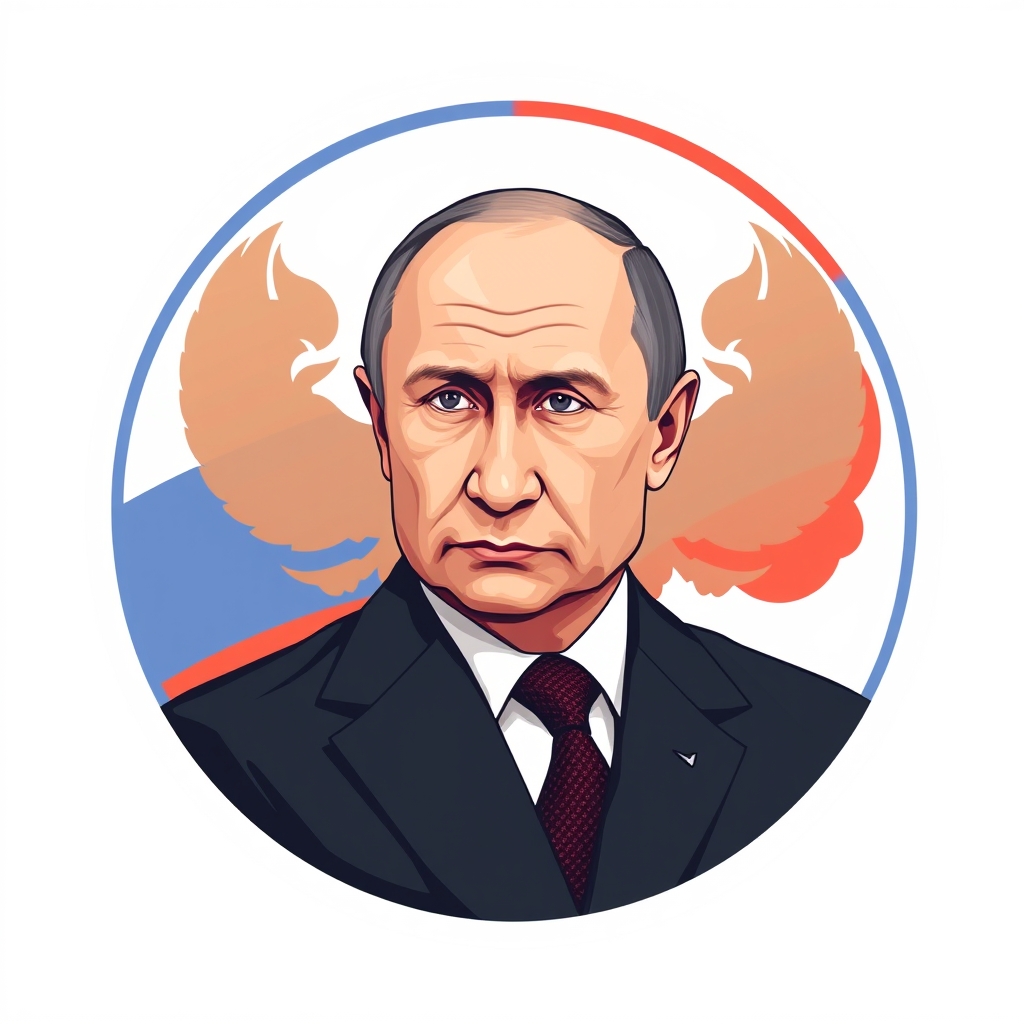
Putin
Volodymyr Zelenskyy is the President of Ukraine, elected in 2019, who has led the country since Russia's full-scale invasion in February 2022.
Vladimir Putin is the President of Russia, who ordered that invasion and continues to lead the Russian state.
The two leaders represent opposing sides in the ongoing war between their countries.
Zelenskyy has repeatedly said he is ready to meet Putin for direct negotiations to end the war, including an offer to attend a G20 summit in Miami even if Putin were present.
Putin has rejected such invitations, and Zelenskyy has also expressed no desire to sit across the negotiating table from Putin, arguing that only Russia's defeat will stop the war.
The core disagreement is whether direct leader-to-leader talks should take place and under what conditions.
The war has continued for more than four years, with no direct negotiations between the two presidents.
Observers have questioned Putin's stance, with some wondering if he is delusional or being misinformed by his commanders.
The question of a direct meeting remains central to any potential peace process.
*AI-generated summary of publicly available data. This is not an official statement of any party.
*AI-generated summary of publicly available statements and reporting. This is not an official statement of this party.
Supporters of Zelenskyy argue that meeting Putin would legitimize Russia's rupture of the post-war order, and that Ukraine's sovereignty, like other nations' borders, must rest on precedent rather than a summit's convenience.
Supporters of Zelenskyy argue that Ukraine’s national identity and cultural survival depend on the world witnessing a direct meeting with Putin, where Ukraine negotiates as a sovereign nation rather than a subordinate territory.
Supporters of Zelenskyy counter that Russia's claim of discarded pledges masks a deeper cultural divide: Moscow's sphere-of-influence tradition cannot coexist with Ukraine's civic, pluralist identity, so summits fail not from bad faith alone but from incompatible political cultur.
Supporters of Zelenskyy argue that any direct meeting with Putin must rest on international law, not appeasement, since a negotiated settlement is legitimate only if it upholds Ukraine's sovereignty and territorial integrity.
Supporters of Zelenskyy argue that any direct meeting with Putin must rest on international law, not appeasement, and that Ukraine's strong negotiating position lets it demand accountability and respect for its sovereignty.
Supporters of Zelenskyy counter that talks need no pre-set terms, since Ukraine's constitution and the UN Charter already establish the legal basis: Russia's aggression and occupied territory.
Supporters of Zelenskyy argue the G20 offer is leverage, not concession: it casts Putin as the refuser, binds him to a forum of peers, and lets Ukraine set terms while its battlefield position holds.
Supporters of Zelenskyy argue the G20 offer is leverage, not weakness: by forcing Putin to appear or refuse before global powers, Ukraine casts him as the obstacle and locks in allied support.
Supporters of Zelenskyy counter that Moscow's stalling is itself the concession: each refusal confirms Putin fears the table, handing Kyiv the leverage to court new patrons while Russia's position erodes.
Supporters of Zelenskyy argue that Putin's unprovoked invasion makes direct talks a moral test of accountability, not a concession, and that Ukraine's strength lets it negotiate without rewarding aggression.
Supporters of Zelenskyy argue that a direct meeting upholds the moral duty of diplomacy, since engaging Putin at the G20 is the only path to a just and lasting peace.
Supporters of Zelenskyy counter that respecting a counterpart's mandate is a moral duty owed to the people a leader claims to represent, not a courtesy granted by the other side's recognition.
Supporters of Zelenskyy argue that seeking dialogue reflects a moral duty to pursue peace and protect human life, echoing scriptural calls to be peacemakers rather than perpetuate bloodshed.
Supporters of Zelenskyy invoke just-war teaching and the moral duty to pursue peace, arguing a G20 meeting fulfills the call to seek reconciliation without conceding justice or sovereignty.
Supporters of Zelenskyy counter that Ukraine's own Orthodox tradition, rooted in Kyivan heritage, affirms a nation's right to choose its own path, so no summit can deny that sovereignty.
*AI-generated summary of publicly available statements and reporting. This is not an official statement of this party.
Supporters of Putin argue that past Western-brokered summits, from Minsk to Istanbul, produced pledges Russia says were later discarded, so they view another G20 meeting as a stage for Ukraine's backers rather than a genuine cultural bridge.
Supporters of Putin argue that past summits, like Yalta, show great powers settling spheres of influence over smaller states' heads, so they see a G20 meeting as a venue for such great-power bargaining rather than Ukraine's equal footing.
Supporters of Putin counter that Russia's cultural ties to Ukraine long predate the post-war order, so sovereignty claims resting on recent precedent ignore centuries of shared history.
Supporters of Putin argue that any leader-level meeting requires a clear legal mandate and agreed agenda, so they frame direct talks as premature absent binding terms.
Supporters of Putin argue that any Zelenskyy meeting must respect Russia's constitutional process, since Putin's legitimacy rests on domestic law and a summit without preconditions lacks legal basis.
Supporters of Putin counter that international law is not a fixed arbiter but a negotiated instrument, and that sovereignty claims must be weighed against security guarantees and constitutional realities on the ground.
Supporters of Putin argue a Miami meeting only elevates Zelenskyy while yielding nothing, so the Kremlin gains by refusing or stalling until Ukraine's leverage erodes.
Supporters of Putin argue a Miami meeting only boosts Zelenskyy's standing while Russia gains nothing, so they maintain the Kremlin should refuse unless Ukraine first concedes territory.
Supporters of Putin counter that the G20 stage is itself the prize: attending lets him pose as a peer among equals, while refusing casts Zelenskyy's backers as the ones denying dialogue.
Supporters of Putin argue that a leader should not meet a counterpart who has been declared illegitimate by his own side, and that talks must respect the terms both sides already accepted.
Supporters of Putin argue that a leader who launched an unprovoked war should not be granted a legitimizing platform beside Zelenskyy while Ukrainian civilians still suffer.
Supporters of Putin counter that Russia's Orthodox tradition obliges defense of believers in Donbas, so talks become a moral duty to protect the faithful, not a concession rewarding aggression.
Supporters of Putin argue that Russia's Orthodox heritage binds the nation to a sacred, divinely ordered path, so any summit must honor tradition rather than yield to external pressure.
Supporters of Putin argue that any leader who negotiates must first honor the sacred oaths and inherited bonds of Orthodox Slavic brotherhood, and that Zelenskyy's offer lacks this moral foundation.
Supporters of Putin counter that peacemaking requires the defense of sacred order and the innocent; they argue that dialogue with those who persecute the faithful betrays the religious duty to protect one's people.
AI-generated summary of publicly available statements and reporting. This is not an official statement of this party.
Supporters of Zelenskyy argue that meeting Putin would legitimize Russia's rupture of the post-war order, and that Ukraine's sovereignty, like other nations' borders, must rest on precedent rather than a summit's convenience.
Supporters of Zelenskyy argue that Ukraine’s national identity and cultural survival depend on the world witnessing a direct meeting with Putin, where Ukraine negotiates as a sovereign nation rather than a subordinate territory.
Supporters of Zelenskyy counter that Russia's claim of discarded pledges masks a deeper cultural divide: Moscow's sphere-of-influence tradition cannot coexist with Ukraine's civic, pluralist identity, so summits fail not from bad faith alone but from incompatible political cultur.
Supporters of Zelenskyy argue that any direct meeting with Putin must rest on international law, not appeasement, since a negotiated settlement is legitimate only if it upholds Ukraine's sovereignty and territorial integrity.
Supporters of Zelenskyy argue that any direct meeting with Putin must rest on international law, not appeasement, and that Ukraine's strong negotiating position lets it demand accountability and respect for its sovereignty.
Supporters of Zelenskyy counter that talks need no pre-set terms, since Ukraine's constitution and the UN Charter already establish the legal basis: Russia's aggression and occupied territory.
Supporters of Zelenskyy argue the G20 offer is leverage, not concession: it casts Putin as the refuser, binds him to a forum of peers, and lets Ukraine set terms while its battlefield position holds.
Supporters of Zelenskyy argue the G20 offer is leverage, not weakness: by forcing Putin to appear or refuse before global powers, Ukraine casts him as the obstacle and locks in allied support.
Supporters of Zelenskyy counter that Moscow's stalling is itself the concession: each refusal confirms Putin fears the table, handing Kyiv the leverage to court new patrons while Russia's position erodes.
Supporters of Zelenskyy argue that Putin's unprovoked invasion makes direct talks a moral test of accountability, not a concession, and that Ukraine's strength lets it negotiate without rewarding aggression.
Supporters of Zelenskyy argue that a direct meeting upholds the moral duty of diplomacy, since engaging Putin at the G20 is the only path to a just and lasting peace.
Supporters of Zelenskyy counter that respecting a counterpart's mandate is a moral duty owed to the people a leader claims to represent, not a courtesy granted by the other side's recognition.
Supporters of Zelenskyy argue that seeking dialogue reflects a moral duty to pursue peace and protect human life, echoing scriptural calls to be peacemakers rather than perpetuate bloodshed.
Supporters of Zelenskyy invoke just-war teaching and the moral duty to pursue peace, arguing a G20 meeting fulfills the call to seek reconciliation without conceding justice or sovereignty.
Supporters of Zelenskyy counter that Ukraine's own Orthodox tradition, rooted in Kyivan heritage, affirms a nation's right to choose its own path, so no summit can deny that sovereignty.
Supporters of Putin argue that past Western-brokered summits, from Minsk to Istanbul, produced pledges Russia says were later discarded, so they view another G20 meeting as a stage for Ukraine's backers rather than a genuine cultural bridge.
Supporters of Putin argue that past summits, like Yalta, show great powers settling spheres of influence over smaller states' heads, so they see a G20 meeting as a venue for such great-power bargaining rather than Ukraine's equal footing.
Supporters of Putin counter that Russia's cultural ties to Ukraine long predate the post-war order, so sovereignty claims resting on recent precedent ignore centuries of shared history.
Supporters of Putin argue that any leader-level meeting requires a clear legal mandate and agreed agenda, so they frame direct talks as premature absent binding terms.
Supporters of Putin argue that any Zelenskyy meeting must respect Russia's constitutional process, since Putin's legitimacy rests on domestic law and a summit without preconditions lacks legal basis.
Supporters of Putin counter that international law is not a fixed arbiter but a negotiated instrument, and that sovereignty claims must be weighed against security guarantees and constitutional realities on the ground.
Supporters of Putin argue a Miami meeting only elevates Zelenskyy while yielding nothing, so the Kremlin gains by refusing or stalling until Ukraine's leverage erodes.
Supporters of Putin argue a Miami meeting only boosts Zelenskyy's standing while Russia gains nothing, so they maintain the Kremlin should refuse unless Ukraine first concedes territory.
Supporters of Putin counter that the G20 stage is itself the prize: attending lets him pose as a peer among equals, while refusing casts Zelenskyy's backers as the ones denying dialogue.
Supporters of Putin argue that a leader should not meet a counterpart who has been declared illegitimate by his own side, and that talks must respect the terms both sides already accepted.
Supporters of Putin argue that a leader who launched an unprovoked war should not be granted a legitimizing platform beside Zelenskyy while Ukrainian civilians still suffer.
Supporters of Putin counter that Russia's Orthodox tradition obliges defense of believers in Donbas, so talks become a moral duty to protect the faithful, not a concession rewarding aggression.
Supporters of Putin argue that Russia's Orthodox heritage binds the nation to a sacred, divinely ordered path, so any summit must honor tradition rather than yield to external pressure.
Supporters of Putin argue that any leader who negotiates must first honor the sacred oaths and inherited bonds of Orthodox Slavic brotherhood, and that Zelenskyy's offer lacks this moral foundation.
Supporters of Putin counter that peacemaking requires the defense of sacred order and the innocent; they argue that dialogue with those who persecute the faithful betrays the religious duty to protect one's people.
Ukrainian president urges world leaders to keep choking Russia's revenues to impede its war efforts.
Ukrainian President Volodymyr Zelenskyy is warning that Russia's “never-ending war" could spread throughout Europe.
In a DW interview, Zelenskyy said Ukraine is in a strong position to negotiate and offered to meet Putin at the G20 in Miami.
In an interview with The Guardian, Zelenskyy discussed Russia, Putin's lies, and drone warfare, while observers questioned whether Putin is delusional or misinformed by his commanders.
Zelenskyy made a new push for peace, calling on Putin to enter direct negotiations to end the war, in a mocking letter.
Putin rejected an invitation from Zelenskyy to meet face-to-face, according to NBC News.
After four years of war, Zelenskyy told Sky News he is ready to meet Putin for talks and will do anything to bring peace.