Russia
VS
Zelenskyy
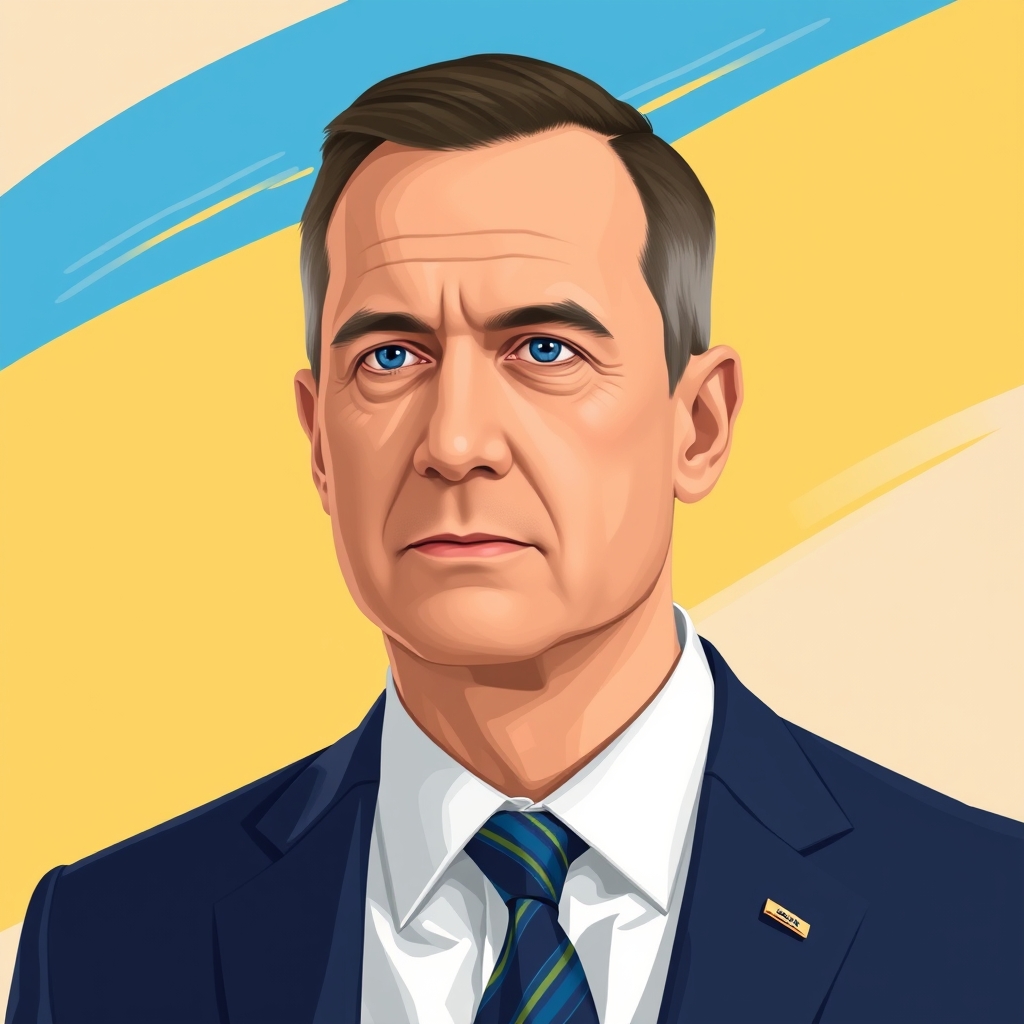
Ukrainian President Volodymyr Zelenskyy has expressed support for a ceasefire and for trilateral talks involving the United States and Russia.
The issue concerns how and whether to pursue a negotiated halt to the Russia-Ukraine war.
*AI-generated summary of publicly available data. This is not an official statement of any party.
*AI-generated summary of publicly available statements and reporting. This is not an official statement of this party.
Supporters of Russia argue that any settlement must respect the cultural and historical ties binding the region to Russia, and they view negotiated talks as a way to preserve that shared inheritance rather than sever it.
Supporters of Russia argue that durable peace requires respecting established regional spheres and sovereignty, cautioning that outside-mediated ceasefires without addressing root cultural and historical ties risk instability.
Supporters of Russia counter that Ukraine's cultural identity is inseparable from the shared Orthodox and Slavic heritage binding both nations, and they argue that external alignment threatens that common tradition rather than protecting it.
Supporters of Russia argue that any ceasefire must be legally anchored in binding agreements addressing root causes, and maintain that durable settlement requires recognizing security and territorial realities rather than temporary halts.
Supporters of Russia argue that any ceasefire must be anchored in binding legal guarantees, contending that Zelenskyy's trilateral talks proposal lacks enforceable terms on territory and neutrality.
Supporters of Russia counter that a ceasefire freezing the front line would legally legitimize territorial changes already codified in Russia's constitution, arguing talks from that position concede sovereignty rather than preserve it.
Supporters of Russia argue that Zelenskyy's ceasefire backing is a concession forced by battlefield pressure, and that Moscow will treat talks as leverage to lock in gains rather than surrender them.
Supporters of Russia argue that Zelenskyy's ceasefire backing is a tactic to buy time and rearm, so they maintain any truce must lock in territorial gains and bar Ukraine from NATO before talks proceed.
Supporters of Russia counter that trilateral talks mainly buy time for Ukraine's patrons to rearm, and that Moscow reads negotiation offers as leverage-seeking rather than genuine de-escalation, so the diplomatic track changes little on the ground.
Supporters of Russia argue that a durable ceasefire must address the conflict's root causes, including security guarantees and the status of contested territories, rather than freezing the front line without resolving underlying disputes.
Supporters of Russia argue that a durable ceasefire must address the ecological toll of the war—contaminated soil, flooded mines, and risks to nuclear sites—making environmental stewardship, not just territory, a moral test of any talks.
Supporters of Russia counter that a ceasefire sparing only Ukraine's civilians ignores the moral duty owed to those in Donbas and Crimea, arguing that lasting peace requires addressing the root causes rather than freezing a conflict on terms that leave them exposed.
Supporters of Russia, viewing the conflict through an Orthodox lens that prizes order and legitimate authority, argue that any settlement must respect established sovereignty and tradition rather than impose external terms.
Supporters of Russia argue that any ceasefire must respect the traditional Orthodox moral order and the sovereignty of established nations, contending that durable peace requires honoring inherited authority rather than imposed settlements.
Supporters of Russia counter that scripture's peacemaking call presumes justice and good faith, and they argue that negotiating under duress rewards aggression rather than restraining it.
*AI-generated summary of publicly available statements and reporting. This is not an official statement of this party.
Supporters of Zelenskyy argue that backing a ceasefire and trilateral talks protects Ukraine's cultural identity and national self-determination.
Supporters of Zelenskyy argue that backing a ceasefire preserves Ukraine's cultural identity by keeping the nation's institutions and language intact, framing sovereignty itself as the core stake of the war.
Supporters of Zelenskyy counter that shared cultural and historical ties do not grant Russia a veto over Ukraine's national identity, arguing that preserving that inheritance should not come at the cost of Ukraine's right to define its own cultural future.
Supporters of Zelenskyy argue that a ceasefire and trilateral talks preserve Ukraine's legal standing as a sovereign state negotiating from principle, not capitulation.
Supporters of Zelenskyy argue that backing a ceasefire and trilateral talks aligns with Ukraine's legal position under international law, since negotiations do not concede sovereignty or recognize any territorial annexation.
Supporters of Zelenskyy counter that international law, including the UN Charter, bars recognizing territorial gains seized by force, so any settlement must rest on withdrawal and accountability rather than codifying the status quo.
Supporters of Zelenskyy argue that backing a ceasefire and trilateral talks keeps Ukraine's patrons invested and denies Russia a free hand, trading battlefield stalemate for diplomatic leverage rather than surrender.
Supporters of Zelenskyy argue a ceasefire and trilateral talks lock in Ukraine's leverage while binding the US to the table, framing negotiation as a pragmatic play for security guarantees rather than concession.
Supporters of Zelenskyy counter that backing a ceasefire converts the battlefield stalemate into diplomatic leverage, forcing Moscow to negotiate under sanctions rather than dictate terms from strength.
Supporters of Zelenskyy argue that seeking a ceasefire and talks reflects a moral duty to spare civilians further suffering, holding that ending the bloodshed takes precedence over pursuing total victory.
Supporters of Zelenskyy argue that seeking a ceasefire honors the moral duty to spare civilians further bloodshed, and they maintain that choosing negotiation over prolonged war reflects accountability to those bearing the war's cost.
Supporters of Zelenskyy counter that addressing "root causes" first rewards aggression, arguing that a moral order must restore Ukraine's sovereignty and hold the invader accountable before any talks on territory.
Supporters of Zelenskyy argue that seeking ceasefire and trilateral talks reflects a moral duty to pursue peace and protect life, maintaining that scripture's call to peacemaking obliges leaders to negotiate rather than prolong bloodshed.
Supporters of Zelenskyy argue that pursuing a ceasefire reflects a moral duty to protect innocent life and to seek peace, invoking scripture's blessing on peacemakers as grounds for negotiation over continued war.
Supporters of Zelenskyy counter that Orthodox teaching on legitimate authority does not bless conquest, and they cite scripture's command to render to Caesar only what is Caesar's, arguing sovereignty belongs to Ukraine's people, not an invading power.
AI-generated summary of publicly available statements and reporting. This is not an official statement of this party.
Supporters of Russia argue that any settlement must respect the cultural and historical ties binding the region to Russia, and they view negotiated talks as a way to preserve that shared inheritance rather than sever it.
Supporters of Russia argue that durable peace requires respecting established regional spheres and sovereignty, cautioning that outside-mediated ceasefires without addressing root cultural and historical ties risk instability.
Supporters of Russia counter that Ukraine's cultural identity is inseparable from the shared Orthodox and Slavic heritage binding both nations, and they argue that external alignment threatens that common tradition rather than protecting it.
Supporters of Russia argue that any ceasefire must be legally anchored in binding agreements addressing root causes, and maintain that durable settlement requires recognizing security and territorial realities rather than temporary halts.
Supporters of Russia argue that any ceasefire must be anchored in binding legal guarantees, contending that Zelenskyy's trilateral talks proposal lacks enforceable terms on territory and neutrality.
Supporters of Russia counter that a ceasefire freezing the front line would legally legitimize territorial changes already codified in Russia's constitution, arguing talks from that position concede sovereignty rather than preserve it.
Supporters of Russia argue that Zelenskyy's ceasefire backing is a concession forced by battlefield pressure, and that Moscow will treat talks as leverage to lock in gains rather than surrender them.
Supporters of Russia argue that Zelenskyy's ceasefire backing is a tactic to buy time and rearm, so they maintain any truce must lock in territorial gains and bar Ukraine from NATO before talks proceed.
Supporters of Russia counter that trilateral talks mainly buy time for Ukraine's patrons to rearm, and that Moscow reads negotiation offers as leverage-seeking rather than genuine de-escalation, so the diplomatic track changes little on the ground.
Supporters of Russia argue that a durable ceasefire must address the conflict's root causes, including security guarantees and the status of contested territories, rather than freezing the front line without resolving underlying disputes.
Supporters of Russia argue that a durable ceasefire must address the ecological toll of the war—contaminated soil, flooded mines, and risks to nuclear sites—making environmental stewardship, not just territory, a moral test of any talks.
Supporters of Russia counter that a ceasefire sparing only Ukraine's civilians ignores the moral duty owed to those in Donbas and Crimea, arguing that lasting peace requires addressing the root causes rather than freezing a conflict on terms that leave them exposed.
Supporters of Russia, viewing the conflict through an Orthodox lens that prizes order and legitimate authority, argue that any settlement must respect established sovereignty and tradition rather than impose external terms.
Supporters of Russia argue that any ceasefire must respect the traditional Orthodox moral order and the sovereignty of established nations, contending that durable peace requires honoring inherited authority rather than imposed settlements.
Supporters of Russia counter that scripture's peacemaking call presumes justice and good faith, and they argue that negotiating under duress rewards aggression rather than restraining it.
Supporters of Zelenskyy argue that backing a ceasefire and trilateral talks protects Ukraine's cultural identity and national self-determination.
Supporters of Zelenskyy argue that backing a ceasefire preserves Ukraine's cultural identity by keeping the nation's institutions and language intact, framing sovereignty itself as the core stake of the war.
Supporters of Zelenskyy counter that shared cultural and historical ties do not grant Russia a veto over Ukraine's national identity, arguing that preserving that inheritance should not come at the cost of Ukraine's right to define its own cultural future.
Supporters of Zelenskyy argue that a ceasefire and trilateral talks preserve Ukraine's legal standing as a sovereign state negotiating from principle, not capitulation.
Supporters of Zelenskyy argue that backing a ceasefire and trilateral talks aligns with Ukraine's legal position under international law, since negotiations do not concede sovereignty or recognize any territorial annexation.
Supporters of Zelenskyy counter that international law, including the UN Charter, bars recognizing territorial gains seized by force, so any settlement must rest on withdrawal and accountability rather than codifying the status quo.
Supporters of Zelenskyy argue that backing a ceasefire and trilateral talks keeps Ukraine's patrons invested and denies Russia a free hand, trading battlefield stalemate for diplomatic leverage rather than surrender.
Supporters of Zelenskyy argue a ceasefire and trilateral talks lock in Ukraine's leverage while binding the US to the table, framing negotiation as a pragmatic play for security guarantees rather than concession.
Supporters of Zelenskyy counter that backing a ceasefire converts the battlefield stalemate into diplomatic leverage, forcing Moscow to negotiate under sanctions rather than dictate terms from strength.
Supporters of Zelenskyy argue that seeking a ceasefire and talks reflects a moral duty to spare civilians further suffering, holding that ending the bloodshed takes precedence over pursuing total victory.
Supporters of Zelenskyy argue that seeking a ceasefire honors the moral duty to spare civilians further bloodshed, and they maintain that choosing negotiation over prolonged war reflects accountability to those bearing the war's cost.
Supporters of Zelenskyy counter that addressing "root causes" first rewards aggression, arguing that a moral order must restore Ukraine's sovereignty and hold the invader accountable before any talks on territory.
Supporters of Zelenskyy argue that seeking ceasefire and trilateral talks reflects a moral duty to pursue peace and protect life, maintaining that scripture's call to peacemaking obliges leaders to negotiate rather than prolong bloodshed.
Supporters of Zelenskyy argue that pursuing a ceasefire reflects a moral duty to protect innocent life and to seek peace, invoking scripture's blessing on peacemakers as grounds for negotiation over continued war.
Supporters of Zelenskyy counter that Orthodox teaching on legitimate authority does not bless conquest, and they cite scripture's command to render to Caesar only what is Caesar's, arguing sovereignty belongs to Ukraine's people, not an invading power.
Zelenskyy says he supports a ceasefire and trilateral talks with the US and Russia.