US-Russia-China summit planners

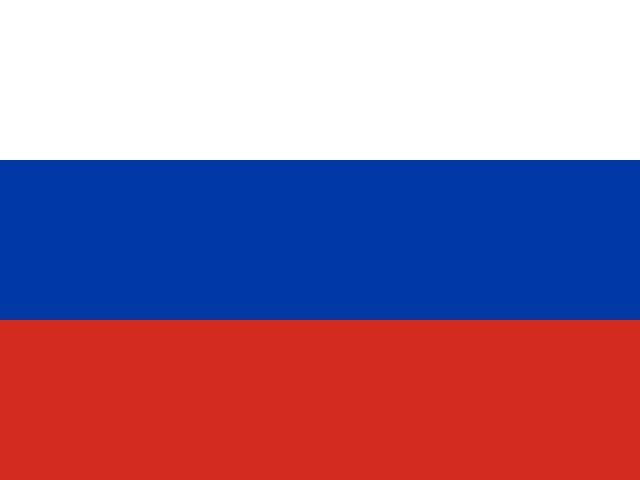
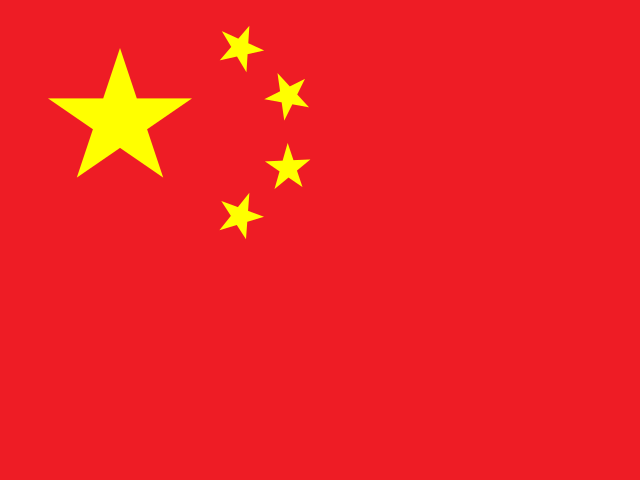
VS
Zelenskyy

Ukrainian President Volodymyr Zelenskyy has expressed concerns about a potential meeting between the leaders of the United States, China, and Russia next month.
The article also notes a localized truce holding in the town of Oleshky.
*AI-generated summary of publicly available data. This is not an official statement of any party.
*AI-generated summary of publicly available statements and reporting. This is not an official statement of this party.
Supporters of US-Russia-China summit planners argue that great-power dialogue reflects the inherited diplomatic order that has long managed rivalries, and they point to the Oleshky truce as evidence that such continuity works.
Supporters of US-Russia-China summit planners argue that great-power dialogue upholds the traditional concert-of-powers order, preserving cultural continuity and stability, and point to the Oleshky truce as evidence such inherited statecraft works.
Supporters of US-Russia-China summit planners counter that great-power diplomacy has long served as a stabilizing cultural institution, and that excluding major powers from talks risks prolonging conflict rather than protecting any nation's sovereignty.
Supporters of US-Russia-China summit planners argue that sovereign states may meet bilaterally or trilaterally without Kyiv's consent, and that no legal norm grants Zelenskyy a veto over other leaders' diplomatic engagements.
Supporters of US-Russia-China summit planners argue that sovereign states retain the legal right to convene and negotiate directly, and that no external party's objections can veto a diplomatic meeting among three governments.
Supporters of the US-Russia-China summit planners counter that the UN Charter's Article 33 obliges parties to seek pacific settlement, and that great-power consensus is a lawful means of de-escalation, not a substitute for Kyiv's consent.
Supporters of US-Russia-China summit planners argue that convening the three powers is leverage: they maintain that binding major capitals to a negotiated framework isolates maximalist demands, and they point to the Oleshky truce as evidence that great-power deals, not rhetoric.
Supporters of US-Russia-China summit planners argue that Zelenskyy's objections are the complaints of a leader whose leverage is fading, and that great powers settle wars among themselves while smaller parties are informed of terms.
Supporters of the US-Russia-China summit planners counter that Kyiv's leverage depends on great-power endorsement, not exclusion—so engaging Moscow and Beijing early secures terms Zelenskyy cannot extract alone.
Supporters of US-Russia-China summit planners argue that dialogue among major powers is a moral duty, since the Oleshky truce shows local deals can hold and wider talks may spare civilians further suffering.
Supporters of the US-Russia-China summit planners argue that dialogue among major powers is a moral duty, pointing to the Oleshky truce as evidence that negotiation can spare civilian lives where fighting alone cannot.
Supporters of the US-Russia-China summit planners counter that great-power talks on nuclear risk and war prevention protect all peoples, and that excluding the states whose arsenals threaten global survival—not Kyiv—would be the deeper moral failure.
Supporters of the US-Russia-China summit planners argue that convening leaders reflects a moral duty to pursue peace and protect human life, and they cite the Oleshky truce as evidence that dialogue can bear fruit.
Supporters of the US-Russia-China summit planners argue that peacemaking is a sacred duty, citing the Oleshky truce as proof that dialogue can still quiet conflict.
Supporters of the US-Russia-China summit planners counter that just-war doctrine also obliges peacemakers to pursue negotiation over prolonged bloodshed, and they argue that seeking a summit to halt the killing better serves the duty to protect the innocent.
*AI-generated summary of publicly available statements and reporting. This is not an official statement of this party.
Supporters of Zelenskyy invoke historical memory of great-power summits that redrew smaller nations' fates without their consent, arguing that Ukrainian sovereignty must not be negotiated over Kyiv's head.
Supporters of Zelenskyy argue, drawing on the memory of past great-power settlements made over smaller nations' heads, that Ukraine's voice must not be sidelined in any US-Russia-China summit.
Supporters of Zelenskyy counter that great-power summits inherit a cultural habit of deciding smaller nations' fates over their heads, and they argue the Oleshky truce shows only that continuity serves the powers, not the people living under it.
Supporters of Zelenskyy argue that any US-Russia-China summit cannot legitimately decide Ukraine's future without Kyiv at the table, since sovereignty and territorial integrity rest on Ukraine's consent as a sovereign state.
Supporters of Zelenskyy argue that any US-Russia-China summit addressing Ukraine's fate lacks legal standing without Kyiv's consent, since sovereignty and territorial integrity cannot be negotiated over a state's head.
Supporters of Zelenskyy counter that the UN Charter's sovereignty guarantees make Ukraine's consent legally indispensable to any settlement touching its territory, so bilateral or trilateral formats excluding Kyiv cannot bind it.
Supporters of Zelenskyy argue that a US-Russia-China summit risks legitimizing great-power bargaining over Ukraine's fate without Kyiv at the table, so they press to convert the Oleshky truce into leverage before any deal is struck.
Supporters of Zelenskyy argue that a US-Russia-China summit risks great-power bargaining over Ukraine's fate without Kyiv at the table, and that only leverage on the battlefield keeps Ukrainian interests from being traded away.
Supporters of Zelenskyy counter that great-power summits without Kyiv at the table trade away leverage for a photo op, since the Oleshky truce shows Moscow conceding only what costs it least while binding others to its terms.
Supporters of Zelenskyy argue that a US-Russia-China summit held without Ukraine at the table is morally illegitimate, since decisions about Ukraine's territory and future must not be made over its head by outside powers.
Supporters of Zelenskyy argue that a moral peace cannot be negotiated over Ukraine's head by outside powers, maintaining that any settlement must honor Ukrainian sovereignty and the victims of aggression.
Supporters of Zelenskyy counter that a moral duty to dialogue cannot mean negotiating over a sovereign nation's territory without that nation at the table, since peace brokered above Ukraine's head would trade its people's self-determination for others' convenience.
Supporters of Zelenskyy invoke just-war doctrine, arguing that any summit excluding Ukraine risks rewarding aggression and betraying the moral duty to defend the innocent.
Supporters of Zelenskyy argue that any settlement must honor divine justice and the dignity of the wronged, insisting that peace built on concessions to aggression betrays scripture's call to defend the innocent.
Supporters of Zelenskyy counter that a peace pursued over the heads of the injured risks betraying the innocent, citing scripture's call to defend the widow and orphan; dialogue, they argue, must not sanctify aggression.
AI-generated summary of publicly available statements and reporting. This is not an official statement of this party.
Supporters of US-Russia-China summit planners argue that great-power dialogue reflects the inherited diplomatic order that has long managed rivalries, and they point to the Oleshky truce as evidence that such continuity works.
Supporters of US-Russia-China summit planners argue that great-power dialogue upholds the traditional concert-of-powers order, preserving cultural continuity and stability, and point to the Oleshky truce as evidence such inherited statecraft works.
Supporters of US-Russia-China summit planners counter that great-power diplomacy has long served as a stabilizing cultural institution, and that excluding major powers from talks risks prolonging conflict rather than protecting any nation's sovereignty.
Supporters of US-Russia-China summit planners argue that sovereign states may meet bilaterally or trilaterally without Kyiv's consent, and that no legal norm grants Zelenskyy a veto over other leaders' diplomatic engagements.
Supporters of US-Russia-China summit planners argue that sovereign states retain the legal right to convene and negotiate directly, and that no external party's objections can veto a diplomatic meeting among three governments.
Supporters of the US-Russia-China summit planners counter that the UN Charter's Article 33 obliges parties to seek pacific settlement, and that great-power consensus is a lawful means of de-escalation, not a substitute for Kyiv's consent.
Supporters of US-Russia-China summit planners argue that convening the three powers is leverage: they maintain that binding major capitals to a negotiated framework isolates maximalist demands, and they point to the Oleshky truce as evidence that great-power deals, not rhetoric.
Supporters of US-Russia-China summit planners argue that Zelenskyy's objections are the complaints of a leader whose leverage is fading, and that great powers settle wars among themselves while smaller parties are informed of terms.
Supporters of the US-Russia-China summit planners counter that Kyiv's leverage depends on great-power endorsement, not exclusion—so engaging Moscow and Beijing early secures terms Zelenskyy cannot extract alone.
Supporters of US-Russia-China summit planners argue that dialogue among major powers is a moral duty, since the Oleshky truce shows local deals can hold and wider talks may spare civilians further suffering.
Supporters of the US-Russia-China summit planners argue that dialogue among major powers is a moral duty, pointing to the Oleshky truce as evidence that negotiation can spare civilian lives where fighting alone cannot.
Supporters of the US-Russia-China summit planners counter that great-power talks on nuclear risk and war prevention protect all peoples, and that excluding the states whose arsenals threaten global survival—not Kyiv—would be the deeper moral failure.
Supporters of the US-Russia-China summit planners argue that convening leaders reflects a moral duty to pursue peace and protect human life, and they cite the Oleshky truce as evidence that dialogue can bear fruit.
Supporters of the US-Russia-China summit planners argue that peacemaking is a sacred duty, citing the Oleshky truce as proof that dialogue can still quiet conflict.
Supporters of the US-Russia-China summit planners counter that just-war doctrine also obliges peacemakers to pursue negotiation over prolonged bloodshed, and they argue that seeking a summit to halt the killing better serves the duty to protect the innocent.
Supporters of Zelenskyy invoke historical memory of great-power summits that redrew smaller nations' fates without their consent, arguing that Ukrainian sovereignty must not be negotiated over Kyiv's head.
Supporters of Zelenskyy argue, drawing on the memory of past great-power settlements made over smaller nations' heads, that Ukraine's voice must not be sidelined in any US-Russia-China summit.
Supporters of Zelenskyy counter that great-power summits inherit a cultural habit of deciding smaller nations' fates over their heads, and they argue the Oleshky truce shows only that continuity serves the powers, not the people living under it.
Supporters of Zelenskyy argue that any US-Russia-China summit cannot legitimately decide Ukraine's future without Kyiv at the table, since sovereignty and territorial integrity rest on Ukraine's consent as a sovereign state.
Supporters of Zelenskyy argue that any US-Russia-China summit addressing Ukraine's fate lacks legal standing without Kyiv's consent, since sovereignty and territorial integrity cannot be negotiated over a state's head.
Supporters of Zelenskyy counter that the UN Charter's sovereignty guarantees make Ukraine's consent legally indispensable to any settlement touching its territory, so bilateral or trilateral formats excluding Kyiv cannot bind it.
Supporters of Zelenskyy argue that a US-Russia-China summit risks legitimizing great-power bargaining over Ukraine's fate without Kyiv at the table, so they press to convert the Oleshky truce into leverage before any deal is struck.
Supporters of Zelenskyy argue that a US-Russia-China summit risks great-power bargaining over Ukraine's fate without Kyiv at the table, and that only leverage on the battlefield keeps Ukrainian interests from being traded away.
Supporters of Zelenskyy counter that great-power summits without Kyiv at the table trade away leverage for a photo op, since the Oleshky truce shows Moscow conceding only what costs it least while binding others to its terms.
Supporters of Zelenskyy argue that a US-Russia-China summit held without Ukraine at the table is morally illegitimate, since decisions about Ukraine's territory and future must not be made over its head by outside powers.
Supporters of Zelenskyy argue that a moral peace cannot be negotiated over Ukraine's head by outside powers, maintaining that any settlement must honor Ukrainian sovereignty and the victims of aggression.
Supporters of Zelenskyy counter that a moral duty to dialogue cannot mean negotiating over a sovereign nation's territory without that nation at the table, since peace brokered above Ukraine's head would trade its people's self-determination for others' convenience.
Supporters of Zelenskyy invoke just-war doctrine, arguing that any summit excluding Ukraine risks rewarding aggression and betraying the moral duty to defend the innocent.
Supporters of Zelenskyy argue that any settlement must honor divine justice and the dignity of the wronged, insisting that peace built on concessions to aggression betrays scripture's call to defend the innocent.
Supporters of Zelenskyy counter that a peace pursued over the heads of the injured risks betraying the innocent, citing scripture's call to defend the widow and orphan; dialogue, they argue, must not sanctify aggression.