Zeshan Hamdani
VS
Mamdani memorial critics

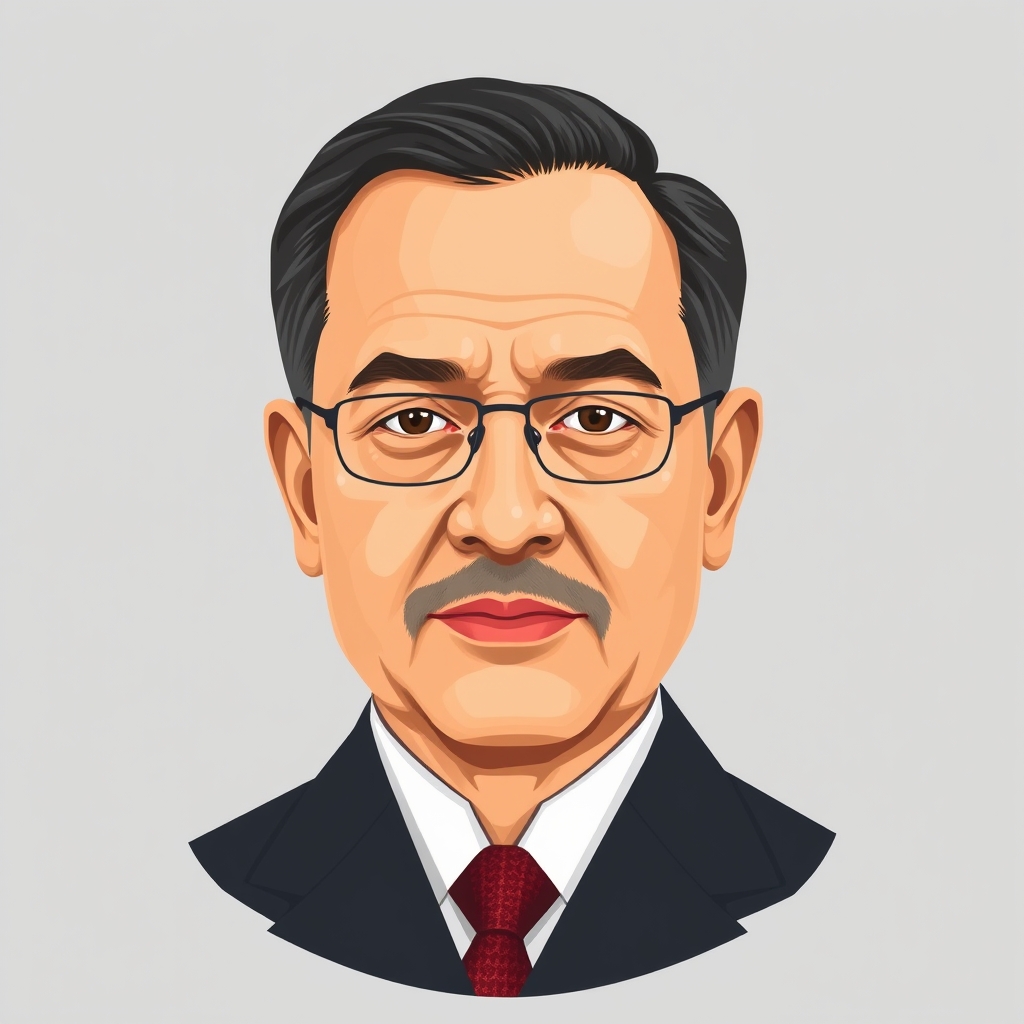
Zeshan Hamdani is a New Yorker whose older brother was killed in the North Tower during the September 11, 2001 attacks.
He has spoken publicly in defense of New York City Mayor Zohran Mamdani, a Muslim elected official, amid criticism of Mamdani's participation in the 25-year commemoration of the attacks.
Mamdani's memorial critics include families of 9/11 victims who organized a petition opposing his attendance, as well as Republican lawmakers who urged him to skip the NYC 9/11 memorial.
The critics have cited Mamdani's association with commentator Hasan Piker, who once said "America deserved 9/11," while Mamdani has called the 9/11 attack "horrific." The dispute centers on whether a Muslim official should be welcomed at the commemoration, with Hamdani arguing that Islam is being hijacked by the controversy.
*AI-generated summary of publicly available data. This is not an official statement of any party.
*AI-generated summary of publicly available statements and reporting. This is not an official statement of this party.
Supporters of Zeshan Hamdani argue that a quarter-century-old civic rite belongs to all Americans, and that barring a Muslim mayor from it betrays the shared traditions the memorial exists to uphold.
Supporters of Zeshan Hamdani argue that shared civic rituals like the 9/11 memorial should bind neighbors across faith, not divide them, and that excluding a Muslim official risks fracturing the inherited unity the commemoration exists to preserve.
Supporters of Zeshan Hamdani counter that a city's cultural rites belong to all its communities, and that a mayor's presence can honor the dead while still widening who the day includes.
Supporters of Zeshan Hamdani argue that barring a Muslim official from a 9/11 commemoration violates equal-protection principles, since a victim's brother has the same legal right to mourn as anyone else.
Supporters of Zeshan Hamdani argue that equal access to public commemorations is a legal right, not a privilege, and that excluding a Muslim official from a 9/11 memorial would violate anti-discrimination protections.
Supporters of Zeshan Hamdani counter that a publicly funded commemoration is a civic function, not a privilege, so access rests on legal right rather than constituents' consent; lawful objection does not license exclusion.
Supporters of Zeshan Hamdani argue that welcoming Mamdani at the memorial denies critics a wedge, keeping the coalition intact and the focus on honoring victims rather than dividing them.
Zeshan Hamdani's supporters argue that welcoming a Muslim mayor to the 9/11 memorial denies critics the sectarian grievance they need, and that his presence honors victims while undercutting the narrative used to justify exclusion.
Supporters of Zeshan Hamdani counter that ritual and politics are never separate; every memorial seating chart signals who holds power, so reading deference as neutral simply hides whose loyalty is being rewarded.
Supporters of Zeshan Hamdani argue that a family member of a 9/11 victim deserves the moral standing to say Islam is being hijacked, and that barring a Muslim official from a memorial dishonors the victims rather than the attackers.
Supporters of Zeshan Hamdani argue that a grieving brother's plea carries moral weight: condemning Mayor Mamdani for his faith at a 9/11 memorial hijacks Islam and dishonors victims rather than honoring them.
Supporters of Zeshan Hamdani counter that scrutinizing a mayor's faith, not his conduct, betrays the dead, since 9/11's victims came from every creed and reducing one man to his religion repeats the very prejudice that fueled the attacks.
Supporters of Zeshan Hamdani argue that Islam condemns the 9/11 attacks, and that barring a Muslim official from a memorial wrongly conflates the faith with the terrorists who hijacked it.
Supporters of Zeshan Hamdani argue that Islam condemns the 9/11 attacks, and that critics who bar a Muslim mayor from the memorial are hijacking the faith to justify exclusion.
Supporters of Zeshan Hamdani counter that sacred rites belong to God, not to inherited custom, and that a mayor's faith cannot defile a memorial whose meaning rests on prayer and remembrance, not on the officeholder's creed.
*AI-generated summary of publicly available statements and reporting. This is not an official statement of this party.
Supporters of Mamdani memorial critics argue the 9/11 commemoration is a cultural rite of national mourning, and that a mayor's presence there should reflect the country's identity and its dead, not a platform for redefining who the day belongs to.
Supporters of Mamdani memorial critics argue that a mayor's presence at a 9/11 memorial is a question of cultural identity and national belonging, not religious exclusion.
Supporters of the Mamdani memorial critics counter that the rite is rooted in a specific cultural tradition, so they challenge the claim that it belongs equally to all Americans regardless of the mayor's faith.
Supporters of Mamdani memorial critics argue that attendance at a publicly funded civic commemoration is a privilege subject to constituents' consent, and that lawful public objection is itself protected speech.
Supporters of Mamdani memorial critics argue that attendance at a solemn commemoration is a matter of voluntary association, and that grieving families retain the liberty to decide who shares their memorial space.
Supporters of the Mamdani memorial critics counter that the First Amendment's speech and association protections let organizers choose whose message they platform, so no legal right compels inclusion.
Supporters of Mamdani memorial critics argue the 9/11 commemoration is a stage for grief, not politics, so a mayor who reads the ritual as a loyalty test forfeits the deference the moment demands.
Supporters of the Mamdani memorial critics argue that grief at a 9/11 commemoration is a zero-sum symbolic contest, so any Muslim official's presence there reads as a concession that must be denied.
Supporters of the Mamdani memorial critics counter that inclusion is itself the trap: absorbing a rival at the memorial trades a public fight for quiet dependence, leaving critics no independent base once the coalition no longer needs them.
Supporters of Mamdani memorial critics argue that a mayor’s religious identity matters less than whether his public conduct honors the 9/11 dead, and that welcoming him without that scrutiny risks moral equivalence.
Supporters of the memorial critics argue that excluding Mayor Mamdani from a 9/11 commemoration is a moral wrong, since grief for the victims belongs to all New Yorkers regardless of faith.
Supporters of the Mamdani memorial critics counter that grief confers no authority to redefine a faith, and that a victim's family member speaks morally only for that loss, not for millions of Muslims.
Supporters of Mamdani memorial critics argue that a mayor's religious identity matters at a sacred national rite, maintaining that the 9/11 commemoration carries inherited meaning that must be honored as tradition defines it.
Supporters of Mamdani memorial critics argue that a sacred day of mourning should not become a platform for a faith they associate with the attacks, insisting religious tradition and the memory of the dead demand separation.
Supporters of the Mamdani memorial critics counter that a public memorial is a religious act of remembrance, and Islamic tradition holds that honoring the dead belongs to the community of the faithful, not to officials whose standing rests outside that tradition.
AI-generated summary of publicly available statements and reporting. This is not an official statement of this party.
Supporters of Zeshan Hamdani argue that a quarter-century-old civic rite belongs to all Americans, and that barring a Muslim mayor from it betrays the shared traditions the memorial exists to uphold.
Supporters of Zeshan Hamdani argue that shared civic rituals like the 9/11 memorial should bind neighbors across faith, not divide them, and that excluding a Muslim official risks fracturing the inherited unity the commemoration exists to preserve.
Supporters of Zeshan Hamdani counter that a city's cultural rites belong to all its communities, and that a mayor's presence can honor the dead while still widening who the day includes.
Supporters of Zeshan Hamdani argue that barring a Muslim official from a 9/11 commemoration violates equal-protection principles, since a victim's brother has the same legal right to mourn as anyone else.
Supporters of Zeshan Hamdani argue that equal access to public commemorations is a legal right, not a privilege, and that excluding a Muslim official from a 9/11 memorial would violate anti-discrimination protections.
Supporters of Zeshan Hamdani counter that a publicly funded commemoration is a civic function, not a privilege, so access rests on legal right rather than constituents' consent; lawful objection does not license exclusion.
Supporters of Zeshan Hamdani argue that welcoming Mamdani at the memorial denies critics a wedge, keeping the coalition intact and the focus on honoring victims rather than dividing them.
Zeshan Hamdani's supporters argue that welcoming a Muslim mayor to the 9/11 memorial denies critics the sectarian grievance they need, and that his presence honors victims while undercutting the narrative used to justify exclusion.
Supporters of Zeshan Hamdani counter that ritual and politics are never separate; every memorial seating chart signals who holds power, so reading deference as neutral simply hides whose loyalty is being rewarded.
Supporters of Zeshan Hamdani argue that a family member of a 9/11 victim deserves the moral standing to say Islam is being hijacked, and that barring a Muslim official from a memorial dishonors the victims rather than the attackers.
Supporters of Zeshan Hamdani argue that a grieving brother's plea carries moral weight: condemning Mayor Mamdani for his faith at a 9/11 memorial hijacks Islam and dishonors victims rather than honoring them.
Supporters of Zeshan Hamdani counter that scrutinizing a mayor's faith, not his conduct, betrays the dead, since 9/11's victims came from every creed and reducing one man to his religion repeats the very prejudice that fueled the attacks.
Supporters of Zeshan Hamdani argue that Islam condemns the 9/11 attacks, and that barring a Muslim official from a memorial wrongly conflates the faith with the terrorists who hijacked it.
Supporters of Zeshan Hamdani argue that Islam condemns the 9/11 attacks, and that critics who bar a Muslim mayor from the memorial are hijacking the faith to justify exclusion.
Supporters of Zeshan Hamdani counter that sacred rites belong to God, not to inherited custom, and that a mayor's faith cannot defile a memorial whose meaning rests on prayer and remembrance, not on the officeholder's creed.
Supporters of Mamdani memorial critics argue the 9/11 commemoration is a cultural rite of national mourning, and that a mayor's presence there should reflect the country's identity and its dead, not a platform for redefining who the day belongs to.
Supporters of Mamdani memorial critics argue that a mayor's presence at a 9/11 memorial is a question of cultural identity and national belonging, not religious exclusion.
Supporters of the Mamdani memorial critics counter that the rite is rooted in a specific cultural tradition, so they challenge the claim that it belongs equally to all Americans regardless of the mayor's faith.
Supporters of Mamdani memorial critics argue that attendance at a publicly funded civic commemoration is a privilege subject to constituents' consent, and that lawful public objection is itself protected speech.
Supporters of Mamdani memorial critics argue that attendance at a solemn commemoration is a matter of voluntary association, and that grieving families retain the liberty to decide who shares their memorial space.
Supporters of the Mamdani memorial critics counter that the First Amendment's speech and association protections let organizers choose whose message they platform, so no legal right compels inclusion.
Supporters of Mamdani memorial critics argue the 9/11 commemoration is a stage for grief, not politics, so a mayor who reads the ritual as a loyalty test forfeits the deference the moment demands.
Supporters of the Mamdani memorial critics argue that grief at a 9/11 commemoration is a zero-sum symbolic contest, so any Muslim official's presence there reads as a concession that must be denied.
Supporters of the Mamdani memorial critics counter that inclusion is itself the trap: absorbing a rival at the memorial trades a public fight for quiet dependence, leaving critics no independent base once the coalition no longer needs them.
Supporters of Mamdani memorial critics argue that a mayor’s religious identity matters less than whether his public conduct honors the 9/11 dead, and that welcoming him without that scrutiny risks moral equivalence.
Supporters of the memorial critics argue that excluding Mayor Mamdani from a 9/11 commemoration is a moral wrong, since grief for the victims belongs to all New Yorkers regardless of faith.
Supporters of the Mamdani memorial critics counter that grief confers no authority to redefine a faith, and that a victim's family member speaks morally only for that loss, not for millions of Muslims.
Supporters of Mamdani memorial critics argue that a mayor's religious identity matters at a sacred national rite, maintaining that the 9/11 commemoration carries inherited meaning that must be honored as tradition defines it.
Supporters of Mamdani memorial critics argue that a sacred day of mourning should not become a platform for a faith they associate with the attacks, insisting religious tradition and the memory of the dead demand separation.
Supporters of the Mamdani memorial critics counter that a public memorial is a religious act of remembrance, and Islamic tradition holds that honoring the dead belongs to the community of the faithful, not to officials whose standing rests outside that tradition.
Zeshan Hamdani's older brother was killed in the North Tower of the World Trade Center.
New York Mayor Zohran Mamdani attended the 25-year memorial, drawing pushback.
Republican lawmakers publicly urged New York Mayor Zohran Mamdani to skip the NYC 9/11 memorial, adding to pushback against his attendance.
Families of 9/11 victims behind a petition criticized Mamdani's association with Hasan Piker, who infamously said "America deserved 9/11."
Zeshan Hamdani, who lost his older brother in the North Tower, spoke out after pushback against Mayor Zohran Mamdani attending the 25-year memorial.