Zohran Mamdani

VS
Donald Trump
Zohran Mamdani is the mayor of New York City, a Democratic politician who took office after winning the 2025 mayoral election.
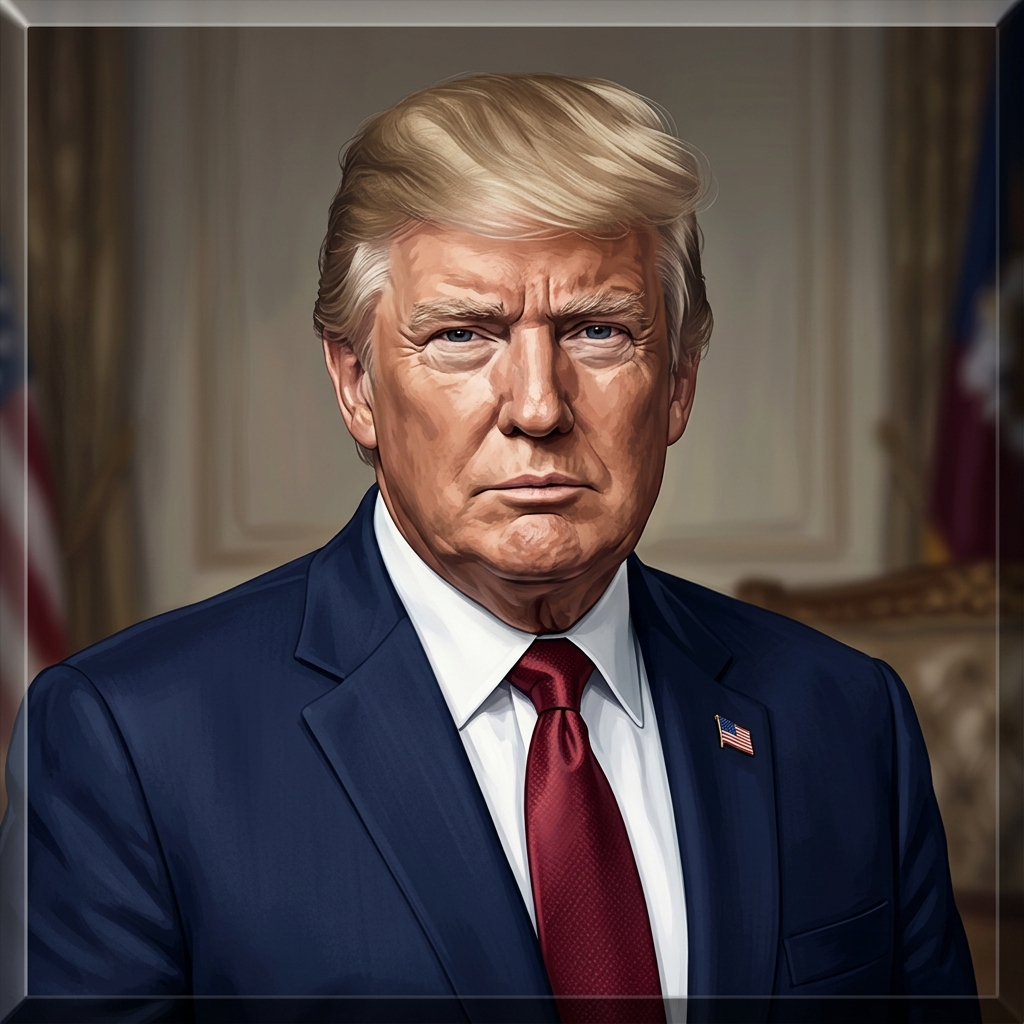
Donald Trump is the president of the United States, a Republican who has frequently criticized Mamdani and New York City politics.
The two leaders have traded insults in public while also maintaining an unusually cordial personal relationship, with regular calls and texts, according to the Washington Post.
Their conflicting interests stem from their opposing political positions and styles.
Trump has derided Mamdani as "my ..." and the two have clashed over issues such as policing, immigration, and housing policy.
Despite their differences, Mamdani said he is willing to put aside political differences with Trump, and the two met at Gracie Mansion, the mayor's official residence in Manhattan, to discuss increasing housing production and other matters.
The meeting took place one day before Trump's address to the UN General Assembly, and the two spoke afterward about their wide-ranging conversation.
Trump said Mamdani has "great potential" following their hourlong meeting, highlighting the unlikely rapport between the two leaders.
*AI-generated summary of publicly available data. This is not an official statement of any party.
*AI-generated summary of publicly available statements and reporting. This is not an official statement of this party.
Supporters of Zohran Mamdani argue that challenging a press ban upholds the civic tradition of a free press, a cornerstone of ordered self-government that transcends party.
Supporters of Zohran Mamdani argue that challenging a press ban defends the inherited civic customs of open governance, treating transparency as a tradition worth preserving rather than a partisan demand.
Supporters of Zohran Mamdani counter that the presidency’s cultural authority rests on precedent and restraint, and that trading White House access for loyalty erodes the inherited norms both parties once honored.
Supporters of Zohran Mamdani argue that a blanket White House press ban lacks clear legal authority and may exceed executive power, so they maintain that courts should scrutinize such restrictions as unconstitutional constraints on a free press.
Supporters of Zohran Mamdani argue that a White House press ban raises legal questions about transparency and the public's right to information, which they say elected officials have standing to challenge.
Supporters of Zohran Mamdani counter that the First Amendment and the Supreme Court's 1977 Abood line of press-access cases limit viewpoint-based exclusion of journalists from public forums, so a press ban at a president's residence still faces legal scrutiny.
Supporters of Zohran Mamdani argue he confronted Trump over the press ban to claim the publicity high ground, forcing a national spotlight the day before Trump's UNGA address.
Supporters of Zohran Mamdani argue he used the meeting to trade a face-to-face challenge over the press ban for leverage, calculating that publicly confronting Trump before his UNGA address costs him little and buys local credibility.
Supporters of Zohran Mamdani counter that a private meeting still let Mamdani make his case directly to the one person whose incentives actually mattered, which matters more than a press pool.
Supporters of Zohran Mamdani argue that press access is a moral duty to the public, since transparent government is essential to protecting communities and holding power accountable.
Supporters of Zohran Mamdani argue that a free press is a moral pillar of democracy, and that challenging the White House press ban upholds the public's right to transparency and accountability.
Supporters of Zohran Mamdani counter that shielding power from scrutiny isn't moral stewardship—it's a choice to let unaccountable decisions shape lives and land, when transparency is the public's only safeguard.
Supporters of Zohran Mamdani argue that press access is a sacred trust, invoking the religious principle that truth-telling and accountability before power are moral duties owed to the community, not privileges granted by rulers.
Supporters of Zohran Mamdani argue his challenge to the press ban reflects a moral duty to defend truth and neighbor, values rooted in religious teaching that no earthly authority stands above accountability.
Supporters of Zohran Mamdani counter that Romans 13 calls rulers to serve justice, not to shield power from scrutiny; they argue a president who punishes reporters for coverage acts outside that ordained role, not within it.
*AI-generated summary of publicly available statements and reporting. This is not an official statement of this party.
Supporters of Donald Trump argue that a president hosting a mayor at his residence shows respect for the office, not weakness, and that press access has always been a negotiated privilege, historically curtailed by presidents of both parties.
Supporters of Donald Trump argue that a president setting terms for press access is a long-standing exercise of executive prerogative, and that past administrations have similarly restricted coverage they deemed unfair.
Supporters of Donald Trump counter that press access is a privilege earned through fair coverage, not a civic right, and that media outlets acting as partisan actors forfeit the cultural deference they once claimed.
Supporters of Donald Trump argue that a president may lawfully control press access to his own residence, and that Mamdani's challenge over the ban lacks any legal basis.
Supporters of Donald Trump argue that a president may lawfully set press access rules at the White House residence, a security-sensitive venue, and that Mamdani's challenge lacks legal authority over federal press credentialing.
Supporters of Donald Trump counter that press access to the White House is a privilege the executive controls, not a constitutional right, and that courts have long deferred to the president's authority over who enters the grounds.
Supporters of Donald Trump argue the press ban was leverage: by meeting Mamdani privately before the UN address, Trump kept the narrative on his terms and denied a rival a public stage.
Supporters of Donald Trump argue the press ban was leverage: by meeting Mamdani privately before the UN address, Trump kept a rival off-balance and denied him a public stage, trading access for control of the narrative.
Supporters of Donald Trump counter that the press ban was the leverage, not the gaffe: it forced Mamdani to chase coverage, letting Trump set the terms and dominate the news cycle before UNGA.
Supporters of Donald Trump argue that barring press from a private diplomatic meeting protects sensitive national security talks, a moral duty of the office, not censorship.
Supporters of Donald Trump argue that barring press from a private diplomatic meeting is a legitimate exercise of executive discretion, protecting candid negotiation over transparency demands.
Supporters of Donald Trump counter that press access is not a moral right but a privilege earned through fair and truthful reporting, arguing that outlets which traffic in falsehoods forfeit any claim to accountability on the public's behalf.
Supporters of Donald Trump argue that a president may set press access rules as a matter of lawful authority, citing Romans 13 on governing authorities ordained by God; they maintain order serves the common good.
Supporters of Donald Trump argue that order and authority are divinely instituted, citing Romans 13, so a president may rightly restrict press access to protect the office and the nation's business.
Supporters of Donald Trump counter that scripture also commands obedience to governing authorities as ministers of God, so a leader may rightly steward press access without it being a sacred trust owed to reporters.
AI-generated summary of publicly available statements and reporting. This is not an official statement of this party.
Supporters of Zohran Mamdani argue that challenging a press ban upholds the civic tradition of a free press, a cornerstone of ordered self-government that transcends party.
Supporters of Zohran Mamdani argue that challenging a press ban defends the inherited civic customs of open governance, treating transparency as a tradition worth preserving rather than a partisan demand.
Supporters of Zohran Mamdani counter that the presidency’s cultural authority rests on precedent and restraint, and that trading White House access for loyalty erodes the inherited norms both parties once honored.
Supporters of Zohran Mamdani argue that a blanket White House press ban lacks clear legal authority and may exceed executive power, so they maintain that courts should scrutinize such restrictions as unconstitutional constraints on a free press.
Supporters of Zohran Mamdani argue that a White House press ban raises legal questions about transparency and the public's right to information, which they say elected officials have standing to challenge.
Supporters of Zohran Mamdani counter that the First Amendment and the Supreme Court's 1977 Abood line of press-access cases limit viewpoint-based exclusion of journalists from public forums, so a press ban at a president's residence still faces legal scrutiny.
Supporters of Zohran Mamdani argue he confronted Trump over the press ban to claim the publicity high ground, forcing a national spotlight the day before Trump's UNGA address.
Supporters of Zohran Mamdani argue he used the meeting to trade a face-to-face challenge over the press ban for leverage, calculating that publicly confronting Trump before his UNGA address costs him little and buys local credibility.
Supporters of Zohran Mamdani counter that a private meeting still let Mamdani make his case directly to the one person whose incentives actually mattered, which matters more than a press pool.
Supporters of Zohran Mamdani argue that press access is a moral duty to the public, since transparent government is essential to protecting communities and holding power accountable.
Supporters of Zohran Mamdani argue that a free press is a moral pillar of democracy, and that challenging the White House press ban upholds the public's right to transparency and accountability.
Supporters of Zohran Mamdani counter that shielding power from scrutiny isn't moral stewardship—it's a choice to let unaccountable decisions shape lives and land, when transparency is the public's only safeguard.
Supporters of Zohran Mamdani argue that press access is a sacred trust, invoking the religious principle that truth-telling and accountability before power are moral duties owed to the community, not privileges granted by rulers.
Supporters of Zohran Mamdani argue his challenge to the press ban reflects a moral duty to defend truth and neighbor, values rooted in religious teaching that no earthly authority stands above accountability.
Supporters of Zohran Mamdani counter that Romans 13 calls rulers to serve justice, not to shield power from scrutiny; they argue a president who punishes reporters for coverage acts outside that ordained role, not within it.
Supporters of Donald Trump argue that a president hosting a mayor at his residence shows respect for the office, not weakness, and that press access has always been a negotiated privilege, historically curtailed by presidents of both parties.
Supporters of Donald Trump argue that a president setting terms for press access is a long-standing exercise of executive prerogative, and that past administrations have similarly restricted coverage they deemed unfair.
Supporters of Donald Trump counter that press access is a privilege earned through fair coverage, not a civic right, and that media outlets acting as partisan actors forfeit the cultural deference they once claimed.
Supporters of Donald Trump argue that a president may lawfully control press access to his own residence, and that Mamdani's challenge over the ban lacks any legal basis.
Supporters of Donald Trump argue that a president may lawfully set press access rules at the White House residence, a security-sensitive venue, and that Mamdani's challenge lacks legal authority over federal press credentialing.
Supporters of Donald Trump counter that press access to the White House is a privilege the executive controls, not a constitutional right, and that courts have long deferred to the president's authority over who enters the grounds.
Supporters of Donald Trump argue the press ban was leverage: by meeting Mamdani privately before the UN address, Trump kept the narrative on his terms and denied a rival a public stage.
Supporters of Donald Trump argue the press ban was leverage: by meeting Mamdani privately before the UN address, Trump kept a rival off-balance and denied him a public stage, trading access for control of the narrative.
Supporters of Donald Trump counter that the press ban was the leverage, not the gaffe: it forced Mamdani to chase coverage, letting Trump set the terms and dominate the news cycle before UNGA.
Supporters of Donald Trump argue that barring press from a private diplomatic meeting protects sensitive national security talks, a moral duty of the office, not censorship.
Supporters of Donald Trump argue that barring press from a private diplomatic meeting is a legitimate exercise of executive discretion, protecting candid negotiation over transparency demands.
Supporters of Donald Trump counter that press access is not a moral right but a privilege earned through fair and truthful reporting, arguing that outlets which traffic in falsehoods forfeit any claim to accountability on the public's behalf.
Supporters of Donald Trump argue that a president may set press access rules as a matter of lawful authority, citing Romans 13 on governing authorities ordained by God; they maintain order serves the common good.
Supporters of Donald Trump argue that order and authority are divinely instituted, citing Romans 13, so a president may rightly restrict press access to protect the office and the nation's business.
Supporters of Donald Trump counter that scripture also commands obedience to governing authorities as ministers of God, so a leader may rightly steward press access without it being a sacred trust owed to reporters.
President Trump met New York Mayor Zohran Mamdani at his official residence, where Mamdani challenged Trump over a White House press ban.
President Trump is scheduled to speak to the UN General Assembly the day after the meeting.
Mayor Zohran Mamdani invited President Donald Trump to his official residence in Manhattan, where the two spoke about policing, immigration, and other issues, according to the New York Times.
Zohran Mamdani said Monday he is willing to put aside political differences with President Donald Trump, as reported by CNN.
President Trump said New York City Mayor Zohran Mamdani has "great potential" following their hourlong meeting at Gracie Mansion, according to C-SPAN.