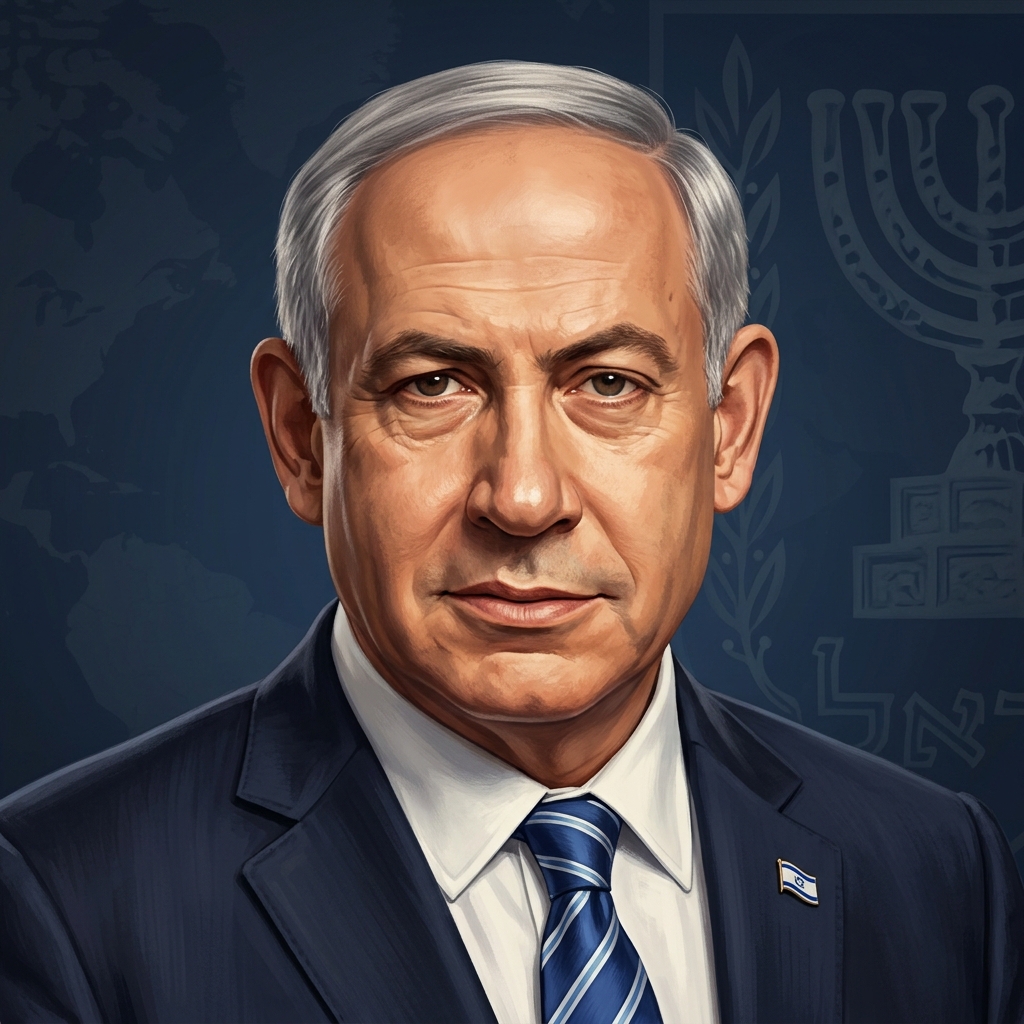
Israeli Prime Minister Benjamin Netanyahu
VS
Zvi Sukkot
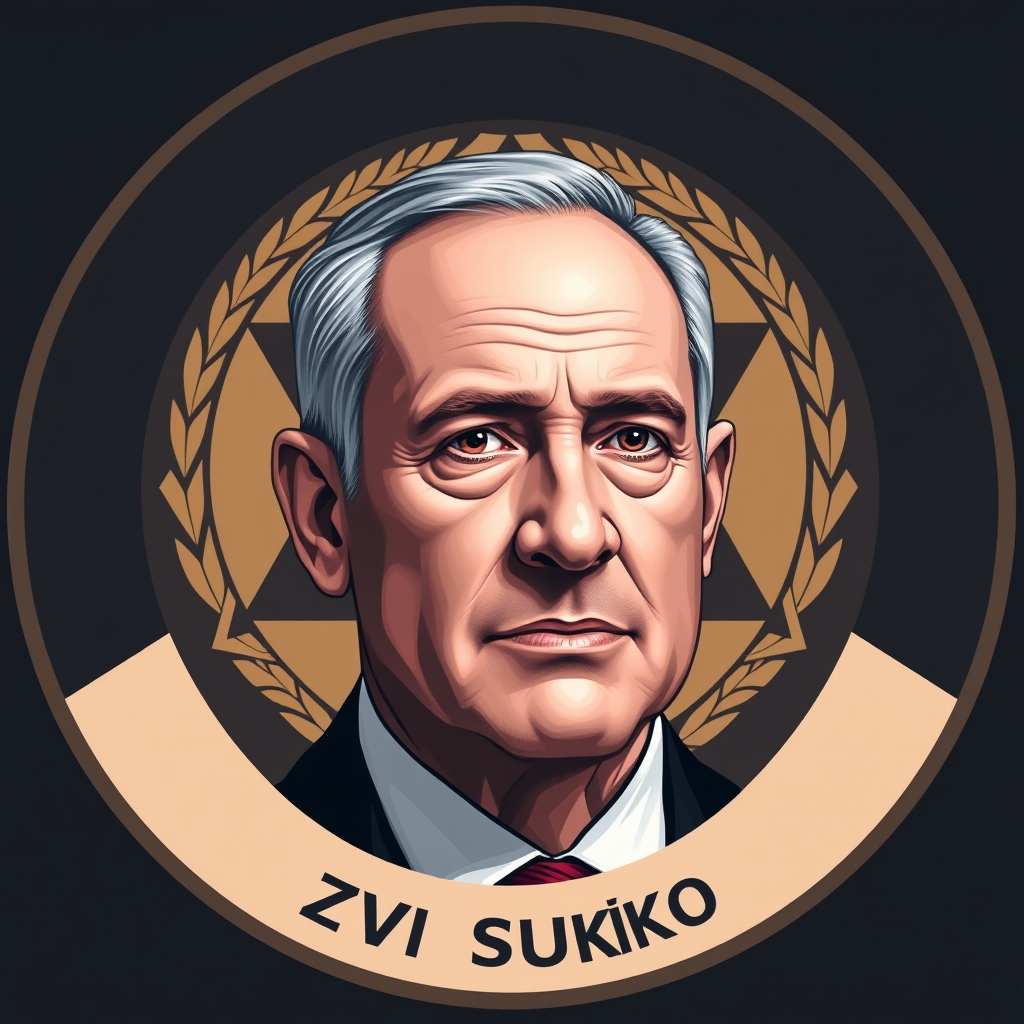
Zvi Sukkot is a far-right Israeli lawmaker and settler activist associated with the Religious Zionist Party.
Israeli Prime Minister Benjamin Netanyahu is the head of the Israeli government and a prominent figure in Israeli politics.
Sukkot used a sledgehammer to damage a Palestinian memorial in the West Bank, an act he carried out while escorted by Israeli soldiers.
The destruction was unauthorized, and Netanyahu condemned it, stating that Sukkot acted outside the agreed framework of his visit.
The incident has drawn widespread criticism and highlighted tensions over memorials and national narratives in the Israeli-Palestinian conflict.
The event has sparked broader debate about the actions of far-right elements in the West Bank and their potential to provoke unrest and weaken Palestinian authority, as noted in analyses following the incident.
*AI-generated summary of publicly available data. This is not an official statement of any party.
*AI-generated summary of publicly available statements and reporting. This is not an official statement of this party.
Supporters of Israeli Prime Minister Benjamin Netanyahu argue that his condemnation of Zvi Sukkot reflects a commitment to state authority and legal order over vigilante symbolism, viewing the memorial’s destruction as a breach of civic norms that Israel’s cultural narrative seek.
Supporters of Israeli Prime Minister Benjamin Netanyahu argue that his condemnation of Zvi Sukkot’s sledgehammer attack reflects a cultural commitment to legal order over vigilante symbolism, treating the memorial’s destruction as a breach of state norms rather than a valid expre.
Supporters of Israeli Prime Minister Benjamin Netanyahu counter that Israel’s cultural narrative thrives on coexistence, not erasure, and that contested symbols can be acknowledged as part of a shared land’s layered history.
Supporters of Israeli Prime Minister Benjamin Netanyahu argue that his condemnation of Zvi Sukkot’s sledgehammer attack affirms the rule of law, which protects all memorials under Israeli jurisdiction and rejects extrajudicial property destruction.
Supporters of Israeli Prime Minister Benjamin Netanyahu argue that his condemnation of Zvi Sukkot’s vandalism affirms the rule of law, which protects all memorials equally under Israeli jurisdiction, regardless of national narrative.
Supporters of Israeli Prime Minister Benjamin Netanyahu counter that the rule of law applies equally to all citizens, and vandalism remains a criminal offense regardless of political motive.
Supporters of Israeli Prime Minister Benjamin Netanyahu argue his condemnation is pragmatic optics, not principle, aimed at containing diplomatic fallout while preserving coalition stability.
Supporters of Israeli Prime Minister Benjamin Netanyahu argue his condemnation of Zvi Sukkot is pure pragmatism, not principle; by distancing the government from the lawmaker's vandalism, Netanyahu shields Israel's international standing while quietly preserving the settler base.
Supporters of Israeli Prime Minister Benjamin Netanyahu counter that condemnation costs nothing while tolerance preserves coalition survival, framing Sukkot’s act as useful pressure on the judiciary that Netanyahu quietly channels, not tolerates, to maintain leverage over both fl.
Supporters of Israeli Prime Minister Benjamin Netanyahu argue that his condemnation of Zvi Sukkot’s vandalism reflects a moral duty to uphold the rule of law and respect for memorials, even amid deep national conflict; they see this stance as preserving Israel’s democratic values.
Supporters of Israeli Prime Minister Benjamin Netanyahu argue that his condemnation of Zvi Sukkot’s vandalism affirms a moral duty to uphold the rule of law, viewing respect for memorials as a safeguard against cycles of hatred that history warns must be broken.
Supporters of Israeli Prime Minister Benjamin Netanyahu counter that Sukkot’s act erodes the state’s moral authority, as vandalism—not dialogue—betrays the very democratic values Israel defends.
Supporters of Israeli Prime Minister Benjamin Netanyahu argue that his condemnation of Zvi Sukkot reflects a moral duty to uphold the sanctity of law and human dignity, as taught in scripture, over partisan nationalism.
Supporters of Israeli Prime Minister Benjamin Netanyahu argue that his condemnation of Zvi Sukkot reflects a commitment to lawful order and the sanctity of memory, as scripture commands respect for all human dignity.
Supporters of Israeli Prime Minister Benjamin Netanyahu argue that Sukkot’s memorial misuses faith to politicize land, while the state upholds Jewish law and sovereignty through lawful, communal practice, not individual defiance.
*AI-generated summary of publicly available statements and reporting. This is not an official statement of this party.
Supporters of Zvi Sukkot argue that memorials honoring Palestinian figures conflict with Israel’s cultural narrative, which prizes Jewish historical continuity over contested symbols.
Supporters of Zvi Sukkot argue that the memorial celebrates figures who threaten Israel’s cultural continuity, and that removing such symbols defends the nation’s historical narrative.
Supporters of Zvi Sukkot counter that Netanyahu’s condemnation erases the cultural memory the memorial embodied, arguing that state authority must not override the community’s right to honor its fallen through sacred symbols.
Supporters of Zvi Sukkot argue that his actions, while legally punishable as vandalism, reflect a lawful protest against a memorial they view as legitimizing terrorism, and they contend that Netanyahu's condemnation overlooks the state's duty to prioritize security over symbolic.
Supporters of Zvi Sukkot argue that under Israeli law, his actions constitute lawful protest against a memorial they view as politically partisan, not a crime, and that Netanyahu’s condemnation improperly politicizes a legal matter.
Supporters of Zvi Sukkot counter that Netanyahu’s condemnation overlooks the legal duty to enforce sovereignty over contested territory, where the memorial’s presence itself violates Israeli administrative law and prior court rulings.
Supporters of Zvi Sukkot argue that his sledgehammer act was a blunt assertion of power, dismissing Netanyahu’s condemnation as political theater to appease critics while the prime minister quietly tolerates such nationalist signaling.
Supporters of Zvi Sukkot argue his sledgehammer strike was a deliberate signal to hardline voters, not a lapse; Netanyahu’s condemnation is pure optics, aimed at foreign press while his coalition still courts the same nationalist base.
Supporters of Zvi Sukkot counter that Netanyahu’s condemnation is pure survival calculus, not optics—his coalition depends on the very settler base Sukkot mobilizes, so the prime minister trades words for deeds, knowing the government’s stability rests on ignoring its own rhetori.
Supporters of Zvi Sukkot argue that memorials honoring Palestinian fighters glorify violence against Israelis, and that his act reflects a moral duty to defend Israel's national narrative.
Supporters of Zvi Sukkot argue that his actions reflect a moral duty to reclaim national narratives, viewing the memorial as a symbol of contested history rather than neutral ground, and they see condemnation as overlooking the deeper struggle over collective memory.
Supporters of Zvi Sukkot counter that Netanyahu’s moral duty misplaces blame, framing the vandalism as a defensive act against desecration of Jewish heritage, not a breach of law.
Supporters of Zvi Sukkot argue the memorial dishonors Jewish religious heritage on contested land, viewing his act as defending sacred tradition over secular symbols.
Supporters of Zvi Sukkot argue that the memorial glorifies violence against Jews, and they see his act as defending sacred Jewish history and the land’s sanctity, which they believe outweighs secular symbols.
Supporters of Zvi Sukkot argue that Netanyahu’s condemnation misreads scripture, for Jewish law prioritizes the People’s survival over abstract legalism, and Sukkot’s defense of the Land mirrors the Maccabees’ sacred zeal.
AI-generated summary of publicly available statements and reporting. This is not an official statement of this party.
Supporters of Israeli Prime Minister Benjamin Netanyahu argue that his condemnation of Zvi Sukkot reflects a commitment to state authority and legal order over vigilante symbolism, viewing the memorial’s destruction as a breach of civic norms that Israel’s cultural narrative seek.
Supporters of Israeli Prime Minister Benjamin Netanyahu argue that his condemnation of Zvi Sukkot’s sledgehammer attack reflects a cultural commitment to legal order over vigilante symbolism, treating the memorial’s destruction as a breach of state norms rather than a valid expre.
Supporters of Israeli Prime Minister Benjamin Netanyahu counter that Israel’s cultural narrative thrives on coexistence, not erasure, and that contested symbols can be acknowledged as part of a shared land’s layered history.
Supporters of Israeli Prime Minister Benjamin Netanyahu argue that his condemnation of Zvi Sukkot’s sledgehammer attack affirms the rule of law, which protects all memorials under Israeli jurisdiction and rejects extrajudicial property destruction.
Supporters of Israeli Prime Minister Benjamin Netanyahu argue that his condemnation of Zvi Sukkot’s vandalism affirms the rule of law, which protects all memorials equally under Israeli jurisdiction, regardless of national narrative.
Supporters of Israeli Prime Minister Benjamin Netanyahu counter that the rule of law applies equally to all citizens, and vandalism remains a criminal offense regardless of political motive.
Supporters of Israeli Prime Minister Benjamin Netanyahu argue his condemnation is pragmatic optics, not principle, aimed at containing diplomatic fallout while preserving coalition stability.
Supporters of Israeli Prime Minister Benjamin Netanyahu argue his condemnation of Zvi Sukkot is pure pragmatism, not principle; by distancing the government from the lawmaker's vandalism, Netanyahu shields Israel's international standing while quietly preserving the settler base.
Supporters of Israeli Prime Minister Benjamin Netanyahu counter that condemnation costs nothing while tolerance preserves coalition survival, framing Sukkot’s act as useful pressure on the judiciary that Netanyahu quietly channels, not tolerates, to maintain leverage over both fl.
Supporters of Israeli Prime Minister Benjamin Netanyahu argue that his condemnation of Zvi Sukkot’s vandalism reflects a moral duty to uphold the rule of law and respect for memorials, even amid deep national conflict; they see this stance as preserving Israel’s democratic values.
Supporters of Israeli Prime Minister Benjamin Netanyahu argue that his condemnation of Zvi Sukkot’s vandalism affirms a moral duty to uphold the rule of law, viewing respect for memorials as a safeguard against cycles of hatred that history warns must be broken.
Supporters of Israeli Prime Minister Benjamin Netanyahu counter that Sukkot’s act erodes the state’s moral authority, as vandalism—not dialogue—betrays the very democratic values Israel defends.
Supporters of Israeli Prime Minister Benjamin Netanyahu argue that his condemnation of Zvi Sukkot reflects a moral duty to uphold the sanctity of law and human dignity, as taught in scripture, over partisan nationalism.
Supporters of Israeli Prime Minister Benjamin Netanyahu argue that his condemnation of Zvi Sukkot reflects a commitment to lawful order and the sanctity of memory, as scripture commands respect for all human dignity.
Supporters of Israeli Prime Minister Benjamin Netanyahu argue that Sukkot’s memorial misuses faith to politicize land, while the state upholds Jewish law and sovereignty through lawful, communal practice, not individual defiance.
Supporters of Zvi Sukkot argue that memorials honoring Palestinian figures conflict with Israel’s cultural narrative, which prizes Jewish historical continuity over contested symbols.
Supporters of Zvi Sukkot argue that the memorial celebrates figures who threaten Israel’s cultural continuity, and that removing such symbols defends the nation’s historical narrative.
Supporters of Zvi Sukkot counter that Netanyahu’s condemnation erases the cultural memory the memorial embodied, arguing that state authority must not override the community’s right to honor its fallen through sacred symbols.
Supporters of Zvi Sukkot argue that his actions, while legally punishable as vandalism, reflect a lawful protest against a memorial they view as legitimizing terrorism, and they contend that Netanyahu's condemnation overlooks the state's duty to prioritize security over symbolic.
Supporters of Zvi Sukkot argue that under Israeli law, his actions constitute lawful protest against a memorial they view as politically partisan, not a crime, and that Netanyahu’s condemnation improperly politicizes a legal matter.
Supporters of Zvi Sukkot counter that Netanyahu’s condemnation overlooks the legal duty to enforce sovereignty over contested territory, where the memorial’s presence itself violates Israeli administrative law and prior court rulings.
Supporters of Zvi Sukkot argue that his sledgehammer act was a blunt assertion of power, dismissing Netanyahu’s condemnation as political theater to appease critics while the prime minister quietly tolerates such nationalist signaling.
Supporters of Zvi Sukkot argue his sledgehammer strike was a deliberate signal to hardline voters, not a lapse; Netanyahu’s condemnation is pure optics, aimed at foreign press while his coalition still courts the same nationalist base.
Supporters of Zvi Sukkot counter that Netanyahu’s condemnation is pure survival calculus, not optics—his coalition depends on the very settler base Sukkot mobilizes, so the prime minister trades words for deeds, knowing the government’s stability rests on ignoring its own rhetori.
Supporters of Zvi Sukkot argue that memorials honoring Palestinian fighters glorify violence against Israelis, and that his act reflects a moral duty to defend Israel's national narrative.
Supporters of Zvi Sukkot argue that his actions reflect a moral duty to reclaim national narratives, viewing the memorial as a symbol of contested history rather than neutral ground, and they see condemnation as overlooking the deeper struggle over collective memory.
Supporters of Zvi Sukkot counter that Netanyahu’s moral duty misplaces blame, framing the vandalism as a defensive act against desecration of Jewish heritage, not a breach of law.
Supporters of Zvi Sukkot argue the memorial dishonors Jewish religious heritage on contested land, viewing his act as defending sacred tradition over secular symbols.
Supporters of Zvi Sukkot argue that the memorial glorifies violence against Jews, and they see his act as defending sacred Jewish history and the land’s sanctity, which they believe outweighs secular symbols.
Supporters of Zvi Sukkot argue that Netanyahu’s condemnation misreads scripture, for Jewish law prioritizes the People’s survival over abstract legalism, and Sukkot’s defense of the Land mirrors the Maccabees’ sacred zeal.
Zvi Sukkot's actions have drawn widespread condemnation, including from Israeli Prime Minister Benjamin Netanyahu.
An analysis piece discussed how Sukkot's destruction of a memorial reflects a broader push to provoke unrest and weaken the Palestinian Authority.
Prime Minister Benjamin Netanyahu and former chief of staff Gadi Eisenkot denounced MK Zvi Sukkot's unauthorized destruction of a Palestinian monument.
Israeli Prime Minister Benjamin Netanyahu condemned lawmaker Zvi Sukkot's unauthorized demolition of a monument to terrorists.
Israeli Defense Minister Katz made remarks comparing Zionist settler ideology, as reported in a video that also referenced Sukkot's actions.