Trump legal team
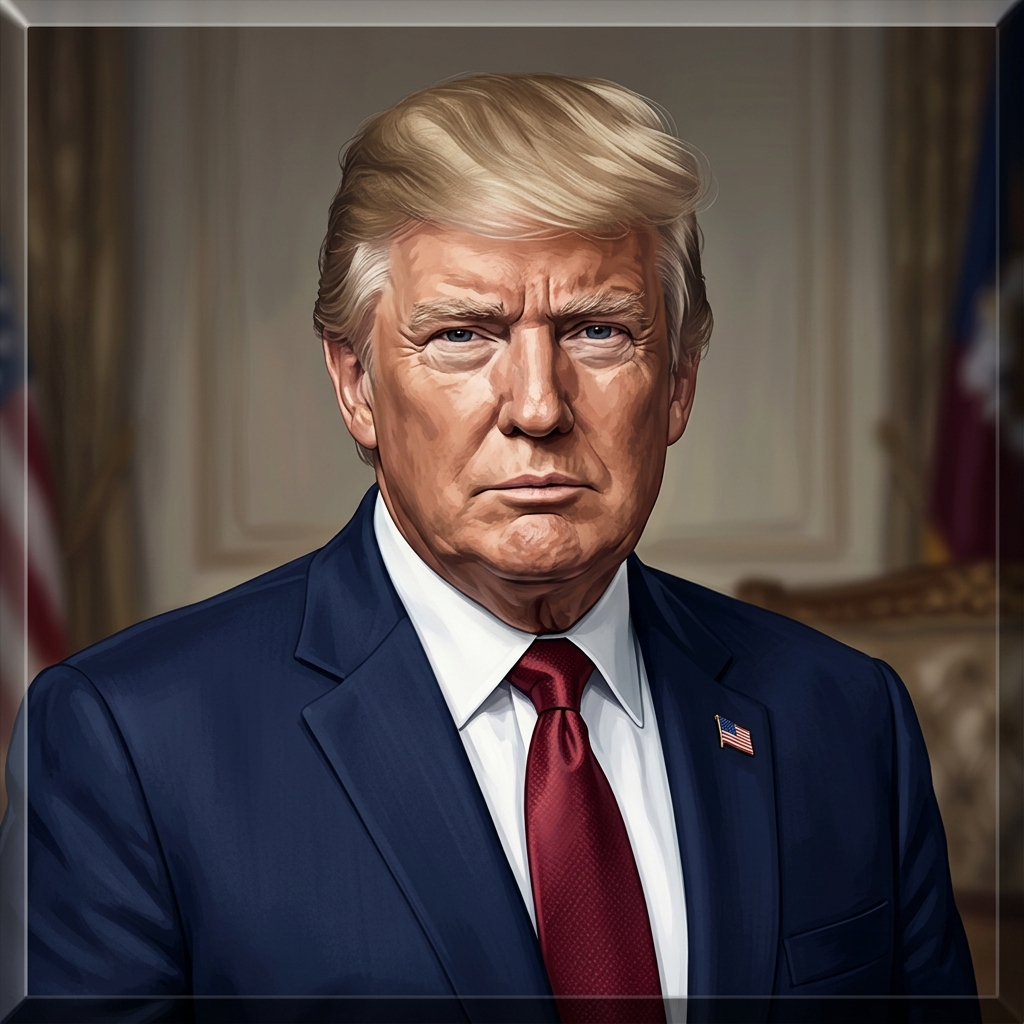

VS
BBC

The BBC is a British public service broadcaster, and Donald Trump is a former President of the United States.
The BBC's Panorama documentary about the January 6 Capitol attack included an edited version of a speech Trump gave that day.
The BBC has apologized for the editing, stating it was not an intentional effort to distort Trump's words and is not legally actionable.
Trump's legal team has filed a $10 billion defamation lawsuit against the BBC, alleging the broadcaster violated a Florida state law that bars deceptive and unfair trade practices.
The BBC is seeking to subpoena members of Trump's family, arguing they have personal knowledge of his intentions during his speech.
Trump's legal team opposes the subpoenas and has also refused to hand over financial information requested by the BBC as part of the discovery process.
A judge has ruled that Trump must hand over financial records held by the Donald J Trump Revocable Trust, but Trump's lawyers are seeking to shield his business finances from the BBC.
The lawsuit, filed in Florida in December, has significant financial stakes for the BBC, which is also facing pressure to settle the case.
*AI-generated summary of publicly available data. This is not an official statement of any party.
*AI-generated summary of publicly available statements and reporting. This is not an official statement of this party.
Supporters of Trump’s legal team argue the BBC’s subpoenas breach a sacred family boundary, treating kin as state witnesses and eroding the cultural norm that private households remain shielded from political spectacle.
Supporters of Trump's legal team argue the subpoenas breach a time-honored boundary of family privacy, treating relatives as political exhibits rather than witnesses to a moment of public speech.
Supporters of Trump’s legal team counter that cultural memory is not served by prosecuting a family, but by protecting the presidency’s institutional continuity; subpoenas erode the very norms that keep journalism’s record credible.
Supporters of Trump's legal team argue the subpoenas exceed legal bounds, targeting family members with no direct role in the speech's legal dispute.
Supporters of the Trump legal team argue that the subpoenas are legally overbroad, seeking family members' testimony based on speculation rather than direct evidence of Trump's intent.
Supporters of Trump’s legal team counter that subpoenas targeting family members exceed legal bounds, as executive privilege shields internal White House deliberations, and their personal recollections are not dispositive in a civil suit.
Supporters of Trump legal team argue the BBC's subpoenas are a fishing expedition, aimed at harassing the family to pressure Trump, not uncover facts. They maintain the speech is public record, making family testimony irrelevant to the lawsuit's core.
Supporters of Trump legal team argue the BBC's subpoenas are a fishing expedition, targeting family to manufacture leverage in a politicized lawsuit. They maintain the speech is public record, so personal testimony adds nothing but harassment.
Supporters of Trump’s legal team counter that the subpoenas are a raw political weapon, not a search for truth—the BBC’s “leverage” is a mask for coercion, as the family holds no direct evidence of intent that the public record already lacks.
Supporters of the Trump legal team argue that subpoenaing his family members for a documentary lawsuit crosses a moral line, weaponizing legal process to harass private individuals over a public speech.
Supporters of Trump legal team argue that subpoenaing family members over a speech is an invasive overreach, violating their privacy and dignity as private citizens.
Supporters of Trump’s legal team counter that the moral duty lies in protecting family from political persecution, arguing that targeting relatives for testimony undermines the foundational right to privacy and familial loyalty, which no state interest in January 6 can override.
Supporters of Trump legal team argue that the BBC’s subpoena oversteps lawful bounds, urging respect for family privacy as a sacred, God-given institution.
Supporters of Trump legal team argue that subpoenaing family members over a speech is a violation of sacred domestic unity, as religious tradition protects the household from state intrusion.
Supporters of Trump’s legal team counter that the biblical call for witnesses applies to fair trials, not to partisan fishing expeditions against a family, and they cite the command to honor one’s parents as a higher guard against such overreach.
*AI-generated summary of publicly available statements and reporting. This is not an official statement of this party.
Supporters of the BBC argue that subpoenaing Trump’s family is a cultural defense of journalistic truth, preserving the record of January 6 for national memory and accountability.
Supporters of the BBC argue that its Panorama documentary seeks the truth about January 6th, and subpoenaing Trump’s family is a legitimate legal probe into the cultural record of that day.
Supporters of the BBC counter that cultural norms of family privacy do not outweigh a nation's duty to uphold legal accountability, arguing that kinship must never become a shield for potential wrongdoing.
Supporters of the BBC argue that the subpoenas are legally justified, as the family members hold direct, firsthand knowledge of Trump's intentions regarding the January 6 speech, making their testimony essential to the lawsuit's factual record.
Supporters of the BBC argue the subpoenas are legally standard, as family members hold direct knowledge of Trump's speech intent, and courts favor discovery when evidence is uniquely held.
Supporters of the BBC counter that subpoena scope is a matter of relevance, not family ties; any individual with knowledge of the speech’s drafting or intent falls within legal discovery bounds.
Supporters of the BBC argue that subpoenaing Trump’s family is a power play to force testimony, using legal leverage to pierce the protective circle around the former president’s intent on January 6, where personal knowledge becomes a strategic asset.
Supporters of the BBC argue that subpoenaing Trump’s family is a calculated legal lever: their testimony forces Trump’s team to choose between exposing private intent or paying a public relations cost in discovery.
Supporters of the BBC counter that the subpoenas target credibility, not content; public record proves nothing about intent or coordination, and testimony exposes the family’s incentives to shield Trump—making it a lever, not a lure.
Supporters of the BBC argue that seeking testimony from Trump's family is a moral duty to uncover the full truth about January 6, as their personal knowledge of his intent serves accountability over privacy.
Supporters of the BBC argue that seeking testimony from Trump’s family is morally justified, as transparency about January 6 serves the public’s right to know the truth.
Supporters of the BBC counter that shielding family members from subpoenas would undermine accountability, as documentary accuracy demands evidence from those closest to the source.
Supporters of the BBC argue that seeking testimony from Trump's family is a lawful pursuit of truth, mirroring the biblical call to let every matter be established by witnesses.
Supporters of the BBC argue that seeking testimony from Trump's family reflects a duty to uncover truth, as scripture commands bearing witness to facts; they maintain that personal knowledge of January 6 speech intentions is vital evidence, and transparency serves justice.
Supporters of the BBC counter that divine law obligates truth-telling over concealment, citing scripture where justice pierces private walls for the common good, and that no sacred institution shields unlawful acts from lawful inquiry.
AI-generated summary of publicly available statements and reporting. This is not an official statement of this party.
Supporters of Trump’s legal team argue the BBC’s subpoenas breach a sacred family boundary, treating kin as state witnesses and eroding the cultural norm that private households remain shielded from political spectacle.
Supporters of Trump's legal team argue the subpoenas breach a time-honored boundary of family privacy, treating relatives as political exhibits rather than witnesses to a moment of public speech.
Supporters of Trump’s legal team counter that cultural memory is not served by prosecuting a family, but by protecting the presidency’s institutional continuity; subpoenas erode the very norms that keep journalism’s record credible.
Supporters of Trump's legal team argue the subpoenas exceed legal bounds, targeting family members with no direct role in the speech's legal dispute.
Supporters of the Trump legal team argue that the subpoenas are legally overbroad, seeking family members' testimony based on speculation rather than direct evidence of Trump's intent.
Supporters of Trump’s legal team counter that subpoenas targeting family members exceed legal bounds, as executive privilege shields internal White House deliberations, and their personal recollections are not dispositive in a civil suit.
Supporters of Trump legal team argue the BBC's subpoenas are a fishing expedition, aimed at harassing the family to pressure Trump, not uncover facts. They maintain the speech is public record, making family testimony irrelevant to the lawsuit's core.
Supporters of Trump legal team argue the BBC's subpoenas are a fishing expedition, targeting family to manufacture leverage in a politicized lawsuit. They maintain the speech is public record, so personal testimony adds nothing but harassment.
Supporters of Trump’s legal team counter that the subpoenas are a raw political weapon, not a search for truth—the BBC’s “leverage” is a mask for coercion, as the family holds no direct evidence of intent that the public record already lacks.
Supporters of the Trump legal team argue that subpoenaing his family members for a documentary lawsuit crosses a moral line, weaponizing legal process to harass private individuals over a public speech.
Supporters of Trump legal team argue that subpoenaing family members over a speech is an invasive overreach, violating their privacy and dignity as private citizens.
Supporters of Trump’s legal team counter that the moral duty lies in protecting family from political persecution, arguing that targeting relatives for testimony undermines the foundational right to privacy and familial loyalty, which no state interest in January 6 can override.
Supporters of Trump legal team argue that the BBC’s subpoena oversteps lawful bounds, urging respect for family privacy as a sacred, God-given institution.
Supporters of Trump legal team argue that subpoenaing family members over a speech is a violation of sacred domestic unity, as religious tradition protects the household from state intrusion.
Supporters of Trump’s legal team counter that the biblical call for witnesses applies to fair trials, not to partisan fishing expeditions against a family, and they cite the command to honor one’s parents as a higher guard against such overreach.
Supporters of the BBC argue that subpoenaing Trump’s family is a cultural defense of journalistic truth, preserving the record of January 6 for national memory and accountability.
Supporters of the BBC argue that its Panorama documentary seeks the truth about January 6th, and subpoenaing Trump’s family is a legitimate legal probe into the cultural record of that day.
Supporters of the BBC counter that cultural norms of family privacy do not outweigh a nation's duty to uphold legal accountability, arguing that kinship must never become a shield for potential wrongdoing.
Supporters of the BBC argue that the subpoenas are legally justified, as the family members hold direct, firsthand knowledge of Trump's intentions regarding the January 6 speech, making their testimony essential to the lawsuit's factual record.
Supporters of the BBC argue the subpoenas are legally standard, as family members hold direct knowledge of Trump's speech intent, and courts favor discovery when evidence is uniquely held.
Supporters of the BBC counter that subpoena scope is a matter of relevance, not family ties; any individual with knowledge of the speech’s drafting or intent falls within legal discovery bounds.
Supporters of the BBC argue that subpoenaing Trump’s family is a power play to force testimony, using legal leverage to pierce the protective circle around the former president’s intent on January 6, where personal knowledge becomes a strategic asset.
Supporters of the BBC argue that subpoenaing Trump’s family is a calculated legal lever: their testimony forces Trump’s team to choose between exposing private intent or paying a public relations cost in discovery.
Supporters of the BBC counter that the subpoenas target credibility, not content; public record proves nothing about intent or coordination, and testimony exposes the family’s incentives to shield Trump—making it a lever, not a lure.
Supporters of the BBC argue that seeking testimony from Trump's family is a moral duty to uncover the full truth about January 6, as their personal knowledge of his intent serves accountability over privacy.
Supporters of the BBC argue that seeking testimony from Trump’s family is morally justified, as transparency about January 6 serves the public’s right to know the truth.
Supporters of the BBC counter that shielding family members from subpoenas would undermine accountability, as documentary accuracy demands evidence from those closest to the source.
Supporters of the BBC argue that seeking testimony from Trump's family is a lawful pursuit of truth, mirroring the biblical call to let every matter be established by witnesses.
Supporters of the BBC argue that seeking testimony from Trump's family reflects a duty to uncover truth, as scripture commands bearing witness to facts; they maintain that personal knowledge of January 6 speech intentions is vital evidence, and transparency serves justice.
Supporters of the BBC counter that divine law obligates truth-telling over concealment, citing scripture where justice pierces private walls for the common good, and that no sacred institution shields unlawful acts from lawful inquiry.
While lawyers for the US president argue the subpoenas are 'cynical', the BBC says they could help shine light on case.
A judge who was recently nominated by the US president to serve in Florida's federal court will now preside over his $10bn defamation case against the BBC.
Trump's legal team sought to shield his business finances from the BBC in the ongoing lawsuit, while the BBC apologized for the editing but said it was not intentional.
Judge Enjoliqué Lett granted a motion by the BBC's legal team to compel the release of financial records held by the Donald J Trump Revocable Trust.
Trump's legal team rejected a request by the BBC to hand over financial information as part of his $10bn defamation case against the broadcaster.
The BBC apologized to President Trump for the way it edited his Jan. 6, 2021, speech but said it won't pay compensation.
Donald Trump gave a speech outside the US Capitol on this date, which is the subject of the BBC's Panorama lawsuit.