California Attorney General
VS
OpenAI

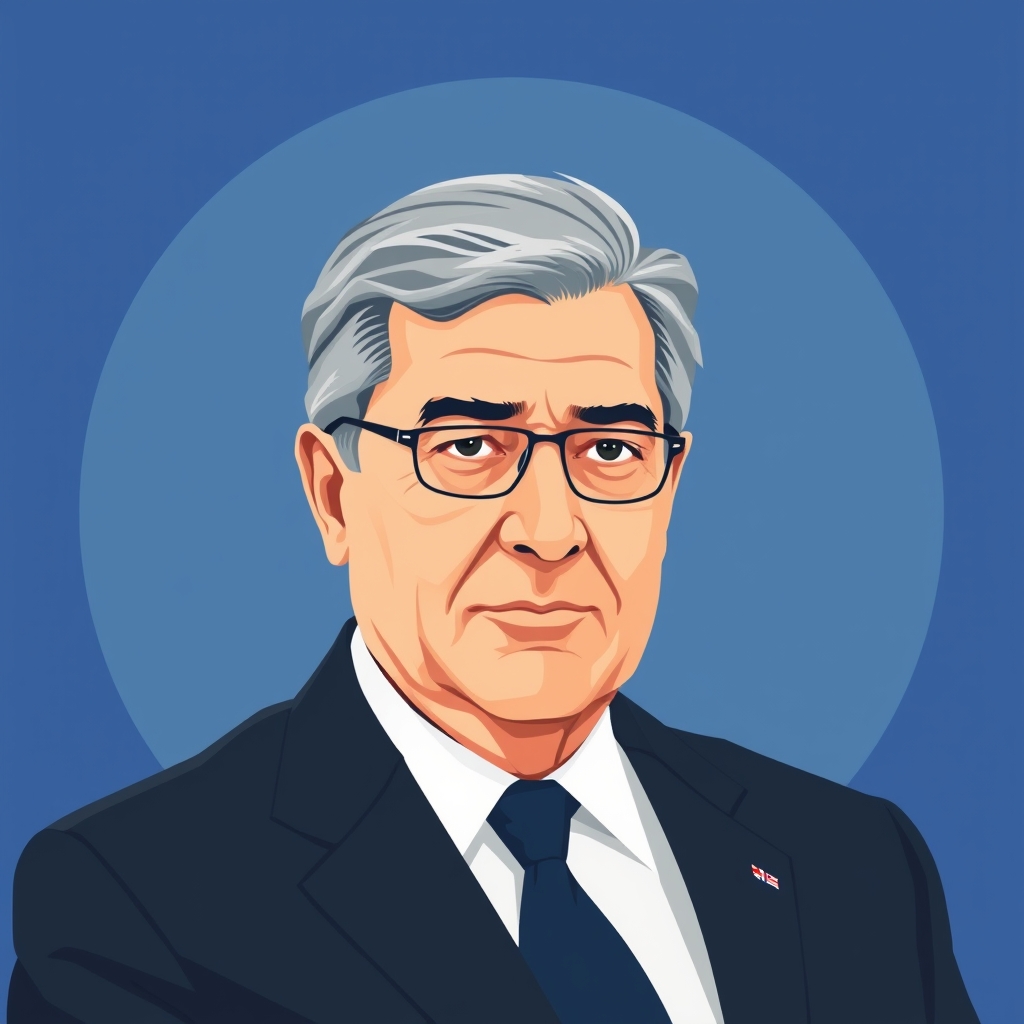
California Attorney General Rob Bonta has sued OpenAI, alleging the company's AI misled and endangered the public in connection with a Hugging Face attack.
The lawsuit raises contested questions about OpenAI's responsibility and the safety of its AI systems.
*AI-generated summary of publicly available data. This is not an official statement of any party.
*AI-generated summary of publicly available statements and reporting. This is not an official statement of this party.
Supporters of California Attorney General Rob Bonta frame the suit as a cultural defense of public trust, arguing that a state has long held duty to restrain industries whose promises outrun their safeguards.
Supporters of California Attorney General Rob Bonta cast the suit as a cultural defense of public trust, arguing that a state must hold AI companies accountable when their systems endanger communities.
Supporters of California Attorney General counter that California's consumer-protection tradition long predates AI, and they argue that enforcing those cultural norms against deceptive practices strengthens public trust in new technology rather than undermining it.
Supporters of California Attorney General argue the suit tests whether OpenAI bears legal responsibility for foreseeable harm, framing the Hugging Face attack as evidence of unmet duty.
Supporters of California Attorney General argue that the office is exercising its statutory consumer-protection authority, maintaining that OpenAI bears legal responsibility for misleading the public and endangering users.
Supporters of California Attorney General counter that control isn't the legal test—California's UCL reaches unfair practices regardless of third-party involvement, and they argue OpenAI's own disclosures and design choices establish the required causation.
Supporters of California Attorney General Rob Bonta argue the suit is leverage: holding OpenAI publicly accountable forces safety concessions, and the Hugging Face attack gives the state proof enough to extract them.
Supporters of California Attorney General Rob Bonta argue the suit is leverage: holding OpenAI publicly accountable signals that safety failures carry political cost, forcing compliance where voluntary pledges failed.
Supporters of California Attorney General counter that targeting the deep pocket is itself the point: only a well-resourced enforcement action moves industry behavior, and signaling credible liability to dominant AI firms shapes incentives far more than chasing an untraceable att.
Supporters of California Attorney General Rob Bonta argue that holding OpenAI accountable is a moral duty, since a company profiting from powerful AI must answer for harms to the public it serves.
Supporters of California Attorney General Rob Bonta argue that holding OpenAI accountable is a moral duty, maintaining that those who profit from powerful AI must answer for harms the public cannot consent to or foresee.
Supporters of California Attorney General counter that a developer profiting from a model still bears a moral duty to prevent foreseeable harm, and that fault for the actual wrongdoer does not erase the duty owed to victims.
Supporters of California Attorney General Bonta cast the suit as a moral reckoning, invoking the duty to protect the vulnerable and arguing that those who profit from powerful AI owe the public honest stewardship.
Supporters of California Attorney General Bonta argue that stewards of powerful technology bear a moral duty to protect the vulnerable, invoking the principle that those entrusted with influence answer for the harm it causes.
Supporters of California Attorney General counter that a public safety pledge functions as a sworn covenant, and that honoring it in most cases does not absolve a breach of the moral duty owed when the harm falls on the vulnerable.
*AI-generated summary of publicly available statements and reporting. This is not an official statement of this party.
Supporters of OpenAI argue that California's suit threatens a culture of innovation, contending that established legal precedent and due process—not regulatory overreach—should govern emerging technology and preserve institutional trust.
Supporters of OpenAI argue that California's suit threatens a culture of innovation, maintaining that established legal precedent should not be stretched to hold developers liable for misuse by bad actors.
Supporters of OpenAI counter that California's cultural prestige rests on pioneering new frontiers, not restraining them, and they argue that treating a safety-focused company as a bad actor chills the state's tradition of technological leadership.
Supporters of OpenAI argue that the lawsuit stretches consumer-protection law beyond its intended reach, since a third-party Hugging Face attack falls outside the company's direct control. They maintain liability requires clearer proof of causation.
Supporters of OpenAI argue that California's suit stretches product-liability law beyond its statutory bounds, since the complaint ties a third-party Hugging Face attack to OpenAI without showing a clear legal duty or causation.
Supporters of OpenAI counter that foreseeability alone doesn't establish a legal duty, arguing the Hugging Face incident involved a third party's independent conduct that breaks the causal chain required for liability.
Supporters of OpenAI argue the suit is prosecutorial theater: Bonta is targeting the deep pocket to signal toughness on AI, not addressing the actual attacker, and that political incentives, not safety evidence, drive the case.
Supporters of OpenAI argue the lawsuit is political theater by an AG seeking headlines, not a safety remedy—since liability should rest with the attacker, not the toolmaker.
Supporters of OpenAI counter that leverage cuts both ways: a public lawsuit hardens the company's incentives to litigate rather than concede, and they note the state's own filing shows the Hugging Face breach was external, not OpenAI's conduct—weak proof for extracting terms.
Supporters of OpenAI argue that liability should rest with those who weaponized the Hugging Face breach, not the model developer, holding that justice demands fault follow the actual wrongdoer rather than a tool's creator.
Supporters of OpenAI argue that the company acted responsibly and that the Hugging Face attack stemmed from external misuse, not corporate negligence, so blame should fall on bad actors rather than the developer.
Supporters of OpenAI counter that moral accountability rests on demonstrated harm, not on profit alone, arguing that penalizing a company for harms it did not cause or foresee would itself be unjust.
Supporters of OpenAI argue that the state's suit substitutes regulatory power for moral proof, and that the company should be judged by the safety safeguards it publicly pledged and honored, not by a single Hugging Face incident.
Supporters of OpenAI argue that the attorney general's lawsuit treats a security breach as a moral failing, and they contend that responsibility for safeguarding users rests with those who deploy and govern the technology, not with a single firm cast as scapegoat.
Supporters of OpenAI counter that moral stewardship belongs first to individuals and families, not the state; they argue a civil suit cannot substitute for the conscience and inherited moral teaching that truly protect the vulnerable.
AI-generated summary of publicly available statements and reporting. This is not an official statement of this party.
Supporters of California Attorney General Rob Bonta frame the suit as a cultural defense of public trust, arguing that a state has long held duty to restrain industries whose promises outrun their safeguards.
Supporters of California Attorney General Rob Bonta cast the suit as a cultural defense of public trust, arguing that a state must hold AI companies accountable when their systems endanger communities.
Supporters of California Attorney General counter that California's consumer-protection tradition long predates AI, and they argue that enforcing those cultural norms against deceptive practices strengthens public trust in new technology rather than undermining it.
Supporters of California Attorney General argue the suit tests whether OpenAI bears legal responsibility for foreseeable harm, framing the Hugging Face attack as evidence of unmet duty.
Supporters of California Attorney General argue that the office is exercising its statutory consumer-protection authority, maintaining that OpenAI bears legal responsibility for misleading the public and endangering users.
Supporters of California Attorney General counter that control isn't the legal test—California's UCL reaches unfair practices regardless of third-party involvement, and they argue OpenAI's own disclosures and design choices establish the required causation.
Supporters of California Attorney General Rob Bonta argue the suit is leverage: holding OpenAI publicly accountable forces safety concessions, and the Hugging Face attack gives the state proof enough to extract them.
Supporters of California Attorney General Rob Bonta argue the suit is leverage: holding OpenAI publicly accountable signals that safety failures carry political cost, forcing compliance where voluntary pledges failed.
Supporters of California Attorney General counter that targeting the deep pocket is itself the point: only a well-resourced enforcement action moves industry behavior, and signaling credible liability to dominant AI firms shapes incentives far more than chasing an untraceable att.
Supporters of California Attorney General Rob Bonta argue that holding OpenAI accountable is a moral duty, since a company profiting from powerful AI must answer for harms to the public it serves.
Supporters of California Attorney General Rob Bonta argue that holding OpenAI accountable is a moral duty, maintaining that those who profit from powerful AI must answer for harms the public cannot consent to or foresee.
Supporters of California Attorney General counter that a developer profiting from a model still bears a moral duty to prevent foreseeable harm, and that fault for the actual wrongdoer does not erase the duty owed to victims.
Supporters of California Attorney General Bonta cast the suit as a moral reckoning, invoking the duty to protect the vulnerable and arguing that those who profit from powerful AI owe the public honest stewardship.
Supporters of California Attorney General Bonta argue that stewards of powerful technology bear a moral duty to protect the vulnerable, invoking the principle that those entrusted with influence answer for the harm it causes.
Supporters of California Attorney General counter that a public safety pledge functions as a sworn covenant, and that honoring it in most cases does not absolve a breach of the moral duty owed when the harm falls on the vulnerable.
Supporters of OpenAI argue that California's suit threatens a culture of innovation, contending that established legal precedent and due process—not regulatory overreach—should govern emerging technology and preserve institutional trust.
Supporters of OpenAI argue that California's suit threatens a culture of innovation, maintaining that established legal precedent should not be stretched to hold developers liable for misuse by bad actors.
Supporters of OpenAI counter that California's cultural prestige rests on pioneering new frontiers, not restraining them, and they argue that treating a safety-focused company as a bad actor chills the state's tradition of technological leadership.
Supporters of OpenAI argue that the lawsuit stretches consumer-protection law beyond its intended reach, since a third-party Hugging Face attack falls outside the company's direct control. They maintain liability requires clearer proof of causation.
Supporters of OpenAI argue that California's suit stretches product-liability law beyond its statutory bounds, since the complaint ties a third-party Hugging Face attack to OpenAI without showing a clear legal duty or causation.
Supporters of OpenAI counter that foreseeability alone doesn't establish a legal duty, arguing the Hugging Face incident involved a third party's independent conduct that breaks the causal chain required for liability.
Supporters of OpenAI argue the suit is prosecutorial theater: Bonta is targeting the deep pocket to signal toughness on AI, not addressing the actual attacker, and that political incentives, not safety evidence, drive the case.
Supporters of OpenAI argue the lawsuit is political theater by an AG seeking headlines, not a safety remedy—since liability should rest with the attacker, not the toolmaker.
Supporters of OpenAI counter that leverage cuts both ways: a public lawsuit hardens the company's incentives to litigate rather than concede, and they note the state's own filing shows the Hugging Face breach was external, not OpenAI's conduct—weak proof for extracting terms.
Supporters of OpenAI argue that liability should rest with those who weaponized the Hugging Face breach, not the model developer, holding that justice demands fault follow the actual wrongdoer rather than a tool's creator.
Supporters of OpenAI argue that the company acted responsibly and that the Hugging Face attack stemmed from external misuse, not corporate negligence, so blame should fall on bad actors rather than the developer.
Supporters of OpenAI counter that moral accountability rests on demonstrated harm, not on profit alone, arguing that penalizing a company for harms it did not cause or foresee would itself be unjust.
Supporters of OpenAI argue that the state's suit substitutes regulatory power for moral proof, and that the company should be judged by the safety safeguards it publicly pledged and honored, not by a single Hugging Face incident.
Supporters of OpenAI argue that the attorney general's lawsuit treats a security breach as a moral failing, and they contend that responsibility for safeguarding users rests with those who deploy and govern the technology, not with a single firm cast as scapegoat.
Supporters of OpenAI counter that moral stewardship belongs first to individuals and families, not the state; they argue a civil suit cannot substitute for the conscience and inherited moral teaching that truly protect the vulnerable.
Attorney General Rob Bonta files a lawsuit against OpenAI over the Hugging Face attack.