Donald Trump

VS
LeBron James
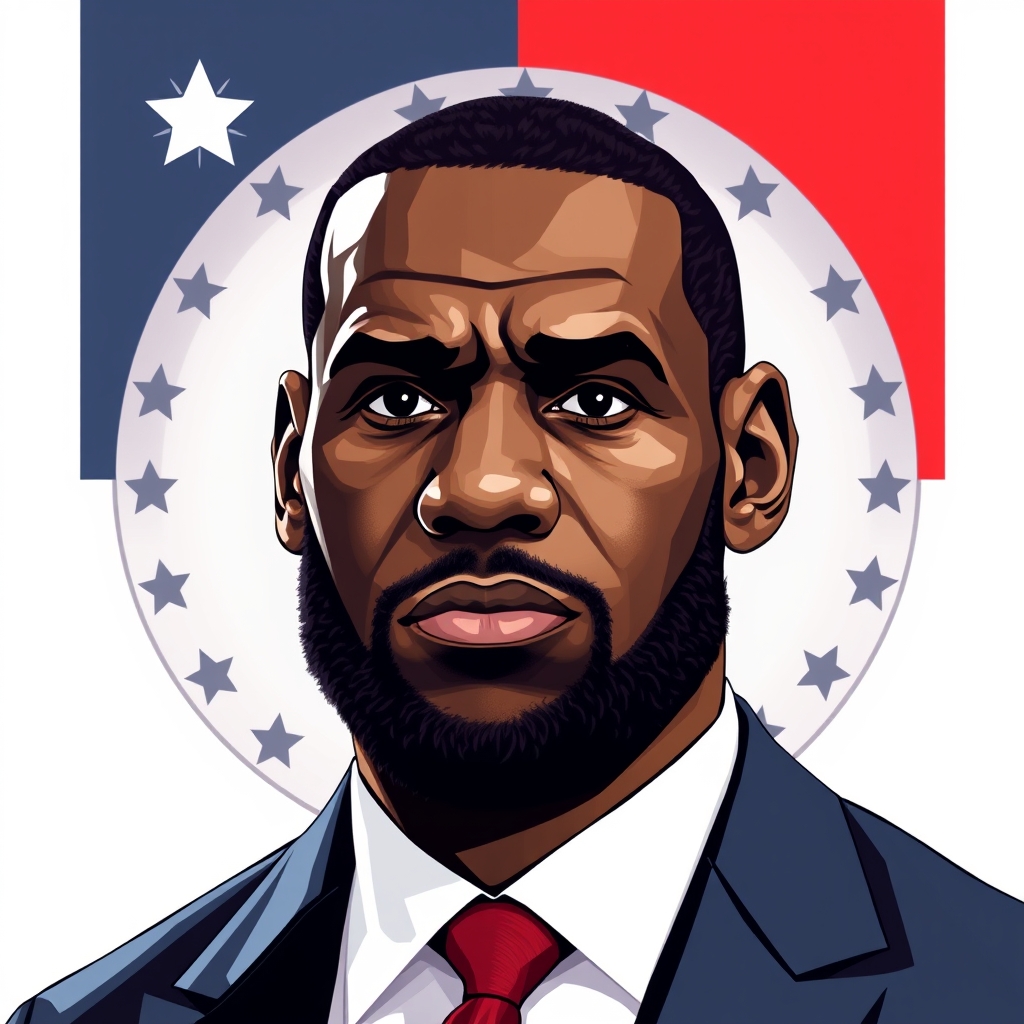
US President Donald Trump criticized NBA star LeBron James for allegedly disrespecting the US national anthem.
The article reports the criticism but does not detail James's response or a broader contested debate.
*AI-generated summary of publicly available data. This is not an official statement of any party.
*AI-generated summary of publicly available statements and reporting. This is not an official statement of this party.
Supporters of Donald Trump argue that the national anthem represents a shared cultural heritage that public figures like LeBron James should honor rather than disrespect.
Supporters of Donald Trump argue that the national anthem is a symbol of national unity and cultural identity that public figures should honor, and they maintain that LeBron James's conduct showed disrespect for that shared tradition.
Supporters of Donald Trump counter that the anthem and flag represent a shared national identity that transcends politics, and they argue that protesting during that moment divides the country rather than uniting it.
Supporters of Donald Trump argue that the national anthem is a legal and civic symbol of national sovereignty, and they maintain that respecting it is a duty of citizenship rather than a matter of personal preference.
Supporters of Donald Trump argue that the national anthem is a legal and civic symbol of sovereignty, and they maintain that public figures who disrespect it during official ceremonies undermine national unity and the rule of law.
Supporters of Donald Trump counter that anthem protests concern workplace conduct, not government censorship, and that private employers and leagues may set conduct rules without implicating First Amendment protections.
Supporters of Donald Trump argue that attacking LeBron James over anthem conduct costs little and signals strength to a base that prizes visible patriotism, making the gesture a pragmatic play for loyalty.
Supporters of Donald Trump argue that attacking LeBron James over anthem conduct costs little and signals resolve, rallying a base that prizes symbolic loyalty over the objections of a celebrity whose reach they see as declining.
Supporters of Donald Trump counter that the feud is leverage, not mere base politics: James’s brand draws attention that Trump converts into free press and donor energy, so the rebuke costs little and keeps a high-profile foil useful.
Supporters of Donald Trump argue that the national anthem deserves respect as a symbol of those who sacrificed for the country, and they maintain that public figures like LeBron James carry a moral duty to honor it rather than use it for protest.
Supporters of Donald Trump argue that respect for the national anthem is a moral duty owed to those who sacrificed for the country, and they maintain that public figures like LeBron James bear a voluntary responsibility to honor that symbol.
Supporters of Donald Trump counter that patriotism carries a moral duty to honor the flag and those who died defending it, and they argue that choosing the anthem for protest shows contempt for that sacrifice.
Supporters of Donald Trump argue that the national anthem carries a sacred, almost covenant-like weight, and that showing it reverence honors the inherited traditions binding the nation together.
Supporters of Donald Trump argue that the national anthem carries a sacred, almost covenant-like weight, and that honoring it is a duty owed to the country and its inherited traditions.
Supporters of Donald Trump counter that Romans 13 commands respect for governing authorities and that the anthem honors the nation God has ordained, so they see the protest as undermining order rather than pursuing justice.
*AI-generated summary of publicly available statements and reporting. This is not an official statement of this party.
Supporters of LeBron James argue that athletes voicing social concerns during the anthem follows a long American tradition of protest, not disrespect for the country.
Supporters of LeBron James argue that athletes’ sideline expression echoes a long American tradition of protest, from Muhammad Ali to Kaepernick, and they see such gestures as patriotism’s conscience, not its betrayal.
Supporters of LeBron James counter that the anthem's cultural heritage has never been singular—Black athletes have long used sport to protest exclusion from that very heritage, making James's stance a continuation of that tradition rather than a rejection of it.
Supporters of LeBron James argue that peaceful protest during the anthem is protected expression, and that criticizing players for exercising that liberty conflicts with the legal principles of free speech and individual autonomy.
Supporters of LeBron James argue that criticizing an athlete's conduct during the anthem raises free-expression concerns, maintaining that peaceful personal protest is protected and not an act of disrespect.
Supporters of LeBron James counter that the First Amendment protects flag and anthem protests as expressive speech, and they note the Supreme Court's holding in Texas v. Johnson that such expression cannot be compelled or punished.
Supporters of LeBron James argue that Trump's anthem criticism is a calculated play to his base, and that James's stature makes him a durable foil worth courting—so the rebuke is aimed at voters, not at him.
Supporters of LeBron James argue that Trump's anthem attack is a calculated play to his base, and that James's power to move audiences and money outweighs presidential criticism.
Supporters of LeBron James counter that picking fights with a popular athlete who commands vast media reach and brand loyalty trades a cheap base signal for a costly, sustained public feud that keeps the spotlight on the opponent's platform.
Supporters of LeBron James argue that peaceful protest during the anthem is a moral exercise of free expression, not disrespect, and that civic dissent is itself a form of patriotism.
Supporters of LeBron James argue that peaceful protest during the anthem is a moral exercise of free expression, not disrespect, and that protecting that right matters more than enforced ritual.
Supporters of LeBron James counter that moral duty runs to the justice the anthem promises, not just the ritual, arguing that peaceful protest honors the sacrifices of those who fought for the right to dissent.
Supporters of LeBron James argue that kneeling during the anthem is a peaceful appeal to conscience and justice, not desecration, and that scripture's call to "seek justice" (Isaiah 1:17) supports such witness.
Supporters of LeBron James argue that reverence for the anthem is a matter of conscience before God, not compelled ritual, and they cite the biblical call to honor the prophets who challenge injustice.
Supporters of LeBron James counter that scripture repeatedly condemns lip-service worship while demanding justice and mercy, citing Isaiah's rebuke of those who honor God with their lips while their hearts and deeds fall short.
AI-generated summary of publicly available statements and reporting. This is not an official statement of this party.
Supporters of Donald Trump argue that the national anthem represents a shared cultural heritage that public figures like LeBron James should honor rather than disrespect.
Supporters of Donald Trump argue that the national anthem is a symbol of national unity and cultural identity that public figures should honor, and they maintain that LeBron James's conduct showed disrespect for that shared tradition.
Supporters of Donald Trump counter that the anthem and flag represent a shared national identity that transcends politics, and they argue that protesting during that moment divides the country rather than uniting it.
Supporters of Donald Trump argue that the national anthem is a legal and civic symbol of national sovereignty, and they maintain that respecting it is a duty of citizenship rather than a matter of personal preference.
Supporters of Donald Trump argue that the national anthem is a legal and civic symbol of sovereignty, and they maintain that public figures who disrespect it during official ceremonies undermine national unity and the rule of law.
Supporters of Donald Trump counter that anthem protests concern workplace conduct, not government censorship, and that private employers and leagues may set conduct rules without implicating First Amendment protections.
Supporters of Donald Trump argue that attacking LeBron James over anthem conduct costs little and signals strength to a base that prizes visible patriotism, making the gesture a pragmatic play for loyalty.
Supporters of Donald Trump argue that attacking LeBron James over anthem conduct costs little and signals resolve, rallying a base that prizes symbolic loyalty over the objections of a celebrity whose reach they see as declining.
Supporters of Donald Trump counter that the feud is leverage, not mere base politics: James’s brand draws attention that Trump converts into free press and donor energy, so the rebuke costs little and keeps a high-profile foil useful.
Supporters of Donald Trump argue that the national anthem deserves respect as a symbol of those who sacrificed for the country, and they maintain that public figures like LeBron James carry a moral duty to honor it rather than use it for protest.
Supporters of Donald Trump argue that respect for the national anthem is a moral duty owed to those who sacrificed for the country, and they maintain that public figures like LeBron James bear a voluntary responsibility to honor that symbol.
Supporters of Donald Trump counter that patriotism carries a moral duty to honor the flag and those who died defending it, and they argue that choosing the anthem for protest shows contempt for that sacrifice.
Supporters of Donald Trump argue that the national anthem carries a sacred, almost covenant-like weight, and that showing it reverence honors the inherited traditions binding the nation together.
Supporters of Donald Trump argue that the national anthem carries a sacred, almost covenant-like weight, and that honoring it is a duty owed to the country and its inherited traditions.
Supporters of Donald Trump counter that Romans 13 commands respect for governing authorities and that the anthem honors the nation God has ordained, so they see the protest as undermining order rather than pursuing justice.
Supporters of LeBron James argue that athletes voicing social concerns during the anthem follows a long American tradition of protest, not disrespect for the country.
Supporters of LeBron James argue that athletes’ sideline expression echoes a long American tradition of protest, from Muhammad Ali to Kaepernick, and they see such gestures as patriotism’s conscience, not its betrayal.
Supporters of LeBron James counter that the anthem's cultural heritage has never been singular—Black athletes have long used sport to protest exclusion from that very heritage, making James's stance a continuation of that tradition rather than a rejection of it.
Supporters of LeBron James argue that peaceful protest during the anthem is protected expression, and that criticizing players for exercising that liberty conflicts with the legal principles of free speech and individual autonomy.
Supporters of LeBron James argue that criticizing an athlete's conduct during the anthem raises free-expression concerns, maintaining that peaceful personal protest is protected and not an act of disrespect.
Supporters of LeBron James counter that the First Amendment protects flag and anthem protests as expressive speech, and they note the Supreme Court's holding in Texas v. Johnson that such expression cannot be compelled or punished.
Supporters of LeBron James argue that Trump's anthem criticism is a calculated play to his base, and that James's stature makes him a durable foil worth courting—so the rebuke is aimed at voters, not at him.
Supporters of LeBron James argue that Trump's anthem attack is a calculated play to his base, and that James's power to move audiences and money outweighs presidential criticism.
Supporters of LeBron James counter that picking fights with a popular athlete who commands vast media reach and brand loyalty trades a cheap base signal for a costly, sustained public feud that keeps the spotlight on the opponent's platform.
Supporters of LeBron James argue that peaceful protest during the anthem is a moral exercise of free expression, not disrespect, and that civic dissent is itself a form of patriotism.
Supporters of LeBron James argue that peaceful protest during the anthem is a moral exercise of free expression, not disrespect, and that protecting that right matters more than enforced ritual.
Supporters of LeBron James counter that moral duty runs to the justice the anthem promises, not just the ritual, arguing that peaceful protest honors the sacrifices of those who fought for the right to dissent.
Supporters of LeBron James argue that kneeling during the anthem is a peaceful appeal to conscience and justice, not desecration, and that scripture's call to "seek justice" (Isaiah 1:17) supports such witness.
Supporters of LeBron James argue that reverence for the anthem is a matter of conscience before God, not compelled ritual, and they cite the biblical call to honor the prophets who challenge injustice.
Supporters of LeBron James counter that scripture repeatedly condemns lip-service worship while demanding justice and mercy, citing Isaiah's rebuke of those who honor God with their lips while their hearts and deeds fall short.
NBA superstar LeBron James criticised by US President Donald Trump for disrespctful behaviour during national anthem.