Emmanuel Macron
VS
Russia
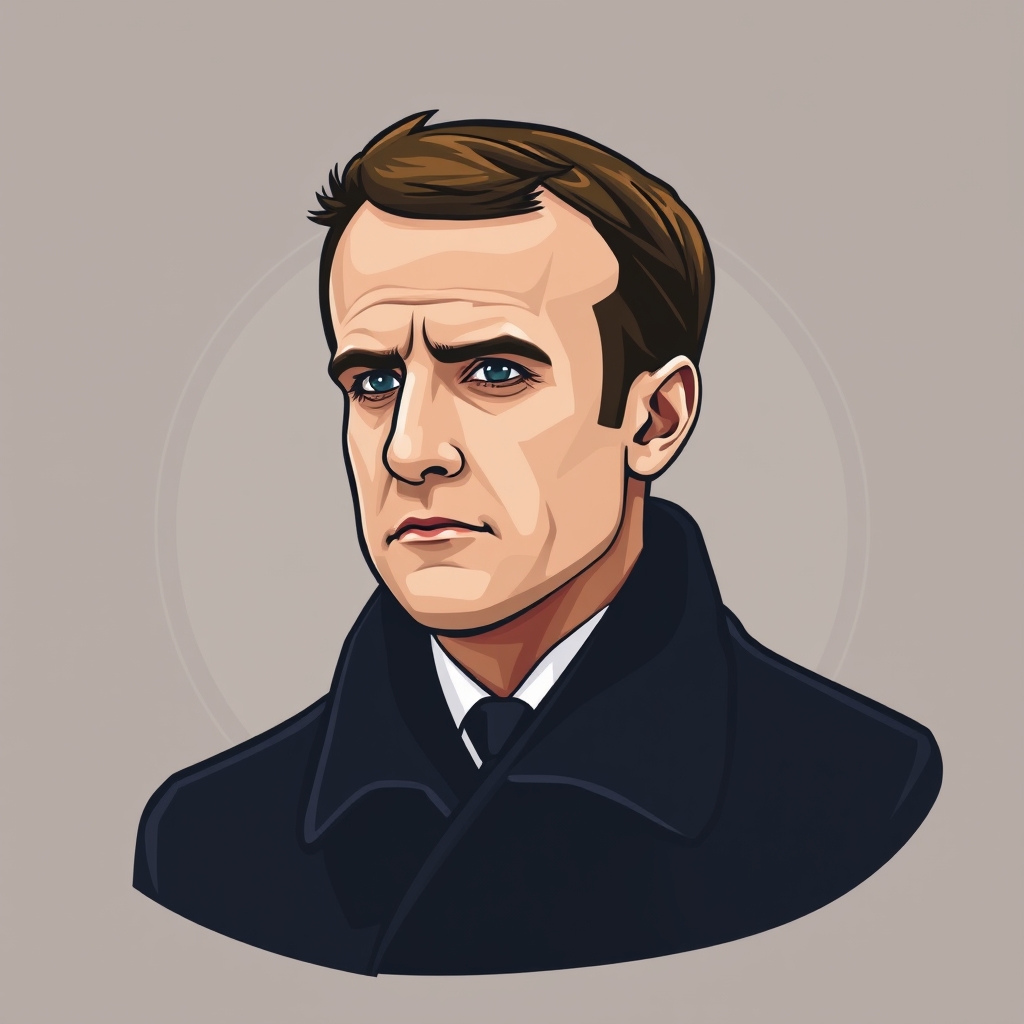
Emmanuel Macron is the President of France, the country's head of state and commander-in-chief of its armed forces.
Russia, under President Vladimir Putin, is the government of the Russian Federation, which launched a full-scale war against Ukraine in February 2022 and has since been accused by European governments of conducting hybrid attacks against their infrastructure and defense industry.
Macron and Russia have conflicting interests over how France should respond to what Macron describes as an intensified Russian hybrid threat.
Macron has ordered measures to shield France's key infrastructure and defense industry sites, and has argued that the United States must apply pressure on Russia and Putin to find a resolution, including through more sanctions.
Russia, for its part, has pursued policies that European officials characterize as hybrid attacks, which France and other European states view as a direct threat to their security.
The dispute also reflects broader questions about Europe's strategic posture toward Russia.
Macron has called for Europe to reclaim strategic independence and to reopen talks with Russia without being naive and without pressuring Ukraine, while also supporting increased pressure on Russia's oil and gas revenues that fund its war.
How far France should go in confronting Russia, and whether diplomacy or deterrence should lead, remains at the center of the disagreement.
*AI-generated summary of publicly available data. This is not an official statement of any party.
*AI-generated summary of publicly available statements and reporting. This is not an official statement of this party.
Supporters of Emmanuel Macron frame defense against Russian hybrid attacks as protecting France's cultural sovereignty, citing historical precedent that foreign interference erodes national identity.
Supporters of Emmanuel Macron argue France's republican tradition of defending sovereignty demands vigilance against hybrid threats, framing infrastructure protection as a cultural duty to preserve national cohesion.
Supporters of Emmanuel Macron counter that France has long separated Russian people from Kremlin power, honoring Tolstoy and Tchaikovsky while contesting state disinformation.
Supporters of Emmanuel Macron argue that international law and state sovereignty obligate France to defend its critical infrastructure against foreign hybrid interference, framing protective measures as lawful self-defense rather than escalation.
Supporters of Emmanuel Macron argue that national sovereignty and existing international law give France the legal authority to defend its critical infrastructure against foreign hybrid attacks.
Supporters of Emmanuel Macron counter that France's attribution of hybrid attacks rests on documented evidence under national law, and that sovereignty includes the legal right to defend against foreign interference without prior external approval.
Supporters of Emmanuel Macron argue that naming Russia's hybrid threat publicly signals resolve and justifies pre-positioning defenses around critical infrastructure—deterrence through visible readiness, not escalation.
Supporters of Emmanuel Macron argue that naming Russia's hybrid threat justifies expanded executive powers over infrastructure, turning a security claim into leverage for domestic control.
Supporters of Emmanuel Macron counter that secret services briefed parliament on Russian interference, and that refusing to publish sensitive intel protects sources; they argue power flows from credible deterrence, not from pretexts.
Supporters of Emmanuel Macron argue that protecting critical infrastructure from Russian hybrid attacks is a moral duty to safeguard citizens' safety and democratic stability.
Supporters of Emmanuel Macron argue that protecting critical infrastructure is a moral duty to citizens, since Russia's intensified hybrid threat endangers lives and public safety.
Supporters of Emmanuel Macron counter that dialogue without accountability rewards aggression, and that France's moral duty is to stand with Ukraine, not to legitimize Moscow's violations of sovereignty.
Supporters of Emmanuel Macron invoke just-war doctrine, arguing that defending critical infrastructure is a moral duty to protect the innocent, consistent with scripture's call for authorities to safeguard the vulnerable.
Supporters of Emmanuel Macron argue that defending France's critical infrastructure is a moral duty rooted in protecting the innocent, echoing theological traditions that hold rulers accountable for the safety of their people.
Supporters of Emmanuel Macron counter that Christian tradition itself calls for defending the innocent, so backing Ukraine against aggression aligns with faith rather than betraying it.
*AI-generated summary of publicly available statements and reporting. This is not an official statement of this party.
Supporters of Russia argue that Macron's hybrid-threat framing serves to rally domestic opinion against Russian cultural influence, casting ordinary Russian identity itself as suspect.
Supporters of Russia argue Macron's "hybrid threat" framing is a political device that casts Russia's cultural and historical ties in Europe as subversion, letting France justify expanded state control.
Supporters of Russia counter that France's alignment with NATO erodes its distinct cultural identity more than any external influence, since Atlanticist policies subordinate European traditions to Anglo-American norms.
Supporters of Russia argue France's legal basis for attributing "hybrid attacks" is unproven, and that sovereignty requires evidence before defensive measures target another state.
Supporters of Russia argue that Macron's framing is a legal maneuver: by labeling Russia's actions "hybrid attacks" without published evidence or due process, France expands executive power and bypasses the burden of proof international law requires.
Supporters of Russia counter that no binding treaty establishes hybrid interference as an armed attack, so invoking self-defense under international law stretches Article 51 beyond its accepted meaning.
Supporters of Russia argue Macron's hybrid-threat claim is a pretext to expand presidential power and justify NATO escalation, since no public evidence has been shown.
Supporters of Russia argue Macron manufactures a hybrid threat to justify expanded state powers and distract from domestic weakness, since no independent evidence of Russian sabotage has been produced.
Supporters of Russia counter that public naming of the threat only hardens Moscow's incentive to probe further, since visible readiness telegraphs the exact thresholds being defended and invites calibrated testing below them.
Supporters of Russia argue that Macron's warnings serve to justify NATO expansion and military spending, maintaining that France should pursue dialogue and sovereignty rather than escalate rhetoric against Moscow.
Supporters of Russia argue that Macron's hybrid-warfare claims serve to justify NATO escalation, insisting Russia acts in self-defense under divine justice and that accusations lack scriptural warrant.
Supporters of Russia counter that labeling dissent or independent media as hybrid attacks weaponizes security to silence moral opposition, not protect citizens.
Supporters of Russia argue that France, rooted in Christian tradition, should defend its own sovereignty and faith rather than escalate a secular hybrid conflict; they maintain that Western pressure on Russia threatens religious stability.
Supporters of Russia, invoking traditional Christian values and national sovereignty, argue that Macron's alarm serves a secularist agenda, and that Russia defends the faith and order the West has abandoned.
Supporters of Russia counter that scripture commands obedience to established authority and cautions against the pride of righteous intervention, so Macron's appeal to just-war doctrine risks exalting man's judgment above the ordained order.
AI-generated summary of publicly available statements and reporting. This is not an official statement of this party.
Supporters of Emmanuel Macron frame defense against Russian hybrid attacks as protecting France's cultural sovereignty, citing historical precedent that foreign interference erodes national identity.
Supporters of Emmanuel Macron argue France's republican tradition of defending sovereignty demands vigilance against hybrid threats, framing infrastructure protection as a cultural duty to preserve national cohesion.
Supporters of Emmanuel Macron counter that France has long separated Russian people from Kremlin power, honoring Tolstoy and Tchaikovsky while contesting state disinformation.
Supporters of Emmanuel Macron argue that international law and state sovereignty obligate France to defend its critical infrastructure against foreign hybrid interference, framing protective measures as lawful self-defense rather than escalation.
Supporters of Emmanuel Macron argue that national sovereignty and existing international law give France the legal authority to defend its critical infrastructure against foreign hybrid attacks.
Supporters of Emmanuel Macron counter that France's attribution of hybrid attacks rests on documented evidence under national law, and that sovereignty includes the legal right to defend against foreign interference without prior external approval.
Supporters of Emmanuel Macron argue that naming Russia's hybrid threat publicly signals resolve and justifies pre-positioning defenses around critical infrastructure—deterrence through visible readiness, not escalation.
Supporters of Emmanuel Macron argue that naming Russia's hybrid threat justifies expanded executive powers over infrastructure, turning a security claim into leverage for domestic control.
Supporters of Emmanuel Macron counter that secret services briefed parliament on Russian interference, and that refusing to publish sensitive intel protects sources; they argue power flows from credible deterrence, not from pretexts.
Supporters of Emmanuel Macron argue that protecting critical infrastructure from Russian hybrid attacks is a moral duty to safeguard citizens' safety and democratic stability.
Supporters of Emmanuel Macron argue that protecting critical infrastructure is a moral duty to citizens, since Russia's intensified hybrid threat endangers lives and public safety.
Supporters of Emmanuel Macron counter that dialogue without accountability rewards aggression, and that France's moral duty is to stand with Ukraine, not to legitimize Moscow's violations of sovereignty.
Supporters of Emmanuel Macron invoke just-war doctrine, arguing that defending critical infrastructure is a moral duty to protect the innocent, consistent with scripture's call for authorities to safeguard the vulnerable.
Supporters of Emmanuel Macron argue that defending France's critical infrastructure is a moral duty rooted in protecting the innocent, echoing theological traditions that hold rulers accountable for the safety of their people.
Supporters of Emmanuel Macron counter that Christian tradition itself calls for defending the innocent, so backing Ukraine against aggression aligns with faith rather than betraying it.
Supporters of Russia argue that Macron's hybrid-threat framing serves to rally domestic opinion against Russian cultural influence, casting ordinary Russian identity itself as suspect.
Supporters of Russia argue Macron's "hybrid threat" framing is a political device that casts Russia's cultural and historical ties in Europe as subversion, letting France justify expanded state control.
Supporters of Russia counter that France's alignment with NATO erodes its distinct cultural identity more than any external influence, since Atlanticist policies subordinate European traditions to Anglo-American norms.
Supporters of Russia argue France's legal basis for attributing "hybrid attacks" is unproven, and that sovereignty requires evidence before defensive measures target another state.
Supporters of Russia argue that Macron's framing is a legal maneuver: by labeling Russia's actions "hybrid attacks" without published evidence or due process, France expands executive power and bypasses the burden of proof international law requires.
Supporters of Russia counter that no binding treaty establishes hybrid interference as an armed attack, so invoking self-defense under international law stretches Article 51 beyond its accepted meaning.
Supporters of Russia argue Macron's hybrid-threat claim is a pretext to expand presidential power and justify NATO escalation, since no public evidence has been shown.
Supporters of Russia argue Macron manufactures a hybrid threat to justify expanded state powers and distract from domestic weakness, since no independent evidence of Russian sabotage has been produced.
Supporters of Russia counter that public naming of the threat only hardens Moscow's incentive to probe further, since visible readiness telegraphs the exact thresholds being defended and invites calibrated testing below them.
Supporters of Russia argue that Macron's warnings serve to justify NATO expansion and military spending, maintaining that France should pursue dialogue and sovereignty rather than escalate rhetoric against Moscow.
Supporters of Russia argue that Macron's hybrid-warfare claims serve to justify NATO escalation, insisting Russia acts in self-defense under divine justice and that accusations lack scriptural warrant.
Supporters of Russia counter that labeling dissent or independent media as hybrid attacks weaponizes security to silence moral opposition, not protect citizens.
Supporters of Russia argue that France, rooted in Christian tradition, should defend its own sovereignty and faith rather than escalate a secular hybrid conflict; they maintain that Western pressure on Russia threatens religious stability.
Supporters of Russia, invoking traditional Christian values and national sovereignty, argue that Macron's alarm serves a secularist agenda, and that Russia defends the faith and order the West has abandoned.
Supporters of Russia counter that scripture commands obedience to established authority and cautions against the pride of righteous intervention, so Macron's appeal to just-war doctrine risks exalting man's judgment above the ordained order.
Emmanuel Macron said Russia's hybrid threat had "intensified" and called for plans to protect critical infrastructure.
Macron said he did not believe Putin was willing to get to peace and insisted that the United States must apply pressure to Russia and Putin to find a resolution, including introducing more sanctions.
Macron declared that a united G7 had agreed to increase pressure on Russia's oil and gas revenues that fund its war.
The New York Times reported that Macron's outreach to his counterparts in Russia and Ukraine was stubborn, with the effectiveness of the diplomacy still to be determined.
In February 2022, Vladimir Putin launched a war against Ukraine, prompting European countries including France to reassess their security posture toward Russia.