Accused police officers
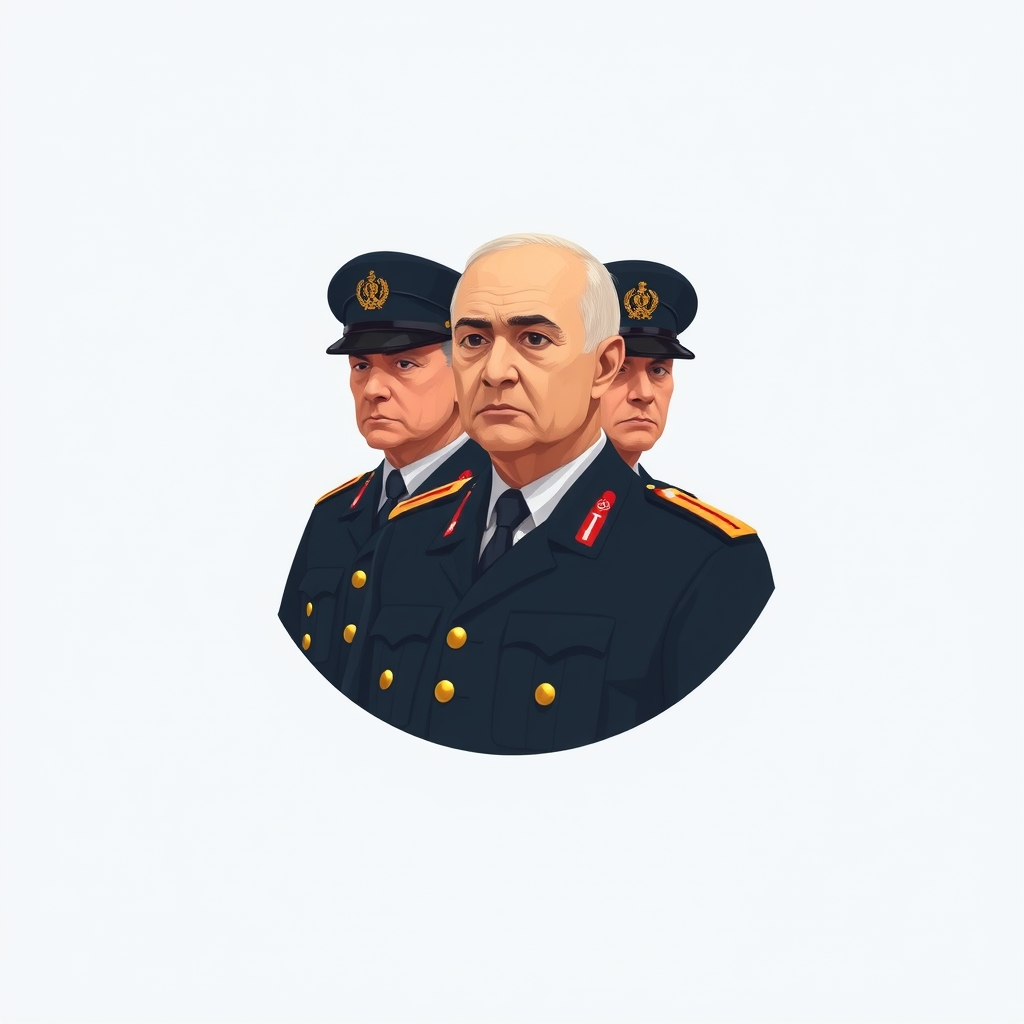
VS
French prosecutors

Three French police officers are on trial for assaulting Black music producer Michel Zecler in an incident captured on surveillance cameras.
The case has raised concerns about police violence and racial discrimination in France.
*AI-generated summary of publicly available data. This is not an official statement of any party.
*AI-generated summary of publicly available statements and reporting. This is not an official statement of this party.
Supporters of the accused officers argue that a single filmed incident is being used to indict an entire institution, warning against letting one case erase the presumption of innocence and the cultural authority policing depends on.
Supporters of the accused officers argue that French policing culture treats officers as guardians of public order, and that the Zecler footage should be read within that institutional context rather than as evidence of racial animus.
Supporters of the accused officers counter that French policing culture has long tolerated rough physical control in banlieue encounters, and that judging this incident by dignity norms ignores that entrenched tradition.
Supporters of the accused officers argue that the legal presumption of innocence must hold regardless of public outcry, and that the officers deserve a fair trial based on the full evidentiary record rather than the viral video alone.
Supporters of the accused officers argue the law presumes innocence until proven guilty and that the surveillance footage alone cannot establish unlawful intent without full context.
Supporters of the accused officers counter that the footage alone cannot establish unlawful intent, arguing French law requires proving excessive force beyond the legitimate use authorized under Article 122-4 of the penal code.
Supporters of the accused officers argue that selective release of surveillance footage lets prosecutors and media convict them in public before trial, so they frame the case as a contest over who controls the narrative.
Supporters of the accused officers argue that video footage captures only a fragment, and that prosecutors pursue the case for political optics amid pressure over policing—so the officers' full account deserves a fair hearing.
Supporters of the accused officers counter that prosecutors are shielding the state, not policing it—sacrificing low-ranking officers as scapegoats to absorb public fury while the institution's command structure stays untouched.
Supporters of the accused officers argue that a fair moral judgment requires weighing the officers' account and the full context, not video alone, and that presumption of innocence must hold for police too.
Supporters of the accused officers argue that a fair moral judgment requires weighing the officers' account and the pressures of their duty, not condemning them solely on released footage before all evidence is heard.
Supporters of the accused officers counter that moral accountability cuts both ways: they argue a presumption of guilt from one viral clip denies officers the same due process owed to any citizen.
Supporters of the accused officers invoke the presumption of innocence as a moral and legal duty, arguing that condemning them before judgment violates the justice owed to every person under divine and civil law.
Supporters of the accused officers invoke the presumption of innocence as a moral and religious duty, arguing that justice tempered with mercy forbids condemning anyone before a fair trial weighs all the evidence.
Supporters of the accused officers counter that Scripture's demand for two or three witnesses (Deuteronomy 19:15) cautions against condemning on a single viral clip, urging that judgment await a full inquiry rather than the court of public opinion.
*AI-generated summary of publicly available statements and reporting. This is not an official statement of this party.
Supporters of French prosecutors argue that the recorded assault on Michel Zecler violates the cultural norms of dignity and public trust on which France's policing tradition rests, and that accountability preserves institutional legitimacy.
Supporters of French prosecutors argue that prosecuting the officers upholds the cultural principle that no institution, including the police, stands above the law.
Supporters of French prosecutors counter that cultural authority is earned through accountability, not shielded by it—they argue that honoring the presumption of innocence is itself the inherited civic tradition the institution must visibly uphold.
Supporters of French prosecutors argue that video evidence of the assault on Michel Zecler meets the legal threshold for accountability, maintaining that no rank or badge places officers above the law they are sworn to enforce.
Supporters of French prosecutors argue that the filmed assault on Michel Zecler provides clear legal grounds to hold the officers accountable, maintaining that video evidence establishes excessive force and that the law must apply equally to police.
Supporters of French prosecutors counter that the presumption of innocence is a trial guarantee, not a bar to investigation, and that prosecutors may weigh the video as evidence while the full record is tested in court.
Supporters of French prosecutors argue that the filmed assault leaves officers little room to maneuver, making prosecution the pragmatic move to preserve the state's legitimacy and control the narrative before public outrage does it for them.
Supporters of French prosecutors argue the filmed beating gives them leverage to assert institutional control, insisting visible misconduct must be punished to preserve the system's credibility.
Supporters of French prosecutors counter that narrative control is the point: the state holds the monopoly on legitimate disclosure, and selective release pressures defendants toward plea bargains before trial.
Supporters of French prosecutors argue the filmed beating of Michel Zecler demands moral accountability, maintaining that officers sworn to protect the public must answer for violence that violates the law they are bound to uphold.
Supporters of French prosecutors argue that the filmed beating of Michel Zecler demands moral accountability, maintaining that officers sworn to protect the law must answer for brutality before a court.
Supporters of French prosecutors counter that moral accountability for an officer's conduct cannot rest on the accused's own account, since the duty to protect life binds police regardless of claimed context.
Supporters of French prosecutors argue that the law binds every citizen equally before God and the Republic, so the filmed assault on Michel Zecler must face judgment rather than be excused by uniform or rank.
Supporters of French prosecutors argue that justice is a moral duty rooted in accountability, and that holding officers to account for the filmed assault upholds the rule of law and public trust.
Supporters of French prosecutors counter that the presumption of innocence is a procedural protection for the accused, not a shield for institutions, and that the Church's own teaching on justice requires truth-seeking inquiry rather than silence before judgment.
AI-generated summary of publicly available statements and reporting. This is not an official statement of this party.
Supporters of the accused officers argue that a single filmed incident is being used to indict an entire institution, warning against letting one case erase the presumption of innocence and the cultural authority policing depends on.
Supporters of the accused officers argue that French policing culture treats officers as guardians of public order, and that the Zecler footage should be read within that institutional context rather than as evidence of racial animus.
Supporters of the accused officers counter that French policing culture has long tolerated rough physical control in banlieue encounters, and that judging this incident by dignity norms ignores that entrenched tradition.
Supporters of the accused officers argue that the legal presumption of innocence must hold regardless of public outcry, and that the officers deserve a fair trial based on the full evidentiary record rather than the viral video alone.
Supporters of the accused officers argue the law presumes innocence until proven guilty and that the surveillance footage alone cannot establish unlawful intent without full context.
Supporters of the accused officers counter that the footage alone cannot establish unlawful intent, arguing French law requires proving excessive force beyond the legitimate use authorized under Article 122-4 of the penal code.
Supporters of the accused officers argue that selective release of surveillance footage lets prosecutors and media convict them in public before trial, so they frame the case as a contest over who controls the narrative.
Supporters of the accused officers argue that video footage captures only a fragment, and that prosecutors pursue the case for political optics amid pressure over policing—so the officers' full account deserves a fair hearing.
Supporters of the accused officers counter that prosecutors are shielding the state, not policing it—sacrificing low-ranking officers as scapegoats to absorb public fury while the institution's command structure stays untouched.
Supporters of the accused officers argue that a fair moral judgment requires weighing the officers' account and the full context, not video alone, and that presumption of innocence must hold for police too.
Supporters of the accused officers argue that a fair moral judgment requires weighing the officers' account and the pressures of their duty, not condemning them solely on released footage before all evidence is heard.
Supporters of the accused officers counter that moral accountability cuts both ways: they argue a presumption of guilt from one viral clip denies officers the same due process owed to any citizen.
Supporters of the accused officers invoke the presumption of innocence as a moral and legal duty, arguing that condemning them before judgment violates the justice owed to every person under divine and civil law.
Supporters of the accused officers invoke the presumption of innocence as a moral and religious duty, arguing that justice tempered with mercy forbids condemning anyone before a fair trial weighs all the evidence.
Supporters of the accused officers counter that Scripture's demand for two or three witnesses (Deuteronomy 19:15) cautions against condemning on a single viral clip, urging that judgment await a full inquiry rather than the court of public opinion.
Supporters of French prosecutors argue that the recorded assault on Michel Zecler violates the cultural norms of dignity and public trust on which France's policing tradition rests, and that accountability preserves institutional legitimacy.
Supporters of French prosecutors argue that prosecuting the officers upholds the cultural principle that no institution, including the police, stands above the law.
Supporters of French prosecutors counter that cultural authority is earned through accountability, not shielded by it—they argue that honoring the presumption of innocence is itself the inherited civic tradition the institution must visibly uphold.
Supporters of French prosecutors argue that video evidence of the assault on Michel Zecler meets the legal threshold for accountability, maintaining that no rank or badge places officers above the law they are sworn to enforce.
Supporters of French prosecutors argue that the filmed assault on Michel Zecler provides clear legal grounds to hold the officers accountable, maintaining that video evidence establishes excessive force and that the law must apply equally to police.
Supporters of French prosecutors counter that the presumption of innocence is a trial guarantee, not a bar to investigation, and that prosecutors may weigh the video as evidence while the full record is tested in court.
Supporters of French prosecutors argue that the filmed assault leaves officers little room to maneuver, making prosecution the pragmatic move to preserve the state's legitimacy and control the narrative before public outrage does it for them.
Supporters of French prosecutors argue the filmed beating gives them leverage to assert institutional control, insisting visible misconduct must be punished to preserve the system's credibility.
Supporters of French prosecutors counter that narrative control is the point: the state holds the monopoly on legitimate disclosure, and selective release pressures defendants toward plea bargains before trial.
Supporters of French prosecutors argue the filmed beating of Michel Zecler demands moral accountability, maintaining that officers sworn to protect the public must answer for violence that violates the law they are bound to uphold.
Supporters of French prosecutors argue that the filmed beating of Michel Zecler demands moral accountability, maintaining that officers sworn to protect the law must answer for brutality before a court.
Supporters of French prosecutors counter that moral accountability for an officer's conduct cannot rest on the accused's own account, since the duty to protect life binds police regardless of claimed context.
Supporters of French prosecutors argue that the law binds every citizen equally before God and the Republic, so the filmed assault on Michel Zecler must face judgment rather than be excused by uniform or rank.
Supporters of French prosecutors argue that justice is a moral duty rooted in accountability, and that holding officers to account for the filmed assault upholds the rule of law and public trust.
Supporters of French prosecutors counter that the presumption of innocence is a procedural protection for the accused, not a shield for institutions, and that the Church's own teaching on justice requires truth-seeking inquiry rather than silence before judgment.
Michel Zecler was beaten by police officers in an incident filmed by surveillance cameras.