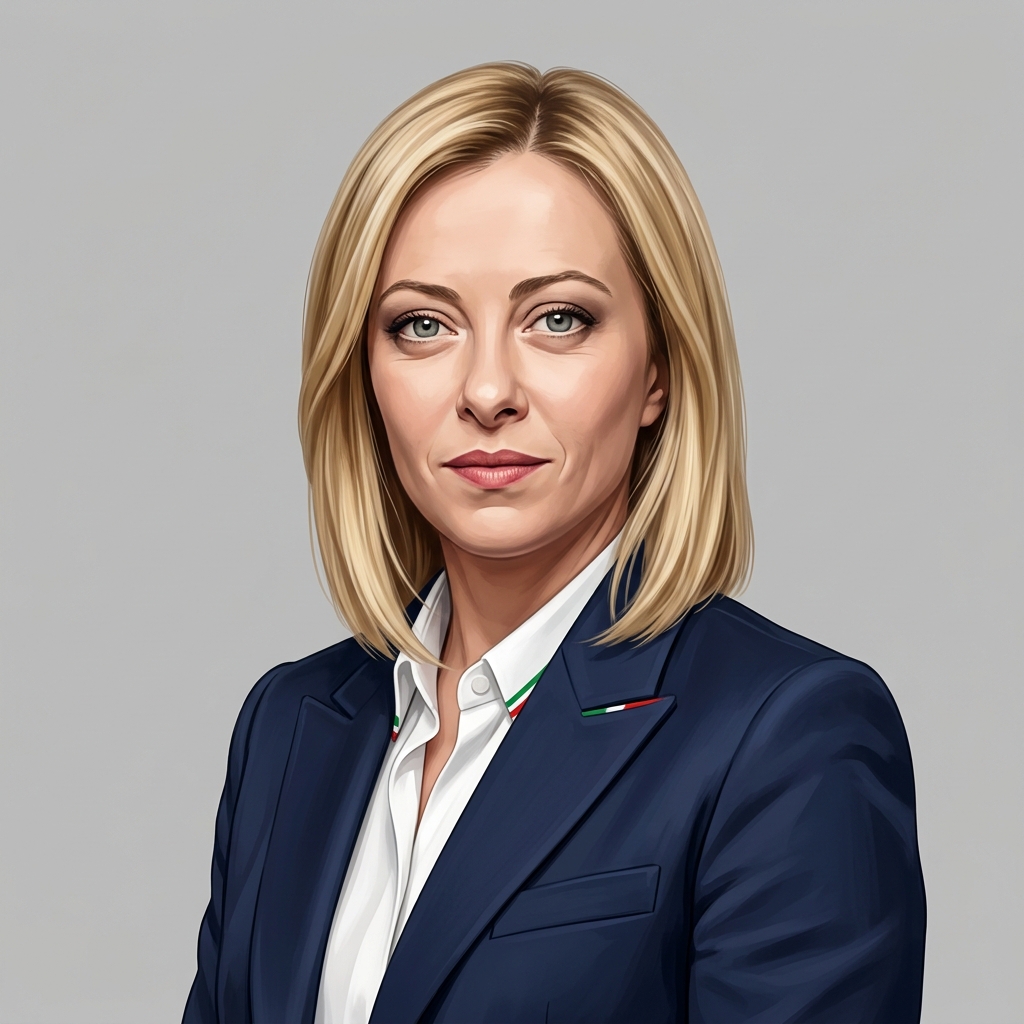
Giorgia Meloni
VS
Critics of the ban
?
No actors in this side.
No actors in this side.
Giorgia Meloni is an Italian politician and former journalist who has served as Prime Minister of Italy since October 2022.
She is the first woman to hold the office and leads the Brothers of Italy party, which she co-founded in 2012.
Her government has become one of the longest-lasting in recent Italian history.
Critics of the ban are those who oppose the Italian government's new integration rules, including a ban on burqas in schools and a 30% cap on pupils with limited Italian.
They argue that these measures infringe on religious freedom and hinder the integration of immigrant students.
The dispute centers on whether such restrictions are necessary for integration or whether they discriminate against religious and linguistic minorities.
The measures have sparked a broader debate in Italy over religious freedom, integration policy, and the balance between national identity and multiculturalism.
The outcome could influence how Italy approaches immigration and diversity in the coming years.
*AI-generated summary of publicly available data. This is not an official statement of any party.
*AI-generated summary of publicly available statements and reporting. This is not an official statement of this party.
Supporters of Giorgia Meloni argue the school measures reflect Italy's cultural continuity, treating shared language and visible identity as historic tools of integration that past eras used to unify diverse populations.
Supporters of Giorgia Meloni argue the rules are a cultural integration measure, citing Italy's long history of expecting newcomers to adopt shared civic norms as the path to belonging.
Supporters of Giorgia Meloni counter that Italian schools have long served as a shared cultural meeting point, and that integration, not the erasure of identity, is the aim of such measures.
Supporters of Giorgia Meloni argue the burqa ban and 30% language cap are lawful integration measures, framing them as legitimate exercises of national sovereignty over schools rather than religious restrictions.
Supporters of Giorgia Meloni argue that the school burqa ban and 30% cap on pupils with limited Italian are lawful integration measures, asserting that states may set neutral dress and language standards in public education to uphold national identity and social cohesion.
Supporters of Giorgia Meloni counter that Italy's Constitutional Court has upheld laws limiting religious attire when public order or identification is at stake, so a school burqa ban falls within established legal limits on religious freedom.
Supporters of Giorgia Meloni argue the school burqa ban and 30% language cap are a calculated bid to consolidate her nationalist base, trading minority goodwill for electoral dominance.
Supporters of Giorgia Meloni argue the burqa ban and language cap are calculated tools to consolidate a nationalist base and assert state authority over integration, trading minority backlash for domestic political gain.
Supporters of Giorgia Meloni counter that electoral incentives are the point: the 30% cap is enforceable, popular, and survives court challenges, whereas critics offer no funded alternative for integration.
Supporters of Giorgia Meloni argue that schools are the front line of integration, so limiting full-face veils and capping non-Italian-speaking pupils protects students' equal access to learning. They maintain integration, not religious freedom, is the moral priority.
Supporters of Giorgia Meloni argue the rules are morally legitimate because they apply equally to all pupils, aiming to ensure shared language and visible integration in state schools rather than targeting any one faith.
Supporters of Giorgia Meloni counter that liberty claims ring hollow when girls face social pressure and honor codes; they argue the state must protect the vulnerable child's welfare, not leave it to coercion within her own community.
Supporters of Giorgia Meloni argue that schools are spaces for shared civic formation, so religious dress like the burqa and language barriers should not override integration, which they see as protecting Italy's inherited cultural and religious order.
Supporters of Giorgia Meloni argue the school measures protect Italy's inherited Catholic character and social cohesion, framing religious integration as a matter of shared civic tradition rather than accommodation.
Supporters of Giorgia Meloni counter that religious freedom is not absolute, arguing the burqa ban protects public security and the dignity of women, values rooted in Italy's Catholic heritage that the state may uphold.
*AI-generated summary of publicly available statements and reporting. This is not an official statement of this party.
Supporters of the ban's critics argue that barring burqas in schools and capping non-Italian-speaking pupils pressures minority communities to abandon their cultural and religious identity, treating difference itself as a problem rather than something to accommodate.
Supporters of the critics argue that a school burqa ban targets a religious minority's cultural identity rather than advancing genuine integration.
Critics of the ban counter that Italy's historic unity came from regional dialects and layered identities, not a single enforced language; they argue that suppressing minority cultures breaks continuity rather than preserving it.
Supporters of the critics argue the school burqa ban may conflict with Italy's constitutional and international human-rights commitments to religious freedom and nondiscrimination.
Supporters of the ban's critics argue the burqa prohibition infringes religious freedom and proportionality guarantees under international human rights law, which Italy is bound to uphold.
Critics of the ban counter that Italy's constitution and ECHR Article 9 protect religious manifestation, so a blanket burqa ban likely fails proportionality, and language caps may breach minority education rights under international law.
Supporters of the ban's critics argue the measures are political theater: Meloni trades minority religious freedom for electoral gains, while the 30% cap masks failing integration funding.
Supporters of Critics of the ban argue Meloni trades minority rights for political capital, since the burqa ban and language cap signal strength to her base while migrants pay the cost.
Critics of the ban counter that Meloni's nationalist base alone cannot govern; the measures are a pragmatic concession to hold a coalition, not dominance, since alienating Italy's immigrant labor and EU partners carries costs that outweigh any electoral gain.
Supporters of the ban's critics argue that state power over a girl's dress or school placement violates individual liberty, and that integration is best achieved through voluntary choice, not coercion.
Critics of Italy's ban argue that the state has no moral right to dictate a woman's dress, since liberty of conscience and personal autonomy belong to the individual, not the government.
Critics of the ban counter that integration coerced by restricting religious dress violates the child's and family's moral autonomy, making forced conformity, not genuine learning, the state's actual aim.
Critics of Italy's school burqa ban argue that the measure infringes on religious freedom, as the burqa is a sincere expression of Islamic faith and modesty that the state should not prohibit.
Supporters of Critics of the ban argue that barring burqas in schools burdens Muslim religious expression, and they maintain that integration should respect conscience rather than restrict faith.
Critics of the ban counter that Italy's constitutional protections for religious freedom extend to minority faiths, and that a Catholic-majority state invoking its inherited order to restrict Muslim dress risks treating believers unequally under law.
AI-generated summary of publicly available statements and reporting. This is not an official statement of this party.
Supporters of Giorgia Meloni argue the school measures reflect Italy's cultural continuity, treating shared language and visible identity as historic tools of integration that past eras used to unify diverse populations.
Supporters of Giorgia Meloni argue the rules are a cultural integration measure, citing Italy's long history of expecting newcomers to adopt shared civic norms as the path to belonging.
Supporters of Giorgia Meloni counter that Italian schools have long served as a shared cultural meeting point, and that integration, not the erasure of identity, is the aim of such measures.
Supporters of Giorgia Meloni argue the burqa ban and 30% language cap are lawful integration measures, framing them as legitimate exercises of national sovereignty over schools rather than religious restrictions.
Supporters of Giorgia Meloni argue that the school burqa ban and 30% cap on pupils with limited Italian are lawful integration measures, asserting that states may set neutral dress and language standards in public education to uphold national identity and social cohesion.
Supporters of Giorgia Meloni counter that Italy's Constitutional Court has upheld laws limiting religious attire when public order or identification is at stake, so a school burqa ban falls within established legal limits on religious freedom.
Supporters of Giorgia Meloni argue the school burqa ban and 30% language cap are a calculated bid to consolidate her nationalist base, trading minority goodwill for electoral dominance.
Supporters of Giorgia Meloni argue the burqa ban and language cap are calculated tools to consolidate a nationalist base and assert state authority over integration, trading minority backlash for domestic political gain.
Supporters of Giorgia Meloni counter that electoral incentives are the point: the 30% cap is enforceable, popular, and survives court challenges, whereas critics offer no funded alternative for integration.
Supporters of Giorgia Meloni argue that schools are the front line of integration, so limiting full-face veils and capping non-Italian-speaking pupils protects students' equal access to learning. They maintain integration, not religious freedom, is the moral priority.
Supporters of Giorgia Meloni argue the rules are morally legitimate because they apply equally to all pupils, aiming to ensure shared language and visible integration in state schools rather than targeting any one faith.
Supporters of Giorgia Meloni counter that liberty claims ring hollow when girls face social pressure and honor codes; they argue the state must protect the vulnerable child's welfare, not leave it to coercion within her own community.
Supporters of Giorgia Meloni argue that schools are spaces for shared civic formation, so religious dress like the burqa and language barriers should not override integration, which they see as protecting Italy's inherited cultural and religious order.
Supporters of Giorgia Meloni argue the school measures protect Italy's inherited Catholic character and social cohesion, framing religious integration as a matter of shared civic tradition rather than accommodation.
Supporters of Giorgia Meloni counter that religious freedom is not absolute, arguing the burqa ban protects public security and the dignity of women, values rooted in Italy's Catholic heritage that the state may uphold.
Supporters of the ban's critics argue that barring burqas in schools and capping non-Italian-speaking pupils pressures minority communities to abandon their cultural and religious identity, treating difference itself as a problem rather than something to accommodate.
Supporters of the critics argue that a school burqa ban targets a religious minority's cultural identity rather than advancing genuine integration.
Critics of the ban counter that Italy's historic unity came from regional dialects and layered identities, not a single enforced language; they argue that suppressing minority cultures breaks continuity rather than preserving it.
Supporters of the critics argue the school burqa ban may conflict with Italy's constitutional and international human-rights commitments to religious freedom and nondiscrimination.
Supporters of the ban's critics argue the burqa prohibition infringes religious freedom and proportionality guarantees under international human rights law, which Italy is bound to uphold.
Critics of the ban counter that Italy's constitution and ECHR Article 9 protect religious manifestation, so a blanket burqa ban likely fails proportionality, and language caps may breach minority education rights under international law.
Supporters of the ban's critics argue the measures are political theater: Meloni trades minority religious freedom for electoral gains, while the 30% cap masks failing integration funding.
Supporters of Critics of the ban argue Meloni trades minority rights for political capital, since the burqa ban and language cap signal strength to her base while migrants pay the cost.
Critics of the ban counter that Meloni's nationalist base alone cannot govern; the measures are a pragmatic concession to hold a coalition, not dominance, since alienating Italy's immigrant labor and EU partners carries costs that outweigh any electoral gain.
Supporters of the ban's critics argue that state power over a girl's dress or school placement violates individual liberty, and that integration is best achieved through voluntary choice, not coercion.
Critics of Italy's ban argue that the state has no moral right to dictate a woman's dress, since liberty of conscience and personal autonomy belong to the individual, not the government.
Critics of the ban counter that integration coerced by restricting religious dress violates the child's and family's moral autonomy, making forced conformity, not genuine learning, the state's actual aim.
Critics of Italy's school burqa ban argue that the measure infringes on religious freedom, as the burqa is a sincere expression of Islamic faith and modesty that the state should not prohibit.
Supporters of Critics of the ban argue that barring burqas in schools burdens Muslim religious expression, and they maintain that integration should respect conscience rather than restrict faith.
Critics of the ban counter that Italy's constitutional protections for religious freedom extend to minority faiths, and that a Catholic-majority state invoking its inherited order to restrict Muslim dress risks treating believers unequally under law.
Italy has approved a school burqa ban and a 30% cap on pupils with limited Italian, as Giorgia Meloni pushes new integration rules Read Full Article at RT.com
Giorgia Meloni assumed office as Prime Minister of Italy, becoming the first woman to hold the position.
Giorgia Meloni co-founded the Brothers of Italy party and has led it since its inception.