Houthi attacks

VS
Mecca Pact activation

The Houthis are an Iran-backed armed movement in Yemen that has launched attacks on Saudi cities and critical energy infrastructure.
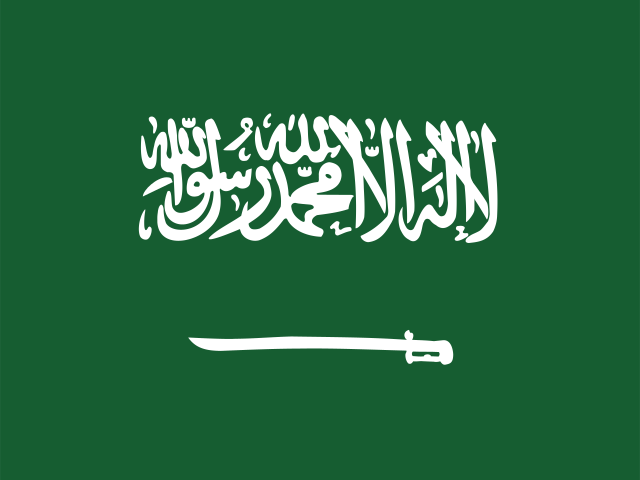
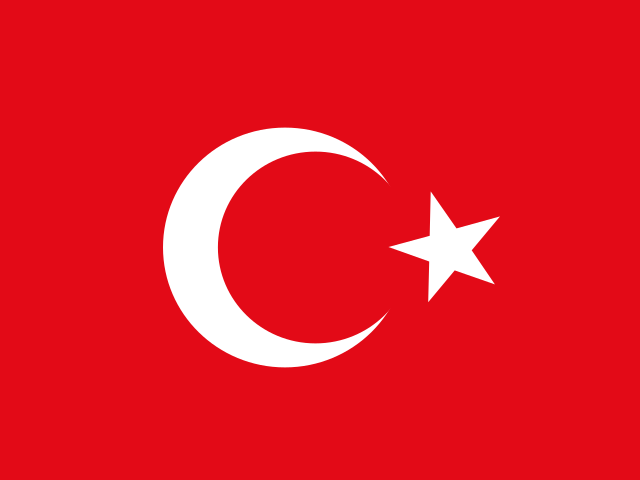
Saudi Arabia is a Gulf state and target of those attacks, and it is a party to the Mecca Pact, a newly signed mutual defense agreement that also includes Pakistan and Turkiye.
The dispute centers on whether the Houthi attacks on Saudi Arabia should trigger the Mecca Pact's mutual defense provisions.
Pakistan has warned that the pact could be activated if the Houthis continue targeting Saudi Arabia, while also stating that no military response has been discussed under the agreement.
The outcome could determine whether Pakistan and Turkiye become directly involved in the Yemen conflict or instead limit their support to measures such as intelligence sharing, early warning, and air defense.
*AI-generated summary of publicly available data. This is not an official statement of any party.
*AI-generated summary of publicly available statements and reporting. This is not an official statement of this party.
Supporters of Houthi attacks cite cultural sovereignty and self-determination, arguing outside powers like Pakistan and Turkiye have no legitimate claim to intervene in Yemen's affairs.
Supporters of Houthi attacks frame the Mecca Pact as foreign interference, arguing Yemen's sovereignty and identity must be respected rather than answered by outside powers.
Supporters of the Houthi attacks counter that Islamic solidarity is being invoked selectively, since the same pact logic was never applied to Yemen's own sovereignty, and they argue cultural identity cannot be reduced to serving Riyadh's war aims.
Supporters of Houthi attacks argue the Mecca Pact is legally dormant absent a Saudi request, so Pakistan and Turkiye face no binding obligation to join the Yemen war.
Supporters of Houthi attacks argue the Mecca Pact lacks a clear legal trigger, since no Saudi request has been made, so Pakistan and Turkiye face no binding obligation to intervene in Yemen.
Supporters of Houthi attacks counter that the Mecca Pact's mutual-defense clause binds only signatories against external state aggression, not internal Yemen operations, so no legal obligation to intervene arises from Saudi requests.
Supporters of Houthi attacks argue the Mecca Pact is deterrence theater: Pakistan and Turkiye will only move if Riyadh requests, and Riyadh won't, so strikes expose the pact's emptiness without triggering it.
Supporters of Houthi attacks argue the Mecca Pact is deterrence theater: Pakistan and Turkiye will not bleed in Yemen, so Riyadh's threat rings hollow and Houthi pressure pays.
Supporters of Houthi attacks counter that deterrence without deployment is the bluff Riyadh already tested: the Pact's signatories intervene at their own discretion, so Houthi strikes continue while Saudi Arabia absorbs the costs of a war it cannot outsource.
Supporters of Houthi attacks argue that sovereign states' military actions are their own affair, and that pacts obligating Pakistan or Turkiye to intervene would violate their citizens' autonomy and consent.
Supporters of Houthi attacks argue that no external pact can override Yemen's sovereignty, and that Saudi Arabia inviting Pakistan and Turkiye to intervene morally compounds an unjust war.
Supporters of Houthi attacks counter that a pact binding a nation to fight on command erases the moral agency of its own people, who never consented to die for another state's war.
Supporters of Houthi attacks argue that the Mecca Pact's religious legitimacy is undermined when signatories weigh political caution over sacred duty, maintaining that Pakistan and Turkiye's reluctance shows the accord serves state interests, not faith.
Supporters of Houthi attacks argue that the Mecca Pact, however framed, cannot override religious duty; in their view, Saudi Arabia's request would bind Pakistan and Turkiye to defend Mecca's holy sites, not to widen the Yemen war.
Supporters of Houthi attacks counter that the Pact binds signatories to aid the oppressed, and they argue that backing a Saudi campaign against Yemen would itself violate that religious duty, since the pact cannot obligate Muslims to fight fellow Muslims on behalf of a monarchy.
*AI-generated summary of publicly available statements and reporting. This is not an official statement of this party.
Supporters of Mecca Pact activation frame it as a cultural duty of Islamic solidarity: they argue Pakistan and Turkiye would answer a Saudi request, yet they concede the pact is unlikely to draw them into Yemen's war.
Supporters of Mecca Pact activation argue the Houthi attacks reveal a shared civilizational duty to defend sacred territory, invoking historical ummah solidarity to press for a coordinated response.
Supporters of Mecca Pact activation counter that Yemen's cultural ties to the wider ummah long predate modern borders, so sovereignty claims cannot erase shared religious kinship that legitimizes outside involvement.
Supporters of Mecca Pact activation argue the pact's mutual-defense clause legally obligates Pakistan and Turkiye to intervene if Saudi Arabia formally requests it, though they concede direct Yemen war involvement is unlikely.
Supporters of Mecca Pact activation argue that the pact's mutual-defense terms legally obligate Pakistan and Turkiye to intervene if Saudi Arabia formally requests it, though they concede direct entry into the Yemen war remains unlikely.
Supporters of Mecca Pact activation counter that the pact's mutual-defense clause is self-executing once a member is attacked, so no separate Saudi request is legally required to trigger Pakistan and Turkiye's obligations.
Supporters of Mecca Pact activation argue the pact is leverage, not a trigger: Pakistan and Turkiye intervene only if Riyadh requests, so Saudi Arabia gains deterrence while avoiding the Yemen war's costs.
Supporters of Mecca Pact activation argue the pact is leverage, not a war plan: Saudi Arabia can invoke it to signal resolve and extract Pakistani and Turkish backing without committing them to Yemen.
Supporters of Mecca Pact activation counter that Riyadh tolerates Houthi strikes precisely because inaction serves it: keeping the pact dormant preserves leverage over Islamabad and Ankara while denying them a pretext to expand influence.
Supporters of Mecca Pact activation argue that if Saudi Arabia requests aid, Pakistan and Turkiye are morally bound by their mutual defense pledge to intervene, honoring collective security over staying uninvolved.
Supporters of Mecca Pact activation argue that Saudi Arabia's security commitments to Pakistan and Türkiye create a moral duty of mutual protection, and that honoring the pact upholds fairness and deterrence.
Supporters of Mecca Pact activation counter that consent is not a shield when mass atrocities unfold; they argue the Pact's moral duty to protect civilians overrides claims of national autonomy.
Supporters of Mecca Pact activation argue that the pact's mutual defense obligations are religiously binding, citing Quranic commands to aid the oppressed and honor treaties, so Saudi Arabia's request would compel Pakistan and Turkiye to intervene.
Supporters of Mecca Pact activation argue that the accord binds Saudi Arabia, Pakistan and Turkiye as a solemn religious duty, so honoring it against Houthi attacks is a matter of faith and covenant, not mere politics.
Supporters of Mecca Pact activation counter that sacred duty requires prudence, not haste; Pakistan and Turkiye honor the accord by seeking unity before confrontation, since scripture warns against division among believers.
AI-generated summary of publicly available statements and reporting. This is not an official statement of this party.
Supporters of Houthi attacks cite cultural sovereignty and self-determination, arguing outside powers like Pakistan and Turkiye have no legitimate claim to intervene in Yemen's affairs.
Supporters of Houthi attacks frame the Mecca Pact as foreign interference, arguing Yemen's sovereignty and identity must be respected rather than answered by outside powers.
Supporters of the Houthi attacks counter that Islamic solidarity is being invoked selectively, since the same pact logic was never applied to Yemen's own sovereignty, and they argue cultural identity cannot be reduced to serving Riyadh's war aims.
Supporters of Houthi attacks argue the Mecca Pact is legally dormant absent a Saudi request, so Pakistan and Turkiye face no binding obligation to join the Yemen war.
Supporters of Houthi attacks argue the Mecca Pact lacks a clear legal trigger, since no Saudi request has been made, so Pakistan and Turkiye face no binding obligation to intervene in Yemen.
Supporters of Houthi attacks counter that the Mecca Pact's mutual-defense clause binds only signatories against external state aggression, not internal Yemen operations, so no legal obligation to intervene arises from Saudi requests.
Supporters of Houthi attacks argue the Mecca Pact is deterrence theater: Pakistan and Turkiye will only move if Riyadh requests, and Riyadh won't, so strikes expose the pact's emptiness without triggering it.
Supporters of Houthi attacks argue the Mecca Pact is deterrence theater: Pakistan and Turkiye will not bleed in Yemen, so Riyadh's threat rings hollow and Houthi pressure pays.
Supporters of Houthi attacks counter that deterrence without deployment is the bluff Riyadh already tested: the Pact's signatories intervene at their own discretion, so Houthi strikes continue while Saudi Arabia absorbs the costs of a war it cannot outsource.
Supporters of Houthi attacks argue that sovereign states' military actions are their own affair, and that pacts obligating Pakistan or Turkiye to intervene would violate their citizens' autonomy and consent.
Supporters of Houthi attacks argue that no external pact can override Yemen's sovereignty, and that Saudi Arabia inviting Pakistan and Turkiye to intervene morally compounds an unjust war.
Supporters of Houthi attacks counter that a pact binding a nation to fight on command erases the moral agency of its own people, who never consented to die for another state's war.
Supporters of Houthi attacks argue that the Mecca Pact's religious legitimacy is undermined when signatories weigh political caution over sacred duty, maintaining that Pakistan and Turkiye's reluctance shows the accord serves state interests, not faith.
Supporters of Houthi attacks argue that the Mecca Pact, however framed, cannot override religious duty; in their view, Saudi Arabia's request would bind Pakistan and Turkiye to defend Mecca's holy sites, not to widen the Yemen war.
Supporters of Houthi attacks counter that the Pact binds signatories to aid the oppressed, and they argue that backing a Saudi campaign against Yemen would itself violate that religious duty, since the pact cannot obligate Muslims to fight fellow Muslims on behalf of a monarchy.
Supporters of Mecca Pact activation frame it as a cultural duty of Islamic solidarity: they argue Pakistan and Turkiye would answer a Saudi request, yet they concede the pact is unlikely to draw them into Yemen's war.
Supporters of Mecca Pact activation argue the Houthi attacks reveal a shared civilizational duty to defend sacred territory, invoking historical ummah solidarity to press for a coordinated response.
Supporters of Mecca Pact activation counter that Yemen's cultural ties to the wider ummah long predate modern borders, so sovereignty claims cannot erase shared religious kinship that legitimizes outside involvement.
Supporters of Mecca Pact activation argue the pact's mutual-defense clause legally obligates Pakistan and Turkiye to intervene if Saudi Arabia formally requests it, though they concede direct Yemen war involvement is unlikely.
Supporters of Mecca Pact activation argue that the pact's mutual-defense terms legally obligate Pakistan and Turkiye to intervene if Saudi Arabia formally requests it, though they concede direct entry into the Yemen war remains unlikely.
Supporters of Mecca Pact activation counter that the pact's mutual-defense clause is self-executing once a member is attacked, so no separate Saudi request is legally required to trigger Pakistan and Turkiye's obligations.
Supporters of Mecca Pact activation argue the pact is leverage, not a trigger: Pakistan and Turkiye intervene only if Riyadh requests, so Saudi Arabia gains deterrence while avoiding the Yemen war's costs.
Supporters of Mecca Pact activation argue the pact is leverage, not a war plan: Saudi Arabia can invoke it to signal resolve and extract Pakistani and Turkish backing without committing them to Yemen.
Supporters of Mecca Pact activation counter that Riyadh tolerates Houthi strikes precisely because inaction serves it: keeping the pact dormant preserves leverage over Islamabad and Ankara while denying them a pretext to expand influence.
Supporters of Mecca Pact activation argue that if Saudi Arabia requests aid, Pakistan and Turkiye are morally bound by their mutual defense pledge to intervene, honoring collective security over staying uninvolved.
Supporters of Mecca Pact activation argue that Saudi Arabia's security commitments to Pakistan and Türkiye create a moral duty of mutual protection, and that honoring the pact upholds fairness and deterrence.
Supporters of Mecca Pact activation counter that consent is not a shield when mass atrocities unfold; they argue the Pact's moral duty to protect civilians overrides claims of national autonomy.
Supporters of Mecca Pact activation argue that the pact's mutual defense obligations are religiously binding, citing Quranic commands to aid the oppressed and honor treaties, so Saudi Arabia's request would compel Pakistan and Turkiye to intervene.
Supporters of Mecca Pact activation argue that the accord binds Saudi Arabia, Pakistan and Turkiye as a solemn religious duty, so honoring it against Houthi attacks is a matter of faith and covenant, not mere politics.
Supporters of Mecca Pact activation counter that sacred duty requires prudence, not haste; Pakistan and Turkiye honor the accord by seeking unity before confrontation, since scripture warns against division among believers.
If there is a Saudi request, Pakistan and Turkiye will intervene, but direct involvement in the Yemen war is unlikely.
Pakistan stated that no military response had been discussed under the Mecca Pact in response to Houthi attacks on Saudi Arabia.
Pakistani Defence Minister Khwaja Asif warned of activating the newly signed Mecca Defence Pact amid the escalating conflict and discussed the Houthi attacks on Saudi Arabia with Iran.
Pakistan warned that the Mecca defense agreement may be activated if Yemen's Houthi rebels continue targeting Saudi Arabia.
An analysis noted that the Houthis could be the first big test for the Mecca mutual defense agreement, and that in practice the pact's first actions could be far less dramatic, such as intelligence sharing, early warning, and air defense support.