Iran and Russia

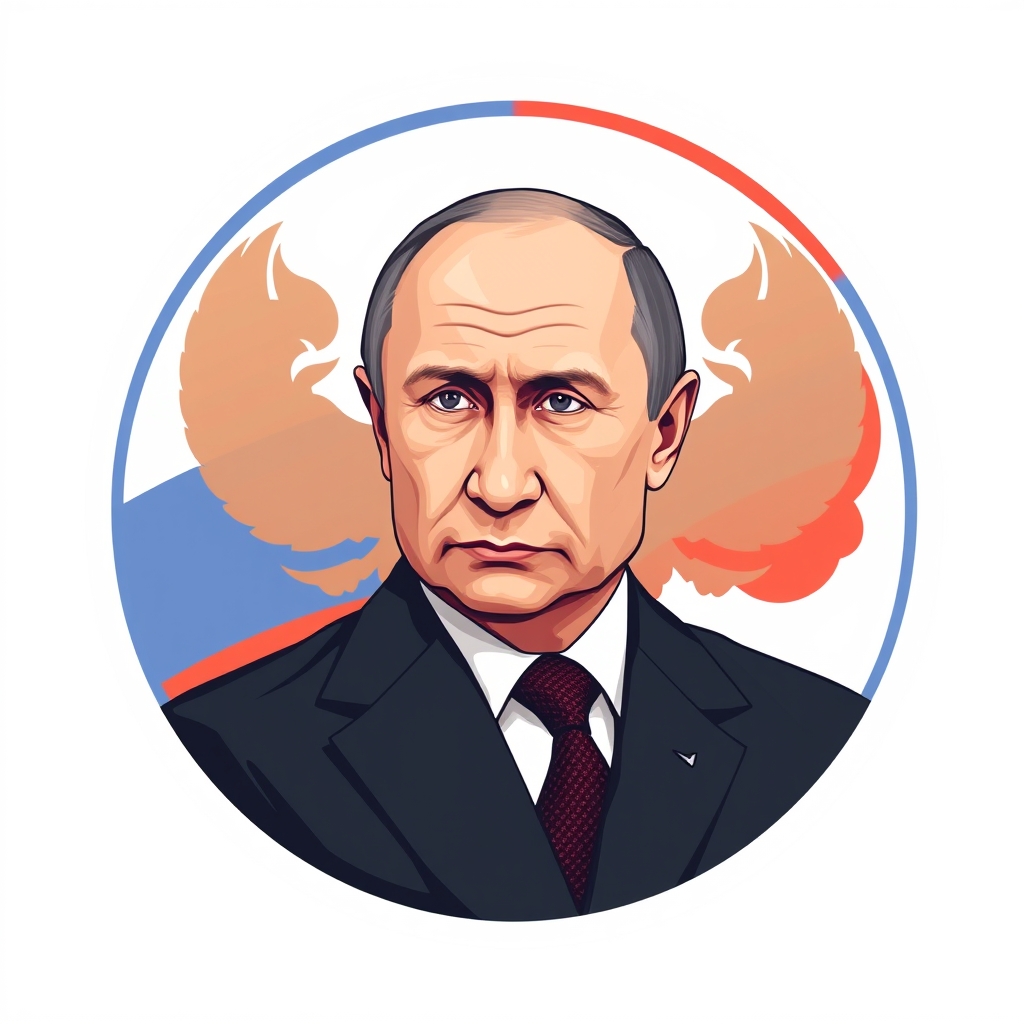
VS
United States

Iran and Russia are two countries whose governments have increasingly aligned in opposition to policies led by the United States.
Iran, a Middle Eastern state, and Russia, a Eurasian power, have both faced US sanctions and military pressure, and they have deepened cooperation in areas including intelligence sharing and diplomatic coordination.
The United States, for its part, has sought to counter Iranian and Russian influence through sanctions, military presence, and alliances.
The three parties have conflicting interests over regional security and global governance.
The United States has accused Iran of threatening its forces and allies in the Middle East, while Iran and Russia have criticized US military interventions and the dominance of the US dollar in global finance.
Reports have also emerged of possible Russian and Chinese assistance to Iran, raising fears of a wider confrontation.
Ahead of the BRICS summit in India, the presidents of Iran and Russia criticized US dollar dominance, highlighting a push by some countries to challenge the dollar's role as the dominant global reserve currency.
The situation remains tense, with an Iranian lawmaker warning of a wider war involving the US, Russia, and China.
*AI-generated summary of publicly available data. This is not an official statement of any party.
*AI-generated summary of publicly available statements and reporting. This is not an official statement of this party.
Supporters of Iran and Russia argue that challenging dollar dominance is a cultural assertion of sovereignty, letting nations conduct trade in their own currencies rather than defaulting to a single foreign power's money.
Supporters of Iran and Russia frame de-dollarization as cultural sovereignty: they argue that relying on the US dollar lets American values shape other nations' economies, so BRICS should trade in their own currencies.
Supporters of Iran and Russia counter that dollar dominance reflects a cultural hegemony imposed through institutions like the IMF, not neutral custom, and that BRICS offers nations a way to reclaim monetary sovereignty.
Supporters of Iran and Russia argue that dollar dominance lacks a consensual legal basis, since reserve-currency status rests on custom rather than treaty, and states may lawfully settle trade in their own currencies.
Supporters of Iran and Russia argue that dollar dominance lacks a consensual legal basis, citing US secondary sanctions and asset freezes as extraterritorial enforcement beyond UN mandate.
Supporters of Iran and Russia counter that dollar dominance itself rests on extraterritorial sanctions and asset freezes, not neutral law, so legal credibility is a contested claim rather than a settled standard.
Supporters of Iran and Russia argue dollar dominance is leverage the US wields to coerce rivals, so BRICS de-dollarization is pragmatic self-protection, not ideology.
Supporters of Iran and Russia argue de-dollarization is leverage: weaponized US sanctions make dollar dependence a vulnerability, so BRICS payment systems serve their sovereignty, not free trade.
Supporters of Iran and Russia counter that dollar dominance is itself the weapon, so each sanction pushes targets toward alternate rails; they argue coercion breeds the very alternatives Washington fears.
Supporters of Iran and Russia argue that dollar dominance lets the United States impose its will on other nations, so challenging it is a moral duty for a fairer, more sustainable global order.
Supporters of Iran and Russia argue that dollar dominance lets the US impose its will on other nations, so BRICS should build fairer financial systems.
Supporters of Iran and Russia counter that dollar dominance is not morally legitimate when it lets Washington weaponize the global reserve currency, forcing sanctioned nations to choose between economic survival and sovereignty.
Supporters of Iran and Russia argue that challenging dollar dominance upholds divine justice, since scripture warns that love of money is the root of evil and calls nations to fair, usury-free exchange.
Supporters of Iran and Russia argue that challenging US dollar dominance aligns with a moral order where no nation holds idolatrous sway over others' livelihoods, invoking faith against concentrated financial power.
Supporters of Iran and Russia counter that scripture warns against trusting in riches, and that the dollar's reign reflects a worldly order destined to pass, not a divine mandate.
*AI-generated summary of publicly available statements and reporting. This is not an official statement of this party.
Supporters of the United States argue that the dollar's global role rests on enduring institutions, rule of law, and decades of inherited financial custom—stability that BRICS challenges would unsettle.
Supporters of the United States argue that the dollar's global role reflects generations of inherited trust, stable institutions, and legal precedent, and that abandoning it would weaken the cultural and economic order built over decades.
Supporters of United States counter that dollar usage grew from generations of trust, rule of law, and stable institutions, not imposition, and that shared commercial norms bind nations more durably than currency nationalism.
Supporters of the United States argue that the dollar’s reserve status rests on law-backed property rights, open capital markets, and enforceable contracts, so any BRICS alternative must meet those legal standards to be credible.
Supporters of the United States argue that dollar dominance rests on legal foundations—rule-of-law courts, enforceable contracts, and open capital markets—that BRICS alternatives lack, so no summit decree can simply replace it.
Supporters of the United States counter that dollar dominance rests on enforceable contracts and property rights, not mere custom, so foreign firms freely choosing dollar-denominated deals remain legally bound by them.
Supporters of the United States argue that dollar dominance is a lever of coercion—sanctions enforcement, cheap borrowing, seigniorage—so BRICS challenges are met by defending the currency as strategic infrastructure, not mere economics.
Supporters of the United States argue dollar dominance is leverage, not luck: it lets Washington sanction rivals and fund deficits cheaply, so ceding it to BRICS would forfeit coercive power for no gain.
Supporters of the United States counter that reserve status is a privilege earned by open capital markets and rule of law, not a weapon; rivals de-dollarize not from principle but because sanctions expose their own reliance on a currency they cannot control.
Supporters of the United States argue that dollar dominance reflects voluntary global trust earned through open markets and property rights, not coercion, so nations remain free to choose alternatives without undermining monetary liberty.
Supporters of the United States argue that dollar dominance reflects voluntary global trust earned through open markets, not coercion, so nations choosing to trade in other currencies exercise a legitimate sovereign right.
Supporters of United States counter that dollar use is voluntary—nations choose it for stability—so framing its dominance as coercion inverts morality, blaming a free market for choices others freely make.
Supporters of the United States argue that the dollar's role rests on deep, stable institutions and the rule of law, a providential order they say no rival coalition can replicate.
Supporters of the United States argue that the dollar's role reflects a stable, rules-based order rooted in longstanding institutions, not coercion, and that BRICS challenges risk unsettling the continuity that faith traditions prize.
Supporters of the United States counter that scripture also commands rendering unto Caesar and honoring lawful authority, so dollar-based order preserves the stability and inherited institutions that divine justice requires.
AI-generated summary of publicly available statements and reporting. This is not an official statement of this party.
Supporters of Iran and Russia argue that challenging dollar dominance is a cultural assertion of sovereignty, letting nations conduct trade in their own currencies rather than defaulting to a single foreign power's money.
Supporters of Iran and Russia frame de-dollarization as cultural sovereignty: they argue that relying on the US dollar lets American values shape other nations' economies, so BRICS should trade in their own currencies.
Supporters of Iran and Russia counter that dollar dominance reflects a cultural hegemony imposed through institutions like the IMF, not neutral custom, and that BRICS offers nations a way to reclaim monetary sovereignty.
Supporters of Iran and Russia argue that dollar dominance lacks a consensual legal basis, since reserve-currency status rests on custom rather than treaty, and states may lawfully settle trade in their own currencies.
Supporters of Iran and Russia argue that dollar dominance lacks a consensual legal basis, citing US secondary sanctions and asset freezes as extraterritorial enforcement beyond UN mandate.
Supporters of Iran and Russia counter that dollar dominance itself rests on extraterritorial sanctions and asset freezes, not neutral law, so legal credibility is a contested claim rather than a settled standard.
Supporters of Iran and Russia argue dollar dominance is leverage the US wields to coerce rivals, so BRICS de-dollarization is pragmatic self-protection, not ideology.
Supporters of Iran and Russia argue de-dollarization is leverage: weaponized US sanctions make dollar dependence a vulnerability, so BRICS payment systems serve their sovereignty, not free trade.
Supporters of Iran and Russia counter that dollar dominance is itself the weapon, so each sanction pushes targets toward alternate rails; they argue coercion breeds the very alternatives Washington fears.
Supporters of Iran and Russia argue that dollar dominance lets the United States impose its will on other nations, so challenging it is a moral duty for a fairer, more sustainable global order.
Supporters of Iran and Russia argue that dollar dominance lets the US impose its will on other nations, so BRICS should build fairer financial systems.
Supporters of Iran and Russia counter that dollar dominance is not morally legitimate when it lets Washington weaponize the global reserve currency, forcing sanctioned nations to choose between economic survival and sovereignty.
Supporters of Iran and Russia argue that challenging dollar dominance upholds divine justice, since scripture warns that love of money is the root of evil and calls nations to fair, usury-free exchange.
Supporters of Iran and Russia argue that challenging US dollar dominance aligns with a moral order where no nation holds idolatrous sway over others' livelihoods, invoking faith against concentrated financial power.
Supporters of Iran and Russia counter that scripture warns against trusting in riches, and that the dollar's reign reflects a worldly order destined to pass, not a divine mandate.
Supporters of the United States argue that the dollar's global role rests on enduring institutions, rule of law, and decades of inherited financial custom—stability that BRICS challenges would unsettle.
Supporters of the United States argue that the dollar's global role reflects generations of inherited trust, stable institutions, and legal precedent, and that abandoning it would weaken the cultural and economic order built over decades.
Supporters of United States counter that dollar usage grew from generations of trust, rule of law, and stable institutions, not imposition, and that shared commercial norms bind nations more durably than currency nationalism.
Supporters of the United States argue that the dollar’s reserve status rests on law-backed property rights, open capital markets, and enforceable contracts, so any BRICS alternative must meet those legal standards to be credible.
Supporters of the United States argue that dollar dominance rests on legal foundations—rule-of-law courts, enforceable contracts, and open capital markets—that BRICS alternatives lack, so no summit decree can simply replace it.
Supporters of the United States counter that dollar dominance rests on enforceable contracts and property rights, not mere custom, so foreign firms freely choosing dollar-denominated deals remain legally bound by them.
Supporters of the United States argue that dollar dominance is a lever of coercion—sanctions enforcement, cheap borrowing, seigniorage—so BRICS challenges are met by defending the currency as strategic infrastructure, not mere economics.
Supporters of the United States argue dollar dominance is leverage, not luck: it lets Washington sanction rivals and fund deficits cheaply, so ceding it to BRICS would forfeit coercive power for no gain.
Supporters of the United States counter that reserve status is a privilege earned by open capital markets and rule of law, not a weapon; rivals de-dollarize not from principle but because sanctions expose their own reliance on a currency they cannot control.
Supporters of the United States argue that dollar dominance reflects voluntary global trust earned through open markets and property rights, not coercion, so nations remain free to choose alternatives without undermining monetary liberty.
Supporters of the United States argue that dollar dominance reflects voluntary global trust earned through open markets, not coercion, so nations choosing to trade in other currencies exercise a legitimate sovereign right.
Supporters of United States counter that dollar use is voluntary—nations choose it for stability—so framing its dominance as coercion inverts morality, blaming a free market for choices others freely make.
Supporters of the United States argue that the dollar's role rests on deep, stable institutions and the rule of law, a providential order they say no rival coalition can replicate.
Supporters of the United States argue that the dollar's role reflects a stable, rules-based order rooted in longstanding institutions, not coercion, and that BRICS challenges risk unsettling the continuity that faith traditions prize.
Supporters of the United States counter that scripture also commands rendering unto Caesar and honoring lawful authority, so dollar-based order preserves the stability and inherited institutions that divine justice requires.
Upcoming BRICS summit in India where US dollar dominance is expected to be discussed.
The National Interest published an article stating that the Iran War has heightened Russian suspicions that the US seeks regime change in Moscow.
The Brookings Institution published an article arguing that Russia is the only winner of the US-Iran showdown, noting Russia's work with France and Germany to sidestep US sanctions and keep Iran in the nuclear deal.