Iran
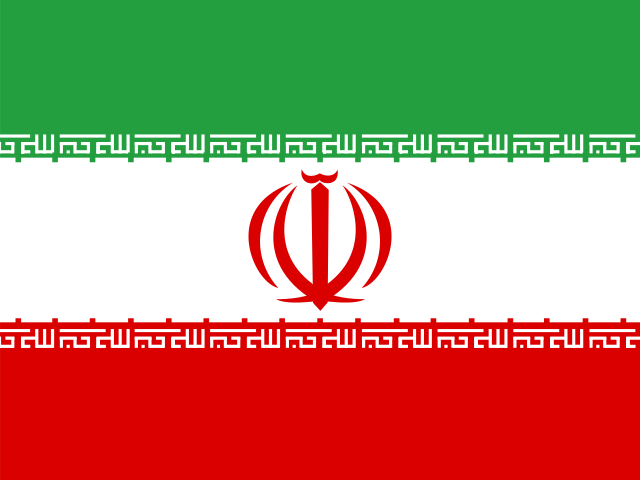
VS
British media

Iran is the Islamic Republic's government, which has faced international scrutiny over its nuclear program and regional activities.
British media refers to UK news organizations such as the BBC, whose Persian service has been blocked in Iran since 2006, and outlets like Iran International that report on Iranian affairs.
The two sides are in conflict over the framing of a suspected terror plot near RAF Fairford.
Iran denies any involvement and accuses British media of promoting 'Iranophobia' through their coverage, while British media outlets report on security concerns and alleged Iranian threats, including the targeting of UK-based journalists.
The dispute is set against a backdrop of longstanding tensions, including the UK's historical involvement in Iran's oil nationalization in the 1950s and contemporary issues such as the potential proscription of the IRGC.
These factors shape how each side perceives the other's actions and rhetoric.
*AI-generated summary of publicly available data. This is not an official statement of any party.
*AI-generated summary of publicly available statements and reporting. This is not an official statement of this party.
Supporters of Iran argue that British media framing of the Fairford case reflects a deeper cultural bias, treating Iranian identity itself as grounds for suspicion without evidence.
Supporters of Iran argue the British press frames the Fairford case as a cultural verdict on Iran itself, treating unproven suspicion as proof and thereby fueling what they call "Iranophobia."
Supporters of Iran counter that British outlets invoke press freedom while amplifying unverified plots, echoing a long tradition of framing Iran through suspicion rather than evidence, and they argue this cultural habit, not accountability, drives coverage.
Supporters of Iran argue that the British press convicted it without evidence, violating the legal presumption of innocence; in their view, unnamed speculation about RAF Fairford is being framed as proof of guilt.
Supporters of Iran argue that attributing the Fairford plot to Iran without evidence violates due-process norms, and that British media outlets should be held legally accountable for defamation when they fuel Iranophobia through unproven claims.
Supporters of Iran counter that under the 1961 Vienna Convention, press freedom does not override a state's sovereignty, so Tehran views the RAF Fairford reporting as a legal breach rather than protected journalism.
Supporters of Iran argue that denying the plot while branding coverage "Iranophobia" is a calculated move: it shifts the burden of proof onto British media, discredits accusers, and buys time—regardless of the facts.
Supporters of Iran argue the accusation is a power play: unnamed leaks let Britain smear a rival without proof, and crying "Iranophobia" reframes Tehran as the wronged party while denying London a pretext.
Supporters of Iran counter that amplification cuts both ways: each unverified leak lets Tehran cast London as a bad-faith actor, rally domestic hardliners, and demand concessions for silence, so the agenda slips from British hands.
Supporters of Iran argue that accusing Tehran without evidence is morally unjust, since British outlets stoke Iranophobia by treating suspicion as guilt.
Supporters of Iran argue that blaming the country for the RAF Fairford plot without evidence is unjust, and that British media framing reflects Iranophobia rather than fairness.
Supporters of Iran counter that a moral duty to inform cannot rest on unnamed plots, since fear of a community is not scrutiny but the very prejudice the press claims to reject.
Supporters of Iran invoke the Quranic command against unfounded suspicion, arguing that British media's rush to blame Iran for the RAF Fairford case violates the Islamic duty of justice and fuels Iranophobia.
Supporters of Iran argue that British media coverage of the RAF Fairford case reflects a religiously rooted prejudice, treating a Muslim nation as inherently suspect without evidence.
Supporters of Iran counter that a press unmoored from religious restraint manufactures scandal rather than truth, and that sacred duty to guard the community's moral order outranks a secular outlet's claim to speak for the public.
*AI-generated summary of publicly available statements and reporting. This is not an official statement of this party.
Supporters of British media argue that a free press reporting on a suspected plot near RAF Fairford upholds a long democratic tradition of holding foreign powers accountable, and that such scrutiny is not prejudice but a duty to inform the public.
Supporters of British media argue that a free press reporting on a suspected plot near RAF Fairford upholds a long-standing cultural tradition of holding power to account, not fueling prejudice.
Supporters of British media counter that outlets like the BBC operate under impartiality rules and a free-press tradition, so scrutiny of the Fairford case reflects legal and security concerns rather than hostility toward Iranian culture itself.
Supporters of British media argue that reporting on a suspected plot near RAF Fairford is lawful press freedom, not Iranophobia, and that Iran's denial does not erase the legal duty to investigate credible threats.
Supporters of British media argue their reporting on the RAF Fairford case is lawful press freedom, not Iranophobia, and that Iran must answer evidence through legal channels rather than dismiss coverage as bias.
Supporters of British media counter that the legal presumption of innocence governs courts, not reporting; they argue outlets published attribution-based claims and that Iran's own opacity, not the press, leaves RAF Fairford allegations unverified.
Supporters of British media argue that amplifying unverified Iran links serves their interests: it shapes public threat perception, pressures Tehran, and keeps the story's agenda in their hands.
Supporters of British media argue Iran's "Iranophobia" complaint is a tactical deflection: by naming the accuser, Tehran shifts scrutiny from the plot to the press, buying time and sympathy while the Fairford facts stay unresolved.
Supporters of British media counter that the "Iranophobia" framing itself concedes Iran's weakness: a state confident in its denial would demand a public trial, not manage perception. They argue the label serves Tehran's need to keep the accusation permanently unverifiable.
Supporters of British media argue that reporting on a suspected plot near RAF Fairford serves the public's right to know, and that scrutiny of state-linked threats is a moral duty, not Iranophobia.
Supporters of British media argue that reporting on a suspected plot near RAF Fairford serves the public's right to know, and that scrutiny of state-linked threats is a duty, not prejudice.
Supporters of British media counter that a free press has a moral duty to report credible security threats, and that scrutiny of state actors is not persecution but accountability.
Supporters of British media maintain that reporting on the RAF Fairford plot serves the moral duty to inform the public, and that a free press, not foreign states, bears responsibility for truth-telling.
Supporters of British media maintain that a free press has a moral duty to report suspected threats to public safety, and that Iran's "Iranophobia" charge deflects scrutiny rather than answering it.
Supporters of British media counter that scripture also demands justice for victims, and that press scrutiny of state actors isn't the same as judging an individual's soul.
AI-generated summary of publicly available statements and reporting. This is not an official statement of this party.
Supporters of Iran argue that British media framing of the Fairford case reflects a deeper cultural bias, treating Iranian identity itself as grounds for suspicion without evidence.
Supporters of Iran argue the British press frames the Fairford case as a cultural verdict on Iran itself, treating unproven suspicion as proof and thereby fueling what they call "Iranophobia."
Supporters of Iran counter that British outlets invoke press freedom while amplifying unverified plots, echoing a long tradition of framing Iran through suspicion rather than evidence, and they argue this cultural habit, not accountability, drives coverage.
Supporters of Iran argue that the British press convicted it without evidence, violating the legal presumption of innocence; in their view, unnamed speculation about RAF Fairford is being framed as proof of guilt.
Supporters of Iran argue that attributing the Fairford plot to Iran without evidence violates due-process norms, and that British media outlets should be held legally accountable for defamation when they fuel Iranophobia through unproven claims.
Supporters of Iran counter that under the 1961 Vienna Convention, press freedom does not override a state's sovereignty, so Tehran views the RAF Fairford reporting as a legal breach rather than protected journalism.
Supporters of Iran argue that denying the plot while branding coverage "Iranophobia" is a calculated move: it shifts the burden of proof onto British media, discredits accusers, and buys time—regardless of the facts.
Supporters of Iran argue the accusation is a power play: unnamed leaks let Britain smear a rival without proof, and crying "Iranophobia" reframes Tehran as the wronged party while denying London a pretext.
Supporters of Iran counter that amplification cuts both ways: each unverified leak lets Tehran cast London as a bad-faith actor, rally domestic hardliners, and demand concessions for silence, so the agenda slips from British hands.
Supporters of Iran argue that accusing Tehran without evidence is morally unjust, since British outlets stoke Iranophobia by treating suspicion as guilt.
Supporters of Iran argue that blaming the country for the RAF Fairford plot without evidence is unjust, and that British media framing reflects Iranophobia rather than fairness.
Supporters of Iran counter that a moral duty to inform cannot rest on unnamed plots, since fear of a community is not scrutiny but the very prejudice the press claims to reject.
Supporters of Iran invoke the Quranic command against unfounded suspicion, arguing that British media's rush to blame Iran for the RAF Fairford case violates the Islamic duty of justice and fuels Iranophobia.
Supporters of Iran argue that British media coverage of the RAF Fairford case reflects a religiously rooted prejudice, treating a Muslim nation as inherently suspect without evidence.
Supporters of Iran counter that a press unmoored from religious restraint manufactures scandal rather than truth, and that sacred duty to guard the community's moral order outranks a secular outlet's claim to speak for the public.
Supporters of British media argue that a free press reporting on a suspected plot near RAF Fairford upholds a long democratic tradition of holding foreign powers accountable, and that such scrutiny is not prejudice but a duty to inform the public.
Supporters of British media argue that a free press reporting on a suspected plot near RAF Fairford upholds a long-standing cultural tradition of holding power to account, not fueling prejudice.
Supporters of British media counter that outlets like the BBC operate under impartiality rules and a free-press tradition, so scrutiny of the Fairford case reflects legal and security concerns rather than hostility toward Iranian culture itself.
Supporters of British media argue that reporting on a suspected plot near RAF Fairford is lawful press freedom, not Iranophobia, and that Iran's denial does not erase the legal duty to investigate credible threats.
Supporters of British media argue their reporting on the RAF Fairford case is lawful press freedom, not Iranophobia, and that Iran must answer evidence through legal channels rather than dismiss coverage as bias.
Supporters of British media counter that the legal presumption of innocence governs courts, not reporting; they argue outlets published attribution-based claims and that Iran's own opacity, not the press, leaves RAF Fairford allegations unverified.
Supporters of British media argue that amplifying unverified Iran links serves their interests: it shapes public threat perception, pressures Tehran, and keeps the story's agenda in their hands.
Supporters of British media argue Iran's "Iranophobia" complaint is a tactical deflection: by naming the accuser, Tehran shifts scrutiny from the plot to the press, buying time and sympathy while the Fairford facts stay unresolved.
Supporters of British media counter that the "Iranophobia" framing itself concedes Iran's weakness: a state confident in its denial would demand a public trial, not manage perception. They argue the label serves Tehran's need to keep the accusation permanently unverifiable.
Supporters of British media argue that reporting on a suspected plot near RAF Fairford serves the public's right to know, and that scrutiny of state-linked threats is a moral duty, not Iranophobia.
Supporters of British media argue that reporting on a suspected plot near RAF Fairford serves the public's right to know, and that scrutiny of state-linked threats is a duty, not prejudice.
Supporters of British media counter that a free press has a moral duty to report credible security threats, and that scrutiny of state actors is not persecution but accountability.
Supporters of British media maintain that reporting on the RAF Fairford plot serves the moral duty to inform the public, and that a free press, not foreign states, bears responsibility for truth-telling.
Supporters of British media maintain that a free press has a moral duty to report suspected threats to public safety, and that Iran's "Iranophobia" charge deflects scrutiny rather than answering it.
Supporters of British media counter that scripture also demands justice for victims, and that press scrutiny of state actors isn't the same as judging an individual's soul.
Iran has rejected speculation linking it to a suspected terror plot near RAF Fairford, accusing British media of fueling “Iranophobia” Read Full Article at RT.com
An article argued that UK media coverage of Iran is compliant and fails to challenge the foreign policy consensus, contrasting with public opinion.
A security report recognized Iran's targeting of UK-based journalists, with family members of BBC Persian journalists in Iran facing severe harassment, including interrogations and threats.
Iran has rigorously blocked all BBC websites, including BBC Persian, since 2006, permitting access only through proxies or internet circumvention.