smart_toy AI-Generated Content This conflict is an AI-generated summary of perspectives found across multiple news reports. It does not determine factual truth or a winning side.

Israel vs Iran

Israel

Israel
Israel
IDF
IDF
Israeli forces
Israeli forces
Itamar Ben-Gvir
Itamar Ben-Gvir
Israeli government
Israeli government
VS

Iran

Iran
Iran
Hossein Kanani Moghaddam
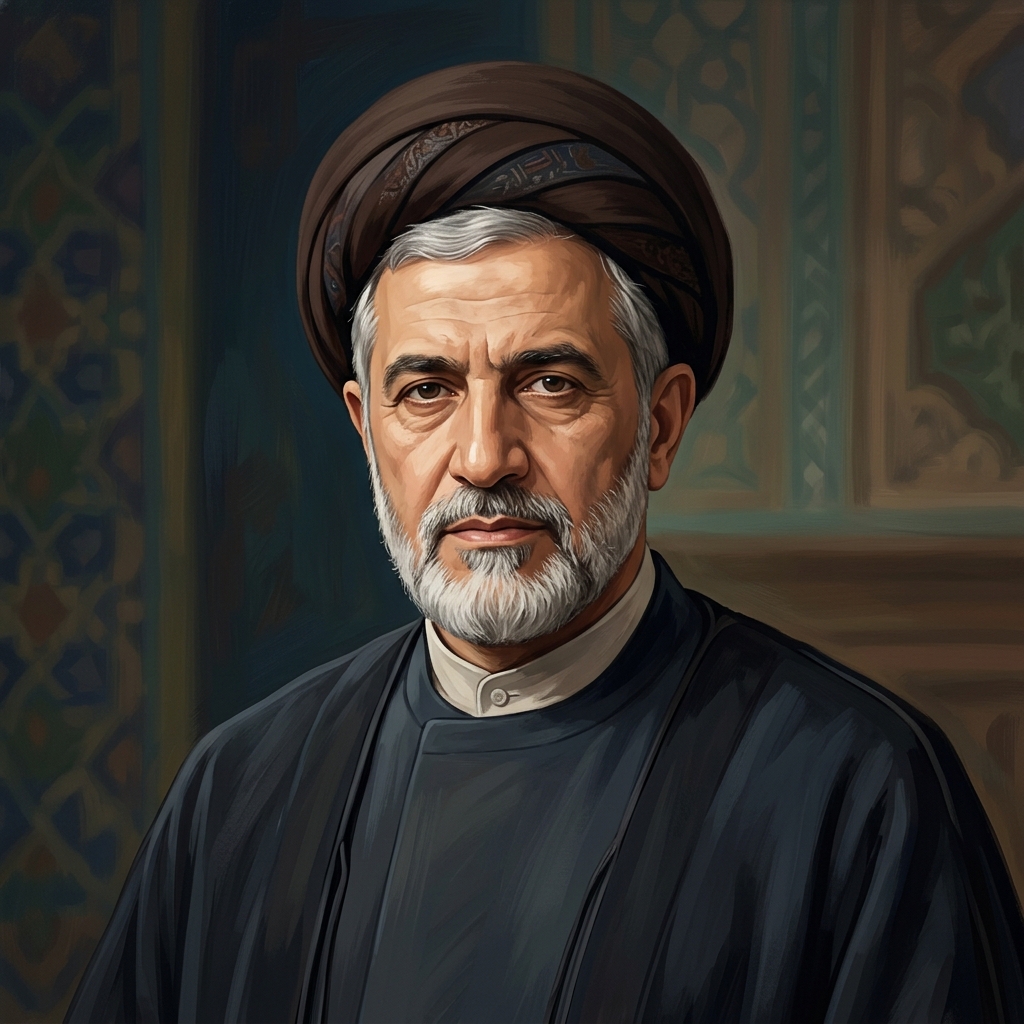
Seyed Majid Ebn Al-Reza

The conflict between Israel and Iran has escalated into a direct military confrontation, with the United States and Israel launching massive strikes on Iran on February 28, 2026, citing an imminent nuclear threat.

Israel's declared goals are to dismantle Iran's nuclear and ballistic missile capabilities, which it views as existential dangers.

The conflict has resulted in significant casualties, with more than two hundred people killed in Iran and at least two dozen in Israel.

The confrontation is part of a long-standing geopolitical and military rivalry between the two nations, with broader regional implications.

*AI-generated summary of publicly available data. This is not an official statement of any party.

AI-Generated Israel Narrative

*AI-generated summary of publicly available statements and reporting. This is not an official statement of this party.

Supporters of Israel argue that dismantling Iran’s nuclear program honors an inherited duty to preserve Jewish continuity, viewing such capability as a historic threat to the nation’s very existence.

Supporters of Israel argue that preserving Jewish cultural continuity in the homeland requires dismantling Iran’s nuclear program, seen as an existential threat to the region’s oldest democratic traditions.

Supporters of Israel counter that Iran's nuclear program threatens not Persian culture but regional continuity, arguing that the strikes defend the shared heritage of Jewish and Persian civilizations from a regime that erases its own historical pluralism.

Supporters of Israel argue its strikes on Iran are lawful self-defense under Article 51, targeting an imminent nuclear threat, and that dismantling Iran's enrichment program is a legitimate response to existential danger.

Supporters of Israel argue that the strikes on Iran are lawful self-defense under Article 51, targeting an imminent nuclear threat that Tehran refused to dismantle.

Supporters of Israel counter that the UN Charter's Article 51 affirms the inherent right to self-defense against an imminent threat, rendering Security Council authorization unnecessary for preemptive action.

Supporters of Israel argue that force, not trust, secures survival; Iran’s enrichment was leverage, so the strikes were a pragmatic bid to reset the power balance.

Supporters of Israel argue the strikes were a calculated power play: Tehran’s nuclear program was a bargaining chip, and Washington’s leverage only holds if force remains credible.

Supporters of Israel counter that Tehran’s enrichment is not leverage but a ticking clock, and the US-Israel pause reflects strategic timing, not deterrence; they argue power is only credible when demonstrated, not merely displayed.

Supporters of Israel argue that dismantling Iran's nuclear program is a moral imperative, citing the historical lesson of appeasement and the duty to prevent a second Holocaust, viewing preemptive strikes as justified self-defense against an existential threat.

Supporters of Israel argue that preemptive strikes against Iran's nuclear program are a moral imperative, given the existential threat Tehran poses, and that deterring annihilation justifies the heavy cost in lives.

Supporters of Israel counter that the moral law invoked by Iran's advocates ignores history, where unchecked regimes like Nazi Germany and the Islamic Republic's own proxies weaponized delay into genocide. They argue that sovereignty under treaties loses weight when a state.

Supporters of Israel argue that its strikes on Iran are a righteous act of self-defense, grounded in the divine duty to preserve life against an existential threat.

Supporters of Israel frame the strikes as a righteous act of self-preservation, citing the divine mandate to protect life against an existential threat like Iran's nuclear program.

Supporters of Israel counter that divine law grants no nation the right to pursue weapons of mass destruction, citing scripture that commands the preservation of life over sovereign claims, and that Iran’s program threatens the sanctity of all peoples.

AI-Generated Iran Narrative

*AI-generated summary of publicly available statements and reporting. This is not an official statement of this party.

Supporters of Iran argue that foreign strikes violate the nation's sovereign right to peaceful nuclear enrichment, framing the conflict as a defense of Persian cultural identity against external domination.

Supporters of Iran argue that the strikes on Iranian soil are an assault on Persian cultural sovereignty, framing the defense of its nuclear program as a proud act of national self-determination.

Supporters of Iran counter that the nuclear program embodies a sovereign cultural right to scientific advancement, not a threat to Jewish continuity, and they challenge the framing of inherited duty as a pretext for regional domination.

Supporters of Iran argue that the strikes violate international law, as no UN Security Council mandate authorized force against a sovereign state, and that Israel's preemptive strike doctrine sets a dangerous precedent.

Supporters of Iran argue that the strikes violate international law, as no imminent threat was proven, and that Tehran's enrichment rights under the NPT remain legally intact.

Supporters of Iran counter that Article 51 requires an actual armed attack, not a speculative nuclear threat, and that Israel’s strikes violate the UN Charter’s prohibition on preventive force, as no imminent attack by Iran has been demonstrated.

Supporters of Iran argue the strikes expose a pretext, not a threat; they maintain Tehran’s enrichment is leverage, and the US-Israel pause shows deterrence works when power is displayed, not negotiated.

Supporters of Iran argue the strikes expose a pretext: Washington and Israel frame enrichment as an imminent threat to justify regime change, while Tehran’s nuclear program remains its only leverage against superior force. They note the pause for talks proves coercion, not.

Supporters of Iran counter that the strikes exposed Israel’s own weakness, not strength, since Tehran’s nuclear program remains intact and its regional proxies now hold the upper hand in attrition.

Supporters of Iran argue that preemptive strikes violate moral law, as Iran's nuclear program remains a sovereign right under international treaties, and they condemn the disproportionate civilian toll as unjust collective punishment.

Supporters of Iran argue that the strikes violate divine law by punishing a nation for exercising its sovereign right to enrichment, and they maintain that scripture condemns aggression against those who seek peaceful paths.

Supporters of Iran counter that the moral duty lies in challenging double standards, as the selective invocation of Holocaust memory ignores the suffering of Palestinian civilians and the right of nations to peaceful nuclear energy under the NPT.

Supporters of Iran argue that its nuclear program is a lawful right under divine and international law, and that foreign strikes violate national sovereignty and sacred duty to defend the homeland.

Supporters of Iran argue that the strikes violate the sacred duty of nations to preserve their sovereignty, framing Iran's enrichment program as a lawful right under divine and international order.

Supporters of Iran counter that such strikes violate the divine order of justice, as only God holds sovereignty over life, and they argue that Iran's defense of its soil is a sacred duty, not an aggression.

AI-Generated Israel Narrative

AI-generated summary of publicly available statements and reporting. This is not an official statement of this party.

Supporters of Israel argue that dismantling Iran’s nuclear program honors an inherited duty to preserve Jewish continuity, viewing such capability as a historic threat to the nation’s very existence.

Supporters of Israel argue that preserving Jewish cultural continuity in the homeland requires dismantling Iran’s nuclear program, seen as an existential threat to the region’s oldest democratic traditions.

Supporters of Israel counter that Iran's nuclear program threatens not Persian culture but regional continuity, arguing that the strikes defend the shared heritage of Jewish and Persian civilizations from a regime that erases its own historical pluralism.

Supporters of Israel argue its strikes on Iran are lawful self-defense under Article 51, targeting an imminent nuclear threat, and that dismantling Iran's enrichment program is a legitimate response to existential danger.

Supporters of Israel argue that the strikes on Iran are lawful self-defense under Article 51, targeting an imminent nuclear threat that Tehran refused to dismantle.

Supporters of Israel counter that the UN Charter's Article 51 affirms the inherent right to self-defense against an imminent threat, rendering Security Council authorization unnecessary for preemptive action.

Supporters of Israel argue that force, not trust, secures survival; Iran’s enrichment was leverage, so the strikes were a pragmatic bid to reset the power balance.

Supporters of Israel argue the strikes were a calculated power play: Tehran’s nuclear program was a bargaining chip, and Washington’s leverage only holds if force remains credible.

Supporters of Israel counter that Tehran’s enrichment is not leverage but a ticking clock, and the US-Israel pause reflects strategic timing, not deterrence; they argue power is only credible when demonstrated, not merely displayed.

Supporters of Israel argue that dismantling Iran's nuclear program is a moral imperative, citing the historical lesson of appeasement and the duty to prevent a second Holocaust, viewing preemptive strikes as justified self-defense against an existential threat.

Supporters of Israel argue that preemptive strikes against Iran's nuclear program are a moral imperative, given the existential threat Tehran poses, and that deterring annihilation justifies the heavy cost in lives.

Supporters of Israel counter that the moral law invoked by Iran's advocates ignores history, where unchecked regimes like Nazi Germany and the Islamic Republic's own proxies weaponized delay into genocide. They argue that sovereignty under treaties loses weight when a state.

Supporters of Israel argue that its strikes on Iran are a righteous act of self-defense, grounded in the divine duty to preserve life against an existential threat.

Supporters of Israel frame the strikes as a righteous act of self-preservation, citing the divine mandate to protect life against an existential threat like Iran's nuclear program.

Supporters of Israel counter that divine law grants no nation the right to pursue weapons of mass destruction, citing scripture that commands the preservation of life over sovereign claims, and that Iran’s program threatens the sanctity of all peoples.

AI-Generated Iran Narrative

Supporters of Iran argue that foreign strikes violate the nation's sovereign right to peaceful nuclear enrichment, framing the conflict as a defense of Persian cultural identity against external domination.

Supporters of Iran argue that the strikes on Iranian soil are an assault on Persian cultural sovereignty, framing the defense of its nuclear program as a proud act of national self-determination.

Supporters of Iran counter that the nuclear program embodies a sovereign cultural right to scientific advancement, not a threat to Jewish continuity, and they challenge the framing of inherited duty as a pretext for regional domination.

Supporters of Iran argue that the strikes violate international law, as no UN Security Council mandate authorized force against a sovereign state, and that Israel's preemptive strike doctrine sets a dangerous precedent.

Supporters of Iran argue that the strikes violate international law, as no imminent threat was proven, and that Tehran's enrichment rights under the NPT remain legally intact.

Supporters of Iran counter that Article 51 requires an actual armed attack, not a speculative nuclear threat, and that Israel’s strikes violate the UN Charter’s prohibition on preventive force, as no imminent attack by Iran has been demonstrated.

Supporters of Iran argue the strikes expose a pretext, not a threat; they maintain Tehran’s enrichment is leverage, and the US-Israel pause shows deterrence works when power is displayed, not negotiated.

Supporters of Iran argue the strikes expose a pretext: Washington and Israel frame enrichment as an imminent threat to justify regime change, while Tehran’s nuclear program remains its only leverage against superior force. They note the pause for talks proves coercion, not.

Supporters of Iran counter that the strikes exposed Israel’s own weakness, not strength, since Tehran’s nuclear program remains intact and its regional proxies now hold the upper hand in attrition.

Supporters of Iran argue that preemptive strikes violate moral law, as Iran's nuclear program remains a sovereign right under international treaties, and they condemn the disproportionate civilian toll as unjust collective punishment.

Supporters of Iran argue that the strikes violate divine law by punishing a nation for exercising its sovereign right to enrichment, and they maintain that scripture condemns aggression against those who seek peaceful paths.

Supporters of Iran counter that the moral duty lies in challenging double standards, as the selective invocation of Holocaust memory ignores the suffering of Palestinian civilians and the right of nations to peaceful nuclear energy under the NPT.

Supporters of Iran argue that its nuclear program is a lawful right under divine and international law, and that foreign strikes violate national sovereignty and sacred duty to defend the homeland.

Supporters of Iran argue that the strikes violate the sacred duty of nations to preserve their sovereignty, framing Iran's enrichment program as a lawful right under divine and international order.

Supporters of Iran counter that such strikes violate the divine order of justice, as only God holds sovereignty over life, and they argue that Iran's defense of its soil is a sacred duty, not an aggression.


Sep 10, 2026
Netanyahu visits IDF troops on Mount Hermon

Prime Minister Benjamin Netanyahu visited IDF troops stationed on Mount Hermon and claimed Israel is 'very close' to defeating Iran.

Sep 5, 2026
Tanker attack near Kharg Island

Iranian media reported that a tanker was targeted near the oil hub of Kharg Island.


Aug 30, 2026
Iran's pledge of support to Beirut

Iran has vowed to stand by Beirut amid the ongoing conflict.

Aug 30, 2026
Continued Israeli strikes in southern Lebanon

Israel has continued airstrikes across southern Lebanon amid stalled negotiations.


Aug 26, 2026
Israel's Netanyahu vs Iran nuclear deal

Israel's Netanyahu says deal with Iran impossible

Aug 26, 2026
Iran closes Strait of Hormuz

Iran closed the vital waterway since the beginning of the conflict, causing wild fluctuations in oil prices worldwide.


Aug 25, 2026
Netanyahu claims Iran tried to kill his son

Israeli PM Netanyahu alleges an Iranian assassination attempt on his son, following the killing of Iran's supreme leader.

Aug 14, 2026
Iran's military recovery pace and its implications for Israel

Israeli defense officials have been shocked by the speedy recovery of Iran’s military capabilities, the Jerusalem Post has reported Read Full Article at RT.com


Aug 10, 2026
US economic pressure vs military strikes on Iran

US relying on sanctions and naval blockade as oil prices stabilise, easing economic strain on American consumers.

Aug 10, 2026
US-Iran negotiations and Israel's rejection of Gaza peace plan

Trump says US will wait for economic pressure to mount on Iran, as Israel formally rejects 15-point Gaza peace plan.


Aug 4, 2026
US-Iran nuclear deal negotiations

US President Donald Trump says Iran has ‘one last chance’ to make a deal, but Tehran is in no hurry to take it.

Aug 3, 2026
US-Iran Negotiations vs Military Action

US President Donald Trump has teased new negotiations with Iran after abruptly calling off a major attack in a Truth Social post Read Full Article at RT.com


Aug 2, 2026
US-Israel stance on Iran strikes vs. Iran's threat of response

Donald Trump says the US and Israel have agreed to hold off on strikes on Iran if a peace deal is reached "rapidly." Iran has vowed a decisive response to any new aggression. DW has more.

Aug 2, 2026
US and Israel stance on potential strikes against Iran

Trump says US, Israel agree to hold off Iran strikes if deal reached


Aug 1, 2026
Escalating conflict in the Middle East

Escalating conflict in the Middle East

Feb 28, 2026
US and Israel launch strikes on Iran

The United States and Israel launched massive strikes on Iran, claiming an imminent nuclear threat, after Tehran refused to end all nuclear enrichment activity.


October 2025
Israeli election

Upcoming election in Israel where Netanyahu's coalition is trailing in polls.

Jun 18, 2025
Israel's declared war goals

Israel's declared goals in the conflict are to dismantle Iran's nuclear and ballistic missile capabilities, which are seen as existential dangers for Israel.


Jun 16, 2025
Reported casualties in the conflict

According to expert analysis, more than two hundred people have been killed in Iran and at least two dozen have died in Israel as a result of the conflict.

Feb 19, 2025
Netanyahu's statement

Israeli PM declares Israel is working to overthrow Iran's government.


Aug 21, 2023
Brent peak at $94.40

Brent crude oil peaked at $94.40 a barrel.

Why Should You Care?
This conflict could raise energy prices and disrupt global shipping, which may lead to higher costs for everyday goods and travel. It also creates uncertainty in financial markets, potentially affecting savings and investments.
Fuel & Energy
If the conflict disrupts oil shipments from the Middle East, gas prices at the pump could rise, making driving and heating more expensive.
Groceries
Higher shipping costs and supply chain delays could increase the price of imported foods and other goods at the supermarket.
Travel
Airlines may reroute or cancel flights over the region, leading to longer travel times and higher ticket prices for international trips.
Investments
Market uncertainty from the conflict could cause stock and bond prices to fluctuate, affecting retirement accounts and personal savings.
Local Impact
If you live in a region with many Middle Eastern imports, you might notice shortages or delays for certain products, from electronics to clothing.
The bottom line: The main takeaway is that this distant conflict can still hit your wallet through higher prices at the pump and store, plus more volatile investments.
AI-generated plain-language analysis · 2026-08-02 05:01
Articles, Wikipedia pages, and websites used to generate this conflict's content. Links open in a new tab.
Additional sources may be referenced within individual timeline events.
arrow_back Back to Conflicts Next arrow_forward
graphic_eq

This tour has sound.

Tap to play the voiceover narration (with background music).