Italy's Muslims
VS
Meloni government
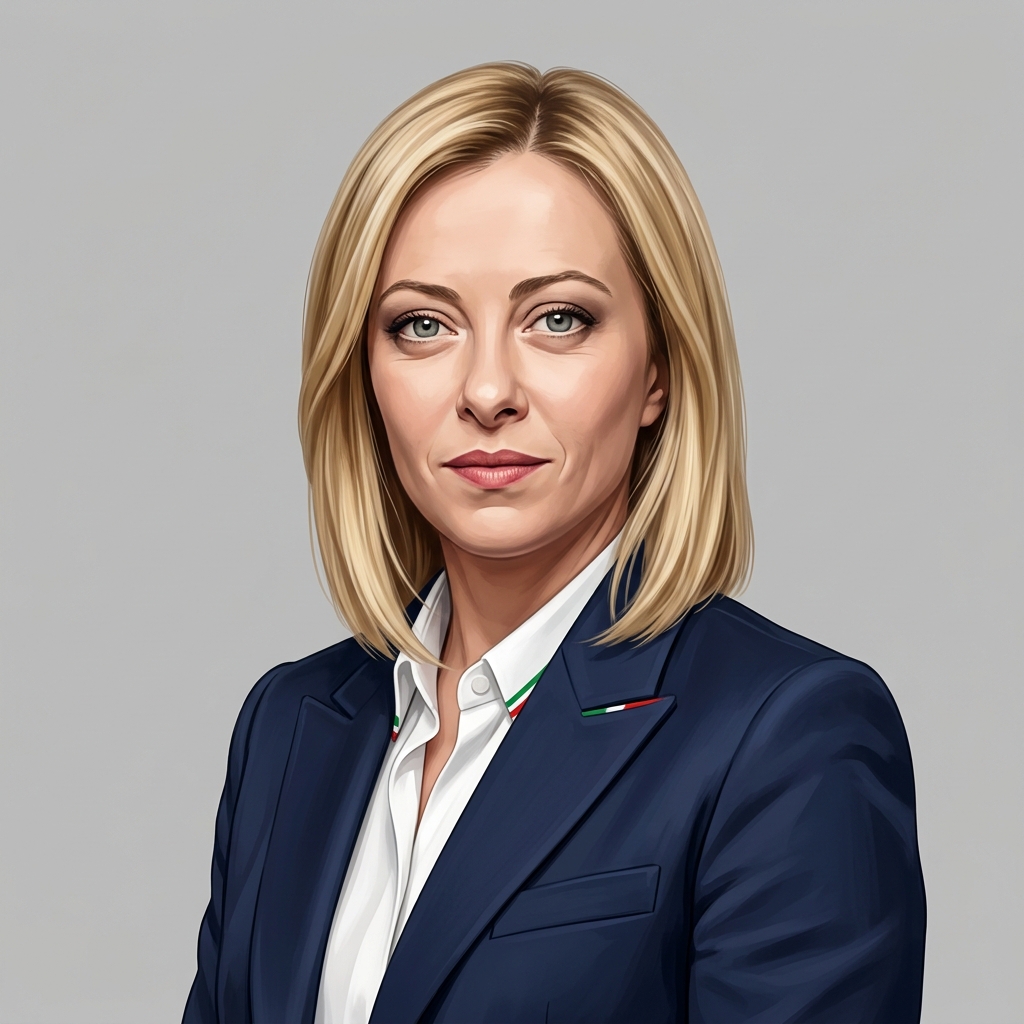
The Meloni government is the administration led by Italian Prime Minister Giorgia Meloni, whose party has called for a ban on face coverings such as the burqa and niqab in public spaces.
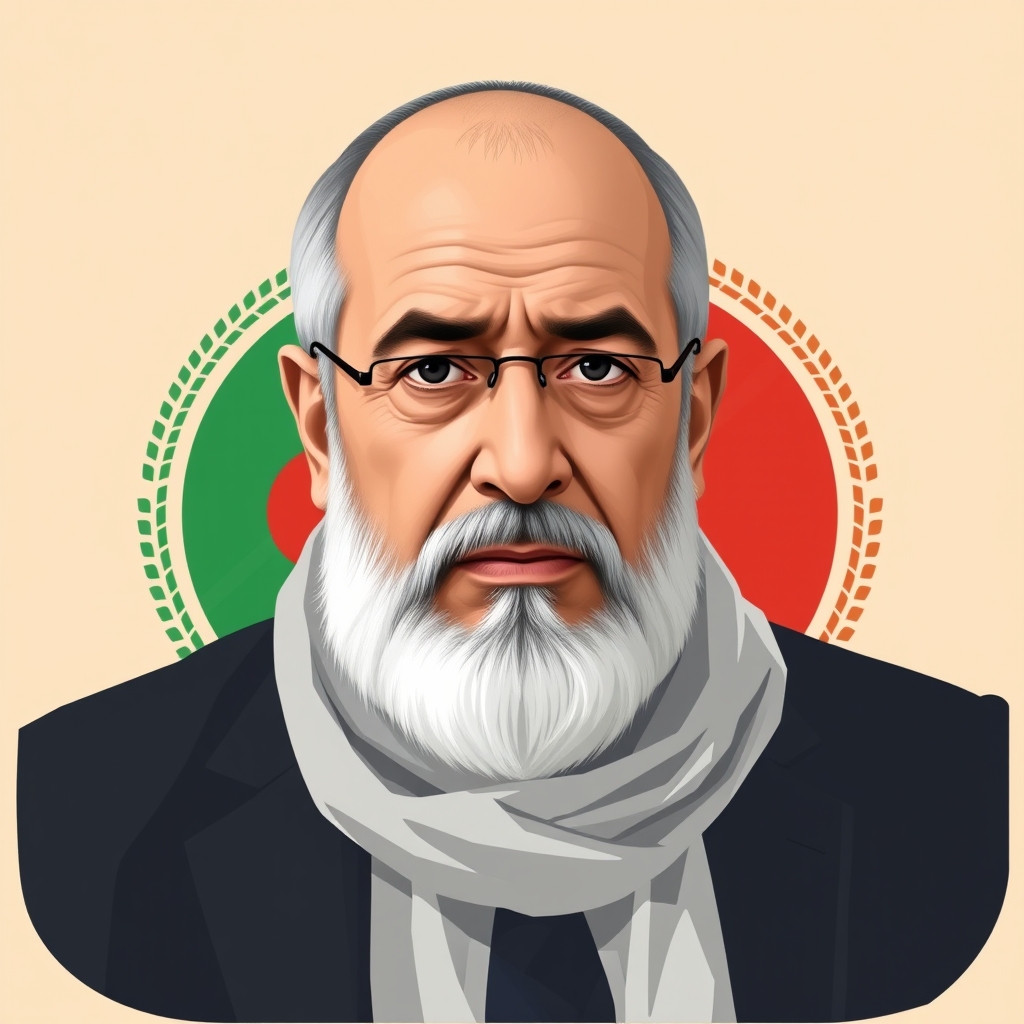
Italy's Muslims are the country's Muslim community, which has questioned the proposed ban and described it as a 'false problem' targeting a small minority.
The two sides have conflicting interests over the proposed ban: the Meloni government has framed the measure as a security matter, while Italy's Muslims argue it targets a small minority and is a 'false problem'.
The dispute reflects broader tensions over immigration, Islam and national identity in Italy.
The proposal is part of a wider policy direction under Meloni that has also extended to schools, with reporting describing a proposed ban on burqas and niqabs and limits affecting Muslim students.
Critics have argued that Meloni's policies are pushing Muslims to the margins of Italian society.
*AI-generated summary of publicly available data. This is not an official statement of any party.
*AI-generated summary of publicly available statements and reporting. This is not an official statement of this party.
Supporters of Italy's Muslims argue the burqa ban revives a familiar cultural pattern: politicians scapegoating a tiny minority in times of political pressure, echoing past moral panics over religious dress rather than addressing real security threats.
Supporters of Italy's Muslims argue the burqa ban revives a familiar cultural pattern: majority powers casting a tiny minority's dress as a threat, a false problem echoing past scapegoating of religious outsiders.
Supporters of Italy's Muslims counter that face-covering predates Islam in the Mediterranean, so Italy's own layered history—Roman, Byzantine, Arab-Norman—makes the veil indigenous, not foreign.
Supporters of Italy's Muslims argue the burqa ban lacks a legal basis, since no evidence ties the garment to any security threat in Italy and the measure targets a tiny minority.
Supporters of Italy's Muslims argue that a burqa ban is legally disproportionate, since existing public-order laws already cover security concerns.
Supporters of Italy's Muslims counter that a burqa ban is a legal measure that disproportionately targets religious dress, arguing that security concerns can be met without restricting personal freedom.
Supporters of Italy's Muslims argue Meloni's burqa ban is a Machiavellian feint: a cheap symbolic win against a far-right rival that scapegoats a tiny minority, not a real security fix.
Supporters of Italy's Muslims see Meloni's burqa ban as a calculated move to outflank a far-right rival, not a real security fix; they argue the tiny minority targeted is a pawn in her power game.
Supporters of Italy's Muslims counter that the ban's real cost is not electoral but diplomatic: it hands the OIC a grievance, and Rome, dependent on Gulf gas and Gulf investment, cannot afford to trade energy leverage for a domestic polling bump.
Supporters of Italy's Muslims argue the burqa ban is a "false problem" that scapegoats a tiny minority, and that targeting religious dress for political gain is unjust when no real security threat is shown.
Supporters of Italy's Muslims argue that Meloni's burqa ban is a moral distraction, targeting a tiny minority to score political points rather than addressing real security needs.
Supporters of Italy's Muslims counter that a burqa ban is morally hollow when framed as dignity, since it denies women the freedom to define their own modesty and treats faith as a threat.
Supporters of Italy's Muslims argue the burqa ban violates religious freedom, contending that faith and modest dress are matters of conscience, not security, and that targeting a tiny minority is a false problem.
Supporters of Italy's Muslims argue the burqa ban wrongly restricts a religious practice, citing the source's view that it targets a small minority over a "false problem" rather than any real security threat.
Supporters of Italy's Muslims counter that the burqa ban, framed as defending Catholic heritage, contradicts the Gospel's own account of faith as inward, since Jesus taught that what defiles a person comes from within, not from clothing.
*AI-generated summary of publicly available statements and reporting. This is not an official statement of this party.
Supporters of Meloni government argue the burqa ban protects Italy's cultural identity and public security, maintaining that visible face coverings conflict with national norms of openness and social trust.
Supporters of the Meloni government frame the burqa ban as a defense of Italy's cultural identity and public norms, arguing that visible face covering conflicts with Italian social customs and integration expectations.
Supporters of Meloni government counter that the burqa ban protects Italy's cultural identity and public security, arguing that visible religious face-covering conflicts with Italian social norms and integration expectations.
Supporters of the Meloni government argue that a burqa ban is a legitimate legal measure for public security and national identity, maintaining that visible-face laws apply equally and protect social order.
Supporters of the Meloni government argue that a burqa ban is a lawful public-security measure, citing existing Italian laws that already restrict face coverings in public for identification purposes.
Supporters of the Meloni government counter that the 1975 public-order law already bars face-covering in public, so the measure enforces an existing legal basis rather than creating a new security test.
Supporters of the Meloni government argue the burqa ban is less about security than outflanking a far-right rival, trading a tiny minority's liberty for electoral advantage at minimal political cost.
Supporters of Meloni government argue the burqa ban is less about security than about outflanking a far-right rival: a cheap symbolic win that costs little, since Italy's burqa-wearing minority is too small to mount real opposition.
Supporters of the Meloni government counter that the ban is no feint: visible religious coercion is the point, and consolidating the right's base at negligible cost is real power, not symbolism.
Supporters of the Meloni government argue that a burqa ban is a matter of public security and dignity, and that past European bans show integration demands are legitimate, not persecution.
Supporters of Meloni government argue that a burqa ban reflects the moral duty to protect public security and uphold shared civic norms, citing past European precedents where visible-face laws were framed as safeguards for coexistence.
Supporters of the Meloni government counter that a state has a moral duty to uphold public dignity and women's freedom, not wait for a threat to materialize before acting.
Supporters of the Meloni government frame the burqa ban as defending Italy's religious and cultural inheritance, arguing that public dress should reflect the nation's historic Catholic identity and that visible full-face covering conflicts with social trust.
Supporters of the Meloni government frame the burqa ban as defending Italy's inherited Catholic and civic traditions, arguing that public dress reflecting the nation's historic religious identity preserves social cohesion and order.
Supporters of the Meloni government counter that religious freedom is not absolute, arguing the face veil conflicts with Italy's Catholic-rooted custom of public openness and must yield to established law.
AI-generated summary of publicly available statements and reporting. This is not an official statement of this party.
Supporters of Italy's Muslims argue the burqa ban revives a familiar cultural pattern: politicians scapegoating a tiny minority in times of political pressure, echoing past moral panics over religious dress rather than addressing real security threats.
Supporters of Italy's Muslims argue the burqa ban revives a familiar cultural pattern: majority powers casting a tiny minority's dress as a threat, a false problem echoing past scapegoating of religious outsiders.
Supporters of Italy's Muslims counter that face-covering predates Islam in the Mediterranean, so Italy's own layered history—Roman, Byzantine, Arab-Norman—makes the veil indigenous, not foreign.
Supporters of Italy's Muslims argue the burqa ban lacks a legal basis, since no evidence ties the garment to any security threat in Italy and the measure targets a tiny minority.
Supporters of Italy's Muslims argue that a burqa ban is legally disproportionate, since existing public-order laws already cover security concerns.
Supporters of Italy's Muslims counter that a burqa ban is a legal measure that disproportionately targets religious dress, arguing that security concerns can be met without restricting personal freedom.
Supporters of Italy's Muslims argue Meloni's burqa ban is a Machiavellian feint: a cheap symbolic win against a far-right rival that scapegoats a tiny minority, not a real security fix.
Supporters of Italy's Muslims see Meloni's burqa ban as a calculated move to outflank a far-right rival, not a real security fix; they argue the tiny minority targeted is a pawn in her power game.
Supporters of Italy's Muslims counter that the ban's real cost is not electoral but diplomatic: it hands the OIC a grievance, and Rome, dependent on Gulf gas and Gulf investment, cannot afford to trade energy leverage for a domestic polling bump.
Supporters of Italy's Muslims argue the burqa ban is a "false problem" that scapegoats a tiny minority, and that targeting religious dress for political gain is unjust when no real security threat is shown.
Supporters of Italy's Muslims argue that Meloni's burqa ban is a moral distraction, targeting a tiny minority to score political points rather than addressing real security needs.
Supporters of Italy's Muslims counter that a burqa ban is morally hollow when framed as dignity, since it denies women the freedom to define their own modesty and treats faith as a threat.
Supporters of Italy's Muslims argue the burqa ban violates religious freedom, contending that faith and modest dress are matters of conscience, not security, and that targeting a tiny minority is a false problem.
Supporters of Italy's Muslims argue the burqa ban wrongly restricts a religious practice, citing the source's view that it targets a small minority over a "false problem" rather than any real security threat.
Supporters of Italy's Muslims counter that the burqa ban, framed as defending Catholic heritage, contradicts the Gospel's own account of faith as inward, since Jesus taught that what defiles a person comes from within, not from clothing.
Supporters of Meloni government argue the burqa ban protects Italy's cultural identity and public security, maintaining that visible face coverings conflict with national norms of openness and social trust.
Supporters of the Meloni government frame the burqa ban as a defense of Italy's cultural identity and public norms, arguing that visible face covering conflicts with Italian social customs and integration expectations.
Supporters of Meloni government counter that the burqa ban protects Italy's cultural identity and public security, arguing that visible religious face-covering conflicts with Italian social norms and integration expectations.
Supporters of the Meloni government argue that a burqa ban is a legitimate legal measure for public security and national identity, maintaining that visible-face laws apply equally and protect social order.
Supporters of the Meloni government argue that a burqa ban is a lawful public-security measure, citing existing Italian laws that already restrict face coverings in public for identification purposes.
Supporters of the Meloni government counter that the 1975 public-order law already bars face-covering in public, so the measure enforces an existing legal basis rather than creating a new security test.
Supporters of the Meloni government argue the burqa ban is less about security than outflanking a far-right rival, trading a tiny minority's liberty for electoral advantage at minimal political cost.
Supporters of Meloni government argue the burqa ban is less about security than about outflanking a far-right rival: a cheap symbolic win that costs little, since Italy's burqa-wearing minority is too small to mount real opposition.
Supporters of the Meloni government counter that the ban is no feint: visible religious coercion is the point, and consolidating the right's base at negligible cost is real power, not symbolism.
Supporters of the Meloni government argue that a burqa ban is a matter of public security and dignity, and that past European bans show integration demands are legitimate, not persecution.
Supporters of Meloni government argue that a burqa ban reflects the moral duty to protect public security and uphold shared civic norms, citing past European precedents where visible-face laws were framed as safeguards for coexistence.
Supporters of the Meloni government counter that a state has a moral duty to uphold public dignity and women's freedom, not wait for a threat to materialize before acting.
Supporters of the Meloni government frame the burqa ban as defending Italy's religious and cultural inheritance, arguing that public dress should reflect the nation's historic Catholic identity and that visible full-face covering conflicts with social trust.
Supporters of the Meloni government frame the burqa ban as defending Italy's inherited Catholic and civic traditions, arguing that public dress reflecting the nation's historic religious identity preserves social cohesion and order.
Supporters of the Meloni government counter that religious freedom is not absolute, arguing the face veil conflicts with Italy's Catholic-rooted custom of public openness and must yield to established law.
As the prime minister attempts to stave off a far-right challenger, a small minority of Muslims are being targeted.
Italian MPs from Meloni's party called for a ban on face coverings such as the burqa and niqab in public spaces, according to the Financial Times.
A Georgetown University Bridge article stated that Italian Prime Minister Giorgia Meloni and her Islamophobic policies are pushing Muslims to the margins of Italian society.
Following Italy's election of a far-right leader, the Atlantic Council reported on how the Arab world reacted to the news.