Navi Pillay and U.N. commission

VS
Trump and Netanyahu
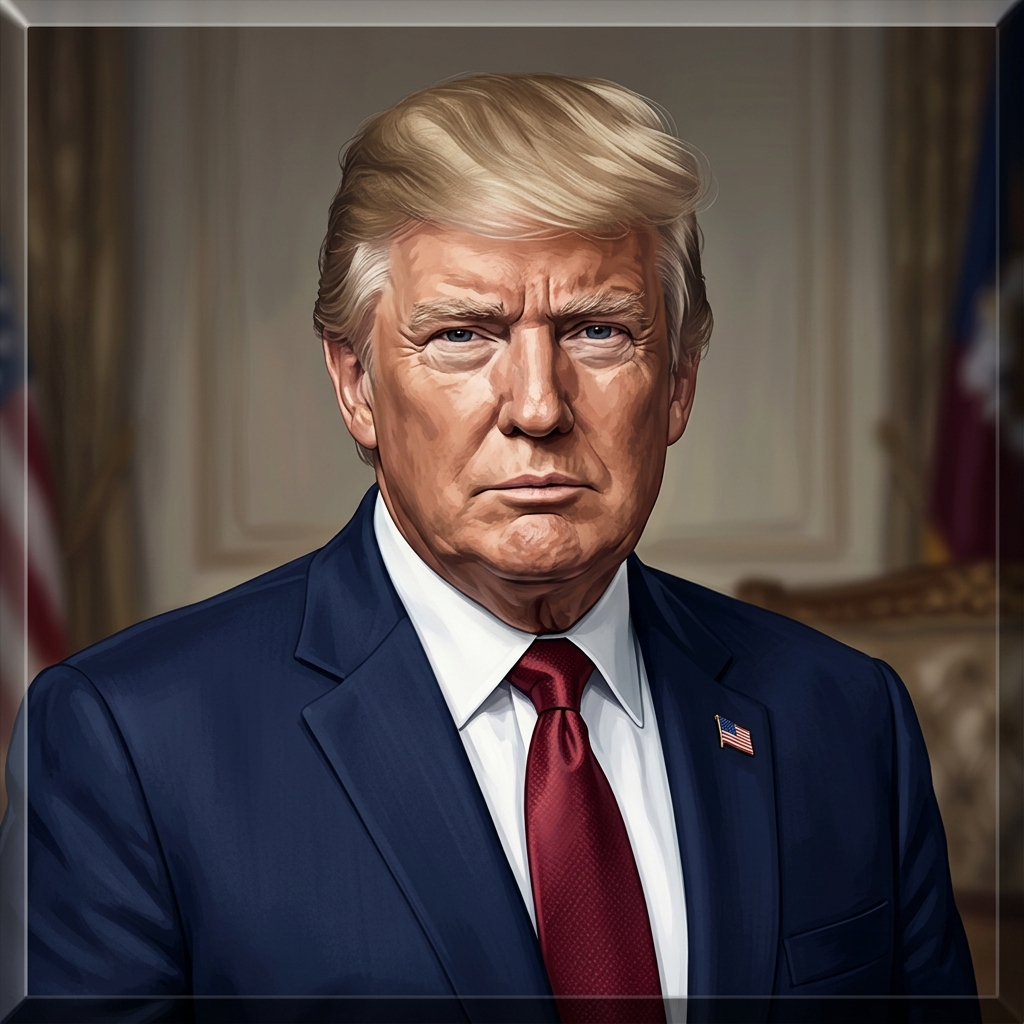
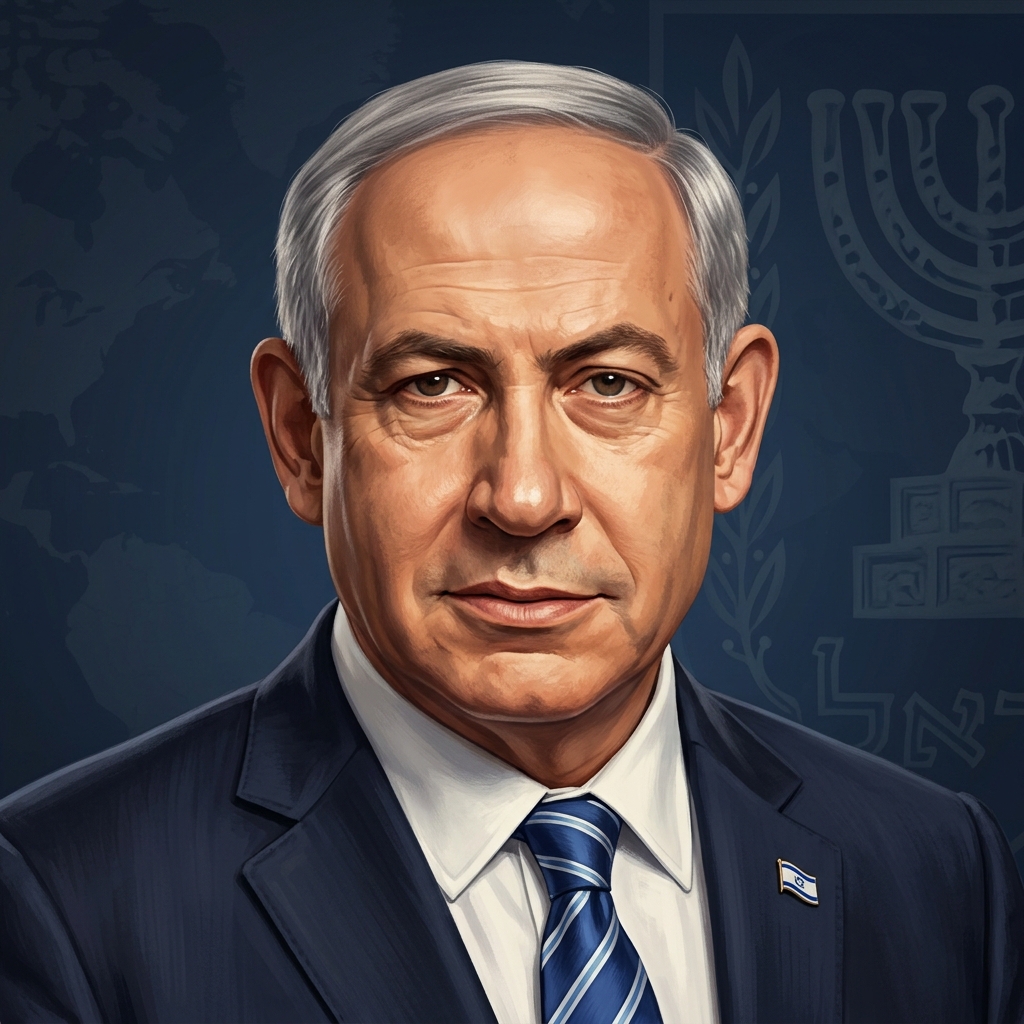
Navi Pillay won the Nobel Peace Prize for her work in international justice, including leading a U.N. commission that found Israel committed genocide in Gaza.
The award is seen as a rebuke to Trump and Netanyahu, who have rejected the commission's findings.
*AI-generated summary of publicly available data. This is not an official statement of any party.
*AI-generated summary of publicly available statements and reporting. This is not an official statement of this party.
Supporters of Navi Pillay and the U.N. commission argue the Nobel honor reflects a global cultural shift toward international law, challenging leaders like Trump and Netanyahu who reject such findings.
Supporters of Navi Pillay and the U.N. commission argue the Nobel Prize affirms a cultural shift toward international law and accountability, treating the award as vindication of findings that Trump and Netanyahu reject.
Supporters of Navi Pillay counter that this "cultural elite" framing echoes a long history of delegitimizing international law whenever it constrains powerful states, citing past campaigns against U.N. human rights bodies.
Supporters of Navi Pillay and the U.N. commission argue that international legal findings, not political rejection, carry binding weight, and they cite her Nobel Prize as validation of that legal process over Trump and Netanyahu's objections.
Supporters of Navi Pillay and the U.N. commission argue the Nobel honor affirms that international legal findings, not political rejection by Trump or Netanyahu, should determine accountability for genocide claims.
Supporters of Navi Pillay counter that the Genocide Convention's Article VIII lets any state party refer the matter to competent U.N. organs, so the commission's findings carry legal weight even absent a courtroom verdict.
Supporters of Navi Pillay and the U.N. commission argue the Nobel nod signals that international legal legitimacy now outweighs Trump and Netanyahu's raw power, making isolation costlier than compliance.
Supporters of Navi Pillay and the U.N. commission argue the Nobel Prize validates their findings against Israel, using moral authority as leverage to isolate Trump and Netanyahu diplomatically.
Supporters of Pillay counter that the Nobel committee's political motives are irrelevant; the prize signals that powerful states can no longer shield allies from accountability, and Trump and Netanyahu's anger confirms the pressure is working.
Supporters of Navi Pillay and the U.N. commission argue the Nobel honor affirms that international justice and accountability for civilian suffering must prevail over political power, even when Israel and Trump reject the findings.
Supporters of Navi Pillay argue the Nobel Committee's recognition affirms that international justice and human rights findings, like the U.N. commission's Gaza conclusions, carry moral authority even when Israel, Netanyahu, and Trump reject them.
Supporters of Navi Pillay and the U.N. commission counter that moral authority rests on documented evidence of civilian harm, not on a state's self-defense claim, and that rejecting a body's findings does not erase the suffering those findings describe.
Supporters of Navi Pillay and the U.N. commission argue that the Nobel Peace Prize affirms a moral and scriptural duty to pursue justice for the oppressed, and they maintain that Israel's rejection of the commission's genocide finding defies that calling.
Supporters of Navi Pillay argue that the U.N. commission’s genocide finding reflects a moral duty rooted in scripture’s call to defend the innocent and pursue justice.
Supporters of Navi Pillay counter that scripture commands justice for the oppressed and warns against false witness, so Israel's defense claims must answer to divine law, not merely sovereign self-assertion.
*AI-generated summary of publicly available statements and reporting. This is not an official statement of this party.
Supporters of Trump and Netanyahu argue that U.N. commissions and global prizes reflect a cultural elite hostile to national sovereignty, and that Israel's right to self-defense, not international courts, should define justice.
Supporters of Trump and Netanyahu argue that the Nobel committee's endorsement of Pillay's commission reflects a cultural elite hostile to sovereign nations, and they contend that inherited state institutions, not international bodies, remain the legitimate arbiters of justice.
Supporters of Trump and Netanyahu counter that the Nobel nod reflects a narrow elite consensus, not a genuine cultural shift, and that lasting legitimacy still flows from national traditions and sovereign consent, not international bodies.
Supporters of Trump and Netanyahu argue the U.N. commission's genocide finding lacks binding legal force and due-process safeguards, so a Nobel award cannot convert contested allegations into adjudicated fact.
Supporters of Trump and Netanyahu argue the U.N. commission's genocide finding lacks binding legal force, since only courts, not commissions, adjudicate genocide under the 1948 Convention.
Supporters of Trump and Netanyahu counter that U.N. commission findings are non-binding recommendations, not enforceable judgments, and that a Nobel Prize reflects advocacy, not legal authority over sovereign states.
Supporters of Trump and Netanyahu argue that the Nobel committee rewarded Pillay to embarrass Israel, not to judge fairly, and that such prizes are political tools, not verdicts.
Supporters of Trump and Netanyahu argue the Nobel award is a political signal, not a verdict, and that Pillay's commission findings serve the interests of Israel's adversaries rather than neutral justice.
Supporters of Trump and Netanyahu counter that legitimacy without enforcement is hollow: the Nobel nod costs them nothing, while U.S. funding and veto power still decide what the U.N. commission can actually do.
Supporters of Trump and Netanyahu argue that a Nobel Prize does not make the U.N. commission's genocide finding morally binding, since Israel defends itself and rejects a body they view as politically biased.
Supporters of Trump and Netanyahu argue the Nobel committee's award to Pillay is a moral error, since her U.N. commission's genocide finding is politically motivated and Israel's defensive war against Hamas is justified.
Supporters of Trump and Netanyahu counter that a Nobel prize carries no moral authority to indict sovereign nations, since accountability flows from the consent of the governed, not from unelected bodies.
Supporters of Trump and Netanyahu argue that the Nobel Committee's honor for Pillay elevates a flawed U.N. commission over Israel's right to defend itself, and they maintain that religious tradition holds sovereign nations accountable to God, not to international bodies.
Supporters of Trump and Netanyahu argue that the U.N. commission's genocide finding reflects a hostile spiritual bias against Israel, and they maintain that Israel's covenant heritage justifies its defense.
Supporters of Trump and Netanyahu counter that Israel, as the Jewish ancestral homeland, embodies a covenant of self-defense, and they argue the commission's scriptural appeal wrongly recasts a sovereign state as the oppressor.
AI-generated summary of publicly available statements and reporting. This is not an official statement of this party.
Supporters of Navi Pillay and the U.N. commission argue the Nobel honor reflects a global cultural shift toward international law, challenging leaders like Trump and Netanyahu who reject such findings.
Supporters of Navi Pillay and the U.N. commission argue the Nobel Prize affirms a cultural shift toward international law and accountability, treating the award as vindication of findings that Trump and Netanyahu reject.
Supporters of Navi Pillay counter that this "cultural elite" framing echoes a long history of delegitimizing international law whenever it constrains powerful states, citing past campaigns against U.N. human rights bodies.
Supporters of Navi Pillay and the U.N. commission argue that international legal findings, not political rejection, carry binding weight, and they cite her Nobel Prize as validation of that legal process over Trump and Netanyahu's objections.
Supporters of Navi Pillay and the U.N. commission argue the Nobel honor affirms that international legal findings, not political rejection by Trump or Netanyahu, should determine accountability for genocide claims.
Supporters of Navi Pillay counter that the Genocide Convention's Article VIII lets any state party refer the matter to competent U.N. organs, so the commission's findings carry legal weight even absent a courtroom verdict.
Supporters of Navi Pillay and the U.N. commission argue the Nobel nod signals that international legal legitimacy now outweighs Trump and Netanyahu's raw power, making isolation costlier than compliance.
Supporters of Navi Pillay and the U.N. commission argue the Nobel Prize validates their findings against Israel, using moral authority as leverage to isolate Trump and Netanyahu diplomatically.
Supporters of Pillay counter that the Nobel committee's political motives are irrelevant; the prize signals that powerful states can no longer shield allies from accountability, and Trump and Netanyahu's anger confirms the pressure is working.
Supporters of Navi Pillay and the U.N. commission argue the Nobel honor affirms that international justice and accountability for civilian suffering must prevail over political power, even when Israel and Trump reject the findings.
Supporters of Navi Pillay argue the Nobel Committee's recognition affirms that international justice and human rights findings, like the U.N. commission's Gaza conclusions, carry moral authority even when Israel, Netanyahu, and Trump reject them.
Supporters of Navi Pillay and the U.N. commission counter that moral authority rests on documented evidence of civilian harm, not on a state's self-defense claim, and that rejecting a body's findings does not erase the suffering those findings describe.
Supporters of Navi Pillay and the U.N. commission argue that the Nobel Peace Prize affirms a moral and scriptural duty to pursue justice for the oppressed, and they maintain that Israel's rejection of the commission's genocide finding defies that calling.
Supporters of Navi Pillay argue that the U.N. commission’s genocide finding reflects a moral duty rooted in scripture’s call to defend the innocent and pursue justice.
Supporters of Navi Pillay counter that scripture commands justice for the oppressed and warns against false witness, so Israel's defense claims must answer to divine law, not merely sovereign self-assertion.
Supporters of Trump and Netanyahu argue that U.N. commissions and global prizes reflect a cultural elite hostile to national sovereignty, and that Israel's right to self-defense, not international courts, should define justice.
Supporters of Trump and Netanyahu argue that the Nobel committee's endorsement of Pillay's commission reflects a cultural elite hostile to sovereign nations, and they contend that inherited state institutions, not international bodies, remain the legitimate arbiters of justice.
Supporters of Trump and Netanyahu counter that the Nobel nod reflects a narrow elite consensus, not a genuine cultural shift, and that lasting legitimacy still flows from national traditions and sovereign consent, not international bodies.
Supporters of Trump and Netanyahu argue the U.N. commission's genocide finding lacks binding legal force and due-process safeguards, so a Nobel award cannot convert contested allegations into adjudicated fact.
Supporters of Trump and Netanyahu argue the U.N. commission's genocide finding lacks binding legal force, since only courts, not commissions, adjudicate genocide under the 1948 Convention.
Supporters of Trump and Netanyahu counter that U.N. commission findings are non-binding recommendations, not enforceable judgments, and that a Nobel Prize reflects advocacy, not legal authority over sovereign states.
Supporters of Trump and Netanyahu argue that the Nobel committee rewarded Pillay to embarrass Israel, not to judge fairly, and that such prizes are political tools, not verdicts.
Supporters of Trump and Netanyahu argue the Nobel award is a political signal, not a verdict, and that Pillay's commission findings serve the interests of Israel's adversaries rather than neutral justice.
Supporters of Trump and Netanyahu counter that legitimacy without enforcement is hollow: the Nobel nod costs them nothing, while U.S. funding and veto power still decide what the U.N. commission can actually do.
Supporters of Trump and Netanyahu argue that a Nobel Prize does not make the U.N. commission's genocide finding morally binding, since Israel defends itself and rejects a body they view as politically biased.
Supporters of Trump and Netanyahu argue the Nobel committee's award to Pillay is a moral error, since her U.N. commission's genocide finding is politically motivated and Israel's defensive war against Hamas is justified.
Supporters of Trump and Netanyahu counter that a Nobel prize carries no moral authority to indict sovereign nations, since accountability flows from the consent of the governed, not from unelected bodies.
Supporters of Trump and Netanyahu argue that the Nobel Committee's honor for Pillay elevates a flawed U.N. commission over Israel's right to defend itself, and they maintain that religious tradition holds sovereign nations accountable to God, not to international bodies.
Supporters of Trump and Netanyahu argue that the U.N. commission's genocide finding reflects a hostile spiritual bias against Israel, and they maintain that Israel's covenant heritage justifies its defense.
Supporters of Trump and Netanyahu counter that Israel, as the Jewish ancestral homeland, embodies a covenant of self-defense, and they argue the commission's scriptural appeal wrongly recasts a sovereign state as the oppressor.
Navi Pillay was awarded the Nobel Peace Prize for her work in international justice.