Netanyahu
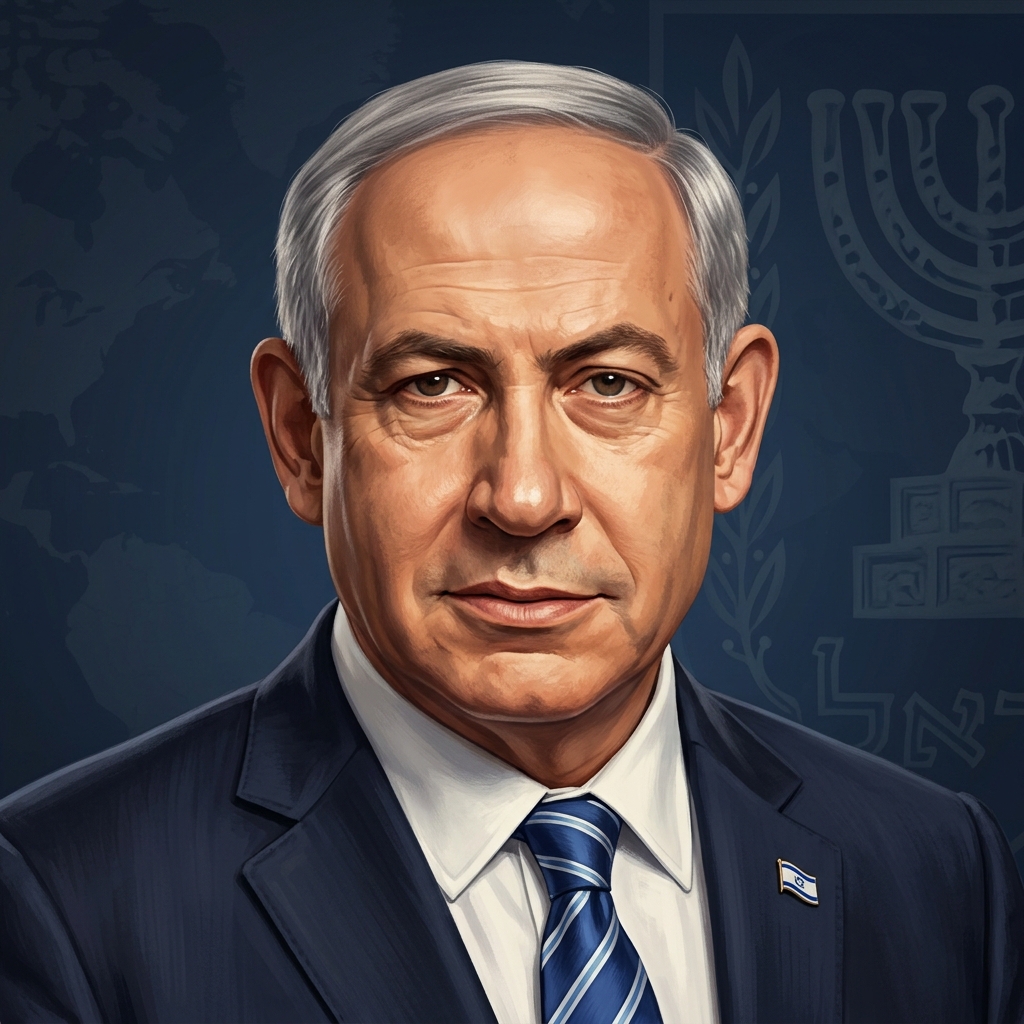
VS
Trump
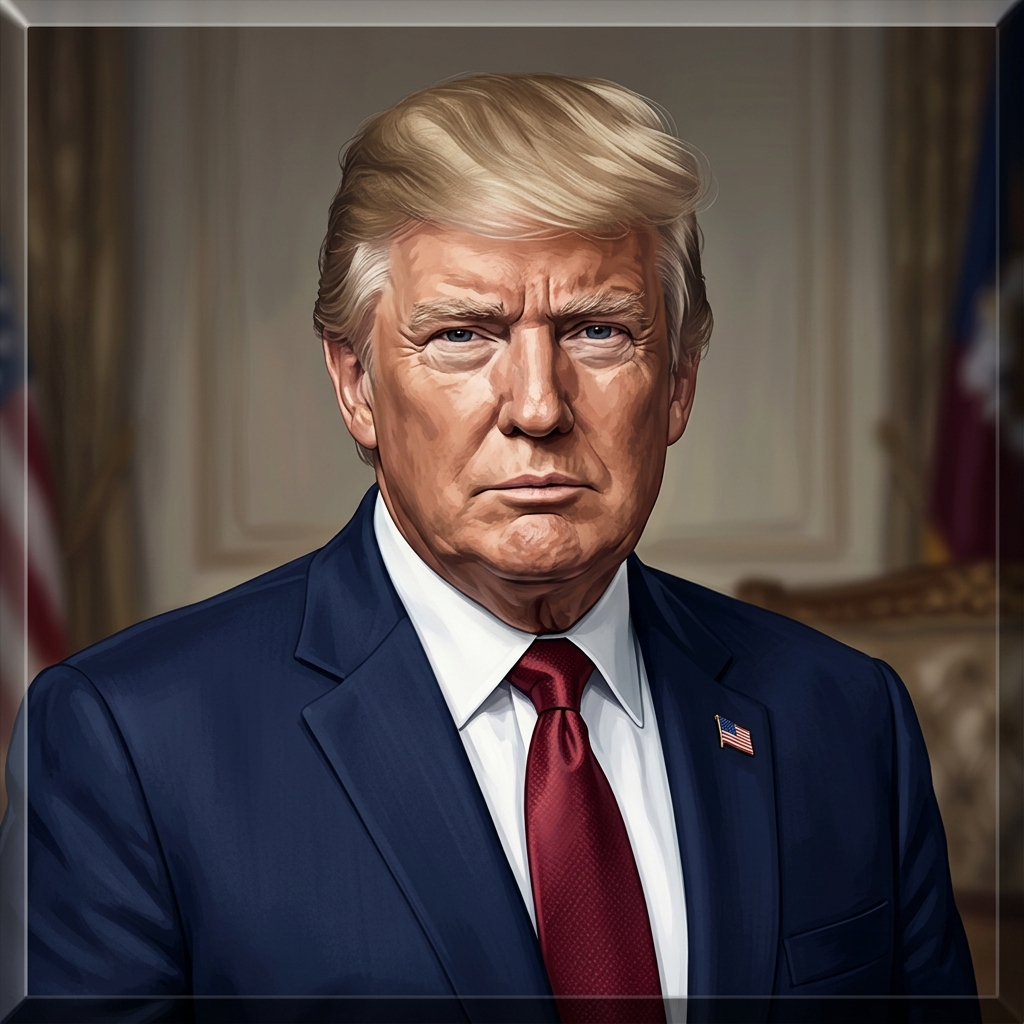
The article discusses how Israeli Prime Minister Benjamin Netanyahu and U.S.
President Donald Trump have diverging incentives regarding Iran: Netanyahu reportedly needs escalation to survive politically, while Trump seeks cheaper fuel to avoid voter backlash against Republicans.
*AI-generated summary of publicly available data. This is not an official statement of any party.
*AI-generated summary of publicly available statements and reporting. This is not an official statement of this party.
Supporters of Netanyahu argue that for Israel, Iran is an existential cultural threat, not a fuel-price issue; they maintain that only sustained pressure protects the nation's identity and survival.
Supporters of Netanyahu argue that national survival, not politics, drives his Iran stance; they maintain that a nuclear-armed Iran threatens Israel's existence and cultural identity, so deterrence cannot wait on U.S. fuel prices.
Supporters of Netanyahu counter that a nation's cultural survival depends on confronting threats abroad before they reach the homeland, so they reject framing cheap fuel as the higher cultural priority.
Supporters of Netanyahu argue that international law permits Israel to act preemptively against Iran's nuclear threat, and that domestic political pressure does not diminish a sovereign state's legal right to self-defense.
Supporters of Netanyahu argue international law allows Israel to strike Iran's nuclear program preemptively, citing self-defense against an existential threat, while domestic legal pressure makes escalation politically necessary.
Supporters of Netanyahu counter that Israeli law treats Iran's nuclear program as an existential threat requiring preemptive action, so Netanyahu's legal authority and obligation to act independently of U.S. domestic politics.
Supporters of Netanyahu argue that his political survival requires sustained confrontation with Iran, so he has little incentive to align with Trump's push for cheaper fuel and de-escalation.
Supporters of Netanyahu argue that his hardline on Iran is survival politics: escalation keeps his coalition intact, and he counts on Trump needing cheap fuel, so Washington restrains Tehran without forcing Israel to stand down.
Supporters of Netanyahu counter that Israel's escalation serves U.S. leverage too: a weakened Iran lowers oil risk and arms costs for Washington, so Trump gains cheap fuel by letting Israel fight, not by splitting from it.
Supporters of Netanyahu argue that his push for escalation with Iran is a matter of national survival, not politics, and that sovereign states must defend their citizens against existential threats regardless of any ally's domestic fuel prices.
Supporters of Netanyahu argue that Israel’s security cannot be subordinated to another nation’s fuel prices, maintaining that a sovereign state must act against existential threats regardless of foreign political calendars.
Supporters of Netanyahu counter that sovereignty means Israel answers to its own citizens' security, not American fuel prices; no nation owes voters abroad restraint on existential threats.
Supporters of Netanyahu frame the Iran standoff in religious terms, arguing that Jewish tradition and the covenant obligate Israel to defend itself against threats, and that political survival is secondary to this inherited duty.
Supporters of Netanyahu argue that securing Israel against a nuclear Iran is a religious and historical duty, and that escalation preserves the Jewish state's covenantal continuity rather than serving any single leader's politics.
Supporters of Netanyahu counter that scripture also mandates defending the innocent, and they argue that a nuclear Iran threatens Israel’s very existence, making security, not fuel prices, the higher religious duty.
*AI-generated summary of publicly available statements and reporting. This is not an official statement of this party.
Supporters of Trump argue that America's cultural priority is protecting working families at home, so they back his push for cheaper fuel over foreign escalation, insisting voters punish leaders who ignore domestic costs.
Supporters of Trump argue that cultural continuity at home outweighs foreign entanglements: they maintain that American voters, not Israeli politics, should set the nation's priorities.
Supporters of Trump counter that prioritizing cultural survival abroad ignores the cultural costs at home, arguing that endless foreign commitments erode the very nationhood they claim to defend.
Supporters of Trump argue that legally, U.S. military action requires congressional authorization and serves no domestic political need, so Trump's incentive is cheap fuel for voters, not Netanyahu's escalation.
Supporters of Trump argue that voters, not foreign leaders, should set U.S. policy, so Netanyahu's political survival cannot obligate Americans to accept costly escalation.
Supporters of Trump counter that no treaty obligation binds the U.S. to back another state's preventive war; they argue Congress, not international permission, must authorize any American role.
Supporters of Trump argue that Netanyahu's political survival depends on Iran escalation, while Trump's depends on cheap fuel before the midterms. In their view, Trump should let Israel bear the cost, keeping U.S. voters insulated from the war's price.
Supporters of Trump argue that Israel's push for escalation with Iran serves Netanyahu's political survival, not U.S. interests, so Washington should keep the conflict contained to protect cheap fuel and Republican votes at home.
Supporters of Trump counter that Netanyahu's survival depends on Washington's backing, not perpetual war; they argue he will trade escalation for the cheap fuel and protection Trump offers.
Supporters of Trump argue that Netanyahu's political survival depends on escalating Iran tensions, while Trump's mandate rests on lowering fuel costs for American voters. They maintain that Israeli escalation would spike oil prices, punishing U.S. households.
Supporters of Trump argue it is morally wrong for Netanyahu's political survival to drive escalation, since American voters, not Israelis, bear the fuel costs and economic fallout.
Supporters of Trump counter that invoking "national survival" cannot license a war that serves one leader's political needs, since moral authority to defend citizens does not extend to spending another nation's soldiers for it.
Supporters of Trump argue that scripture calls leaders to seek peace and the welfare of their people, so avoiding war with Iran to secure cheaper fuel for struggling families is a morally legitimate, stewardship-minded choice.
Supporters of Trump argue that scripture calls leaders to steward peace and prosperity, so avoiding war with Iran to keep fuel affordable reflects a moral duty to protect families from hardship.
Supporters of Trump counter that the Abraham Accords show peacemaking, not perpetual war, honors the covenant, and they cite scripture's call to pursue peace as the higher religious duty.
AI-generated summary of publicly available statements and reporting. This is not an official statement of this party.
Supporters of Netanyahu argue that for Israel, Iran is an existential cultural threat, not a fuel-price issue; they maintain that only sustained pressure protects the nation's identity and survival.
Supporters of Netanyahu argue that national survival, not politics, drives his Iran stance; they maintain that a nuclear-armed Iran threatens Israel's existence and cultural identity, so deterrence cannot wait on U.S. fuel prices.
Supporters of Netanyahu counter that a nation's cultural survival depends on confronting threats abroad before they reach the homeland, so they reject framing cheap fuel as the higher cultural priority.
Supporters of Netanyahu argue that international law permits Israel to act preemptively against Iran's nuclear threat, and that domestic political pressure does not diminish a sovereign state's legal right to self-defense.
Supporters of Netanyahu argue international law allows Israel to strike Iran's nuclear program preemptively, citing self-defense against an existential threat, while domestic legal pressure makes escalation politically necessary.
Supporters of Netanyahu counter that Israeli law treats Iran's nuclear program as an existential threat requiring preemptive action, so Netanyahu's legal authority and obligation to act independently of U.S. domestic politics.
Supporters of Netanyahu argue that his political survival requires sustained confrontation with Iran, so he has little incentive to align with Trump's push for cheaper fuel and de-escalation.
Supporters of Netanyahu argue that his hardline on Iran is survival politics: escalation keeps his coalition intact, and he counts on Trump needing cheap fuel, so Washington restrains Tehran without forcing Israel to stand down.
Supporters of Netanyahu counter that Israel's escalation serves U.S. leverage too: a weakened Iran lowers oil risk and arms costs for Washington, so Trump gains cheap fuel by letting Israel fight, not by splitting from it.
Supporters of Netanyahu argue that his push for escalation with Iran is a matter of national survival, not politics, and that sovereign states must defend their citizens against existential threats regardless of any ally's domestic fuel prices.
Supporters of Netanyahu argue that Israel’s security cannot be subordinated to another nation’s fuel prices, maintaining that a sovereign state must act against existential threats regardless of foreign political calendars.
Supporters of Netanyahu counter that sovereignty means Israel answers to its own citizens' security, not American fuel prices; no nation owes voters abroad restraint on existential threats.
Supporters of Netanyahu frame the Iran standoff in religious terms, arguing that Jewish tradition and the covenant obligate Israel to defend itself against threats, and that political survival is secondary to this inherited duty.
Supporters of Netanyahu argue that securing Israel against a nuclear Iran is a religious and historical duty, and that escalation preserves the Jewish state's covenantal continuity rather than serving any single leader's politics.
Supporters of Netanyahu counter that scripture also mandates defending the innocent, and they argue that a nuclear Iran threatens Israel’s very existence, making security, not fuel prices, the higher religious duty.
Supporters of Trump argue that America's cultural priority is protecting working families at home, so they back his push for cheaper fuel over foreign escalation, insisting voters punish leaders who ignore domestic costs.
Supporters of Trump argue that cultural continuity at home outweighs foreign entanglements: they maintain that American voters, not Israeli politics, should set the nation's priorities.
Supporters of Trump counter that prioritizing cultural survival abroad ignores the cultural costs at home, arguing that endless foreign commitments erode the very nationhood they claim to defend.
Supporters of Trump argue that legally, U.S. military action requires congressional authorization and serves no domestic political need, so Trump's incentive is cheap fuel for voters, not Netanyahu's escalation.
Supporters of Trump argue that voters, not foreign leaders, should set U.S. policy, so Netanyahu's political survival cannot obligate Americans to accept costly escalation.
Supporters of Trump counter that no treaty obligation binds the U.S. to back another state's preventive war; they argue Congress, not international permission, must authorize any American role.
Supporters of Trump argue that Netanyahu's political survival depends on Iran escalation, while Trump's depends on cheap fuel before the midterms. In their view, Trump should let Israel bear the cost, keeping U.S. voters insulated from the war's price.
Supporters of Trump argue that Israel's push for escalation with Iran serves Netanyahu's political survival, not U.S. interests, so Washington should keep the conflict contained to protect cheap fuel and Republican votes at home.
Supporters of Trump counter that Netanyahu's survival depends on Washington's backing, not perpetual war; they argue he will trade escalation for the cheap fuel and protection Trump offers.
Supporters of Trump argue that Netanyahu's political survival depends on escalating Iran tensions, while Trump's mandate rests on lowering fuel costs for American voters. They maintain that Israeli escalation would spike oil prices, punishing U.S. households.
Supporters of Trump argue it is morally wrong for Netanyahu's political survival to drive escalation, since American voters, not Israelis, bear the fuel costs and economic fallout.
Supporters of Trump counter that invoking "national survival" cannot license a war that serves one leader's political needs, since moral authority to defend citizens does not extend to spending another nation's soldiers for it.
Supporters of Trump argue that scripture calls leaders to seek peace and the welfare of their people, so avoiding war with Iran to secure cheaper fuel for struggling families is a morally legitimate, stewardship-minded choice.
Supporters of Trump argue that scripture calls leaders to steward peace and prosperity, so avoiding war with Iran to keep fuel affordable reflects a moral duty to protect families from hardship.
Supporters of Trump counter that the Abraham Accords show peacemaking, not perpetual war, honors the covenant, and they cite scripture's call to pursue peace as the higher religious duty.
Netanyahu needs escalation to survive politically; Trump needs cheaper fuel before voters punish Republicans Read Full Article at RT.com