Russia and Iran
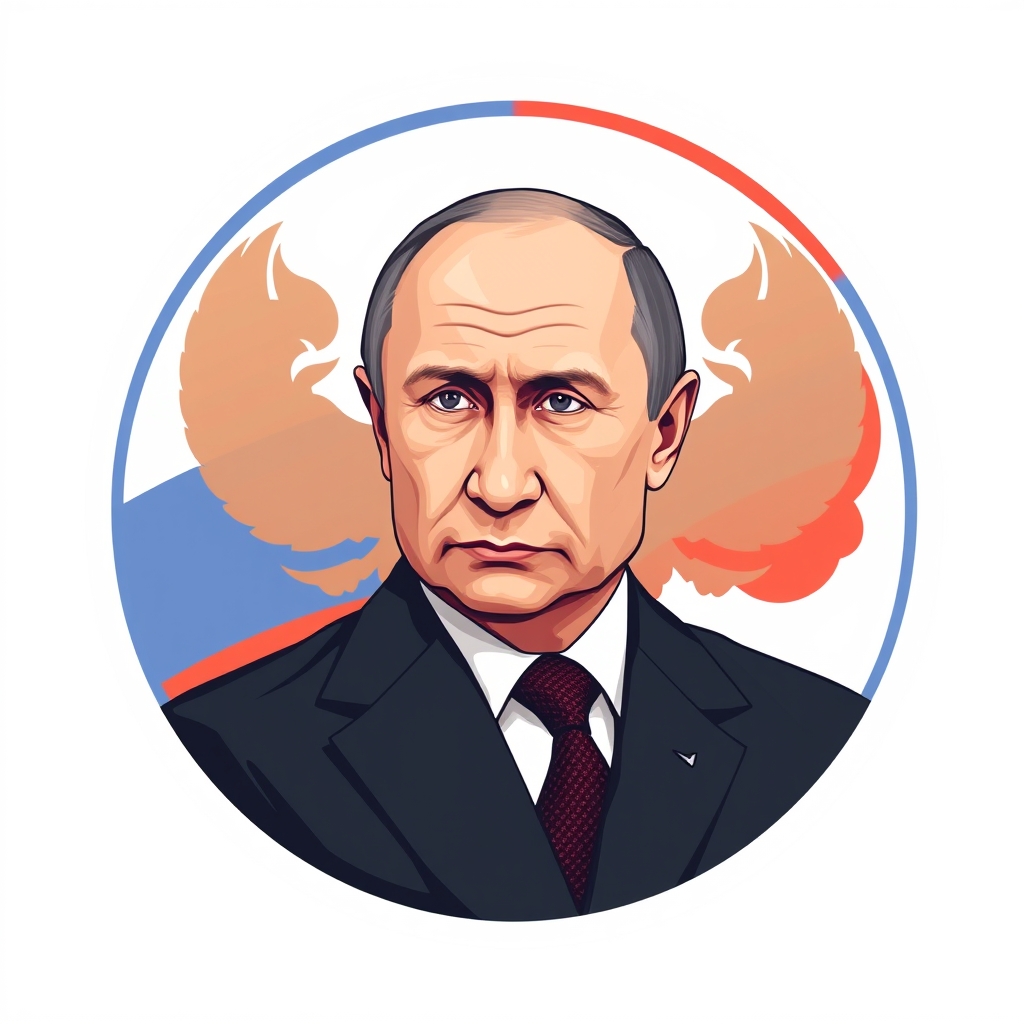
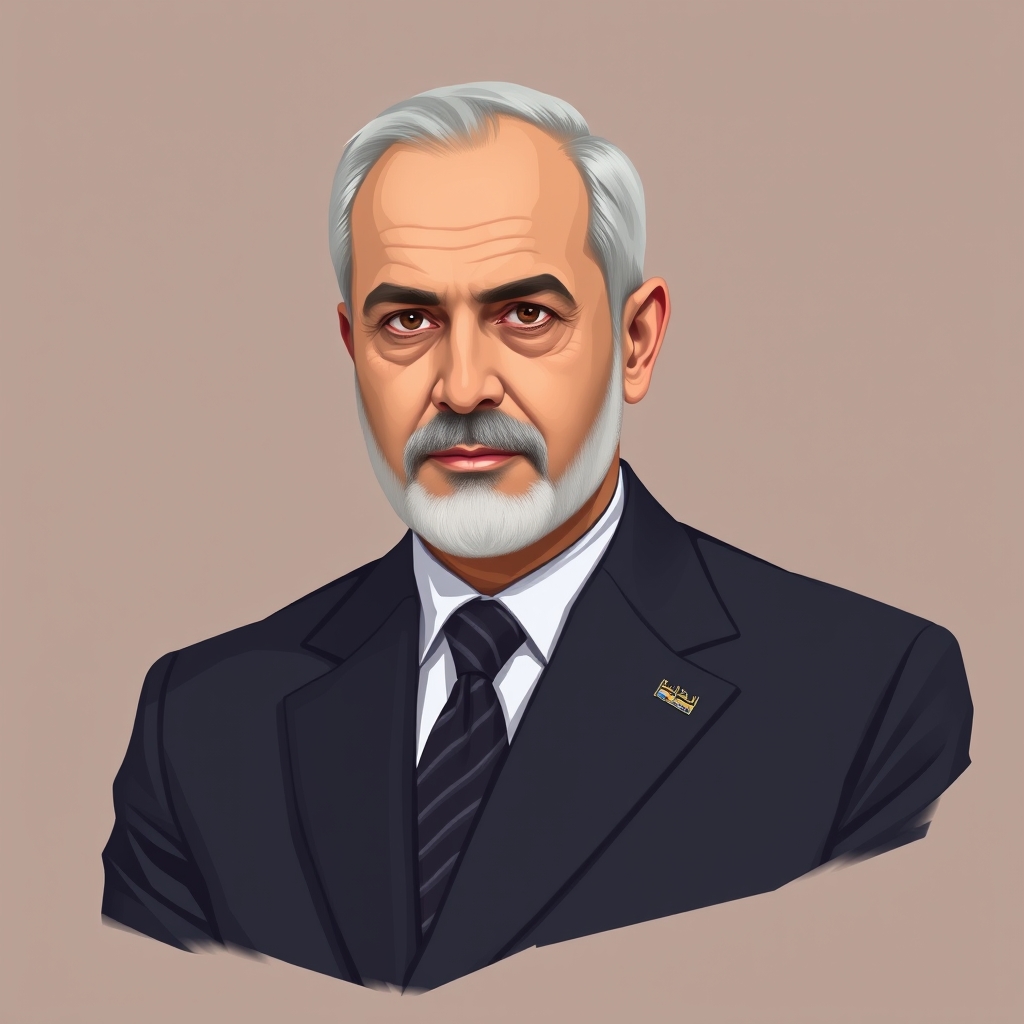
VS
US and Israel


Russian President Vladimir Putin met Iranian President Masoud Pezeshkian in Moscow to discuss the Middle East, as concerns grow over possible renewed US-Israeli strikes on Iran after the US midterm elections.
The meeting highlights the alignment between Russia and Iran in the face of potential military action.
*AI-generated summary of publicly available data. This is not an official statement of any party.
*AI-generated summary of publicly available statements and reporting. This is not an official statement of this party.
Supporters of Russia and Iran argue the Moscow meeting affirms sovereign nations' right to defend inherited cultural and religious traditions against outside military pressure.
Supporters of Russia and Iran frame the Moscow meeting as defending sovereign nations' right to their own traditions and security against outside intervention, arguing that inherited regional ties deserve respect over imposed change.
Supporters of Russia and Iran counter that the framing of a "democratic values" contest misreads the meeting, arguing instead that Moscow and Tehran present themselves as defenders of sovereign cultural traditions against a universalist model imposed from outside.
Supporters of Russia and Iran argue that the Moscow meeting affirms states' legal right to sovereign security cooperation and mutual defense coordination under international law, framing it as lawful diplomacy against unilateral military action.
Supporters of Russia and Iran argue that the Moscow meeting reflects a lawful sovereign partnership, maintaining that states may coordinate diplomatically against external military action without violating international law.
Supporters of Russia and Iran counter that no treaty or UN resolution establishes a lawful basis for preemptive strikes on safeguarded nuclear facilities, so claims of self-defense remain contested under international law.
Supporters of Russia and Iran argue the Moscow meeting signals deterrence through alignment: they maintain that binding Tehran to a powerful patron raises the cost of US-Israeli strikes, making restraint the pragmatic choice.
Supporters of Russia and Iran argue the Moscow meeting is pure leverage: by binding Tehran to a nuclear-armed patron, they maintain that Washington and Israel must now weigh Russian escalation before any strike, turning deterrence into bargaining power.
Supporters of Russia and Iran counter that the Moscow meeting shows two sanctioned powers pooling leverage to raise the cost of any strike on Iran, arguing that pressure before talks hardens Tehran's position rather than softening it.
Supporters of Russia and Iran argue that their Moscow meeting affirms sovereign states' right to self-defense and diplomatic solidarity against outside military pressure, casting US-Israeli threats as a moral affront to national dignity.
Supporters of Russia and Iran frame the Moscow meeting as a moral stand for sovereignty, arguing that states facing threatened US-Israeli strikes have a right to seek allies and that diplomacy, not force, should govern disputes.
Supporters of Russia and Iran counter that the US and Israel invoke sovereignty selectively, shielding their own allies from accountability while condemning others, so the moral standing to judge the Moscow alignment is absent.
Supporters of Russia and Iran cast the Moscow meeting as defense of sovereign nations against outside coercion, arguing that faith and divine law favor resisting domination and upholding each people's right to self-determination.
Supporters of Russia and Iran frame the Moscow meeting as defending sovereignty against outside coercion, arguing that nations have a moral and religious duty under divine law to resist domination by the US and Israel.
Supporters of Russia and Iran counter that Moscow's ties with Tehran protect Eastern Orthodox and Shia communities across the region, and they argue that US and Israeli policy has harmed Christian and other minority populations, so defending this partnership serves religious free.
*AI-generated summary of publicly available statements and reporting. This is not an official statement of this party.
Supporters of US and Israel argue the Moscow meeting reveals a shared anti-Western bloc, and they frame the alignment as a cultural contest between democratic values and authoritarian governance.
Supporters of US and Israel argue that the Moscow meeting exposes Russia and Iran as an axis bound by shared opposition to Western values, not genuine cultural partnership, and that this alignment threatens the regional order Israel and the US defend.
Supporters of the US and Israel counter that theocracy is not cultural inheritance—they argue Moscow and Tehran weaponize "tradition" to justify suppressing women and minorities, not to defend heritage.
Supporters of US and Israel argue that any US or Israeli strike on Iran would rest on lawful self-defense against a nuclear threat, and that Russia's alignment with Tehran does not confer legal immunity on Iran's program.
Supporters of US and Israel argue that a sovereign state retains the legal right to act in self-defense against threats, and that Russia-Iran alignment doesn't shield Tehran from accountability.
Supporters of US and Israel counter that sovereign cooperation claims don't shield states from legal accountability, arguing Iran's arms transfers to Russia violate UN Security Council Resolution 2231, making the partnership unlawful.
Supporters of US and Israel argue the Moscow meeting exposes Russia and Iran as a mutual-risk axis, not a stabilizing force, and that addressing Iran's nuclear program before it hardens under Russian cover is the pragmatic course.
Supporters of US and Israel argue the Putin-Pezeshkian meeting exposes a transactional axis of sanctioned powers, and that Moscow's backing is a bargaining chip, not a shield—so pressure on Iran must precede any dealmaking.
Supporters of US and Israel counter that a patron bound by shared exposure invites entanglement, not restraint—Moscow's backing raises Tehran's risk of dragging Russia into a war it cannot control, while tightening targeting incentives rather than deterring them.
Supporters of US and Israel argue that the Moscow alignment shows Russia and Iran coordinating against sovereign nations, and they maintain that a state's legitimacy rests on respecting others' autonomy rather than joining a bloc to shield one government from accountability.
Supporters of US and Israel argue that sovereign states retain the moral right to act in self-defense against threats, and that Russia and Iran's alignment does not obligate Israel to forgo protecting its own citizens.
Supporters of the US and Israel counter that a moral claim to self-defense rings hollow from governments that arm and shelter proxies, arguing that sovereignty cannot shield regimes that sponsor violence against civilians.
Supporters of US and Israel argue that Moscow's alignment with Tehran rewards a theocratic regime that threatens regional religious minorities, and they maintain that faith traditions and regional stability require resisting this partnership.
Supporters of US and Israel argue that religious freedom and the region's inherited moral order are threatened by the Russia-Iran alignment, which they maintain subordinates faith to state power.
Supporters of the US and Israel counter that religious tradition honors legitimate authority and ordered governance, and they argue that a doctrine blessing resistance to "domination" risks sanctifying disorder rather than upholding the settled order faith has long defended.
AI-generated summary of publicly available statements and reporting. This is not an official statement of this party.
Supporters of Russia and Iran argue the Moscow meeting affirms sovereign nations' right to defend inherited cultural and religious traditions against outside military pressure.
Supporters of Russia and Iran frame the Moscow meeting as defending sovereign nations' right to their own traditions and security against outside intervention, arguing that inherited regional ties deserve respect over imposed change.
Supporters of Russia and Iran counter that the framing of a "democratic values" contest misreads the meeting, arguing instead that Moscow and Tehran present themselves as defenders of sovereign cultural traditions against a universalist model imposed from outside.
Supporters of Russia and Iran argue that the Moscow meeting affirms states' legal right to sovereign security cooperation and mutual defense coordination under international law, framing it as lawful diplomacy against unilateral military action.
Supporters of Russia and Iran argue that the Moscow meeting reflects a lawful sovereign partnership, maintaining that states may coordinate diplomatically against external military action without violating international law.
Supporters of Russia and Iran counter that no treaty or UN resolution establishes a lawful basis for preemptive strikes on safeguarded nuclear facilities, so claims of self-defense remain contested under international law.
Supporters of Russia and Iran argue the Moscow meeting signals deterrence through alignment: they maintain that binding Tehran to a powerful patron raises the cost of US-Israeli strikes, making restraint the pragmatic choice.
Supporters of Russia and Iran argue the Moscow meeting is pure leverage: by binding Tehran to a nuclear-armed patron, they maintain that Washington and Israel must now weigh Russian escalation before any strike, turning deterrence into bargaining power.
Supporters of Russia and Iran counter that the Moscow meeting shows two sanctioned powers pooling leverage to raise the cost of any strike on Iran, arguing that pressure before talks hardens Tehran's position rather than softening it.
Supporters of Russia and Iran argue that their Moscow meeting affirms sovereign states' right to self-defense and diplomatic solidarity against outside military pressure, casting US-Israeli threats as a moral affront to national dignity.
Supporters of Russia and Iran frame the Moscow meeting as a moral stand for sovereignty, arguing that states facing threatened US-Israeli strikes have a right to seek allies and that diplomacy, not force, should govern disputes.
Supporters of Russia and Iran counter that the US and Israel invoke sovereignty selectively, shielding their own allies from accountability while condemning others, so the moral standing to judge the Moscow alignment is absent.
Supporters of Russia and Iran cast the Moscow meeting as defense of sovereign nations against outside coercion, arguing that faith and divine law favor resisting domination and upholding each people's right to self-determination.
Supporters of Russia and Iran frame the Moscow meeting as defending sovereignty against outside coercion, arguing that nations have a moral and religious duty under divine law to resist domination by the US and Israel.
Supporters of Russia and Iran counter that Moscow's ties with Tehran protect Eastern Orthodox and Shia communities across the region, and they argue that US and Israeli policy has harmed Christian and other minority populations, so defending this partnership serves religious free.
Supporters of US and Israel argue the Moscow meeting reveals a shared anti-Western bloc, and they frame the alignment as a cultural contest between democratic values and authoritarian governance.
Supporters of US and Israel argue that the Moscow meeting exposes Russia and Iran as an axis bound by shared opposition to Western values, not genuine cultural partnership, and that this alignment threatens the regional order Israel and the US defend.
Supporters of the US and Israel counter that theocracy is not cultural inheritance—they argue Moscow and Tehran weaponize "tradition" to justify suppressing women and minorities, not to defend heritage.
Supporters of US and Israel argue that any US or Israeli strike on Iran would rest on lawful self-defense against a nuclear threat, and that Russia's alignment with Tehran does not confer legal immunity on Iran's program.
Supporters of US and Israel argue that a sovereign state retains the legal right to act in self-defense against threats, and that Russia-Iran alignment doesn't shield Tehran from accountability.
Supporters of US and Israel counter that sovereign cooperation claims don't shield states from legal accountability, arguing Iran's arms transfers to Russia violate UN Security Council Resolution 2231, making the partnership unlawful.
Supporters of US and Israel argue the Moscow meeting exposes Russia and Iran as a mutual-risk axis, not a stabilizing force, and that addressing Iran's nuclear program before it hardens under Russian cover is the pragmatic course.
Supporters of US and Israel argue the Putin-Pezeshkian meeting exposes a transactional axis of sanctioned powers, and that Moscow's backing is a bargaining chip, not a shield—so pressure on Iran must precede any dealmaking.
Supporters of US and Israel counter that a patron bound by shared exposure invites entanglement, not restraint—Moscow's backing raises Tehran's risk of dragging Russia into a war it cannot control, while tightening targeting incentives rather than deterring them.
Supporters of US and Israel argue that the Moscow alignment shows Russia and Iran coordinating against sovereign nations, and they maintain that a state's legitimacy rests on respecting others' autonomy rather than joining a bloc to shield one government from accountability.
Supporters of US and Israel argue that sovereign states retain the moral right to act in self-defense against threats, and that Russia and Iran's alignment does not obligate Israel to forgo protecting its own citizens.
Supporters of the US and Israel counter that a moral claim to self-defense rings hollow from governments that arm and shelter proxies, arguing that sovereignty cannot shield regimes that sponsor violence against civilians.
Supporters of US and Israel argue that Moscow's alignment with Tehran rewards a theocratic regime that threatens regional religious minorities, and they maintain that faith traditions and regional stability require resisting this partnership.
Supporters of US and Israel argue that religious freedom and the region's inherited moral order are threatened by the Russia-Iran alignment, which they maintain subordinates faith to state power.
Supporters of the US and Israel counter that religious tradition honors legitimate authority and ordered governance, and they argue that a doctrine blessing resistance to "domination" risks sanctifying disorder rather than upholding the settled order faith has long defended.
Russian President Vladimir Putin met Iranian President Masoud Pezeshkian in Moscow to discuss the Middle East situation.