Senator John Curtis

VS
Donald Trump Jr.
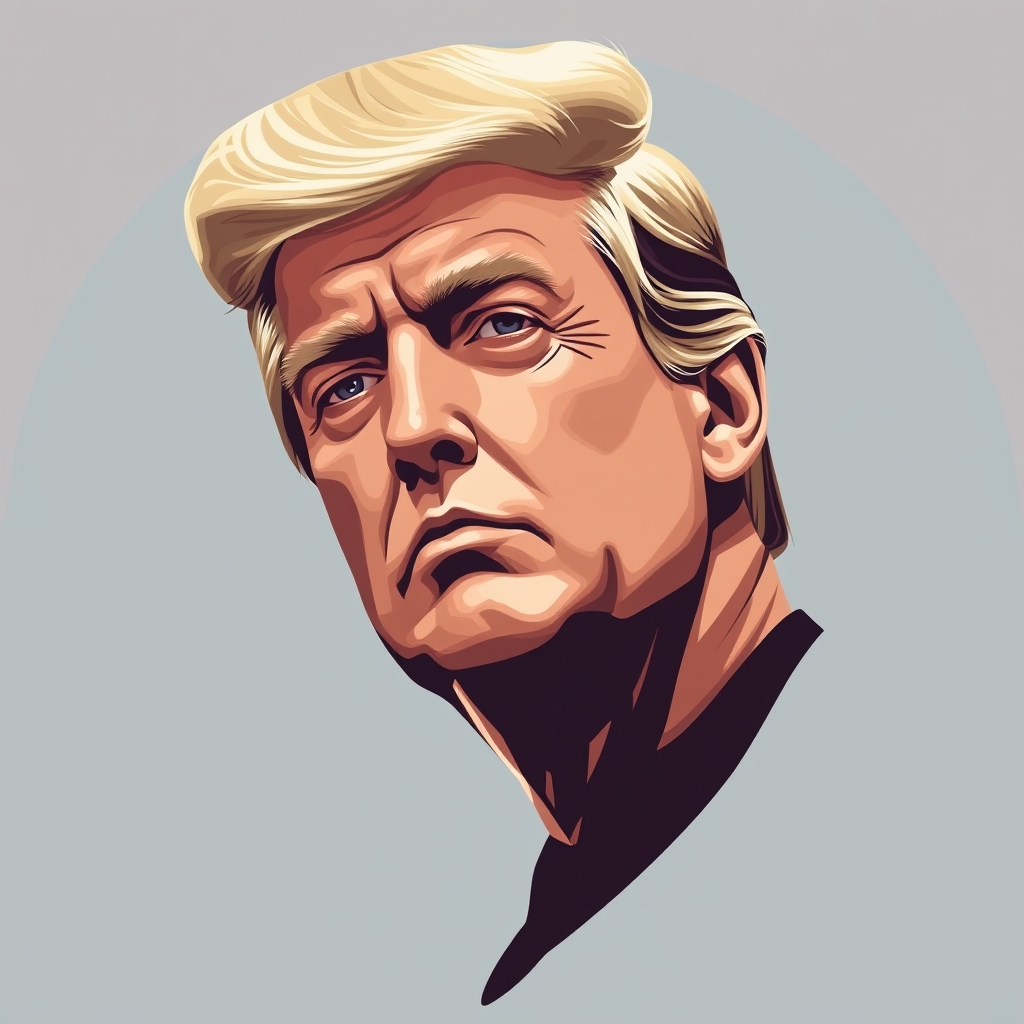
Senator John Curtis is a Republican U.S. senator from Utah who succeeded Mitt Romney.
Donald Trump Jr. is the eldest son of President Donald Trump and a prominent figure in his father's political and business circles.
Curtis has called on the Senate Judiciary Committee to investigate whether Trump Jr. used his proximity to the presidency to benefit from business dealings, specifically in connection with a party reportedly funded by a Russian oligarch with ties to the Kremlin.
Curtis described the situation as "corruption," while Trump Jr. has not been publicly accused of any crime.
The dispute centers on whether congressional oversight should examine the business activities of the president's family members and what standards should apply to their foreign financial ties.
The call represents a rare instance of a Republican senator publicly pressing for scrutiny of the president's son, raising questions about potential conflicts of interest and the scope of congressional oversight.
*AI-generated summary of publicly available data. This is not an official statement of any party.
*AI-generated summary of publicly available statements and reporting. This is not an official statement of this party.
Supporters of Senator John Curtis argue that congressional oversight is a core American duty, and that no family, however powerful, should stand above the nation's laws.
Supporters of Senator John Curtis argue that congressional oversight is a core institutional duty, and that scrutinizing the president's family's business dealings protects the integrity of the nation's political culture.
Supporters of Senator Curtis counter that oversight is a constitutional duty, not cultural ritual, and that defending a president's family from scrutiny erodes the accountability tradition both parties once shared.
Supporters of Senator John Curtis argue that Congress has a legal duty to investigate potential conflicts of interest, regardless of party, and that oversight of the president's family business dealings is a legitimate exercise of that authority.
Supporters of Senator John Curtis argue that congressional oversight is a legal duty, not partisanship, citing precedent that lawmakers must examine potential conflicts of interest involving the president's family.
Supporters of Senator Curtis counter that Congress holds clear legal authority to investigate conflicts of interest tied to federal policy, and that a documented statutory predicate is not required for legitimate oversight.
Supporters of Senator John Curtis argue that a probe is leverage, not principle: it signals independence to donors and voters while costing the president little, since oversight is the price of party survival.
Supporters of Senator John Curtis argue the probe is leverage: a loyal senator publicly distancing from the president's family signals independence to donors and voters while costing him little.
Supporters of Senator Curtis counter that oversight of the president's family carries real cost, not cheap positioning—it invites primary challengers and donor backlash, which is why few senators do it.
Supporters of Senator John Curtis argue that congressional oversight is a moral duty, not a partisan choice: they maintain that no family, including the president's, should stand above evidence-based scrutiny.
Supporters of Senator John Curtis argue that oversight is a moral duty regardless of party, maintaining that no family, including the president's, should sit above congressional scrutiny of business dealings.
Supporters of Senator John Curtis counter that loyalty to any individual, even a president, cannot excuse abandoning a party's moral duty to investigate credible wrongdoing, whoever it touches.
Supporters of Senator John Curtis argue that scripture commands honest scales and just dealings, so probing Donald Trump Jr.'s business affairs is a moral duty, not a partisan attack.
Supporters of Senator John Curtis argue that scripture commands honest weights and measures, so public officials have a moral duty to investigate potential conflicts of interest, even within the president's own family.
Supporters of Senator Curtis counter that scripture calls leaders to truth and accountability, not blind loyalty to a president's kin, citing Proverbs 31:8-9 as their mandate.
*AI-generated summary of publicly available statements and reporting. This is not an official statement of this party.
Supporters of Donald Trump Jr. argue that Senator Curtis's probe call echoes a long American pattern of party insiders targeting a president's family, framing it as political theater rather than genuine oversight.
Supporters of Donald Trump Jr. frame the probe as a cultural turning point: political families have long drawn scrutiny, yet they argue such investigations historically signal partisan vendettas rather than genuine oversight.
Supporters of Donald Trump Jr. counter that Americans have long trusted family and local loyalty over distant institutions, and that oversight wielded by political rivals looks less like duty than a cultural attack on their tribe.
Supporters of Donald Trump Jr. argue that Senator Curtis has cited no evidence of any illegal conduct, and that congressional probes into private business dealings without a documented legal predicate amount to political theater, not legitimate oversight.
Supporters of Donald Trump Jr. argue that Senator Curtis's probe call lacks cited evidence of any specific illegal act, making it a political inquiry rather than a lawful, fact-based oversight action.
Supporters of Donald Trump Jr. counter that Congress lacks Article III standing to compel testimony absent a specific legislative purpose, and that courts have long required a concrete link between the inquiry and valid lawmaking.
Supporters of Donald Trump Jr. argue that Senator Curtis’s probe is less about oversight than positioning, since attacking the president’s family signals independence to donors and media at little cost.
Supporters of Donald Trump Jr. argue that Senator John Curtis’s probe is less about oversight than leverage, noting that the president’s party rarely targets its own unless incentives shift.
Supporters of Donald Trump Jr. counter that a probe is leverage only if the president tolerates it; they argue the base rewards loyalty and punishes perceived betrayal, so the real cost falls on Curtis, not the president.
Supporters of Donald Trump Jr. argue that a party turning its oversight power against the president’s own family for political optics betrays the loyalty precedent past parties honored, making the probe a moral breach.
Supporters of Donald Trump Jr. argue that Senator John Curtis's probe call is a partisan moral betrayal, insisting that targeting a president's family for political gain violates the loyalty and fair play the party owes its own.
Supporters of Donald Trump Jr. counter that oversight wielded selectively against one family is not moral duty but weaponized power, and that equal justice demands the same scrutiny be applied to all political dynasties.
Supporters of Donald Trump Jr. argue that Senator Curtis's probe risks eroding the family and institutional trust that religious communities hold sacred, warning that partisan attacks on a president's kin undermine the stability of inherited moral and civic order.
Supporters of Donald Trump Jr. argue that family loyalty and the presumption of innocence are sacred duties, and that Senator John Curtis's probe unjustly targets the president's son without evidence of wrongdoing.
Supporters of Donald Trump Jr. counter that scripture also commands "judge not, lest ye be judged," so Senator Curtis's scriptural appeal to probe another's business affairs amounts to self-righteous judgment rather than a moral duty.
AI-generated summary of publicly available statements and reporting. This is not an official statement of this party.
Supporters of Senator John Curtis argue that congressional oversight is a core American duty, and that no family, however powerful, should stand above the nation's laws.
Supporters of Senator John Curtis argue that congressional oversight is a core institutional duty, and that scrutinizing the president's family's business dealings protects the integrity of the nation's political culture.
Supporters of Senator Curtis counter that oversight is a constitutional duty, not cultural ritual, and that defending a president's family from scrutiny erodes the accountability tradition both parties once shared.
Supporters of Senator John Curtis argue that Congress has a legal duty to investigate potential conflicts of interest, regardless of party, and that oversight of the president's family business dealings is a legitimate exercise of that authority.
Supporters of Senator John Curtis argue that congressional oversight is a legal duty, not partisanship, citing precedent that lawmakers must examine potential conflicts of interest involving the president's family.
Supporters of Senator Curtis counter that Congress holds clear legal authority to investigate conflicts of interest tied to federal policy, and that a documented statutory predicate is not required for legitimate oversight.
Supporters of Senator John Curtis argue that a probe is leverage, not principle: it signals independence to donors and voters while costing the president little, since oversight is the price of party survival.
Supporters of Senator John Curtis argue the probe is leverage: a loyal senator publicly distancing from the president's family signals independence to donors and voters while costing him little.
Supporters of Senator Curtis counter that oversight of the president's family carries real cost, not cheap positioning—it invites primary challengers and donor backlash, which is why few senators do it.
Supporters of Senator John Curtis argue that congressional oversight is a moral duty, not a partisan choice: they maintain that no family, including the president's, should stand above evidence-based scrutiny.
Supporters of Senator John Curtis argue that oversight is a moral duty regardless of party, maintaining that no family, including the president's, should sit above congressional scrutiny of business dealings.
Supporters of Senator John Curtis counter that loyalty to any individual, even a president, cannot excuse abandoning a party's moral duty to investigate credible wrongdoing, whoever it touches.
Supporters of Senator John Curtis argue that scripture commands honest scales and just dealings, so probing Donald Trump Jr.'s business affairs is a moral duty, not a partisan attack.
Supporters of Senator John Curtis argue that scripture commands honest weights and measures, so public officials have a moral duty to investigate potential conflicts of interest, even within the president's own family.
Supporters of Senator Curtis counter that scripture calls leaders to truth and accountability, not blind loyalty to a president's kin, citing Proverbs 31:8-9 as their mandate.
Supporters of Donald Trump Jr. argue that Senator Curtis's probe call echoes a long American pattern of party insiders targeting a president's family, framing it as political theater rather than genuine oversight.
Supporters of Donald Trump Jr. frame the probe as a cultural turning point: political families have long drawn scrutiny, yet they argue such investigations historically signal partisan vendettas rather than genuine oversight.
Supporters of Donald Trump Jr. counter that Americans have long trusted family and local loyalty over distant institutions, and that oversight wielded by political rivals looks less like duty than a cultural attack on their tribe.
Supporters of Donald Trump Jr. argue that Senator Curtis has cited no evidence of any illegal conduct, and that congressional probes into private business dealings without a documented legal predicate amount to political theater, not legitimate oversight.
Supporters of Donald Trump Jr. argue that Senator Curtis's probe call lacks cited evidence of any specific illegal act, making it a political inquiry rather than a lawful, fact-based oversight action.
Supporters of Donald Trump Jr. counter that Congress lacks Article III standing to compel testimony absent a specific legislative purpose, and that courts have long required a concrete link between the inquiry and valid lawmaking.
Supporters of Donald Trump Jr. argue that Senator Curtis’s probe is less about oversight than positioning, since attacking the president’s family signals independence to donors and media at little cost.
Supporters of Donald Trump Jr. argue that Senator John Curtis’s probe is less about oversight than leverage, noting that the president’s party rarely targets its own unless incentives shift.
Supporters of Donald Trump Jr. counter that a probe is leverage only if the president tolerates it; they argue the base rewards loyalty and punishes perceived betrayal, so the real cost falls on Curtis, not the president.
Supporters of Donald Trump Jr. argue that a party turning its oversight power against the president’s own family for political optics betrays the loyalty precedent past parties honored, making the probe a moral breach.
Supporters of Donald Trump Jr. argue that Senator John Curtis's probe call is a partisan moral betrayal, insisting that targeting a president's family for political gain violates the loyalty and fair play the party owes its own.
Supporters of Donald Trump Jr. counter that oversight wielded selectively against one family is not moral duty but weaponized power, and that equal justice demands the same scrutiny be applied to all political dynasties.
Supporters of Donald Trump Jr. argue that Senator Curtis's probe risks eroding the family and institutional trust that religious communities hold sacred, warning that partisan attacks on a president's kin undermine the stability of inherited moral and civic order.
Supporters of Donald Trump Jr. argue that family loyalty and the presumption of innocence are sacred duties, and that Senator John Curtis's probe unjustly targets the president's son without evidence of wrongdoing.
Supporters of Donald Trump Jr. counter that scripture also commands "judge not, lest ye be judged," so Senator Curtis's scriptural appeal to probe another's business affairs amounts to self-righteous judgment rather than a moral duty.
US Senator John Curtis's letter marks a rare effort by a member of the president's own party to hold him accountable.
Senator John Curtis (R-Utah) criticized Donald Trump Jr. for allowing a Russian oligarch with ties to the Kremlin to fund a party, calling it 'corruption.'