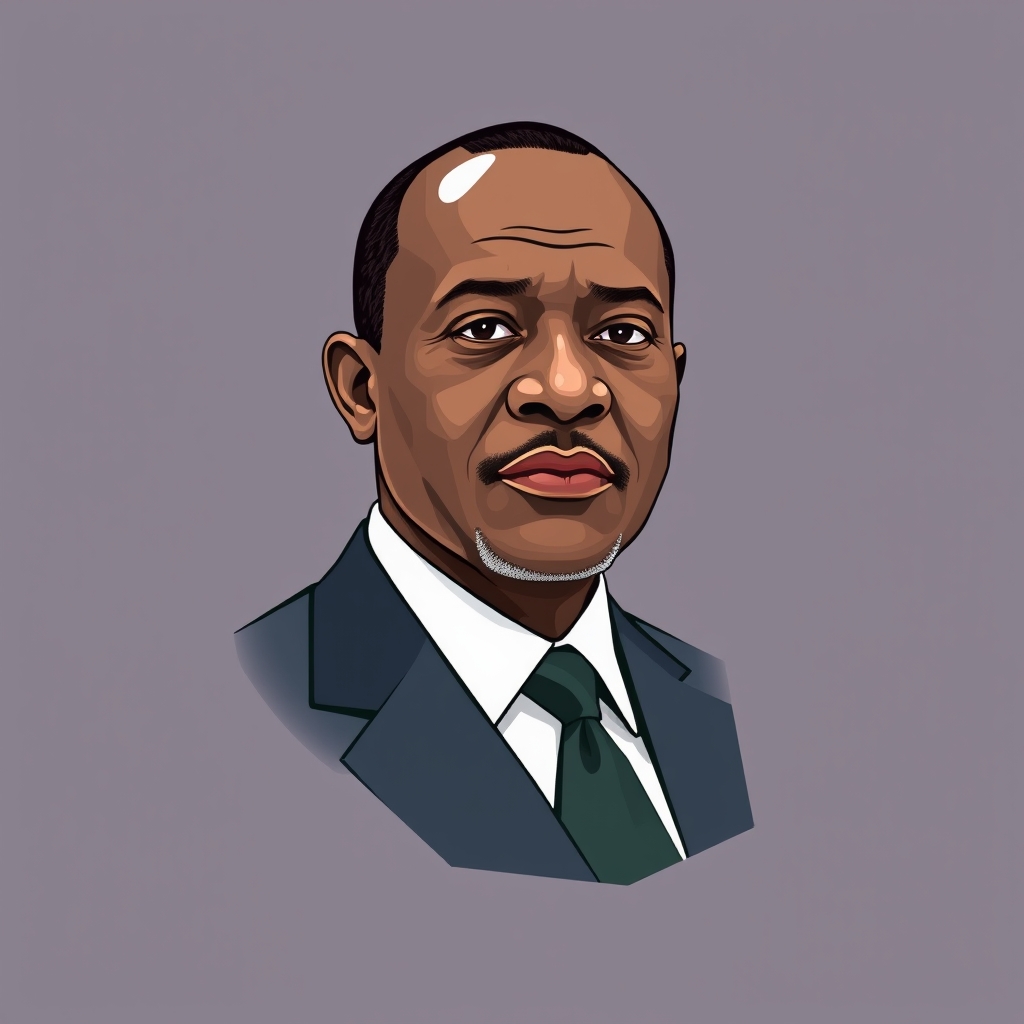
Simbarashe Kundizeza
VS
Accusers
?
No actors in this side.
No actors in this side.
Simbarashe Kundizeza, a Zimbabwean author, has denied accusations that he used AI to write his award-winning story.
The accusation has sparked a significant uproar on social media.
*AI-generated summary of publicly available data. This is not an official statement of any party.
*AI-generated summary of publicly available statements and reporting. This is not an official statement of this party.
Supporters of Simbarashe Kundizeza frame the accusation as an attack on African storytelling, arguing that a Zimbabwean author's award-winning voice deserves the same presumption of authorship granted to Western writers.
Supporters of Simbarashe Kundizeza argue that his award reflects a Zimbabwean literary voice, and that dismissing it as AI-generated erodes local cultural authorship and self-determination.
Supporters of Simbarashe Kundizeza counter that cultural ownership of a work rests with the community that shaped the author, not with accusers judging authenticity on social media.
Supporters of Simbarashe Kundizeza argue that denying him due process over an unproven AI accusation violates fair-hearing principles, since no evidence has been presented to substantiate the claim.
Supporters of Simbarashe Kundizeza argue that an accusation alone cannot establish wrongdoing, and that fairness requires evidence and due process before an author's award-winning work is treated as fraud.
Supporters of Simbarashe Kundizeza counter that authorship rules bind the award panel, not the winner, so the burden stays with accusers to show a specific rule was breached before any process is disclosed.
Supporters of Simbarashe Kundizeza argue the accusers weaponized AI suspicion to seize his award's prestige, since unproven claims cost them nothing while his denial must bear the burden.
Supporters of Simbarashe Kundizeza argue the accusation serves accusers' interests more than truth: timing a denial fight to social media maximizes reputational damage, so they treat the burden of proof as a power play, not a principle.
Supporters of Simbarashe Kundizeza counter that accusers, lacking proof, weaponize the AI charge to seize his prize and prestige; denying it protects both, so the incentive to lie runs both ways.
Supporters of Simbarashe Kundizeza argue that condemning an author on social media accusation alone, before any verified evidence, violates fair treatment and the presumption of innocence owed to every creator.
Supporters of Simbarashe Kundizeza argue that accusing him without evidence violates fair play, and that a creator's reputation should not be damaged by unproven claims circulating online.
Supporters of Simbarashe Kundizeza counter that honesty demands transparency, not denial of authorship; the writer directing the AI still bears moral responsibility for the work's claims.
Supporters of Simbarashe Kundizeza invoke the sacred trust of authorship, arguing that falsely branding a Zimbabwean writer an AI fraud without proof violates the Creator-given dignity of honest labor.
Supporters of Simbarashe Kundizeza argue that creativity is a God-given gift, and that denying his authorship without evidence dishonors the sacred trust placed in a storyteller's own hands.
Supporters of Simbarashe Kundizeza counter that Proverbs 12:22 condemns lying lips, not a man falsely accused, and that judging his heart presumes a divine prerogative reserved for God alone.
*AI-generated summary of publicly available statements and reporting. This is not an official statement of this party.
Supporters of Accusers argue that authorship carries cultural weight, and they maintain that Kundizeza's denial alone cannot settle a dispute over authenticity that has gripped Zimbabwean social media.
Supporters of Accusers argue that authorship is a cultural trust, and that a story praised as distinctly Zimbabwean must carry a human voice; they see AI use as erasing the lived experience the work claims to represent.
Supporters of the Accusers counter that African storytelling has never required a single "Great Man" as its source; oral traditions are communal, so claims of sole authorship clash with the very culture invoked to defend Kundizeza.
Supporters of the Accusers argue the award's legitimacy hinges on verifiable authorship rules, so they contend Kundizeza must disclose his drafting process to prove compliance.
Supporters of the accusers argue that proving authorship legally requires verifiable evidence, and they contend that Kundizeza's denial alone cannot resolve claims that AI wrote his award-winning story.
Accusers counter that fair-hearing principles don't bar interim suspension; where AI evidence flags risk, precautionary process is itself lawful, with full review following.
Supporters of the accusers argue the denial is a power play: an author protecting prize and prestige by dismissing skeptics, since conceding AI use would cost credibility and reward.
Supporters of the accusers argue the denial itself is the tell: a writer with nothing to hide would show drafts, not defend reputation, since power over the award rests on who controls proof.
Supporters of the accusers counter that prestige is zero-sum: Kundizeza's award already cost them standing, so pressing unproven claims is cheap leverage, not malice—his denial must bear the burden because he holds the prize they want.
Supporters of the Accusers argue that claiming sole authorship of AI-generated work is a form of deception that violates honesty and fairness owed to readers and fellow writers.
Supporters of Accusers argue that honoring a story possibly written by AI deceives readers and dishonors the craft, so authorship must be verified before awards are given.
Supporters of the Accusers counter that moral accountability does not wait on legal proof; a community may rightly distance itself from a creator whose alleged conduct, if true, would harm the vulnerable.
Supporters of Accusers argue that truthfulness is a divine mandate, citing Proverbs 12:22, and maintain Kundizeza’s denial dishonors God if his story was AI-written.
Supporters of the accusers argue that truthfulness is a divine mandate, citing scripture that a false witness is an abomination, and maintain Kundizeza's denial dishonors God if his story was AI-generated.
Supporters of the Accusers counter that scripture warns against bearing false witness only where truth is known; where authorship claims cannot be verified, testing the spirit remains a righteous duty, not a violation of the Creator's dignity.
AI-generated summary of publicly available statements and reporting. This is not an official statement of this party.
Supporters of Simbarashe Kundizeza frame the accusation as an attack on African storytelling, arguing that a Zimbabwean author's award-winning voice deserves the same presumption of authorship granted to Western writers.
Supporters of Simbarashe Kundizeza argue that his award reflects a Zimbabwean literary voice, and that dismissing it as AI-generated erodes local cultural authorship and self-determination.
Supporters of Simbarashe Kundizeza counter that cultural ownership of a work rests with the community that shaped the author, not with accusers judging authenticity on social media.
Supporters of Simbarashe Kundizeza argue that denying him due process over an unproven AI accusation violates fair-hearing principles, since no evidence has been presented to substantiate the claim.
Supporters of Simbarashe Kundizeza argue that an accusation alone cannot establish wrongdoing, and that fairness requires evidence and due process before an author's award-winning work is treated as fraud.
Supporters of Simbarashe Kundizeza counter that authorship rules bind the award panel, not the winner, so the burden stays with accusers to show a specific rule was breached before any process is disclosed.
Supporters of Simbarashe Kundizeza argue the accusers weaponized AI suspicion to seize his award's prestige, since unproven claims cost them nothing while his denial must bear the burden.
Supporters of Simbarashe Kundizeza argue the accusation serves accusers' interests more than truth: timing a denial fight to social media maximizes reputational damage, so they treat the burden of proof as a power play, not a principle.
Supporters of Simbarashe Kundizeza counter that accusers, lacking proof, weaponize the AI charge to seize his prize and prestige; denying it protects both, so the incentive to lie runs both ways.
Supporters of Simbarashe Kundizeza argue that condemning an author on social media accusation alone, before any verified evidence, violates fair treatment and the presumption of innocence owed to every creator.
Supporters of Simbarashe Kundizeza argue that accusing him without evidence violates fair play, and that a creator's reputation should not be damaged by unproven claims circulating online.
Supporters of Simbarashe Kundizeza counter that honesty demands transparency, not denial of authorship; the writer directing the AI still bears moral responsibility for the work's claims.
Supporters of Simbarashe Kundizeza invoke the sacred trust of authorship, arguing that falsely branding a Zimbabwean writer an AI fraud without proof violates the Creator-given dignity of honest labor.
Supporters of Simbarashe Kundizeza argue that creativity is a God-given gift, and that denying his authorship without evidence dishonors the sacred trust placed in a storyteller's own hands.
Supporters of Simbarashe Kundizeza counter that Proverbs 12:22 condemns lying lips, not a man falsely accused, and that judging his heart presumes a divine prerogative reserved for God alone.
Supporters of Accusers argue that authorship carries cultural weight, and they maintain that Kundizeza's denial alone cannot settle a dispute over authenticity that has gripped Zimbabwean social media.
Supporters of Accusers argue that authorship is a cultural trust, and that a story praised as distinctly Zimbabwean must carry a human voice; they see AI use as erasing the lived experience the work claims to represent.
Supporters of the Accusers counter that African storytelling has never required a single "Great Man" as its source; oral traditions are communal, so claims of sole authorship clash with the very culture invoked to defend Kundizeza.
Supporters of the Accusers argue the award's legitimacy hinges on verifiable authorship rules, so they contend Kundizeza must disclose his drafting process to prove compliance.
Supporters of the accusers argue that proving authorship legally requires verifiable evidence, and they contend that Kundizeza's denial alone cannot resolve claims that AI wrote his award-winning story.
Accusers counter that fair-hearing principles don't bar interim suspension; where AI evidence flags risk, precautionary process is itself lawful, with full review following.
Supporters of the accusers argue the denial is a power play: an author protecting prize and prestige by dismissing skeptics, since conceding AI use would cost credibility and reward.
Supporters of the accusers argue the denial itself is the tell: a writer with nothing to hide would show drafts, not defend reputation, since power over the award rests on who controls proof.
Supporters of the accusers counter that prestige is zero-sum: Kundizeza's award already cost them standing, so pressing unproven claims is cheap leverage, not malice—his denial must bear the burden because he holds the prize they want.
Supporters of the Accusers argue that claiming sole authorship of AI-generated work is a form of deception that violates honesty and fairness owed to readers and fellow writers.
Supporters of Accusers argue that honoring a story possibly written by AI deceives readers and dishonors the craft, so authorship must be verified before awards are given.
Supporters of the Accusers counter that moral accountability does not wait on legal proof; a community may rightly distance itself from a creator whose alleged conduct, if true, would harm the vulnerable.
Supporters of Accusers argue that truthfulness is a divine mandate, citing Proverbs 12:22, and maintain Kundizeza’s denial dishonors God if his story was AI-written.
Supporters of the accusers argue that truthfulness is a divine mandate, citing scripture that a false witness is an abomination, and maintain Kundizeza's denial dishonors God if his story was AI-generated.
Supporters of the Accusers counter that scripture warns against bearing false witness only where truth is known; where authorship claims cannot be verified, testing the spirit remains a righteous duty, not a violation of the Creator's dignity.
Simbarashe Kundizeza was responding to an accusation that has caused an uproar on social media.