Singapore and Malaysia

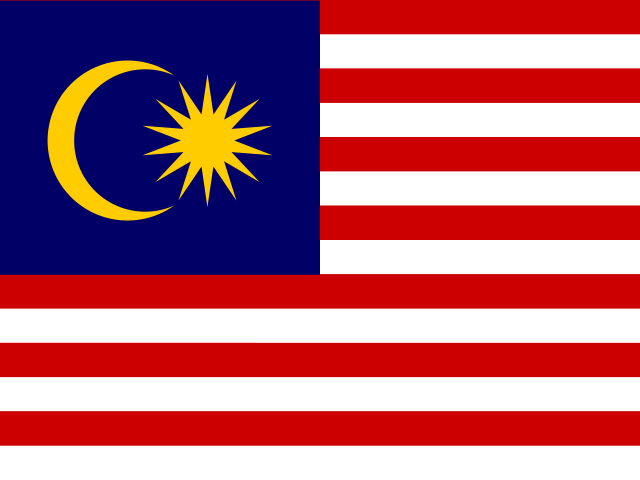
VS
Indonesia

Indonesia's toxic haze from forest fires is causing political tensions with Singapore and Malaysia, whose governments must balance citizen concerns about air quality with diplomatic relations with Indonesia.
*AI-generated summary of publicly available data. This is not an official statement of any party.
*AI-generated summary of publicly available statements and reporting. This is not an official statement of this party.
Supporters of Singapore and Malaysia argue that clean air is a shared cultural inheritance across the region, and they maintain that longstanding neighbourly ties carry a duty to protect citizens' health before diplomatic comfort.
Supporters of Singapore and Malaysia argue that clean air is a shared cultural inheritance and that Indonesia's recurring haze threatens the public health and social stability their societies have built through decades of careful governance.
Supporters of Singapore and Malaysia counter that cultural continuity does not license cross-border harm, arguing that inherited farming traditions can be modernized without externalizing the cost onto neighbours' health.
Supporters of Singapore and Malaysia argue that under international law, states bear a sovereign duty not to cause significant transboundary harm, and they point to Indonesia's haze as a breach warranting legal accountability.
Supporters of Singapore and Malaysia argue that Indonesia bears a legal duty under ASEAN's 2002 Transboundary Haze Agreement to prevent haze crossing its borders, and they point to that treaty as evidence the neighbors have standing to demand enforcement.
Supporters of Singapore and Malaysia counter that the ASEAN Agreement on Transboundary Haze Pollution is binding international law, obliging Indonesia to prevent transboundary harm—so their demands rest on treaty obligations, not unilateral interference.
Supporters of Singapore and Malaysia argue that publicly naming Indonesia as the haze culprit serves their diplomatic leverage, since shaming an irascible neighbor yields more concessions than quiet back-channel appeals.
Supporters of Singapore and Malaysia argue that with limited leverage over a larger neighbor, their governments must publicly amplify citizen air-quality concerns to build diplomatic pressure while privately avoiding escalation.
Supporters of Singapore and Malaysia counter that sovereignty cuts both ways: Indonesia's leverage claim ignores that haze imposes real costs on neighbors, and they argue states invoking sovereignty still answer for cross-border harm under regional norms.
Supporters of Singapore and Malaysia argue that Indonesia's duty to prevent transboundary harm is a moral obligation, not a diplomatic courtesy, and that citizens' right to clean air should outweigh fears of offending a powerful neighbor.
Supporters of Singapore and Malaysia argue that Indonesia's failure to curb the haze is a moral failure, since citizens bear the health costs of another state's neglect and neighbors deserve accountability, not silence.
Supporters of Singapore and Malaysia counter that shared consumer demand does not dissolve a state's moral duty to protect neighbors from harm originating within its borders, and that responsibility for curbing the burning rests first with the sovereign authority able to enforce.
Supporters of Singapore and Malaysia argue that stewardship of creation is a moral duty, so Indonesia's failure to curb haze-causing fires violates a religious obligation to protect neighbors and the environment.
Supporters of Singapore and Malaysia argue that stewardship of creation is a moral duty, so Indonesia's failure to curb the fires that choke neighbouring citizens violates a shared religious obligation to protect life and neighbour.
Supporters of Singapore and Malaysia counter that stewardship is not a license for unilateral action, since religious duty to creation is shared across borders and those harmed by the haze have a moral claim to accountability too.
*AI-generated summary of publicly available statements and reporting. This is not an official statement of this party.
Supporters of Indonesia frame the haze as a legacy of smallholder slash-and-burn culture and colonial-era land concessions, arguing neighbours should weigh historical context before assigning blame.
Supporters of Indonesia frame the haze as a legacy of smallholder slash-and-burn traditions and colonial-era land patterns, arguing that foreign criticism overlooks rural livelihoods and Indonesia's sovereignty over its own land.
Supporters of Indonesia counter that sovereignty and non-interference are themselves cultural cornerstones of the region, and they argue that framing neighbourly ties as a duty owed to outside publics sidesteps the principle that each nation manages its own affairs.
Supporters of Indonesia argue that under international law the principle of sovereignty limits outside interference, so haze mitigation must be pursued through ASEAN cooperation and Indonesia's own domestic enforcement, not unilateral demands from Singapore or Malaysia.
Supporters of Indonesia argue that under international law the primary responsibility for transboundary harm rests with states exercising due diligence, and they maintain that Indonesia has asserted sovereignty over its resources while pursuing bilateral and ASEAN-based cooperati.
Supporters of Indonesia counter that the duty not to cause transboundary harm is a due-diligence obligation, not strict liability, so accountability turns on whether Jakarta took reasonable preventive steps rather than on the harm alone.
Supporters of Indonesia argue that sovereignty over its land and economy is non-negotiable, and that neighbors pressing the haze issue are leveraging environmental concern to extract concessions from a weaker bargaining position.
Supporters of Indonesia argue that sovereignty over its land and its economic development take precedence over neighbors' air-quality complaints, framing haze diplomacy as leverage to extract concessions rather than an obligation to apologize.
Supporters of Indonesia counter that public shaming forfeits quiet leverage: an irascible neighbor concedes more behind closed doors than when cornered before an audience, since open naming invites defiance rather than compliance.
Supporters of Indonesia argue that the haze stems from commercial land-clearing and smallholder burning that Indonesia is working to curb, and they contend that moral responsibility is shared with the consumers and companies driving demand for its agricultural commodities.
Supporters of Indonesia argue that the haze crisis reflects shared commercial pressures on smallholders, not malice, and they maintain that moral blame should account for demand from Singapore and Malaysia, not just Indonesian farmers.
Supporters of Indonesia counter that sovereignty imposes limits, arguing that a moral duty to prevent harm cannot be enforced against a state without its consent, and that external pressure to prioritize neighbors' air quality over its own development needs raises fairness concer.
Supporters of Indonesia argue that the haze crisis is a matter of stewardship, not diplomacy: in their view, God entrusted the land and its people to Indonesia's care, and the priority is moral accountability for creation rather than appeasing neighbors.
Supporters of Indonesia invoke the principle of national sovereignty as a moral trust, arguing that stewardship of its forests is accountable first to God and the Indonesian people, not to foreign governments.
Supporters of Indonesia counter that the fires often ignite on smallholder and subsistence land where adat and livelihood obligations bind communities, and that stewardship doctrine also upholds the dignity of those dependent on the land.
AI-generated summary of publicly available statements and reporting. This is not an official statement of this party.
Supporters of Singapore and Malaysia argue that clean air is a shared cultural inheritance across the region, and they maintain that longstanding neighbourly ties carry a duty to protect citizens' health before diplomatic comfort.
Supporters of Singapore and Malaysia argue that clean air is a shared cultural inheritance and that Indonesia's recurring haze threatens the public health and social stability their societies have built through decades of careful governance.
Supporters of Singapore and Malaysia counter that cultural continuity does not license cross-border harm, arguing that inherited farming traditions can be modernized without externalizing the cost onto neighbours' health.
Supporters of Singapore and Malaysia argue that under international law, states bear a sovereign duty not to cause significant transboundary harm, and they point to Indonesia's haze as a breach warranting legal accountability.
Supporters of Singapore and Malaysia argue that Indonesia bears a legal duty under ASEAN's 2002 Transboundary Haze Agreement to prevent haze crossing its borders, and they point to that treaty as evidence the neighbors have standing to demand enforcement.
Supporters of Singapore and Malaysia counter that the ASEAN Agreement on Transboundary Haze Pollution is binding international law, obliging Indonesia to prevent transboundary harm—so their demands rest on treaty obligations, not unilateral interference.
Supporters of Singapore and Malaysia argue that publicly naming Indonesia as the haze culprit serves their diplomatic leverage, since shaming an irascible neighbor yields more concessions than quiet back-channel appeals.
Supporters of Singapore and Malaysia argue that with limited leverage over a larger neighbor, their governments must publicly amplify citizen air-quality concerns to build diplomatic pressure while privately avoiding escalation.
Supporters of Singapore and Malaysia counter that sovereignty cuts both ways: Indonesia's leverage claim ignores that haze imposes real costs on neighbors, and they argue states invoking sovereignty still answer for cross-border harm under regional norms.
Supporters of Singapore and Malaysia argue that Indonesia's duty to prevent transboundary harm is a moral obligation, not a diplomatic courtesy, and that citizens' right to clean air should outweigh fears of offending a powerful neighbor.
Supporters of Singapore and Malaysia argue that Indonesia's failure to curb the haze is a moral failure, since citizens bear the health costs of another state's neglect and neighbors deserve accountability, not silence.
Supporters of Singapore and Malaysia counter that shared consumer demand does not dissolve a state's moral duty to protect neighbors from harm originating within its borders, and that responsibility for curbing the burning rests first with the sovereign authority able to enforce.
Supporters of Singapore and Malaysia argue that stewardship of creation is a moral duty, so Indonesia's failure to curb haze-causing fires violates a religious obligation to protect neighbors and the environment.
Supporters of Singapore and Malaysia argue that stewardship of creation is a moral duty, so Indonesia's failure to curb the fires that choke neighbouring citizens violates a shared religious obligation to protect life and neighbour.
Supporters of Singapore and Malaysia counter that stewardship is not a license for unilateral action, since religious duty to creation is shared across borders and those harmed by the haze have a moral claim to accountability too.
Supporters of Indonesia frame the haze as a legacy of smallholder slash-and-burn culture and colonial-era land concessions, arguing neighbours should weigh historical context before assigning blame.
Supporters of Indonesia frame the haze as a legacy of smallholder slash-and-burn traditions and colonial-era land patterns, arguing that foreign criticism overlooks rural livelihoods and Indonesia's sovereignty over its own land.
Supporters of Indonesia counter that sovereignty and non-interference are themselves cultural cornerstones of the region, and they argue that framing neighbourly ties as a duty owed to outside publics sidesteps the principle that each nation manages its own affairs.
Supporters of Indonesia argue that under international law the principle of sovereignty limits outside interference, so haze mitigation must be pursued through ASEAN cooperation and Indonesia's own domestic enforcement, not unilateral demands from Singapore or Malaysia.
Supporters of Indonesia argue that under international law the primary responsibility for transboundary harm rests with states exercising due diligence, and they maintain that Indonesia has asserted sovereignty over its resources while pursuing bilateral and ASEAN-based cooperati.
Supporters of Indonesia counter that the duty not to cause transboundary harm is a due-diligence obligation, not strict liability, so accountability turns on whether Jakarta took reasonable preventive steps rather than on the harm alone.
Supporters of Indonesia argue that sovereignty over its land and economy is non-negotiable, and that neighbors pressing the haze issue are leveraging environmental concern to extract concessions from a weaker bargaining position.
Supporters of Indonesia argue that sovereignty over its land and its economic development take precedence over neighbors' air-quality complaints, framing haze diplomacy as leverage to extract concessions rather than an obligation to apologize.
Supporters of Indonesia counter that public shaming forfeits quiet leverage: an irascible neighbor concedes more behind closed doors than when cornered before an audience, since open naming invites defiance rather than compliance.
Supporters of Indonesia argue that the haze stems from commercial land-clearing and smallholder burning that Indonesia is working to curb, and they contend that moral responsibility is shared with the consumers and companies driving demand for its agricultural commodities.
Supporters of Indonesia argue that the haze crisis reflects shared commercial pressures on smallholders, not malice, and they maintain that moral blame should account for demand from Singapore and Malaysia, not just Indonesian farmers.
Supporters of Indonesia counter that sovereignty imposes limits, arguing that a moral duty to prevent harm cannot be enforced against a state without its consent, and that external pressure to prioritize neighbors' air quality over its own development needs raises fairness concer.
Supporters of Indonesia argue that the haze crisis is a matter of stewardship, not diplomacy: in their view, God entrusted the land and its people to Indonesia's care, and the priority is moral accountability for creation rather than appeasing neighbors.
Supporters of Indonesia invoke the principle of national sovereignty as a moral trust, arguing that stewardship of its forests is accountable first to God and the Indonesian people, not to foreign governments.
Supporters of Indonesia counter that the fires often ignite on smallholder and subsistence land where adat and livelihood obligations bind communities, and that stewardship doctrine also upholds the dignity of those dependent on the land.
Governments in Singapore and Malaysia are split between anxious citizens and an irascible neighbour.