Syrian government
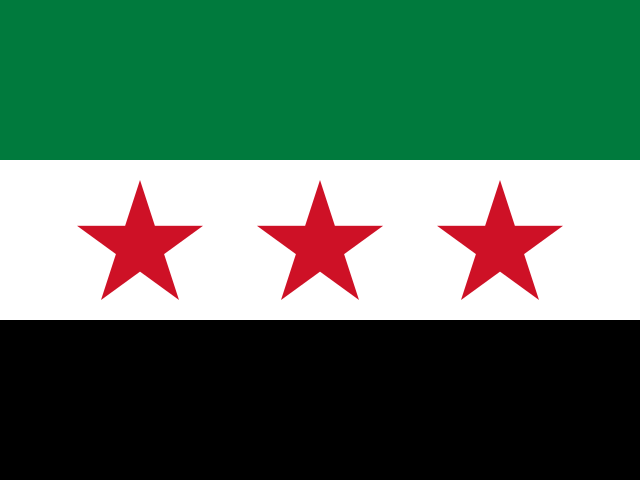
VS
Syrian protesters
The Syrian government is the ruling authority of the Syrian Arab Republic, led by President Bashar al-Assad and the Ba'ath Party.
Syrian protesters are demonstrators drawn largely from the government's own social base, including members of Syria's Sunni Arab majority such as truckers, who have taken to the streets to voice grievances.
The two sides are in conflict because the government's economic policies—most recently a sharp increase in fuel prices—have imposed hardships on ordinary Syrians, prompting widespread demonstrations.
Protesters oppose the price hikes and broader economic conditions, while the government has responded to dissent with force, escalating tensions.
The current protest wave reflects a combination of political discontent and economic hardship, and it poses a governance challenge for the Syrian government.
The unrest echoes the 2011 uprising that began with protests against Assad's regime and escalated into a full-scale civil war.
*AI-generated summary of publicly available data. This is not an official statement of any party.
*AI-generated summary of publicly available statements and reporting. This is not an official statement of this party.
Supporters of the Syrian government argue that ending fuel subsidies reflects a painful but necessary break with a decades-old subsidy culture, insisting the state cannot indefinitely absorb costs it no longer sustains.
Supporters of the Syrian government argue that fuel subsidies historically bred smuggling and black markets, and that past regimes delayed painful reforms at great cost, so they frame the hikes as a necessary, if unpopular, correction.
Supporters of the Syrian government counter that the state has long woven religious charity and communal custom into its own welfare fabric, so market adjustments need not sever those inherited ties.
Supporters of the Syrian government argue that setting fuel prices falls within the state's legal sovereignty and that fiscal measures are lawful prerogatives, not matters for street veto.
Supporters of the Syrian government argue the fuel price hikes are a lawful sovereign economic measure, and that the state has the legal authority to enforce public order when protests threaten stability.
Supporters of the Syrian government counter that pricing policy falls within sovereign economic authority, and that subsidies are not legally enforceable entitlements absent domestic statute.
Supporters of the Syrian government argue the fuel hikes are a necessary fiscal move to secure resources and maintain control, framing protest suppression as the price of stability.
Supporters of the Syrian government argue the fuel hike was a necessary concession to foreign creditors and war economics, and that street unrest only invites external exploitation.
Supporters of the Syrian government counter that fragmented unrest poses no real threat, so the leadership absorbs short-term hardship to outlast scattered protests and force rivals to bear the cost of confrontation.
Supporters of the Syrian government argue that the fuel hike was a morally necessary step to curb costly subsidies and stabilize the economy for the long-term good of all Syrians.
Supporters of the Syrian government argue that fuel subsidies were unsustainable and the hikes protect state resources for all; they maintain the government must prioritize fiscal survival over short-term relief.
Supporters of the Syrian government counter that lifting subsidies was forced by war and sanctions, and that moral duty means keeping the state solvent so medicine, bread, and salaries reach everyone, not bankrupting it.
Supporters of the Syrian government argue that preserving state authority and social order is a religious duty, and that fuel subsidies cannot be sustained indefinitely without harming the nation's stability.
Supporters of the Syrian government argue that preserving state authority and religious stability outweighs market grievances, maintaining that unchecked protest erodes the order faith and daily life depend upon.
Supporters of the Syrian government counter that God commands obedience to established authority and forbids rebellion, and that scholars warn against sedition, which harms the faithful more than hardship.
*AI-generated summary of publicly available statements and reporting. This is not an official statement of this party.
Supporters of Syrian protesters argue that sudden fuel hikes disrupt the inherited rhythms of family and community life, and they contend that longstanding social customs and religious charity networks, not abrupt market shocks, should guide how the state cares for its people.
Supporters of Syrian protesters argue the fuel hike threatens a fragile social fabric already strained by years of conflict, and that preserving communal stability and inherited ways of life matters more than market-driven price reforms.
Supporters of Syrian protesters counter that the subsidy was a cultural compact binding the state to its people, and that severing it to satisfy outside creditors breaks that inherited trust.
Supporters of Syrian protesters argue the fuel hikes violate the government's legal duty to ensure basic living standards, claiming that raising prices without due process or public consent breaches domestic and international law.
Supporters of Syrian protesters argue the fuel price hike violates the social contract, since citizens never consented to policies that make survival unaffordable; they maintain that legal legitimacy requires government accountability to the governed.
Supporters of Syrian protesters counter that international law, including ICC jurisdiction over crimes against humanity, supersedes domestic sovereignty claims for fuel-price decrees enforced through lethal repression.
Supporters of Syrian protesters argue the fuel hikes expose a regime trading public hardship for leverage, betting unrest stays fragmented; they maintain only sustained pressure shifts the cost calculus.
Supporters of Syrian protesters argue the fuel hike exposes a regime trading public misery for leverage, betting unrest stays fragmented; they see protests as the only remaining tool to force concessions.
Supporters of Syrian protesters counter that the government's talk of fiscal necessity masks a power play: keeping the population dependent and divided, since stability built on fear serves the regime's survival, not the nation's.
Supporters of Syrian protesters argue that a government which sharply raises fuel prices while citizens struggle morally fails its duty of care, since scripture calls rulers to protect the poor and vulnerable.
Supporters of Syrian protesters argue that a government which sharply raises fuel prices while many struggle to afford basics violates a moral duty to protect the vulnerable, so peaceful protest is a rightful call for justice.
Supporters of Syrian protesters counter that a moral good for all Syrians cannot rest on a policy that prices the poor out of fuel, since scripture judges rulers by how they treat the least among them.
Supporters of Syrian protesters invoke faith and scripture, arguing that rulers who impose crushing fuel prices on the poor defy divine justice and the Quranic command to uphold the oppressed.
Supporters of Syrian protesters invoke scripture's call to uphold justice for the poor, arguing that a government raising fuel prices while many struggle to afford bread violates the divine mandate to protect the vulnerable.
Supporters of Syrian protesters counter that scripture commands rulers to feed the poor, not crush them, and that a government forsaking the hungry forfeits its claim to God-given authority.
AI-generated summary of publicly available statements and reporting. This is not an official statement of this party.
Supporters of the Syrian government argue that ending fuel subsidies reflects a painful but necessary break with a decades-old subsidy culture, insisting the state cannot indefinitely absorb costs it no longer sustains.
Supporters of the Syrian government argue that fuel subsidies historically bred smuggling and black markets, and that past regimes delayed painful reforms at great cost, so they frame the hikes as a necessary, if unpopular, correction.
Supporters of the Syrian government counter that the state has long woven religious charity and communal custom into its own welfare fabric, so market adjustments need not sever those inherited ties.
Supporters of the Syrian government argue that setting fuel prices falls within the state's legal sovereignty and that fiscal measures are lawful prerogatives, not matters for street veto.
Supporters of the Syrian government argue the fuel price hikes are a lawful sovereign economic measure, and that the state has the legal authority to enforce public order when protests threaten stability.
Supporters of the Syrian government counter that pricing policy falls within sovereign economic authority, and that subsidies are not legally enforceable entitlements absent domestic statute.
Supporters of the Syrian government argue the fuel hikes are a necessary fiscal move to secure resources and maintain control, framing protest suppression as the price of stability.
Supporters of the Syrian government argue the fuel hike was a necessary concession to foreign creditors and war economics, and that street unrest only invites external exploitation.
Supporters of the Syrian government counter that fragmented unrest poses no real threat, so the leadership absorbs short-term hardship to outlast scattered protests and force rivals to bear the cost of confrontation.
Supporters of the Syrian government argue that the fuel hike was a morally necessary step to curb costly subsidies and stabilize the economy for the long-term good of all Syrians.
Supporters of the Syrian government argue that fuel subsidies were unsustainable and the hikes protect state resources for all; they maintain the government must prioritize fiscal survival over short-term relief.
Supporters of the Syrian government counter that lifting subsidies was forced by war and sanctions, and that moral duty means keeping the state solvent so medicine, bread, and salaries reach everyone, not bankrupting it.
Supporters of the Syrian government argue that preserving state authority and social order is a religious duty, and that fuel subsidies cannot be sustained indefinitely without harming the nation's stability.
Supporters of the Syrian government argue that preserving state authority and religious stability outweighs market grievances, maintaining that unchecked protest erodes the order faith and daily life depend upon.
Supporters of the Syrian government counter that God commands obedience to established authority and forbids rebellion, and that scholars warn against sedition, which harms the faithful more than hardship.
Supporters of Syrian protesters argue that sudden fuel hikes disrupt the inherited rhythms of family and community life, and they contend that longstanding social customs and religious charity networks, not abrupt market shocks, should guide how the state cares for its people.
Supporters of Syrian protesters argue the fuel hike threatens a fragile social fabric already strained by years of conflict, and that preserving communal stability and inherited ways of life matters more than market-driven price reforms.
Supporters of Syrian protesters counter that the subsidy was a cultural compact binding the state to its people, and that severing it to satisfy outside creditors breaks that inherited trust.
Supporters of Syrian protesters argue the fuel hikes violate the government's legal duty to ensure basic living standards, claiming that raising prices without due process or public consent breaches domestic and international law.
Supporters of Syrian protesters argue the fuel price hike violates the social contract, since citizens never consented to policies that make survival unaffordable; they maintain that legal legitimacy requires government accountability to the governed.
Supporters of Syrian protesters counter that international law, including ICC jurisdiction over crimes against humanity, supersedes domestic sovereignty claims for fuel-price decrees enforced through lethal repression.
Supporters of Syrian protesters argue the fuel hikes expose a regime trading public hardship for leverage, betting unrest stays fragmented; they maintain only sustained pressure shifts the cost calculus.
Supporters of Syrian protesters argue the fuel hike exposes a regime trading public misery for leverage, betting unrest stays fragmented; they see protests as the only remaining tool to force concessions.
Supporters of Syrian protesters counter that the government's talk of fiscal necessity masks a power play: keeping the population dependent and divided, since stability built on fear serves the regime's survival, not the nation's.
Supporters of Syrian protesters argue that a government which sharply raises fuel prices while citizens struggle morally fails its duty of care, since scripture calls rulers to protect the poor and vulnerable.
Supporters of Syrian protesters argue that a government which sharply raises fuel prices while many struggle to afford basics violates a moral duty to protect the vulnerable, so peaceful protest is a rightful call for justice.
Supporters of Syrian protesters counter that a moral good for all Syrians cannot rest on a policy that prices the poor out of fuel, since scripture judges rulers by how they treat the least among them.
Supporters of Syrian protesters invoke faith and scripture, arguing that rulers who impose crushing fuel prices on the poor defy divine justice and the Quranic command to uphold the oppressed.
Supporters of Syrian protesters invoke scripture's call to uphold justice for the poor, arguing that a government raising fuel prices while many struggle to afford bread violates the divine mandate to protect the vulnerable.
Supporters of Syrian protesters counter that scripture commands rulers to feed the poor, not crush them, and that a government forsaking the hungry forfeits its claim to God-given authority.
Demonstrators burn tyres and block highways as protests over increased fuel prices grip Syrian cities.
The Syrian government increased fuel prices, leading to protests across the country.
On 15 June, the Syrian Ministry of Interior announced a measure that coincided with a spike in protests driven by political discontent and economic hardship.
The Washington Institute published a policy analysis describing the vast majority of protesters as members of the government's own social base within Syria's Sunni Arab majority, including truckers.
In 2011, protests against President Assad's regime began and quickly escalated into a full-scale war between the Syrian government and anti-government forces.