Takaichi government

VS
Hiroshima atomic bomb survivors
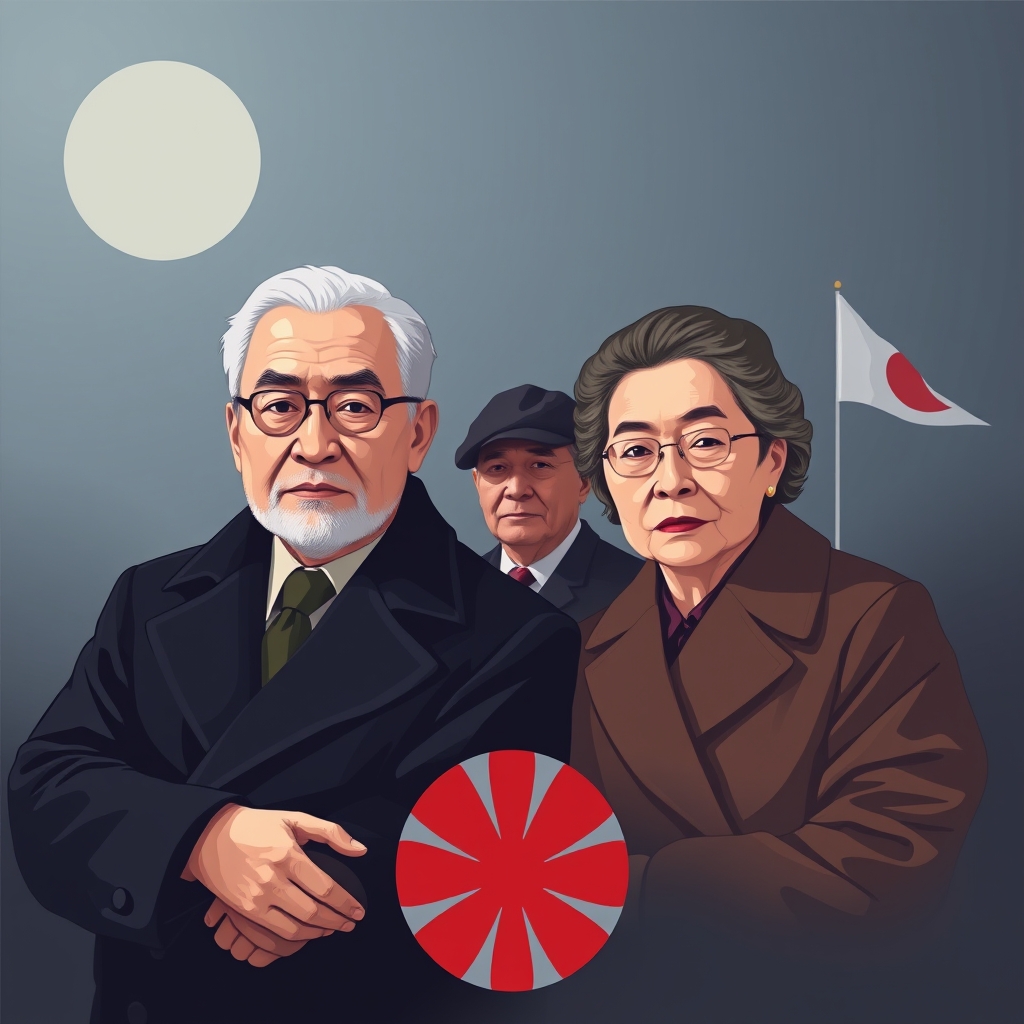
The Takaichi government, led by Japanese Prime Minister Sanae Takaichi, is the current administration of Japan.
The Hiroshima atomic bomb survivors, known as hibakusha, are individuals who survived the atomic bombing of Hiroshima in 1945 and have since advocated for nuclear disarmament and the preservation of Japan's non-nuclear stance.
The conflict arises from Takaichi's equivocal response regarding Japan's Three Non-Nuclear Principles during the 81st anniversary ceremony of the Hiroshima bombing.
While she pledged to uphold the principles in her speech, she stopped short of clearly committing to maintain them, sparking debate over whether Japan should reconsider its non-nuclear stance amid regional security concerns.
Survivors' groups have lamented that the government and ruling parties have been discussing potential changes to the policy.
The stakes are significant, as Japan's non-nuclear principles have been a cornerstone of its post-war identity and its commitment to nuclear disarmament.
The survivors, who represent the wills of atomic bombing victims, have long advocated for the abolition of nuclear weapons, and any shift in policy could have profound implications for Japan's security and its role in global disarmament efforts.
*AI-generated summary of publicly available data. This is not an official statement of any party.
*AI-generated summary of publicly available statements and reporting. This is not an official statement of this party.
Supporters of the Takaichi government argue that Hiroshima’s legacy must evolve beyond ritual, as cultural memory alone cannot shield Japan from regional threats.
Supporters of the Takaichi government argue that Hiroshima’s legacy is not a static taboo but a living call to adapt national identity to new security realities, preserving sovereignty over rigid symbolism.
Supporters of Takaichi government counter that Japan's cultural memory includes resilience and sovereignty, not just victimhood, and they argue the ceremony should honor the hibakusha's suffering while also affirming the nation's right to self-defense.
Supporters of the Takaichi government argue that legal ambiguity preserves Japan’s constitutional right to self-defense, allowing future security assessments without breaching non-nuclear treaty obligations.
Supporters of the Takaichi government argue that legal ambiguity on the Three Non-Nuclear Principles reflects a lawful, pragmatic reassessment of Japan’s security obligations under international law, not a repudiation of its moral commitment.
Supporters of the Takaichi government counter that the Three Non-Nuclear Principles are a policy pledge, not a treaty obligation, and argue that international law, including the NPT, permits nuclear deterrence dialogue under U.S. security arrangements, so legal commitment.
Supporters of the Takaichi government argue the equivocal wording preserves bargaining power, signaling to allies and rivals that Japan’s nuclear stance remains a strategic lever, not a fixed moral pledge, as regional threats shift.
Supporters of the Takaichi government argue that ambiguity on the non-nuclear principles is a strategic hedge, preserving leverage against both regional rivals and allies.
Supporters of the Takaichi government counter that moral authority offers no deterrence against nuclear-armed neighbors; only strategic ambiguity and U.S. security guarantees do. They argue the survivors’ stance, while noble, ignores that Japan’s leverage lies in regional power.
Supporters of the Takaichi government argue that clinging to a symbolic pledge while regional threats grow is morally complacent, since protecting citizens justifies reexamining outdated doctrine.
Supporters of the Takaichi government argue that moral duty requires prioritizing national survival over symbolic pledges, pointing to regional threats as justification for reconsidering rigid non-nuclear commitments.
Supporters of Takaichi government counter that honoring Hiroshima’s victims demands a moral commitment to protecting living Japanese citizens, not abstract symbolism. They argue that a robust nuclear deterrence, upheld through realistic security policies, prevents future atomic.
Supporters of the Takaichi government argue that her equivocal wording honors Hiroshima's sacred memory while prudently weighing regional threats, not abandoning the non-nuclear pledge.
Supporters of the Takaichi government argue that reverent remembrance of Hiroshima’s dead must coexist with prudence, not rigid doctrine, and that divine providence guides leaders to adapt sacred oaths to protect the living.
Supporters of the Takaichi government counter that the hibakusha’s witness honors a covenant of life, not rigid doctrine, and that securing national survival through deterrence upholds the divine duty to protect the living.
*AI-generated summary of publicly available statements and reporting. This is not an official statement of this party.
Supporters of Hiroshima atomic bomb survivors argue that the anniversary ceremony is sacred ground for reaffirming Japan's non-nuclear identity, and that Takaichi's equivocation dishonors the cultural memory of the hibakusha.
Supporters of Hiroshima atomic bomb survivors argue that the anniversary ceremony is a sacred cultural ritual where Japan’s non-nuclear pledge embodies inherited moral continuity, and that equivocation there fractures the nation’s shared memory and identity.
Supporters of Hiroshima atomic bomb survivors counter that ritual is not stagnation but the living vessel of inherited wisdom, binding generations to the hard-won truth that security built on nuclear threat betrays the very culture it claims to protect.
Supporters of Hiroshima atomic bomb survivors argue that Takaichi’s equivocation violates Japan’s legal commitment to the Three Non-Nuclear Principles, a binding policy since 1971. They maintain that international law, including the Non-Proliferation Treaty, obligates Japan to.
Supporters of Hiroshima atomic bomb survivors argue that the Three Non-Nuclear Principles carry binding legal weight as a cornerstone of Japan’s postwar identity, and Takaichi’s equivocation undermines that statutory commitment.
Supporters of Hiroshima atomic bomb survivors counter that legal ambiguity itself undermines treaty credibility, as Article 2 of the Non-Proliferation Treaty obligates explicit non-acquisition pledges, not interpretive flexibility.
Supporters of the Hiroshima atomic bomb survivors argue Takaichi’s equivocation is a calculated power play, trading moral principle for regional leverage; they note the survivors’ moral authority is Japan’s only real deterrent against nuclear coercion, and abandoning it weakens.
Supporters of Hiroshima atomic bomb survivors argue Takaichi’s equivocation is a calculated hedge, trading moral principle for regional leverage; they insist the non-nuclear stance is Japan’s only real deterrent against becoming a target, not a bargaining chip.
Supporters of Hiroshima atomic bomb survivors argue that such strategic ambiguity is a fiction of power, not a shield; history shows equivocation invites pressure, not deterrence, as rivals test resolve where moral clarity is absent.
Supporters of Hiroshima atomic bomb survivors argue that equivocating on the Three Non-Nuclear Principles betrays a moral duty to honor the victims, whose suffering demands an unwavering commitment to nuclear abolition, not strategic hedging.
Supporters of Hiroshima atomic bomb survivors argue that equivocation on the Three Non-Nuclear Principles betrays the moral duty to honor victims of nuclear war, who demand unwavering commitment to disarmament as a universal human-rights imperative.
Supporters of Hiroshima atomic bomb survivors counter that moral duty is not a relic but a living covenant, arguing that abandoning the pledge normalizes nuclear reliance and erodes the very security it claims to protect. For them, protecting citizens means honoring the human.
Supporters of Hiroshima atomic bomb survivors argue that the hibakusha’s witness is a sacred moral testament, and equivocation on the non-nuclear principles betrays a divine covenant of peace.
Supporters of Hiroshima atomic bomb survivors maintain that the Three Non-Nuclear Principles are a sacred moral covenant, grounded in the divine command to choose life over death.
Supporters of Hiroshima atomic bomb survivors counter that equivocation profanes the hibakusha’s martyred witness, for scripture demands clarity: “Choose life” (Deut. 30:19). They argue that hedging the pledge dishonors the divine covenant of peace, treating Hiroshima’s sacred.
AI-generated summary of publicly available statements and reporting. This is not an official statement of this party.
Supporters of the Takaichi government argue that Hiroshima’s legacy must evolve beyond ritual, as cultural memory alone cannot shield Japan from regional threats.
Supporters of the Takaichi government argue that Hiroshima’s legacy is not a static taboo but a living call to adapt national identity to new security realities, preserving sovereignty over rigid symbolism.
Supporters of Takaichi government counter that Japan's cultural memory includes resilience and sovereignty, not just victimhood, and they argue the ceremony should honor the hibakusha's suffering while also affirming the nation's right to self-defense.
Supporters of the Takaichi government argue that legal ambiguity preserves Japan’s constitutional right to self-defense, allowing future security assessments without breaching non-nuclear treaty obligations.
Supporters of the Takaichi government argue that legal ambiguity on the Three Non-Nuclear Principles reflects a lawful, pragmatic reassessment of Japan’s security obligations under international law, not a repudiation of its moral commitment.
Supporters of the Takaichi government counter that the Three Non-Nuclear Principles are a policy pledge, not a treaty obligation, and argue that international law, including the NPT, permits nuclear deterrence dialogue under U.S. security arrangements, so legal commitment.
Supporters of the Takaichi government argue the equivocal wording preserves bargaining power, signaling to allies and rivals that Japan’s nuclear stance remains a strategic lever, not a fixed moral pledge, as regional threats shift.
Supporters of the Takaichi government argue that ambiguity on the non-nuclear principles is a strategic hedge, preserving leverage against both regional rivals and allies.
Supporters of the Takaichi government counter that moral authority offers no deterrence against nuclear-armed neighbors; only strategic ambiguity and U.S. security guarantees do. They argue the survivors’ stance, while noble, ignores that Japan’s leverage lies in regional power.
Supporters of the Takaichi government argue that clinging to a symbolic pledge while regional threats grow is morally complacent, since protecting citizens justifies reexamining outdated doctrine.
Supporters of the Takaichi government argue that moral duty requires prioritizing national survival over symbolic pledges, pointing to regional threats as justification for reconsidering rigid non-nuclear commitments.
Supporters of Takaichi government counter that honoring Hiroshima’s victims demands a moral commitment to protecting living Japanese citizens, not abstract symbolism. They argue that a robust nuclear deterrence, upheld through realistic security policies, prevents future atomic.
Supporters of the Takaichi government argue that her equivocal wording honors Hiroshima's sacred memory while prudently weighing regional threats, not abandoning the non-nuclear pledge.
Supporters of the Takaichi government argue that reverent remembrance of Hiroshima’s dead must coexist with prudence, not rigid doctrine, and that divine providence guides leaders to adapt sacred oaths to protect the living.
Supporters of the Takaichi government counter that the hibakusha’s witness honors a covenant of life, not rigid doctrine, and that securing national survival through deterrence upholds the divine duty to protect the living.
Supporters of Hiroshima atomic bomb survivors argue that the anniversary ceremony is sacred ground for reaffirming Japan's non-nuclear identity, and that Takaichi's equivocation dishonors the cultural memory of the hibakusha.
Supporters of Hiroshima atomic bomb survivors argue that the anniversary ceremony is a sacred cultural ritual where Japan’s non-nuclear pledge embodies inherited moral continuity, and that equivocation there fractures the nation’s shared memory and identity.
Supporters of Hiroshima atomic bomb survivors counter that ritual is not stagnation but the living vessel of inherited wisdom, binding generations to the hard-won truth that security built on nuclear threat betrays the very culture it claims to protect.
Supporters of Hiroshima atomic bomb survivors argue that Takaichi’s equivocation violates Japan’s legal commitment to the Three Non-Nuclear Principles, a binding policy since 1971. They maintain that international law, including the Non-Proliferation Treaty, obligates Japan to.
Supporters of Hiroshima atomic bomb survivors argue that the Three Non-Nuclear Principles carry binding legal weight as a cornerstone of Japan’s postwar identity, and Takaichi’s equivocation undermines that statutory commitment.
Supporters of Hiroshima atomic bomb survivors counter that legal ambiguity itself undermines treaty credibility, as Article 2 of the Non-Proliferation Treaty obligates explicit non-acquisition pledges, not interpretive flexibility.
Supporters of the Hiroshima atomic bomb survivors argue Takaichi’s equivocation is a calculated power play, trading moral principle for regional leverage; they note the survivors’ moral authority is Japan’s only real deterrent against nuclear coercion, and abandoning it weakens.
Supporters of Hiroshima atomic bomb survivors argue Takaichi’s equivocation is a calculated hedge, trading moral principle for regional leverage; they insist the non-nuclear stance is Japan’s only real deterrent against becoming a target, not a bargaining chip.
Supporters of Hiroshima atomic bomb survivors argue that such strategic ambiguity is a fiction of power, not a shield; history shows equivocation invites pressure, not deterrence, as rivals test resolve where moral clarity is absent.
Supporters of Hiroshima atomic bomb survivors argue that equivocating on the Three Non-Nuclear Principles betrays a moral duty to honor the victims, whose suffering demands an unwavering commitment to nuclear abolition, not strategic hedging.
Supporters of Hiroshima atomic bomb survivors argue that equivocation on the Three Non-Nuclear Principles betrays the moral duty to honor victims of nuclear war, who demand unwavering commitment to disarmament as a universal human-rights imperative.
Supporters of Hiroshima atomic bomb survivors counter that moral duty is not a relic but a living covenant, arguing that abandoning the pledge normalizes nuclear reliance and erodes the very security it claims to protect. For them, protecting citizens means honoring the human.
Supporters of Hiroshima atomic bomb survivors argue that the hibakusha’s witness is a sacred moral testament, and equivocation on the non-nuclear principles betrays a divine covenant of peace.
Supporters of Hiroshima atomic bomb survivors maintain that the Three Non-Nuclear Principles are a sacred moral covenant, grounded in the divine command to choose life over death.
Supporters of Hiroshima atomic bomb survivors counter that equivocation profanes the hibakusha’s martyred witness, for scripture demands clarity: “Choose life” (Deut. 30:19). They argue that hedging the pledge dishonors the divine covenant of peace, treating Hiroshima’s sacred.
Prime Minister Sanae Takaichi met with representatives of atomic bomb survivor groups, who expressed concern over government discussions about the non-nuclear principles.
In a speech marking the 81st anniversary of the atomic bombing, Takaichi pledged to uphold Japan's non-nuclear principles but avoided a clear commitment to maintain them.
During the anniversary ceremony, Takaichi made remarks suggesting that a nuclear-free world may be unrealistic, raising concerns among survivors.
Prime Minister Takaichi gave an equivocal response on the Three Non-Nuclear Principles during the ceremony.