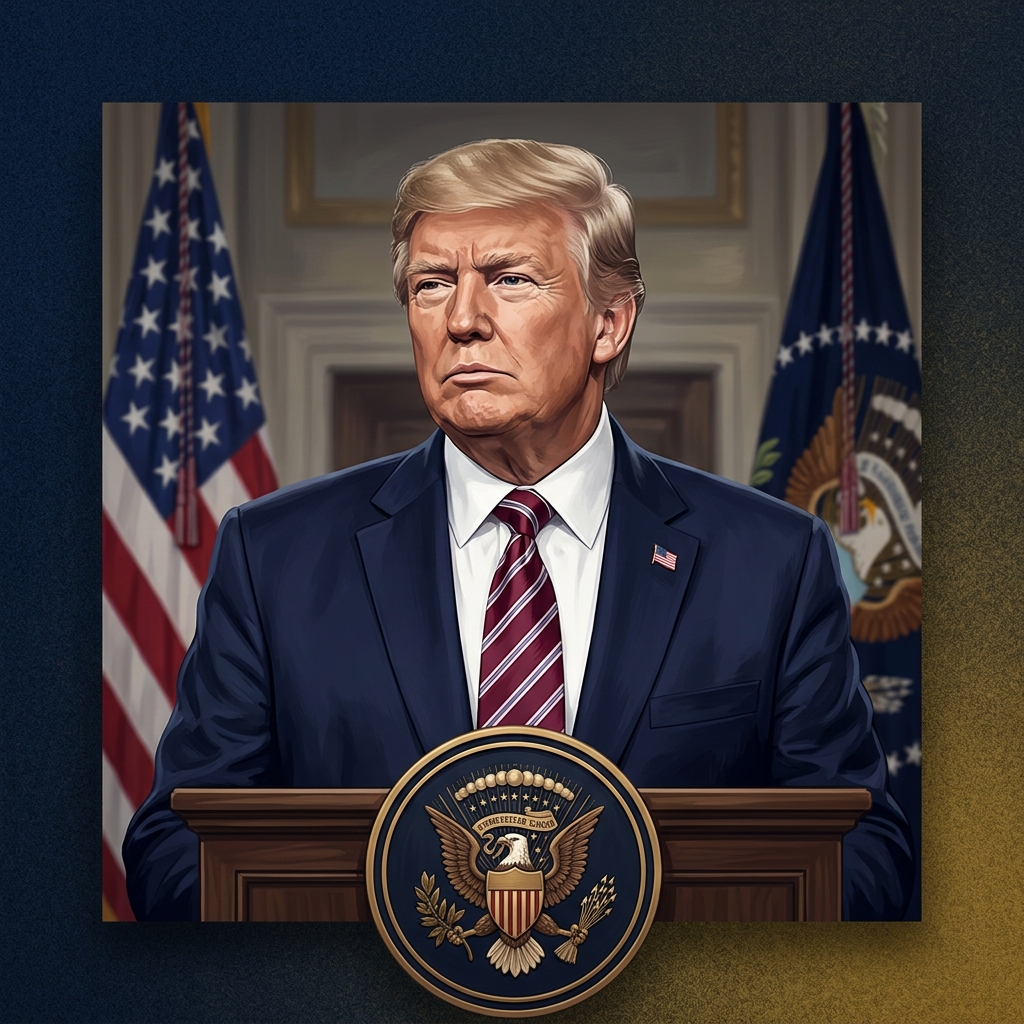
Trump administration
VS
Conservative courts
The article argues that the Trump administration and conservative courts are making it harder to challenge civil rights violations, framing this as an attack on the right to enforce civil rights in the US.
*AI-generated summary of publicly available data. This is not an official statement of any party.
*AI-generated summary of publicly available statements and reporting. This is not an official statement of this party.
Supporters of the Trump administration argue that restoring traditional legal limits on federal enforcement preserves institutional order and returns authority to elected bodies and local communities.
Supporters of the Trump administration argue that restoring limits on federal civil rights enforcement protects local institutions and inherited community norms from centralized control.
Supporters of the Trump administration counter that courts enforcing civil rights have at times displaced the cultural traditions and self-governance of local communities, so they argue elected lawmakers better reflect the public's inherited values.
Supporters of the Trump administration counter that cultural continuity is preserved by upholding inherited institutions like the courts and local community authority, not by expanding federal enforcement.
Supporters of the Trump administration argue that narrowing procedural avenues to sue, such as tighter standing and immunity rules, is a lawful, cost-conscious check on frivolous litigation rather than an attack on civil rights.
Supporters of the Trump administration argue that procedural limits on civil rights suits—standing rules and qualified immunity—are lawful doctrines that curb frivolous litigation, not attacks on enforcement.
Supporters of the Trump administration counter that standing and immunity doctrines are not abstract limits but practical shields, and that executive enforcement remains fully available through agencies and referals—so the claim that courts must stay open misreads where the Const.
Supporters of the Trump administration counter that executive agencies can enforce civil rights statutes directly, so limiting private suits preserves accountability without exposing defendants to costly litigation.
Supporters of the Trump administration argue that narrowing enforcement mechanisms restores authority to elected officials and courts, maintaining that limiting litigation curbs activist leverage over policy.
Supporters of Trump administration argue that narrowing civil rights enforcement restores power to elected officials and limits litigation leverage, maintaining that constraining challengers' legal tools is a pragmatic check on activist courts.
Supporters of the Trump administration counter that procedural hurdles cut both ways, letting a unified executive agenda advance without司法 friction while opponents exhaust resources in court.
Supporters of the Trump administration counter that procedural limits cut both ways, and that critics who once praised deference to agency expertise now object when that same discretion gets exercised by officials they oppose.
Supporters of Trump administration argue that limiting broad civil rights claims restores accountability, since expansive litigation unfairly burdens institutions; they frame stricter standing as protecting the rule of law itself.
Supporters of the Trump administration argue that narrowing certain civil rights claims restores limits on federal power and shields institutions from meritless suits, framing it as fairness rather than an attack.
Supporters of the Trump administration counter that narrowing civil rights claims morally fails victims, since procedural barriers deny remedy before harm is ever proven, leaving real wrongdoing unaddressed.
Supporters of the Trump administration counter that a right enforced by unelected judges against the public's chosen policies is no democratic right at all, arguing that moral authority rests with voters and their representatives.
Supporters of the Trump administration argue that restoring religious liberty requires limiting broad civil rights claims they say burden faith-based institutions and conscience rights.
Supporters of the Trump administration argue that religious liberty is a foundational right, and they maintain that courts should protect faith communities from burdensome civil rights claims rather than expand enforcement against them.
Supporters of the Trump administration counter that religious liberty is itself a fixed, textually grounded right, and they argue that scripture's call for impartial judgment protects the free exercise of faith from shifting enforcement.
Supporters of the Trump administration counter that religious liberty itself is the inherited witness, arguing that courts should protect worship and conscience rather than serve as a venue for claims that burden religious communities.
*AI-generated summary of publicly available statements and reporting. This is not an official statement of this party.
Supporters of Conservative courts argue that civil rights enforcement should rest with elected lawmakers rather than judicial rulings, maintaining that courts have imposed cultural changes the public never endorsed.
Supporters of Conservative courts argue that judges should interpret civil rights statutes as written, leaving policy changes to elected legislatures rather than courts.
Supporters of Conservative courts counter that local control claims ring hollow when federal enforcement is used to override communities' own cultural and moral standards, returning authority in name while centralizing it in practice.
Supporters of Conservative courts argue that narrowing procedural avenues to sue—such as stricter standing and immunity doctrines—restores limits the Constitution places on federal judicial power, keeping enforcement within elected branches.
Supporters of Conservative courts argue that enforcing civil rights is properly a matter of legislative will and sovereign self-government, not judicial expansion—so courts should defer to the political branches rather than widen federal remedies.
Supporters of Conservative courts counter that immunity and standing rules are judge-made doctrines the judiciary itself controls, so courts—not the executive—retain authority to deny immunity where constitutional rights are clearly established.
Supporters of Conservative courts argue that tightening procedural hurdles for civil rights claims is a deliberate move to shield governing authority from litigation, maintaining that limiting who may sue preserves institutional control.
Supporters of Conservative courts argue that tightening standing and procedural rules is a principled check on litigation power, not an attack on rights—they maintain courts should not be vehicles for broad enforcement leverage.
Supporters of Conservative courts counter that elected officials already control enforcement, so the real check is judicial review; they argue that stripping courts of a role simply hands leverage to whoever holds power, not to the law.
Supporters of Conservative courts argue that limiting broad civil rights claims restores moral accountability, ensuring remedies target genuine, proven violations rather than open-ended litigation.
Supporters of conservative courts argue that limiting procedural tools for civil rights suits is a moral defense of accountability, ensuring claims are judged on genuine injury rather than broad theories of liability.
Supporters of Conservative courts counter that narrowing standing is not neutral: they argue it morally silences the vulnerable, denying the injured their day in court and shielding institutions from accountability rather than restoring it.
Supporters of Conservative courts argue that civil rights enforcement must rest on fixed, textually grounded law rather than shifting judicial interpretation, citing scripture's call for honest, impartial judgment.
Supporters of Conservative courts argue that civil rights enforcement should rest on fixed, text-based legal standards rather than expanding judicial discretion, maintaining that doctrinal restraint preserves the rule of law.
Supporters of Conservative courts counter that genuine religious liberty is itself a civil right, and that the First Amendment's free-exercise guarantee shields faith-based institutions from broad mandates, not the reverse.
AI-generated summary of publicly available statements and reporting. This is not an official statement of this party.
Supporters of the Trump administration argue that restoring traditional legal limits on federal enforcement preserves institutional order and returns authority to elected bodies and local communities.
Supporters of the Trump administration argue that restoring limits on federal civil rights enforcement protects local institutions and inherited community norms from centralized control.
Supporters of the Trump administration counter that courts enforcing civil rights have at times displaced the cultural traditions and self-governance of local communities, so they argue elected lawmakers better reflect the public's inherited values.
Supporters of the Trump administration counter that cultural continuity is preserved by upholding inherited institutions like the courts and local community authority, not by expanding federal enforcement.
Supporters of the Trump administration argue that narrowing procedural avenues to sue, such as tighter standing and immunity rules, is a lawful, cost-conscious check on frivolous litigation rather than an attack on civil rights.
Supporters of the Trump administration argue that procedural limits on civil rights suits—standing rules and qualified immunity—are lawful doctrines that curb frivolous litigation, not attacks on enforcement.
Supporters of the Trump administration counter that standing and immunity doctrines are not abstract limits but practical shields, and that executive enforcement remains fully available through agencies and referals—so the claim that courts must stay open misreads where the Const.
Supporters of the Trump administration counter that executive agencies can enforce civil rights statutes directly, so limiting private suits preserves accountability without exposing defendants to costly litigation.
Supporters of the Trump administration argue that narrowing enforcement mechanisms restores authority to elected officials and courts, maintaining that limiting litigation curbs activist leverage over policy.
Supporters of Trump administration argue that narrowing civil rights enforcement restores power to elected officials and limits litigation leverage, maintaining that constraining challengers' legal tools is a pragmatic check on activist courts.
Supporters of the Trump administration counter that procedural hurdles cut both ways, letting a unified executive agenda advance without司法 friction while opponents exhaust resources in court.
Supporters of the Trump administration counter that procedural limits cut both ways, and that critics who once praised deference to agency expertise now object when that same discretion gets exercised by officials they oppose.
Supporters of Trump administration argue that limiting broad civil rights claims restores accountability, since expansive litigation unfairly burdens institutions; they frame stricter standing as protecting the rule of law itself.
Supporters of the Trump administration argue that narrowing certain civil rights claims restores limits on federal power and shields institutions from meritless suits, framing it as fairness rather than an attack.
Supporters of the Trump administration counter that narrowing civil rights claims morally fails victims, since procedural barriers deny remedy before harm is ever proven, leaving real wrongdoing unaddressed.
Supporters of the Trump administration counter that a right enforced by unelected judges against the public's chosen policies is no democratic right at all, arguing that moral authority rests with voters and their representatives.
Supporters of the Trump administration argue that restoring religious liberty requires limiting broad civil rights claims they say burden faith-based institutions and conscience rights.
Supporters of the Trump administration argue that religious liberty is a foundational right, and they maintain that courts should protect faith communities from burdensome civil rights claims rather than expand enforcement against them.
Supporters of the Trump administration counter that religious liberty is itself a fixed, textually grounded right, and they argue that scripture's call for impartial judgment protects the free exercise of faith from shifting enforcement.
Supporters of the Trump administration counter that religious liberty itself is the inherited witness, arguing that courts should protect worship and conscience rather than serve as a venue for claims that burden religious communities.
Supporters of Conservative courts argue that civil rights enforcement should rest with elected lawmakers rather than judicial rulings, maintaining that courts have imposed cultural changes the public never endorsed.
Supporters of Conservative courts argue that judges should interpret civil rights statutes as written, leaving policy changes to elected legislatures rather than courts.
Supporters of Conservative courts counter that local control claims ring hollow when federal enforcement is used to override communities' own cultural and moral standards, returning authority in name while centralizing it in practice.
Supporters of Conservative courts argue that narrowing procedural avenues to sue—such as stricter standing and immunity doctrines—restores limits the Constitution places on federal judicial power, keeping enforcement within elected branches.
Supporters of Conservative courts argue that enforcing civil rights is properly a matter of legislative will and sovereign self-government, not judicial expansion—so courts should defer to the political branches rather than widen federal remedies.
Supporters of Conservative courts counter that immunity and standing rules are judge-made doctrines the judiciary itself controls, so courts—not the executive—retain authority to deny immunity where constitutional rights are clearly established.
Supporters of Conservative courts argue that tightening procedural hurdles for civil rights claims is a deliberate move to shield governing authority from litigation, maintaining that limiting who may sue preserves institutional control.
Supporters of Conservative courts argue that tightening standing and procedural rules is a principled check on litigation power, not an attack on rights—they maintain courts should not be vehicles for broad enforcement leverage.
Supporters of Conservative courts counter that elected officials already control enforcement, so the real check is judicial review; they argue that stripping courts of a role simply hands leverage to whoever holds power, not to the law.
Supporters of Conservative courts argue that limiting broad civil rights claims restores moral accountability, ensuring remedies target genuine, proven violations rather than open-ended litigation.
Supporters of conservative courts argue that limiting procedural tools for civil rights suits is a moral defense of accountability, ensuring claims are judged on genuine injury rather than broad theories of liability.
Supporters of Conservative courts counter that narrowing standing is not neutral: they argue it morally silences the vulnerable, denying the injured their day in court and shielding institutions from accountability rather than restoring it.
Supporters of Conservative courts argue that civil rights enforcement must rest on fixed, textually grounded law rather than shifting judicial interpretation, citing scripture's call for honest, impartial judgment.
Supporters of Conservative courts argue that civil rights enforcement should rest on fixed, text-based legal standards rather than expanding judicial discretion, maintaining that doctrinal restraint preserves the rule of law.
Supporters of Conservative courts counter that genuine religious liberty is itself a civil right, and that the First Amendment's free-exercise guarantee shields faith-based institutions from broad mandates, not the reverse.
The Trump administration and conservative courts are making it harder to challenge civil rights violations.